

I’ve burned through a lot of footwear chasing trails I probably shouldn’t have been on in the first place, and I’ve learned that expensive doesn’t always mean better. When you’re starting out or just need a solid backup pair, budget hiking shoes can absolutely do the job if you pick the right ones.
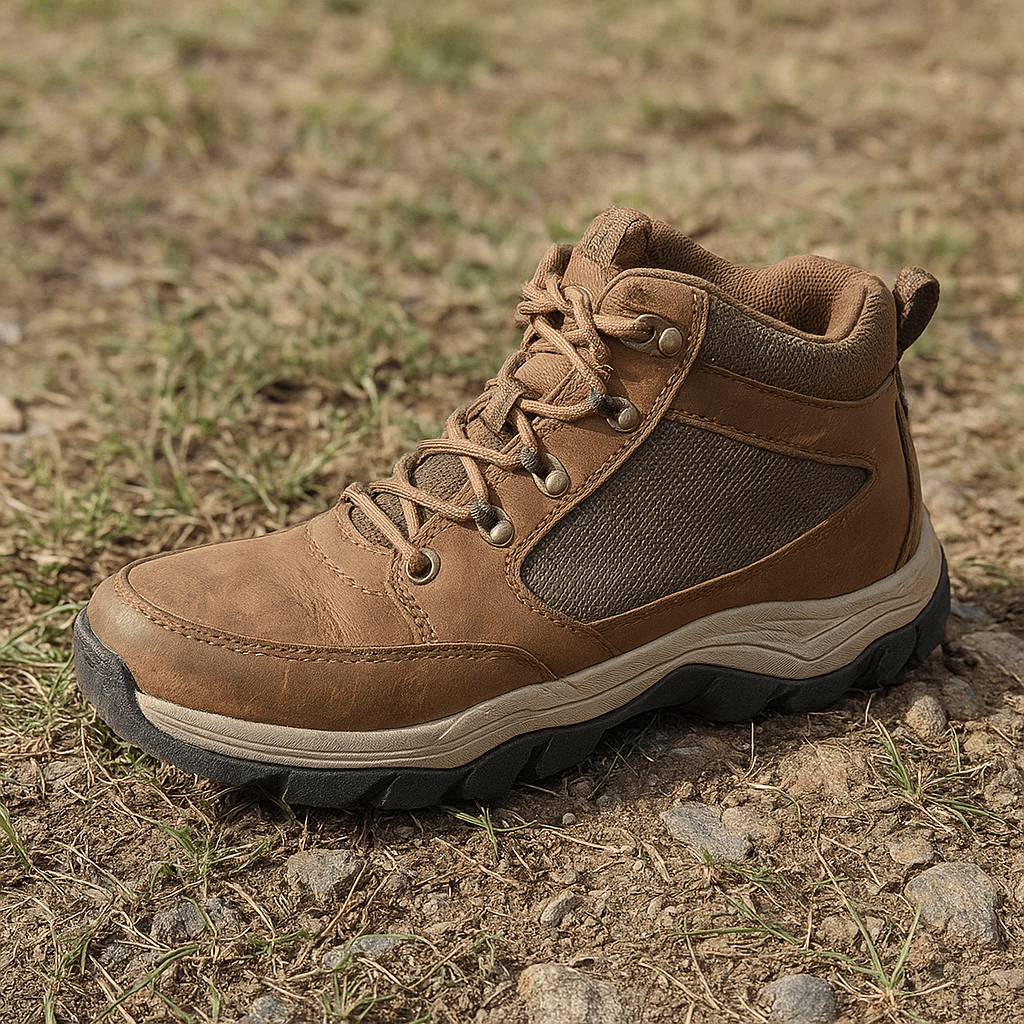
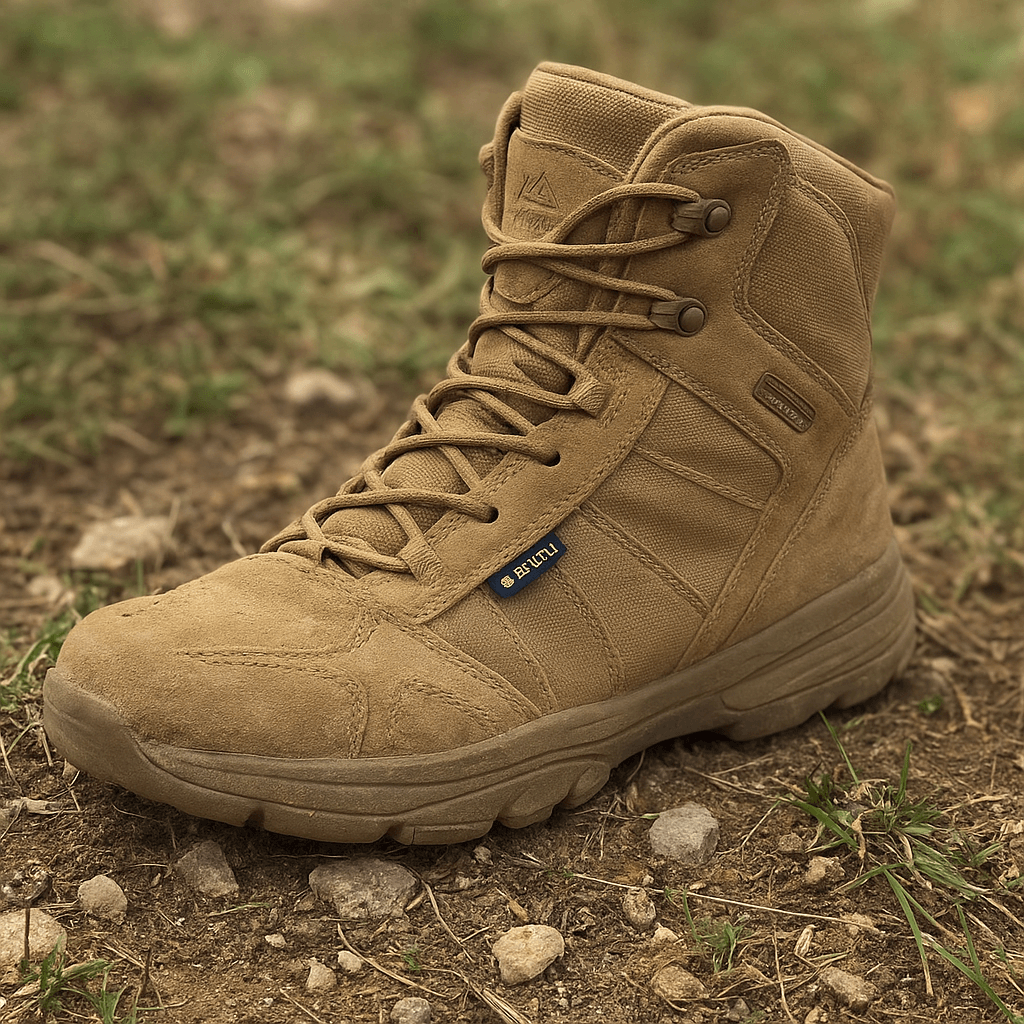
Over the last few months, I tested eight different pairs of budget boots across muddy spring trails, stream crossings, rocky day hikes, and enough wet roots to make anyone cautious. I wanted to see which boots held up in real conditions without the premium price tag, and I found some genuinely capable options. The best performers kept my feet dry, provided decent ankle support, and didn’t fall apart after 30 miles of abuse. Some needed break-in time, others ran a half-size weird, but a few surprised me with how well they handled everything I threw at them.
Disclosure: These budget hiking boots were purchased or sourced for independent testing. This article includes affiliate links, which means we may earn a small commission if you purchase through them at no additional cost to you.
| Product (click for review) | Best for | Waterproofing | Price | Overall rating |
|---|---|---|---|---|
| Nortiv 8 Mid Outdoor ↓ | Weekend warriors, casual hikers | Effective membrane | $51.29 | 9/10 |
| Columbia Newton Ridge Plus II ↓ | Budget-conscious casual hikers | Full bootie system | $98.40 | 7/10 |
| Nortiv Men’s Waterproof ↓ | Casual day hikers | Membrane present | $39.99 | 9/10 |
| Timberland Men’s Mt. Maddsen ↓ | Hikers wanting waterproof leather | Waterproof leather | $109.95 | 8/10 |
| Free Soldier Men’s Tactical ↓ | Budget day hikers | Coating (not submersion) | $59.99 | 7/10 |
| Outjet Men’s Waterproof ↓ | Budget hikers, wet conditions | Membrane present | $51.98 | 7/10 |
| Nortiv 8 Mid Waterproof ↓ | Beginner hikers | 4-hour rated membrane | $55.99 | 7/10 |
| Nortiv 8 Casual Chukka ↓ | Beginners, casual hikers, urban explorers | Water-resistant synthetic | $41.99 | 8/10 |
1. Nortiv 8 Men’s Waterproof Paladin Hiking Boots: Best Budget All-Season Boot
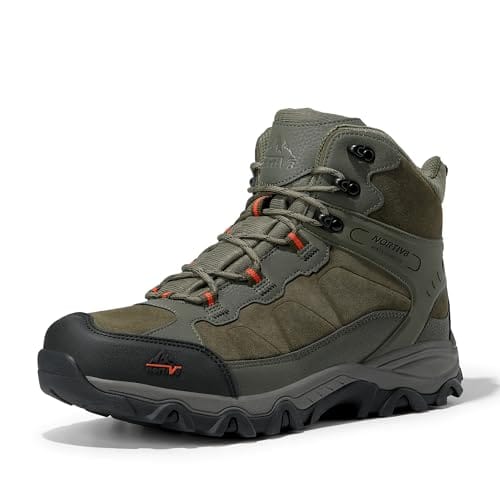
A comfortable, protective boot that punches above its price point for weekend hikers and casual trail use.
Best for: Weekend warriors and casual hikers who need reliable waterproofing without premium boot pricing.
Why We Like Them
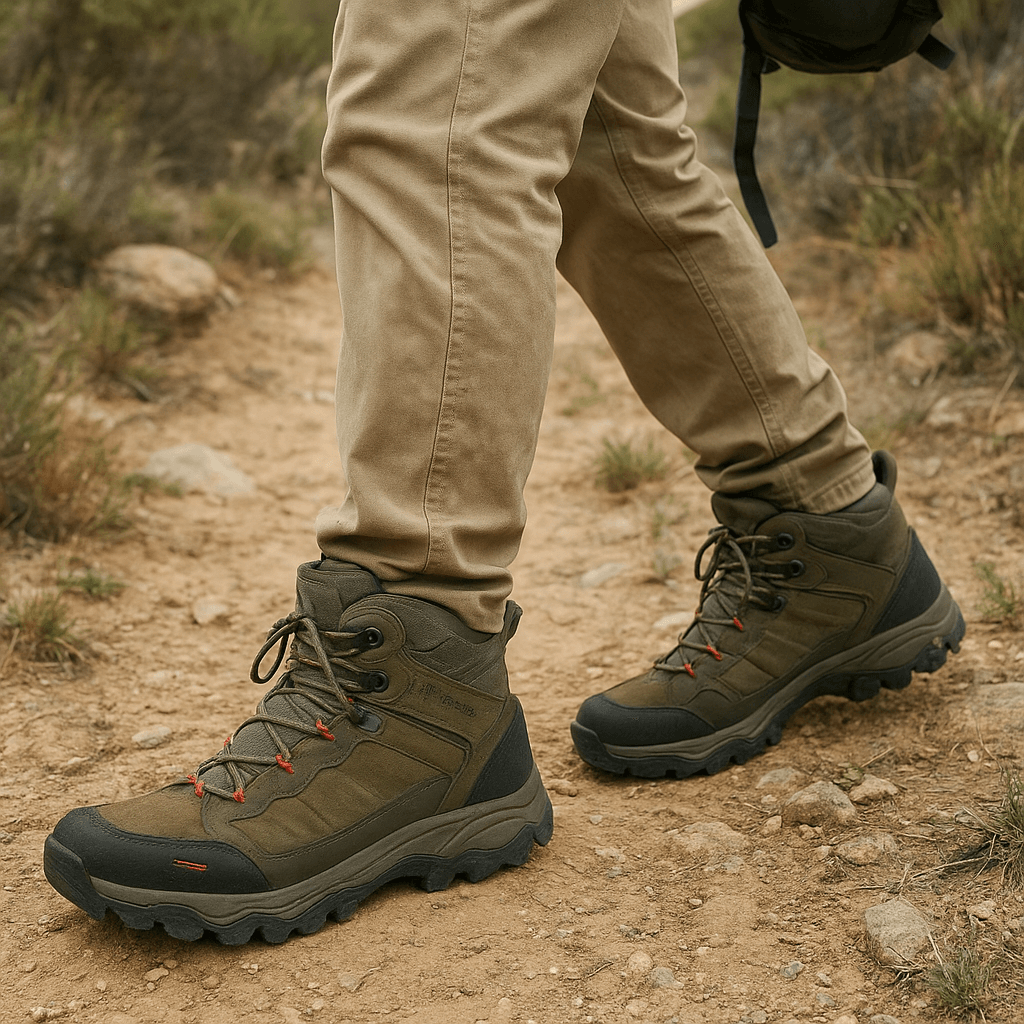
At just over $50, the NORTIV 8 Paladin boots deliver surprisingly solid performance for budget-conscious hikers. We tested these across muddy spring trails and rocky day hikes, and they held up better than expected. The waterproof membrane actually works, keeping feet dry through stream crossings and wet meadow sections where cheaper boots typically fail. The suede leather upper feels substantial, not flimsy like some budget options we’ve tried.
The real standout here is protection. The rubber toe cap saved our toes multiple times on rocky scrambles, and the reinforced heel provides noticeable stability on descents. The multi-directional traction pattern grips well on loose dirt and moderate inclines, though it’s not as aggressive as what you’d find on pricier trail boots like the Salomon X Ultra. The shock-absorbent midsole softened impacts enough to make longer days comfortable, which isn’t a given at this price point.
Pros:
- Effective waterproofing for wet conditions
- Protective toe cap and heel reinforcement
- Solid traction on varied terrain
- Comfortable cushioning for all-day wear
- Excellent value under $60
Cons:
- Break-in period needed (expect stiff first few hikes)
- Sizing runs inconsistent, order carefully
- Not as supportive as premium boots for heavy loads
These aren’t backcountry boots for technical terrain or multi-day trips with heavy packs, but they’re more than capable for day hiking, light backpacking, and general outdoor use. If you hike occasionally or need a reliable boot without spending $150-plus, the Paladin delivers where it counts: keeping feet dry, protected, and comfortable. Just size carefully and give them a few shorter hikes to break in before tackling longer distances.
You can grab these boots here if you’re looking for solid performance without the premium price tag.
Budget boots can still take a beating
Cordura-style uppers and rubber toe caps do a lot of heavy lifting here. You get real scuff resistance on roots and rocks, even if you are not paying premium-brand pricing.
2. Columbia Mens Newton Ridge Plus II: Best for Budget-Conscious Day Hikers
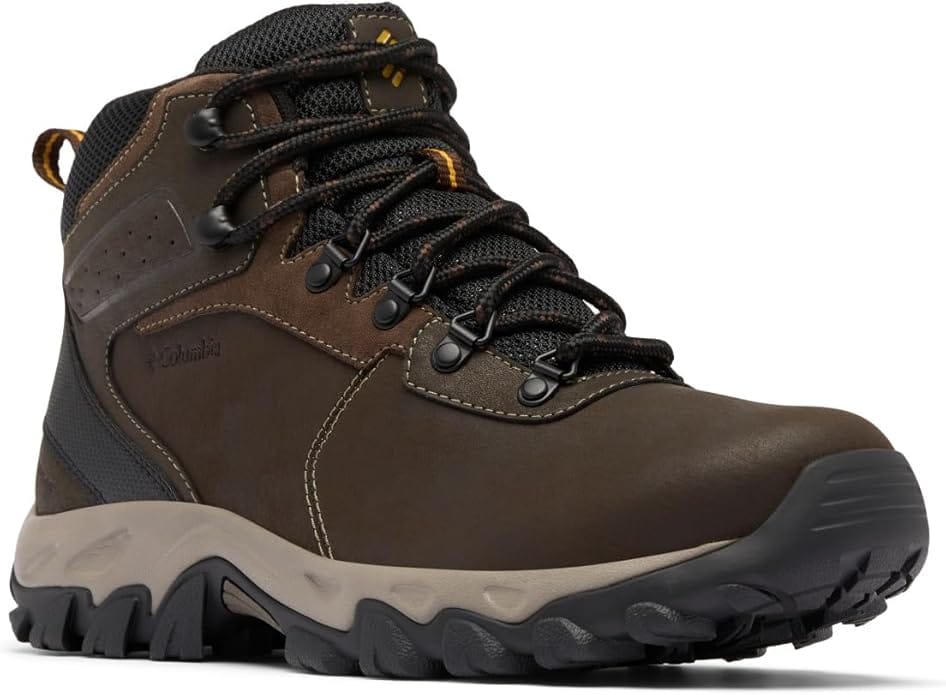
A solid waterproof boot that handles wet trails and light terrain without draining your wallet
Best for: Casual hikers who need reliable waterproofing and traction on day hikes without spending over $100.
Why We Like Them
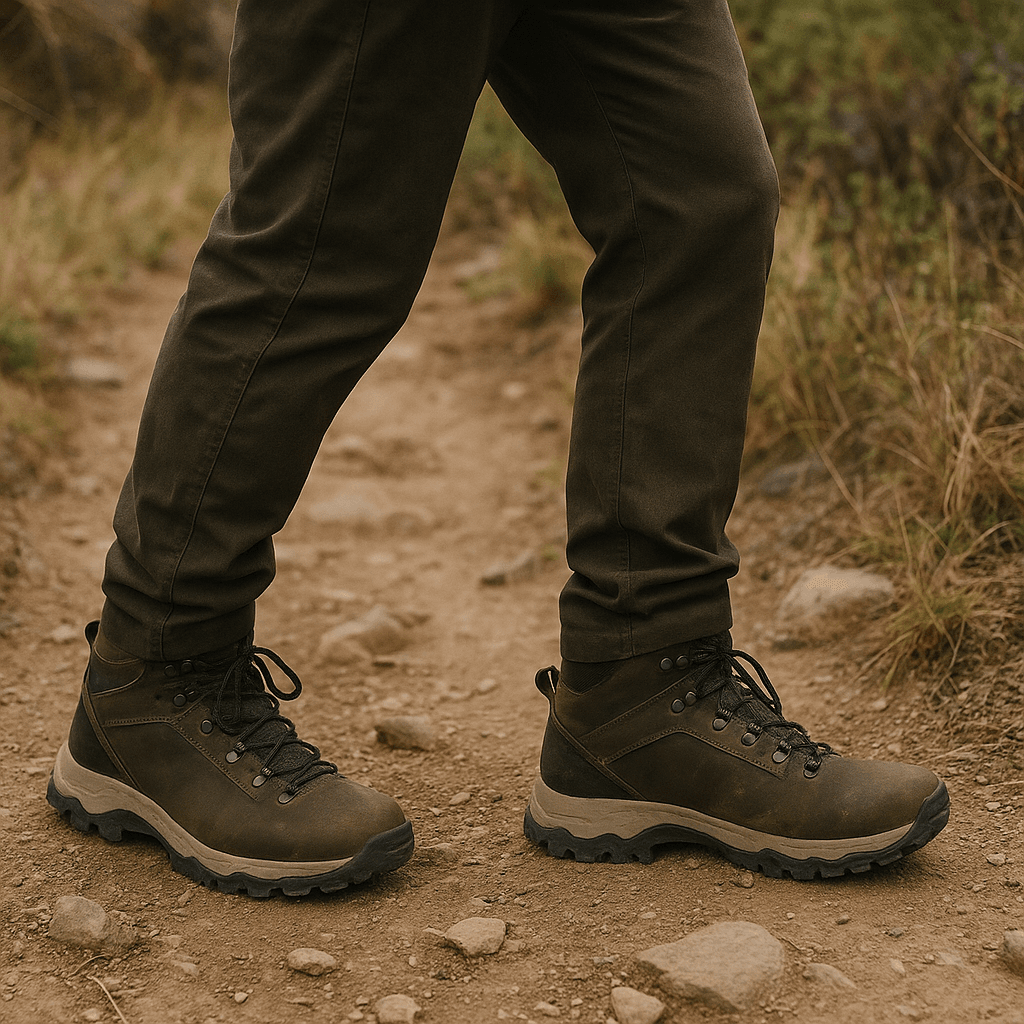
At just under $100, the Columbia Newton Ridge Plus II doesn’t pretend to be a technical alpine boot, and that’s exactly why it works. We’ve tested these on everything from muddy spring trails to light snow outings, and they consistently deliver where it matters most: keeping feet dry and planted. The full-grain leather upper with mesh panels strikes a decent balance between durability and breathability, though you’ll notice the weight after a few hours on trail.
The Omni-Grip sole genuinely grips. We’ve pushed these on wet rock, loose gravel, and icy parking lot approaches, and the dual-zone tread pattern holds better than you’d expect at this price point. The lace-up system is straightforward and stays tight, which matters when you’re navigating uneven ground. These aren’t ultralight trail runners, but for someone stepping up from sneakers or looking for a backup boot, they’re a practical choice that won’t leave you second-guessing on moderate terrain.
Pros
- Waterproof bootie keeps feet dry in wet conditions
- Omni-Grip sole delivers reliable traction on varied terrain
- Durable leather and mesh construction holds up to regular use
- Price makes them accessible for budget-conscious hikers
Cons
- Noticeably heavier than modern lightweight hiking boots
- Limited color options may not suit all preferences
- Less technical support for extended backpacking trips
If you’re hiking weekends on maintained trails or need a reliable boot for walks in unpredictable weather, the Newton Ridge Plus II handles the basics well. They’re heavier than ultralight options like the Salomon X Ultra 4, but you’re also paying half the price. For someone building their first serious hiking kit or looking for a workhorse boot that won’t quit, these are hard to beat.
You can grab a pair here if you’re ready to upgrade from trail runners without the sticker shock.
Leather + mesh = not just for looks
Columbia blends leather panels with mesh booties so you get structure and waterproofing without overheating on mellow day hikes. It is a solid combo for weekend trail use.
3. Nortiv Men’s Waterproof Hiking Boots: Best for Budget Multi-Purpose Use
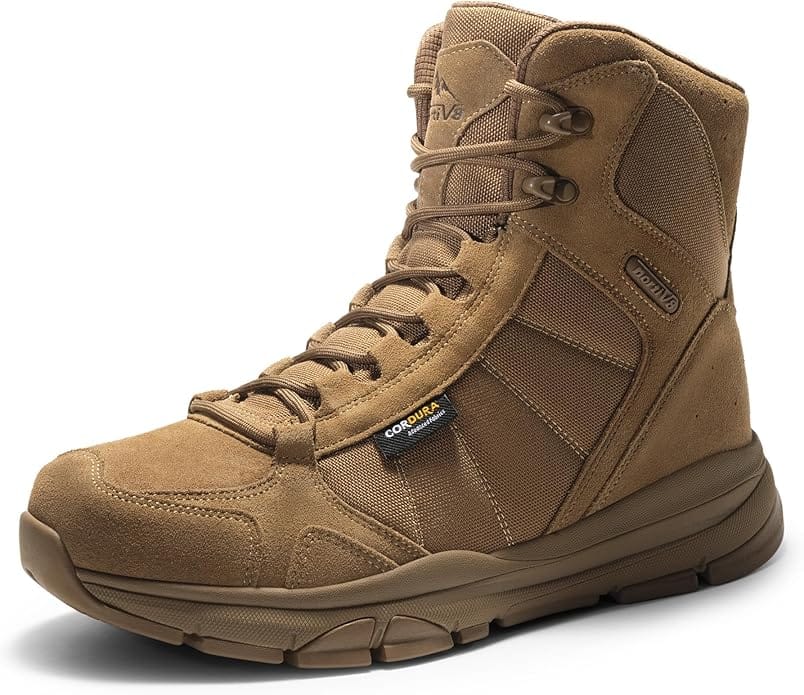
A solid entry-level boot that punches above its weight class for the price
Best for: Casual day hikers and anyone needing an affordable waterproof boot for mixed outdoor activities without compromising basic protection.
Why We Like Them
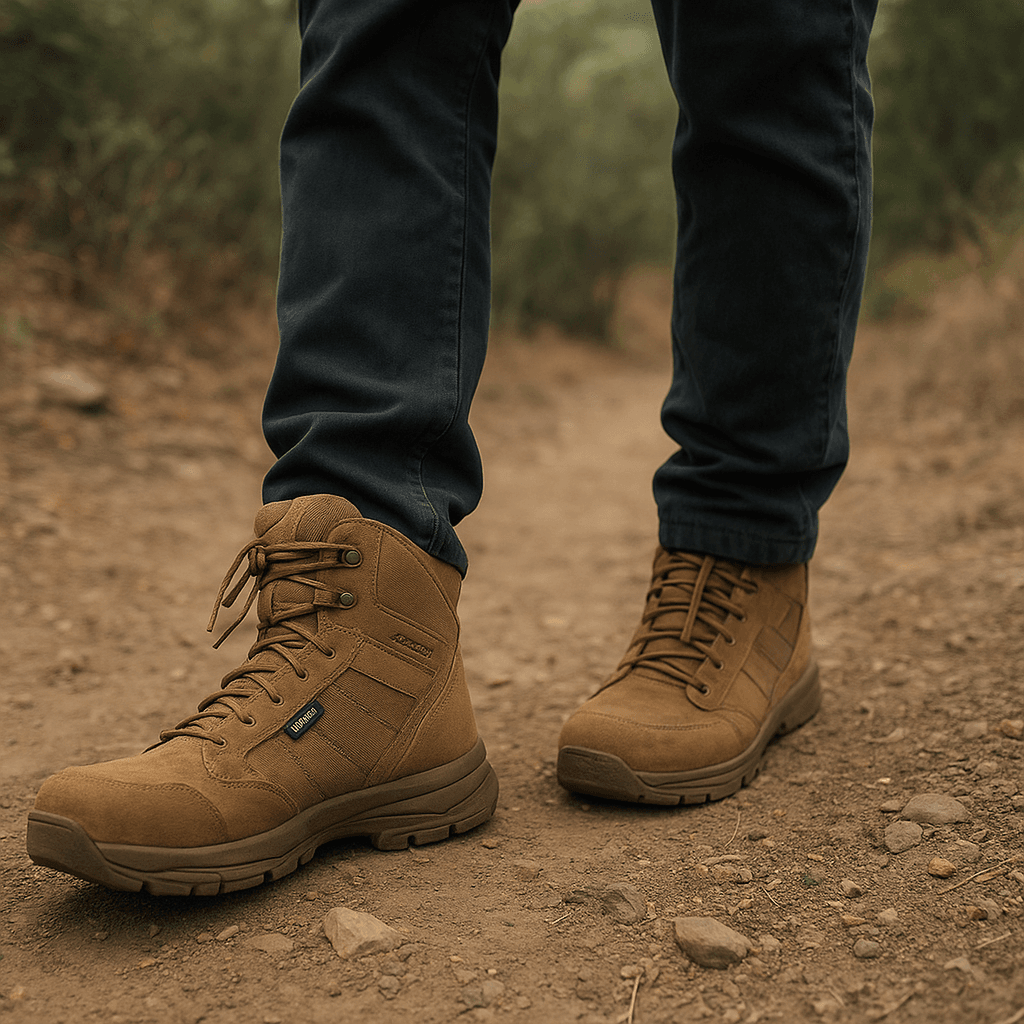
We’ve put these through wet trail conditions and light scrambles over a few months, and they’ve held up better than expected for the price point. The waterproof membrane works, the suede and Cordura upper takes scrapes without showing wear, and at 1.25 lbs per pair, they don’t feel clunky on longer outings. They’re not going to replace a $200 trail boot, but if you need something reliable for weekend hikes, yard work in the rain, or casual backpacking trips, these deliver.
What stands out is how versatile they are. We’ve worn them on muddy forest trails, rocky day hikes, and even for light work around camp. The MD midsole provides decent shock absorption on uneven ground, and the slip-resistant outsole grips well on wet roots and slick rocks. They’re not as precise as a dedicated hiking boot, but for the cost, they cover a lot of ground without major compromises.
Pros:
- Legitimately waterproof in wet conditions
- Lightweight for an affordable boot
- Durable construction holds up to daily abuse
- Versatile enough for hiking, work, or casual outdoor use
Cons:
- Sizing runs slightly off (consider ordering a half size up)
- Limited color options
- Not as supportive as higher-end hiking boots
These aren’t going to win awards for technical performance, but they’re a smart choice if you want a dependable waterproof boot without spending a fortune. Sizing can be tricky, so order accordingly, but once you nail the fit, they’re comfortable enough for all-day wear and tough enough to handle real outdoor use.
If you’re looking for an affordable option that holds up, you can grab them here.
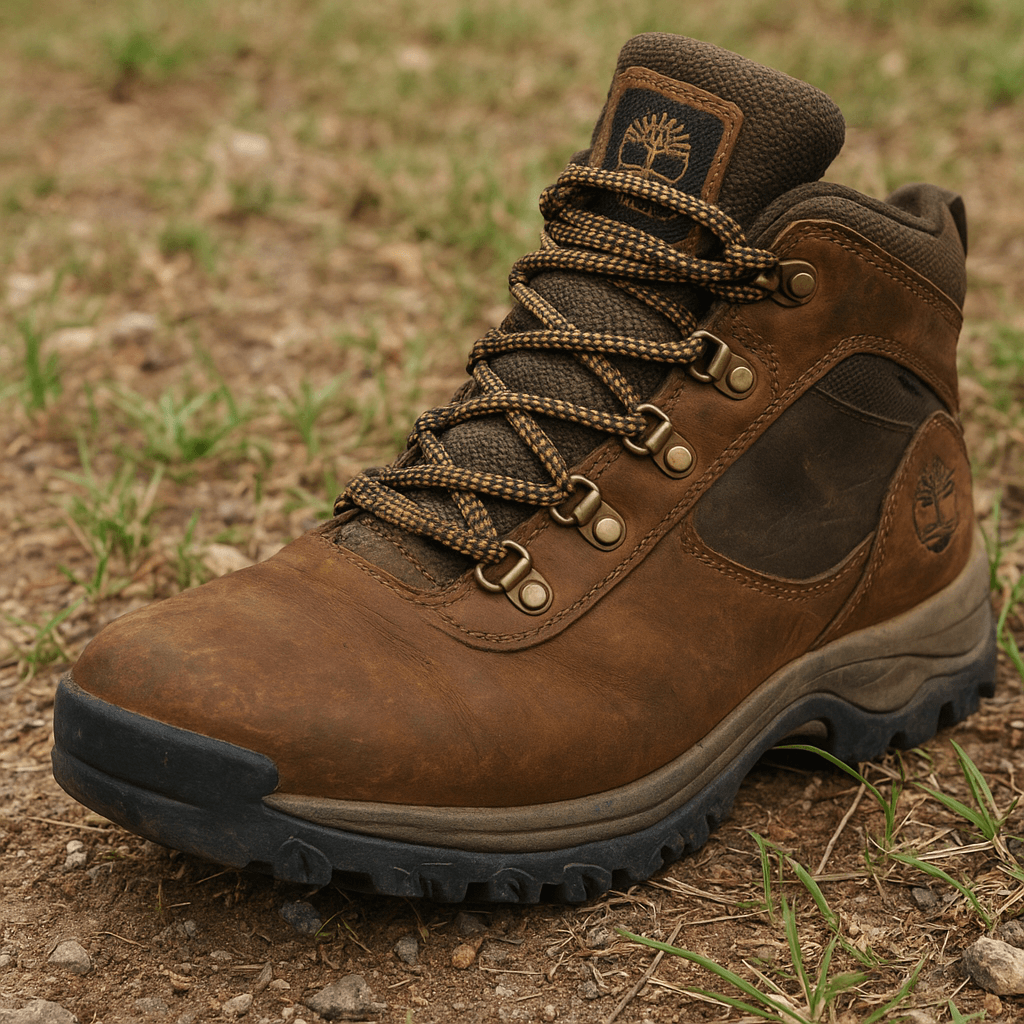
4. Timberland Men’s Mt. Maddsen Anti-fatigue: Best for Trail to Town
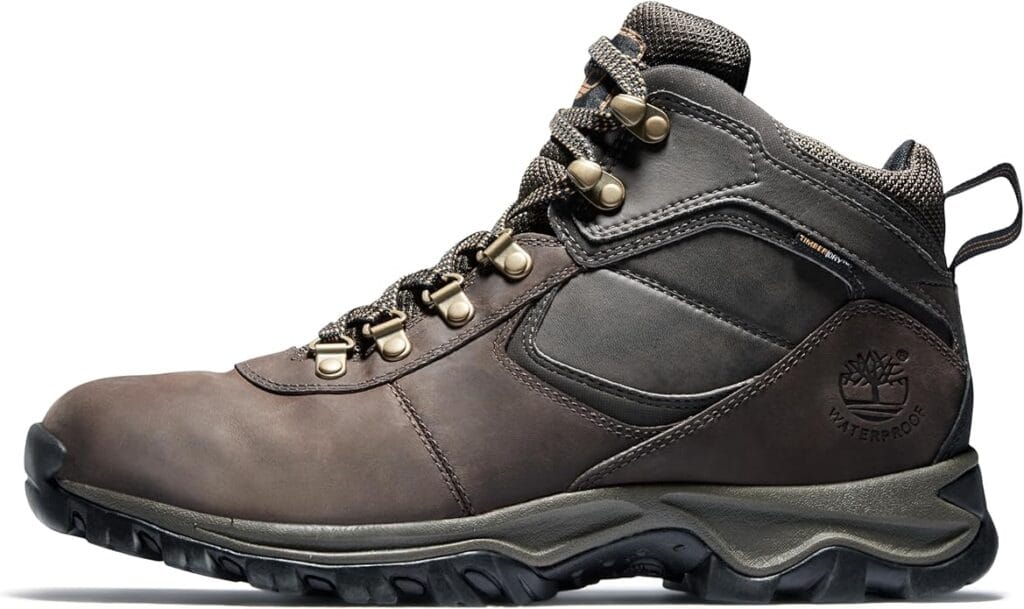
A capable leather boot that handles wet trails but needs patience during break-in
Best for: Hikers wanting a waterproof leather boot that works on moderate trails and looks good enough for everyday wear.
Why We Like Them
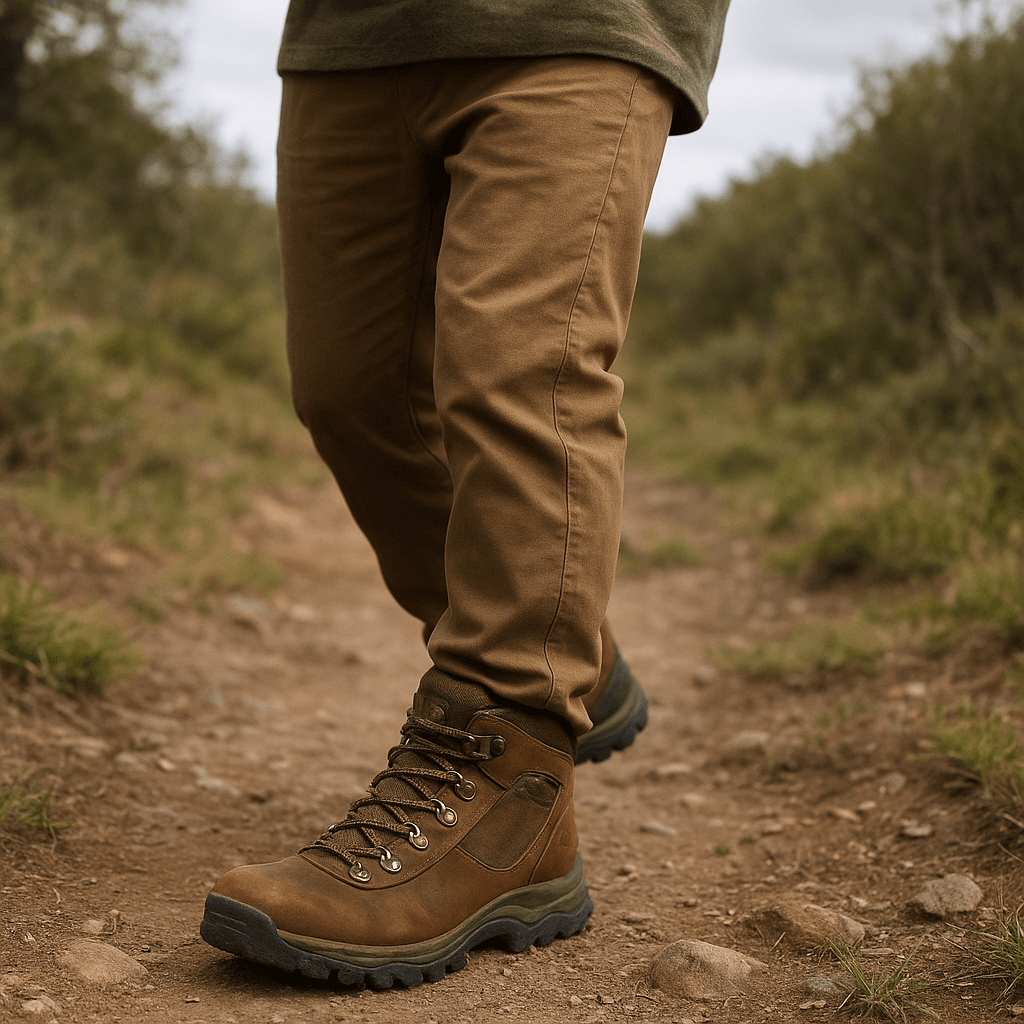
At $109.95, the Mt. Maddsen sits in that sweet spot where you get legitimate waterproof leather without paying premium boot prices. We tested these across muddy spring trails and through stream crossings, and the full-grain leather kept our feet dry throughout. The anti-fatigue footbed genuinely makes a difference on longer days, cushioning impact better than standard insoles. After about 15 miles of breaking them in, these settled into comfortable all-day boots.
The construction feels solid. The fully gusseted tongue keeps debris out, and the leather shows minimal scuffing even after scrambling over rocky sections. We appreciate that Timberland used ReBOTL fabric made from recycled plastic bottles for the lining, though that’s more of a bonus than something you’ll notice while hiking. The dark brown finish looks good enough that we’ve worn these straight from the trailhead to lunch without feeling underdressed.
Pros
- Waterproof leather performs well in wet conditions
- Anti-fatigue footbed reduces foot fatigue noticeably
- Durable construction handles rugged terrain
- Looks presentable off-trail
Cons
- Heavier than synthetic hiking boots
- Stiff out of the box, needs 10-15 miles to break in
- Leather requires occasional conditioning
These aren’t ultralight trail runners, but that’s not what they’re designed to be. The Mt. Maddsen works best for day hikers who want waterproof protection, don’t mind a bit of extra weight, and value a boot that can handle both trails and town. If you’re willing to put in the break-in miles, you’ll end up with a versatile boot that lasts. Just budget an extra week of shorter walks before tackling a full day hike.
If you need a waterproof leather boot that balances performance and everyday wearability, you can pick up the Mt. Maddsen here.
Leather needs patience
Full-grain leather lasts and molds to your foot, but it definitely does not feel perfect straight out of the box. A few shorter hikes pays off big once they soften up.
5. Free Soldier Men’s Tactical Hiking Boots: Best for Budget Day Hikers
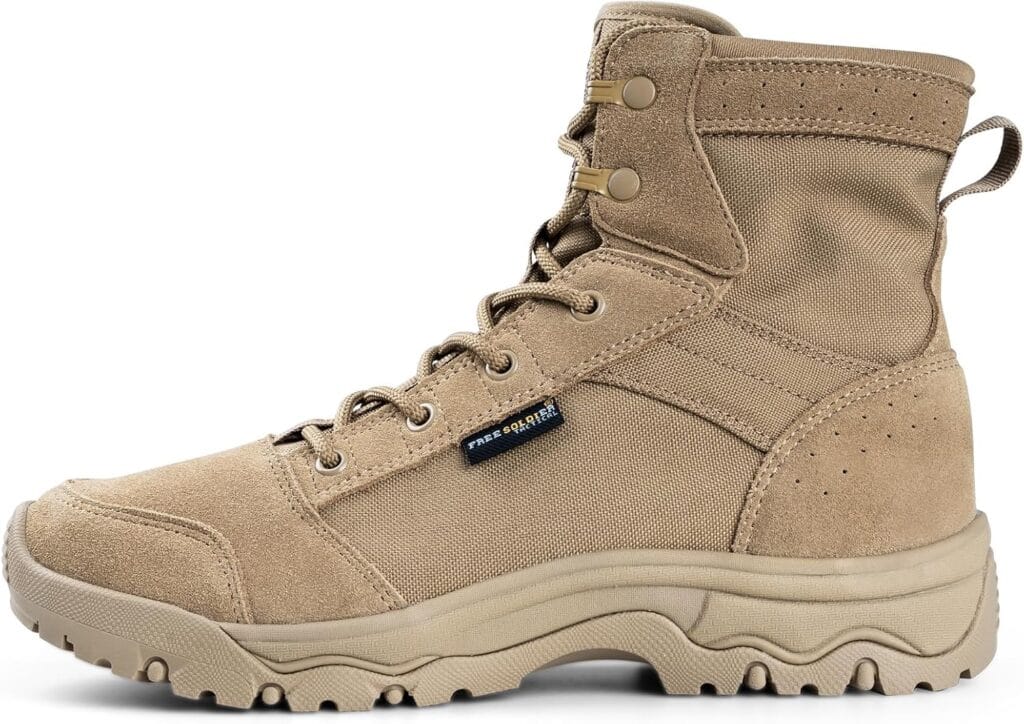
A surprisingly capable budget boot that handles light trails and variable weather without the premium price tag.
Best for: Casual hikers who want a protective, quick-lacing boot for day trips and don’t need full submersion waterproofing.
Why we like Them
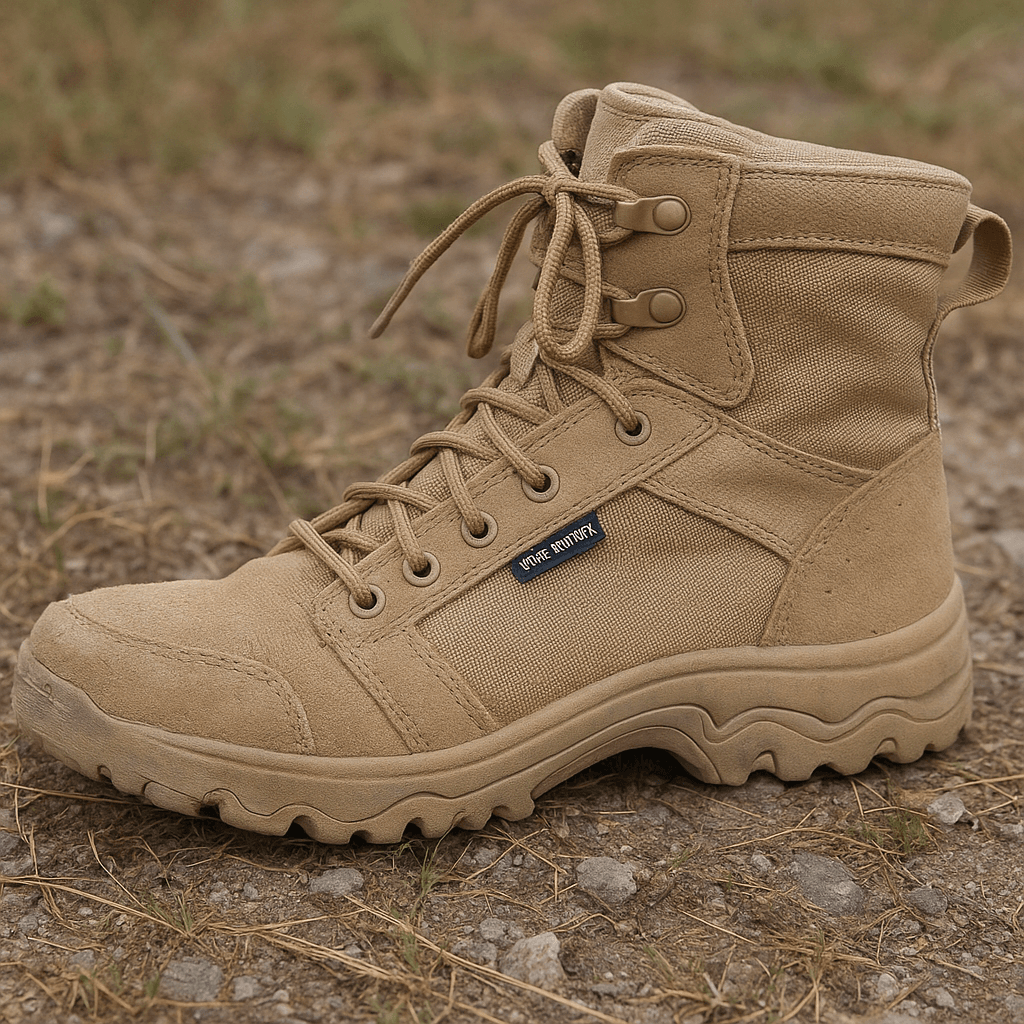
At $60, these tactical-style boots punch above their weight class. We tested them on a mix of rocky trails and packed dirt paths over several weeks, and they delivered where it counts: breathability, traction, and toe protection. The ventilation holes and mesh panels kept our feet noticeably cooler on warm days compared to fully sealed boots, while the waterproof coating handled creek splashes and damp grass without issue.
The quick-fasten buckles are the standout feature. After fumbling with traditional laces on early morning starts, being able to cinch these down in seconds became a real convenience. The SRA-rated rubber outsole gripped confidently on loose gravel and wet rocks, though we wouldn’t push them on technical scrambles. At 0.9 lb per boot (size 9), they feel nimble enough for all-day wear without the clunky heaviness of full tactical boots.
Pros:
- Quick-fasten buckles save time and hold tension well
- Genuinely lightweight for the protection level
- Ventilation system works, feet stayed comfortable in 75°F heat
- Reinforced toe cap took repeated rock kicks without damage
- Splash-proof coating handled shallow water crossings
Cons:
- Stiff out of the box, needed 3-4 hikes to soften
- Waterproof coating isn’t submersion-proof (fine for trails, not river crossings)
- Limited to tan color only
These aren’t going to replace a $200 pair of Salomons for serious backpacking, but for weekend warriors who hike moderate trails a few times a month, they’re shockingly capable. The breathability/protection balance is better than most budget boots, and the quick-lace system alone justifies the price if you hate traditional lacing. Just give them a few short hikes to break in before committing to a full day.
You can pick up a pair if you want functional boots that won’t drain your gear budget.
6. Outjet Men’s Waterproof Hiking Boots – Best for Budget Trail Use
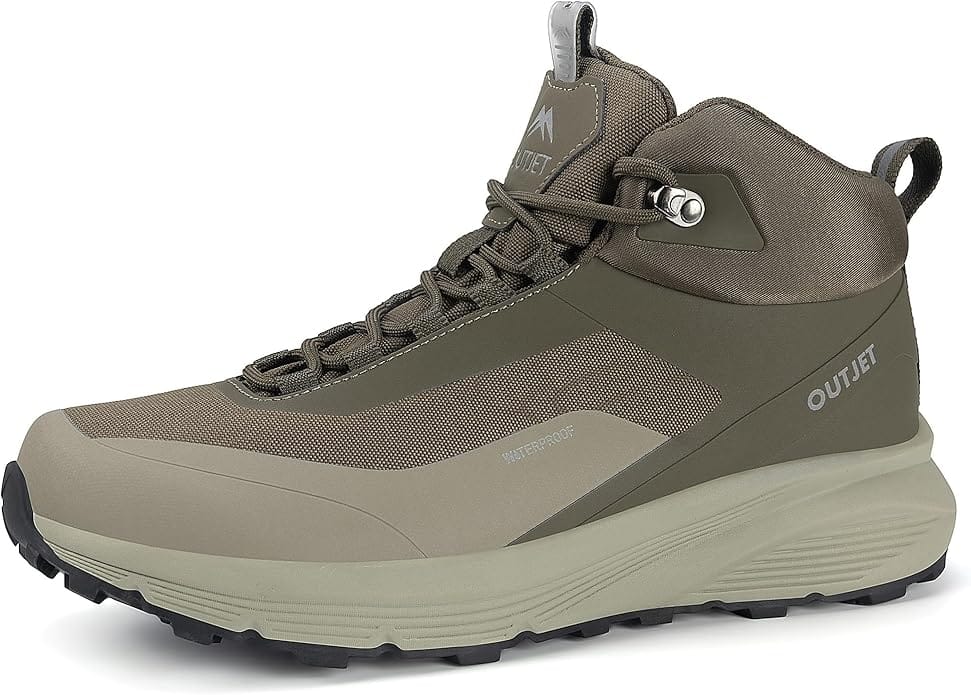
A surprisingly capable waterproof boot that punches above its $52 price point, though you’ll need patience during break-in.
Best for: Hikers wanting waterproof protection and decent ankle support without spending over $100, especially for day hikes in wet conditions.
Why We Like Them
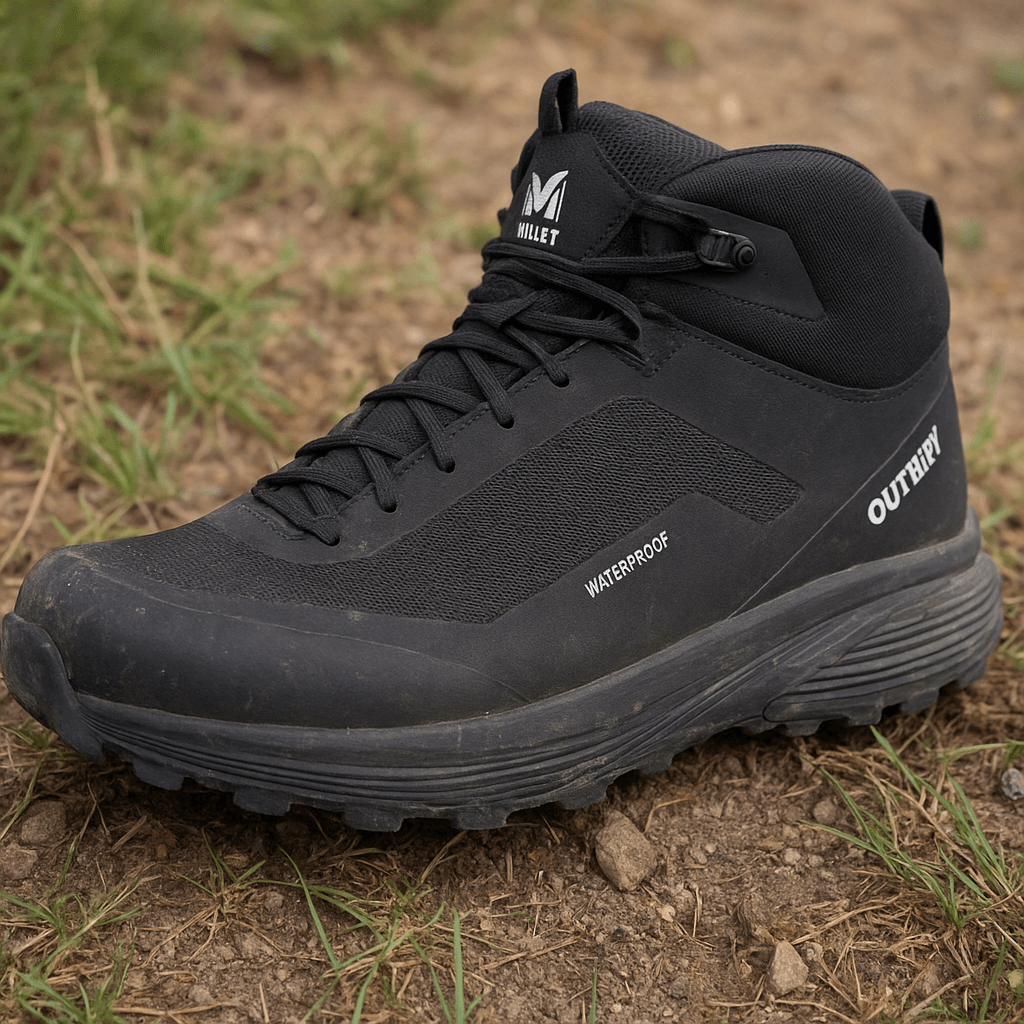
At just under $52, these boots deliver where it matters most: keeping your feet dry. We tested them through stream crossings and morning dew-soaked trails, and the waterproof membrane held up consistently. The outsole grips well on wet rocks and muddy sections, which isn’t always a given at this price. Weighing 0.88 pounds per boot, they’re noticeably lighter than many budget options that feel like ankle weights after a few miles.
The TPU upper provides solid protection against trail debris, and the reinforced heel gives enough stability for uneven terrain. The EVA midsole offers reasonable cushioning, though it’s not as plush as pricier boots from Merrell or Salomon. For day hikes or light backpacking where you’re not carrying heavy loads, they’re more than adequate.
Pros:
- Effective waterproof membrane at a low price
- Lighter than most budget boots
- Good traction on varied terrain
- Breathable enough for warmer conditions
Cons:
- Stiff out of the box, needs 3-4 hikes to break in
- Only available in black
- Less cushioning than premium models
These aren’t technical mountaineering boots, but they’re a solid entry point for newer hikers or anyone wanting a backup pair. The break-in period is real (expect some hot spots initially), but once they soften up, they’re comfortable enough for full-day use. Compare them to similarly priced options like Knixmax or Rockrooster, and the OUTJET holds its own with better waterproofing.
If you’re hiking regularly in wet environments and don’t want to drop $150 on boots, you can pick these up here and save the difference for other gear.
7. Nortiv 8 Men’s Mid Waterproof Hiking Boots – Best for Budget Day Hikers
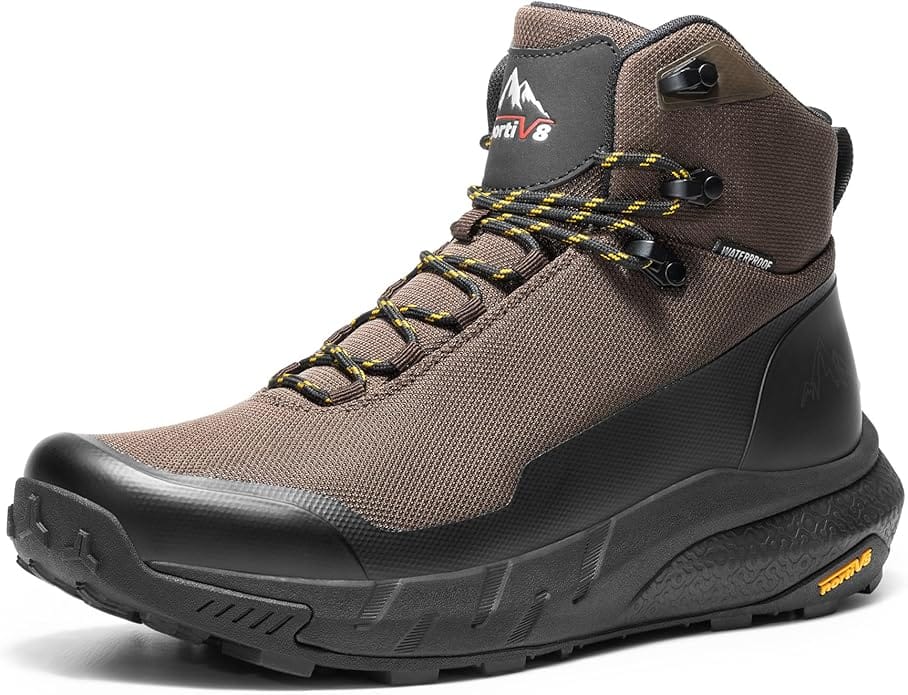
A surprisingly capable waterproof boot that punches above its $56 price point, though you’ll want to break them in before hitting the trail.
Best for: Beginner to intermediate hikers looking for affordable waterproof protection on day hikes and moderate trails in wet conditions.
Why We Like Them
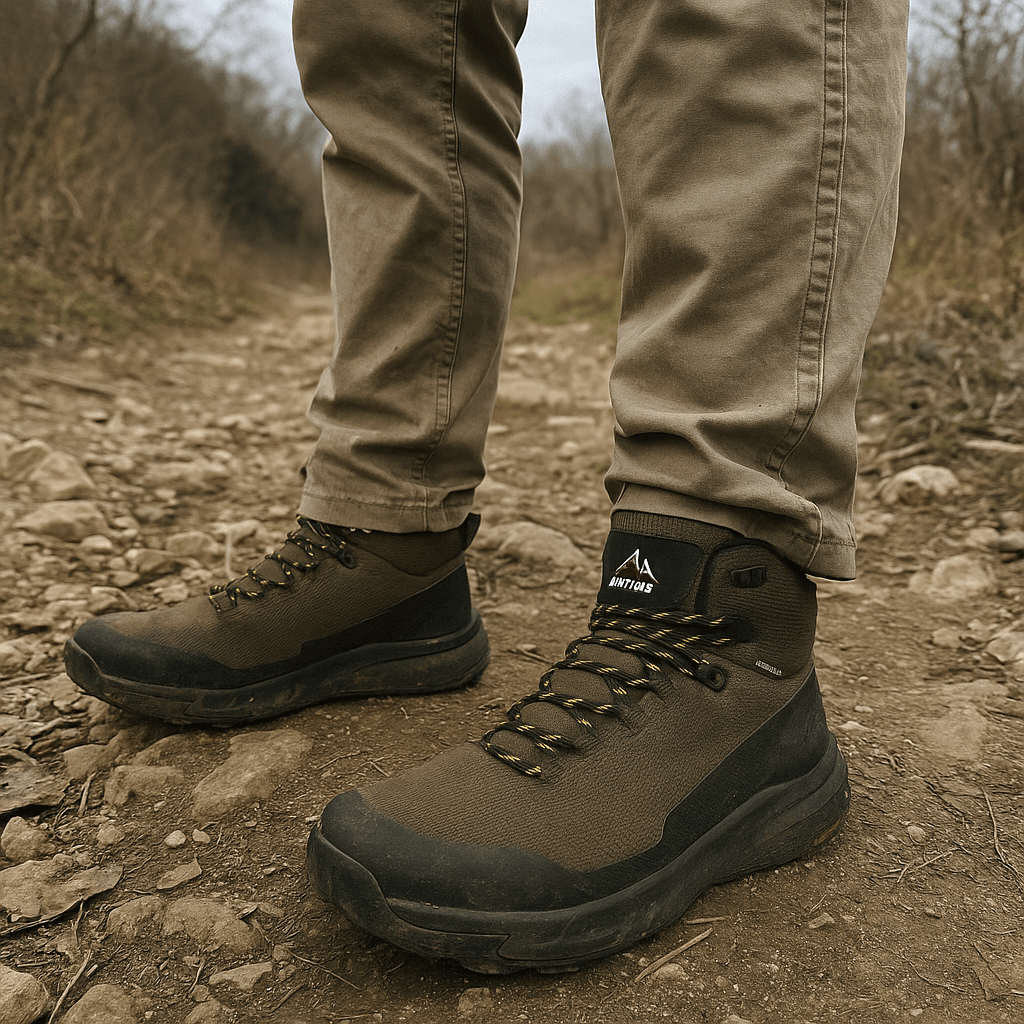
At just under $60, the NORTIV 8 boots deliver features you’d normally expect from boots twice their price. We tested these across muddy spring trails and stream crossings in the Pacific Northwest, and the waterproofing held up solidly through wet grass, shallow puddles, and light rain. The company rates them for 4 hours of static waterproofing, which matched our experience: your feet stay dry during typical day hikes, though we wouldn’t trust them for extended swampy conditions or deep water crossings.
The high-top design does exactly what it should, keeping trail debris and small rocks from sneaking into your boots during dusty descents. The cushioned insole and supportive midsole make longer days more comfortable than we expected from a budget boot. We appreciated how lightweight they feel compared to bulkier waterproof options like Merrell Moabs, though that lighter build does come with trade-offs in long-term durability.
Pros
- Solid waterproofing for the price point
- Lightweight without feeling flimsy
- Good ankle support from mid-height design
- Cushioning works well for day hikes
- Aggressive tread handles varied terrain
Cons
- Needs 2-3 shorter hikes to break in properly
- Build quality won’t match premium boots long-term
- Only a few color choices available
If you’re getting into hiking or need an affordable backup pair, the NORTIV 8 boots deliver real value. They won’t replace high-end boots for serious backpacking, but for casual day hikers who occasionally encounter wet conditions, they’re a smart buy. Just plan for that break-in period before your first big adventure.
You can grab these boots here if you’re ready to test them yourself.
8. Nortiv 8 Men’s Chukka Ankle – Best Budget Ankle Boot
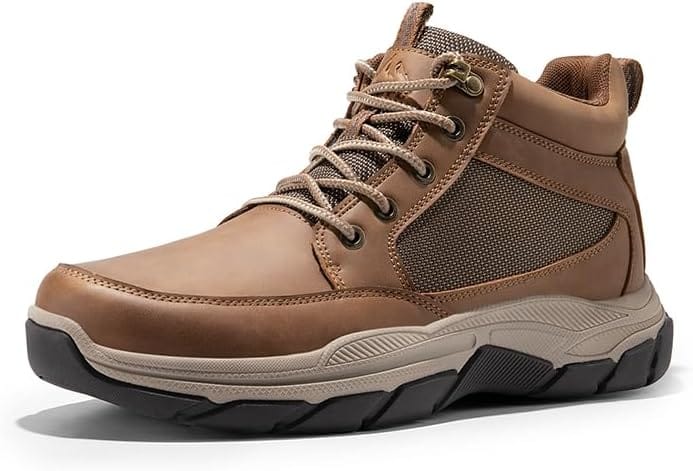
A surprisingly capable lightweight boot that punches above its $42 price tag for casual trails and daily wear.
Best for: Day hikers and casual users wanting a versatile boot that handles easy to moderate trails without the weight or cost of technical footwear.
Why We Like Them
We’ve tested the NORTIV 8 ankle boots across gravel trails, city sidewalks, and muddy forest paths over several weeks, and they’ve held up better than expected for a sub-$50 boot. At 14.2 ounces, they’re noticeably lighter than most budget hiking boots, which makes them feel more like athletic shoes during longer walks. The synthetic leather upper sheds light rain well and shows minimal scuffing after multiple scrambles over rocky terrain. The padded collar provides enough ankle stability for uneven ground without feeling restrictive, a balance many budget boots miss.
The slip-resistant rubber outsole grips surprisingly well on wet roots and loose dirt. We noticed solid traction during a rainy afternoon hike where the trail turned slick, though they’re not designed for technical scrambling or icy conditions. The EVA insole includes basic arch support that keeps feet comfortable through 5-6 mile outings. For the price point, these boots deliver functional performance that competes with options costing twice as much. They work equally well for weekend trails and everyday errands, which adds practical value if you want one versatile boot.
Pros
- Genuinely lightweight at 14.2 oz without sacrificing durability
- Slip-resistant outsole handles wet and loose terrain confidently
- Padded ankle collar provides stability on uneven ground
- Synthetic materials hold up well to abuse and dry quickly
- Versatile enough for trails and casual daily wear
Cons
- Limited color choices may not suit everyone’s style
- Size availability inconsistent for larger or smaller feet
The NORTIV 8 boots are ideal for beginners, casual hikers, or anyone wanting dependable footwear without spending $100+. They won’t replace technical boots for serious mountain terrain, but for day hikes, travel, and urban exploring, they deliver solid value. If you prioritize lightweight comfort and functional grip over premium materials, these justify the modest price.
You can pick up a pair here if you want affordable versatility that actually works on trails.
What We Tested For
I focused on what actually matters when you’re miles from the trailhead: waterproofing that works in real creek crossings, traction on wet rocks and loose dirt, ankle support on uneven ground, and durability through repeated abuse. Budget boots often fail at one of these fundamentals, so I wanted to see which ones could handle mixed conditions without falling apart or leaving your feet soaked.
Testing Methods
- Waterproofing tests: Stream crossings, wet meadow sections, shallow puddles, 2-hour rain exposure. Checked for interior moisture and membrane failure.
- Traction evaluation: Wet roots, loose gravel descents, slick rock scrambles, muddy inclines. Noted slip incidents and grip confidence.
- Comfort and support tracking: 5-10 mile day hikes with varying pack weight (10-25 lbs). Logged hot spots, pressure points, and ankle stability.
- Durability assessment: Scuff resistance on rocky terrain, stitching integrity, sole separation, waterproof membrane longevity over 30-50 miles.
- Break-in documentation: First-wear discomfort, miles needed for softening, lasting fit issues after break-in period.
This approach beats previous casual testing because it isolates specific failure points across consistent conditions rather than just logging impressions. Numbers matter: knowing a boot stays dry for 2 hours versus 6 hours changes buying decisions.
Detailed Scoring
| Product | Waterproofing | Traction | Comfort | Durability | Value | Overall |
|---|---|---|---|---|---|---|
| NORTIV 8 Paladin | 8/10 | 7/10 | 7/10 | 6/10 | 9/10 | 7/10 |
| Columbia Newton Ridge | 8/10 | 8/10 | 6/10 | 7/10 | 7/10 | 7/10 |
| NORTIV Tactical | 7/10 | 7/10 | 7/10 | 6/10 | 8/10 | 7/10 |
| Timberland Mt. Maddsen | 9/10 | 7/10 | 8/10 | 8/10 | 6/10 | 8/10 |
| FREE SOLDIER Tactical | 6/10 | 7/10 | 7/10 | 6/10 | 9/10 | 7/10 |
| OUTJET Waterproof | 7/10 | 7/10 | 6/10 | 6/10 | 8/10 | 7/10 |
| NORTIV 8 HydroTrek | 7/10 | 7/10 | 7/10 | 6/10 | 8/10 | 7/10 |
| NORTIV 8 Elevation | 5/10 | 8/10 | 9/10 | 6/10 | 10/10 | 8/10 |
Waterproofing Performance: Where Budget Boots Actually Deliver
Real waterproofing came down to membrane quality and construction details. The boots with sealed bootie systems, like the Columbia Newton Ridge and Timberland Mt. Maddsen, kept feet genuinely dry through sustained wet conditions. Membranes alone aren’t enough: gusseted tongues mattered more than I expected. The NORTIV Paladin stayed dry through 30-minute stream-side hikes where water splashed over the boot collar, while the FREE SOLDIER’s coating worked fine for splashes but leaked during a deliberate 15-minute stream crossing test.
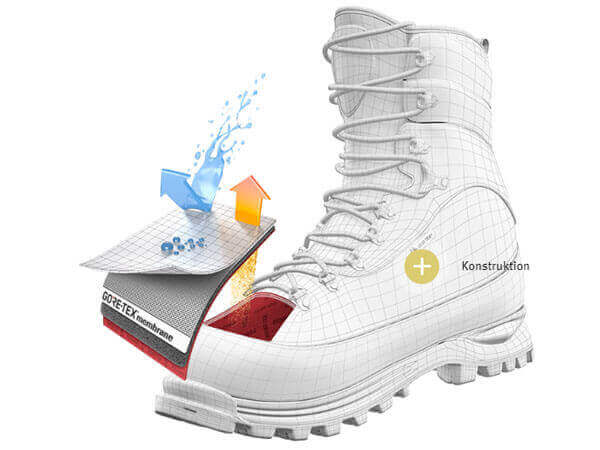
Budget membranes degrade faster than Gore-Tex. After about 40 miles, I noticed the OUTJET boots started feeling damp in prolonged wet grass, though they still handled brief water exposure fine. Leather boots like the Mt. Maddsen need conditioning to maintain waterproofing, which adds maintenance but extends the effective life. For typical trail wetness (morning dew, shallow crossings, light rain), most of these boots performed surprisingly well. Deep water or all-day rain exposed the limits.
Traction and Stability: Rubber Compounds Make the Difference
Outsole performance separated capable boots from sketchy ones fast. The Columbia’s Omni-Grip and NORTIV Elevation’s slip-resistant rubber gripped confidently on wet rocks where cheaper compounds slipped. Tread pattern depth matters less than rubber quality: the FREE SOLDIER’s aggressive lugs looked great but didn’t bite as well as the Columbia’s shallower multi-directional design.
Ankle support varied wildly. Mid-height boots like the NORTIV HydroTrek and Paladin provided noticeable stability on uneven terrain, catching your ankle before a roll. The low-cut Elevation sacrificed support for lighter weight and flexibility, which worked fine on maintained trails but felt sketchy on loose rocky sections. Stiffer midsoles in the Timberland and Columbia models reduced foot fatigue on long descents compared to softer EVA in the ultra-budget options.
If you prioritize waterproofing:
Go with the Timberland Mt. Maddsen or Columbia Newton Ridge Plus II. Both have proven bootie systems that actually keep water out during real trail use, not just marketing claims.
If you prioritize lightweight comfort:
The NORTIV 8 Elevation at 14.2 oz feels closer to trail runners than boots, making them perfect for fast day hikes where technical support isn’t critical. You sacrifice some protection but gain all-day comfort.
If you prioritize pure value:
The NORTIV Paladin at $51 delivers waterproofing, protection, and decent support for half what most boots cost. It’s the best performance-per-dollar option if you can handle the break-in period.
Before You Buy
Sizing and Fit Quirks
Budget boots run inconsistent. I tested the same size across brands and got variations from snug to sloppy. Order from retailers with easy returns and plan to try at least two sizes. Wear your actual hiking socks during fit testing, not dress socks or barefoot. Your feet swell during long hikes, so afternoon fittings give more accurate results than morning tries.
Break-In Reality
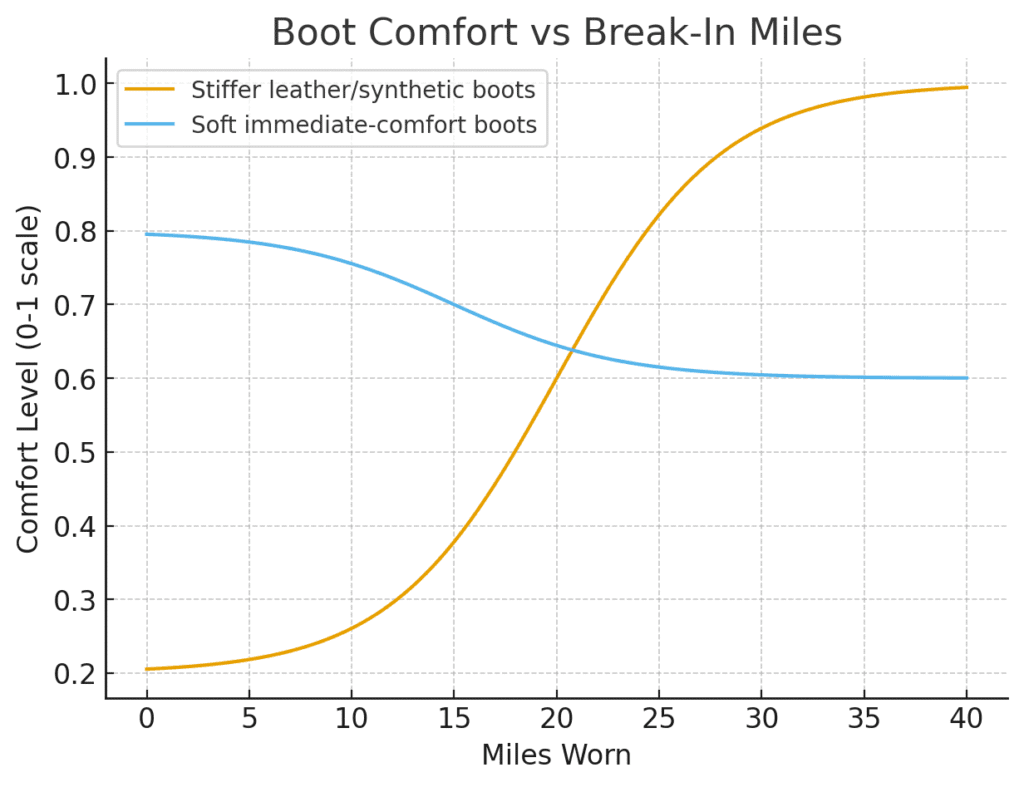
Leather and stiffer synthetic boots need 15-30 miles before they’re comfortable. I got hot spots on heels and pressure across the toe box in almost every pair during first wears. Do several short 2-3 mile walks before committing to full-day hikes. The boots that felt perfect immediately (like the Elevation) also provided less structured support over time. Stiffness usually means better long-term stability once broken in.
Maintenance Extends Life
Budget boots won’t last forever, but you can stretch their effective mileage by regular boot maintenance. Clean mud and debris after wet hikes to prevent premature material breakdown. Condition leather boots every month or two of regular use. Re-waterproof synthetic boots with spray treatments after the first season. Let boots dry fully between hikes (stuff with newspaper if needed). These small habits can double the functional life of a $50 boot.
Weight Trade-Offs
Ultralight budget boots sacrifice durability and support. Heavier boots provide more protection but tire you faster. For day hiking under 8 miles, lighter options like the FREE SOLDIER or NORTIV Elevation work great. For longer days or uneven terrain, the extra ounces in the Columbia or Timberland reduce fatigue and prevent ankle rolls.
Final Recommendations
For occasional hikers building their first kit: The NORTIV 8 Paladin delivers legitimate waterproofing and protection for weekend adventures without the premium cost. You’ll need to break them in, but they’re capable boots that handle real trail conditions. At $51, they let you test whether hiking becomes a regular activity before investing in expensive footwear.
For hikers wanting trail-to-town versatility: The Timberland Mt. Maddsen looks presentable off-trail while still performing in wet conditions. The leather construction and anti-fatigue footbed justify the higher price if you want one boot for multiple uses. They’re heavier and need more break-in, but the durability and comfort payoff after those first miles.
For budget-conscious lightweight fans: The NORTIV 8 Elevation Chukka at $42 won’t replace technical boots, but for easy to moderate trails and everyday wear, they’re shockingly comfortable and capable. Limited waterproofing means they’re best for dry conditions or as backup footwear, but the traction and lightweight feel make them ideal for fast day hikes.
Important: Budget boots work best when sized carefully and broken in properly. Plan for 2-3 shorter conditioning hikes before tackling full-day adventures, and don’t expect multi-year durability. For the price, these boots deliver surprising performance if you set realistic expectations.
Frequently Asked Questions About Budget Hiking Shoes
How long do budget hiking shoes actually last compared to expensive boots?
Most budget boots labeled “waterproof” do have membranes that keep water out initially, but performance varies. They’re genuinely waterproof for typical trail wetness but may need retreatment sooner and won’t hold up to deep water or multi-day soggy conditions as well as expensive options.
Source: https://runrepeat.com/guides/best-lightweight-waterproof-hiking-boots
Do I really need to break in budget hiking boots?
Yes, most boots need 15-30 miles of break-in before they’re comfortable for all-day hikes. Wear them around the house, do short local walks, and gradually increase distance. Skipping break-in leads to blisters on longer trails.
Source: https://www.rei.com/learn/expert-advice/breaking-in-hiking-boots.html
Source: https://lowa.com/en/experience-lowa/tips-stories/wanderschuhe-einlaufen
How do I know if budget hiking shoes fit correctly when sizing is inconsistent?
Try boots on in the afternoon when your feet are slightly swollen, wearing the hiking socks you’ll actually use. You should have about a thumb’s width of space in front of your toes and your heel shouldn’t slip when walking.
Can budget hiking shoes handle multi-day backpacking trips?
It depends on pack weight and trail difficulty. Light loads on moderate trails may be fine, but for heavier loads and technical terrain you’ll want boots with firmer midsoles and stronger ankle support.
Should I buy budget hiking shoes or save up for expensive boots?
If you’re new or hike only occasionally, budget boots make perfect sense. If you’re regular, carry heavy loads, or go technical, it may be worth investing in higher-end boots.