


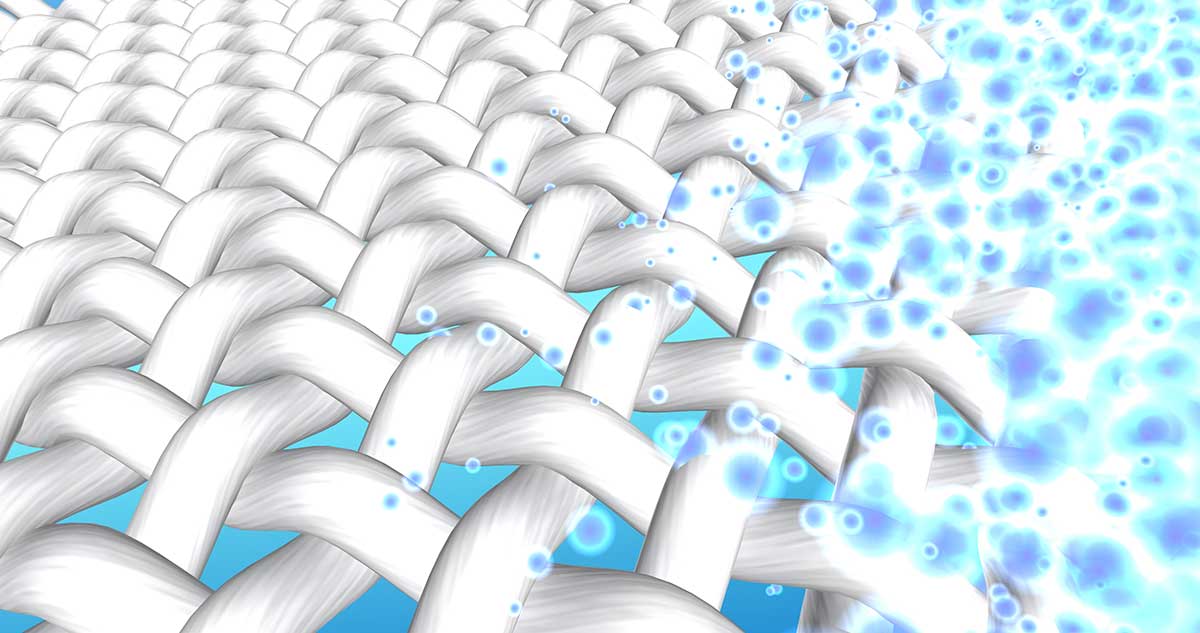
Most people assume quick dry fabric is just polyester with a fancy name. After spending years testing gear in everything from desert heat to mountain rain, I’ve learned the technology runs much deeper. The difference between a shirt that dries in 20 minutes versus two hours comes down to fiber structure, weave patterns, and chemical treatments that most buyers never hear about.
I started paying attention to fabric technology after a particularly miserable day hiking in cotton that stayed wet for hours. Since then, I’ve tested dozens of materials in real conditions and talked with textile engineers about what actually makes fabrics dry quickly. This guide breaks down the science in practical terms so the next time you look for hiking pants for men or quick-dry pants for women, the material specs will actually help you get the results you want.
How moisture-wicking technology actually works
Quick dry fabrics move moisture through two main mechanisms: wicking and evaporation. Wicking pulls sweat away from your skin through capillary action, where liquid travels along the surface of fibers. The fabric then spreads this moisture across a larger surface area, speeding up evaporation.
The key lies in hydrophobic fibers, materials that repel water rather than absorb it. When sweat hits these fibers, it can’t soak in. Instead, it forms droplets that move along the fiber surface toward the outer layer of fabric. Think of it like water beading on a waxed car hood: the moisture stays on the surface where air can reach it.
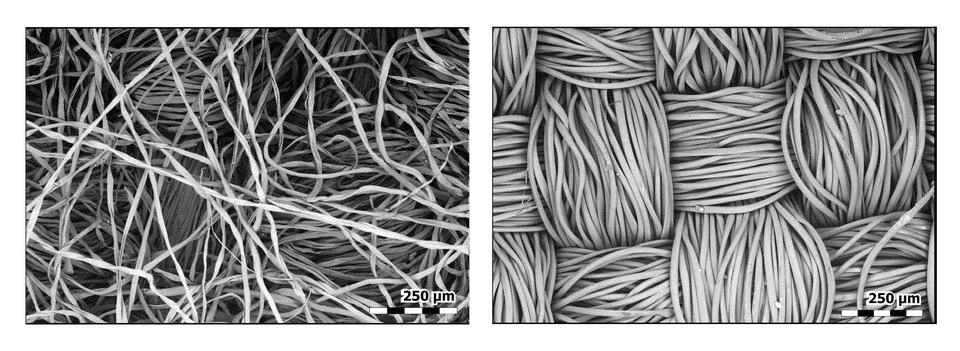
Fiber shape also matters. Many synthetic quick dry fabrics use fibers with grooved or channeled surfaces that create pathways for moisture movement. Some polyester fibers have cross-sections shaped like plus signs or propellers, increasing surface area by up to 20% compared to round fibers.
Synthetic quick dry materials explained
Polyester dominates the quick dry market for good reasons. The polymer structure naturally repels water, and manufacturers can engineer the fiber shape during production. Standard polyester dries about 50% faster than cotton, while specialized versions can cut drying time by 75%.
Nylon offers similar moisture management but adds durability. It absorbs slightly more water than polyester (about 4% versus 0.4% by weight) but compensates with better abrasion resistance. This makes it popular for hiking pants and bags where fabric faces more friction.
Polypropylene takes hydrophobic properties to the extreme, absorbing virtually no moisture. It’s the lightest synthetic option and dries fastest, but it holds onto odors more than other synthetics and can feel less comfortable against skin. You’ll find it mostly in base layers and sock liners rather than shirts.
Several brands have developed proprietary synthetic blends. Coolmax uses a four-channel fiber design that increases surface area by 20% compared to round fibers. Capilene, Patagonia’s material, combines different polymer weights to balance wicking with comfort.
Natural fibers and quick dry performance
Merino wool surprises many people with its moisture management. While wool absorbs up to 30% of its weight in water, the fiber structure keeps you comfortable even when damp. The outer layer of wool fibers repels water while the inner core absorbs it, creating a push-pull effect that moves moisture away from skin.
Merino dries slower than synthetics, typically taking twice as long as polyester. But it regulates temperature better when damp and resists odor naturally through antibacterial properties in the fiber structure. For moderate activity in variable conditions, these trade-offs often make sense.
Bamboo and Tencel (made from eucalyptus) occupy a middle ground. These cellulose-based fibers absorb more water than synthetics but less than cotton. They dry faster than cotton while feeling softer than most polyester. Processing methods vary widely though: mechanical processing preserves more natural properties while chemical processing creates a more synthetic-like material.
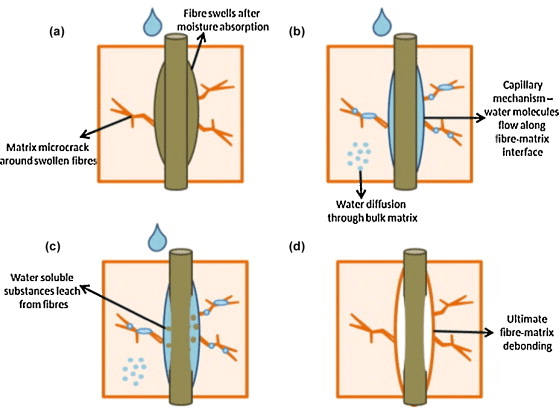
Cotton absorbs 25 times its weight in water and can take 4+ hours to dry, making it the worst choice for active wear
Fabric construction and weave patterns
How fibers connect matters as much as what they’re made from. Open weaves with visible gaps between threads allow more airflow, speeding evaporation. But they sacrifice durability and can feel rough. Tight weaves last longer but trap moisture between fibers.
Knit construction, common in athletic shirts, creates natural stretch and breathability through interlocking loops. The loop structure provides channels for moisture movement while maintaining comfort. Jersey knits dry faster than flat weaves of the same material because of this three-dimensional structure.
Some manufacturers use dual-layer construction: a hydrophobic inner layer touching skin and a hydrophilic outer layer that spreads moisture for evaporation. This approach, used in many running shirts, can improve drying time by 30% compared to single-layer designs.
Mesh panels and ventilation zones speed drying in high-sweat areas. A shirt might use tighter weave on the shoulders for durability and open mesh under the arms where moisture accumulates. This targeted approach balances performance with longevity.
Chemical treatments and coatings
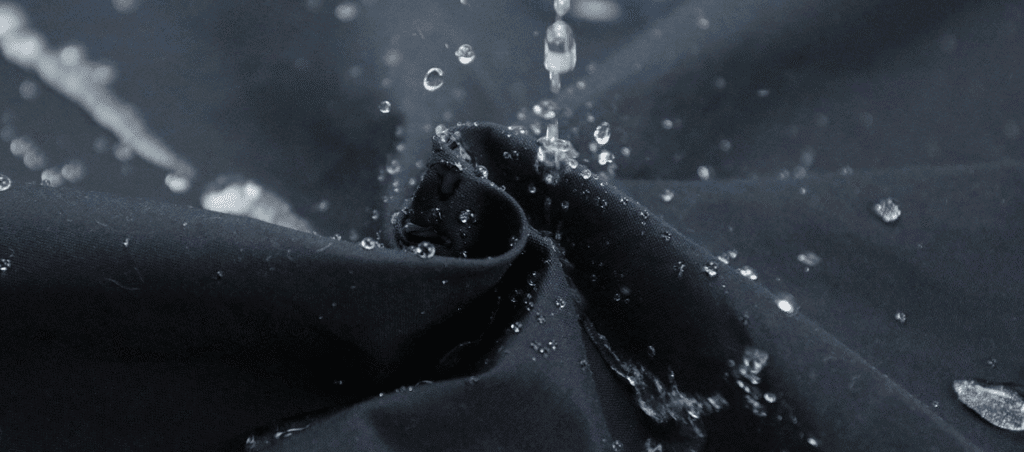
DWR (Durable Water Repellent) treatments make water bead on fabric surfaces rather than soaking in. While typically associated with rain gear, some quick dry fabrics use light DWR coatings to enhance moisture movement. The treatment doesn’t make fabric waterproof but helps moisture move to the surface faster.
Antimicrobial treatments like silver ions or zinc pyrithione reduce odor by inhibiting bacterial growth. These work differently than moisture management but often appear together since sweaty conditions promote bacteria. The effectiveness varies: silver treatments last longer but cost more than alternatives.
Some fabrics undergo hydrophilic treatments that seem counterintuitive, making fibers attract water. These treatments create a moisture gradient that pulls sweat through the fabric systematically. Once moisture reaches the outer surface, the large surface area promotes fast evaporation.
Testing standards and performance metrics
The textile industry uses several standardized tests to measure moisture management. AATCC 79 measures how quickly a water drop absorbs into fabric. Lower times indicate faster wicking. Most quick dry fabrics score under 5 seconds, while cotton takes 45+ seconds.
Moisture vapor transmission rate (MVTR) measures how much moisture passes through fabric over time. Good quick dry fabrics score above 3000 g/m²/24hr. For reference, plastic wrap scores near zero while high-performance synthetics can exceed 10,000.
Drying rate tests measure time for fabric to reach specific moisture levels after saturation. A quality quick dry shirt should lose 90% of absorbed water within 60 minutes at room temperature. Top performers achieve this in 30 minutes.
These lab numbers provide useful comparisons but don’t capture real-world variables like wind, humidity, and body heat. Field testing remains essential for understanding actual performance.
Choosing the right quick dry fabric
Consider your primary activity and conditions. High-output activities in hot weather favor ultra-light synthetics that prioritize moisture movement over everything else. REI’s clothing guide recommends polyester or nylon for consistent high-energy activities.
For variable conditions with changing activity levels, merino wool or synthetic-wool blends provide better temperature regulation. The slower drying time matters less when the fabric maintains comfort while damp.
Durability requirements shape material choice too. Nylon-polyester blends survive abrasion better than pure polyester. Merino needs more careful washing but lasts well with proper care. Polypropylene pills easily with friction but works great for items that see less wear.
Budget affects options significantly. Basic polyester costs 70% less than merino wool or advanced synthetics. For occasional use, simple polyester delivers adequate performance. Frequent use justifies investing in specialized fabrics that perform better and last longer.
Care and maintenance for longevity
Proper washing maintains quick dry performance. Fabric softeners leave residue that blocks moisture channels in synthetic fibers, reducing wicking ability by up to 40%. Skip them entirely for technical fabrics.
Wash synthetics in cold water to prevent polymer breakdown. Hot water can alter fiber structure, especially in lightweight materials. Turn garments inside out to protect external treatments and reduce pilling from friction.
DWR treatments wear off after 20-30 washes but can be restored. Washing removes dirt that masks the treatment, then heat from a dryer or iron reactivates remaining DWR. When performance drops significantly, reapplication sprays restore water-beading properties.
Store quick dry gear clean and dry. Bacteria and mold growing in stored damp fabric break down fibers and treatments. Compression during storage can damage fiber structure in some materials, particularly those with engineered shapes.
| Fabric | Wash Temperature | Detergent | Avoid | Drying | Special Notes |
|---|---|---|---|---|---|
| Polyester | Cold (30°C / 86°F) | Mild liquid detergent | Fabric softener, bleach, high heat | Hang dry or low tumble | Turn inside-out; heat can damage fiber channels + coatings |
| Nylon | Cold to warm (30–40°C / 86–104°F) | Mild liquid detergent | Chlorine bleach, high heat, softener | Hang dry | Avoid rough surfaces to reduce abrasion/pilling |
| Polypropylene (PP) | Cold (max 30°C / 86°F) | Mild / sport-wash detergent | Fabric softener, high heat, ironing | Air dry only | Extremely odor-retentive—use odor-control/sport detergent when needed |
| Coolmax (engineered polyester) | Cold (30°C / 86°F) | Mild or sport detergent | Fabric softener, bleach | Hang dry or low tumble | Softener blocks wicking channels—always skip |
| Capilene (Patagonia synthetic) | Cold (30°C / 86°F) | Mild or sport detergent | Fabric softener | Hang dry preferred | If DWR-treated version: low heat for 10 min occasionally to reactivate |
| Merino Wool | Cold (30°C / 86°F) | Wool-safe or enzyme-free detergent | Bleach, fabric softener, high agitation, high heat | Lay flat to dry or hang | Turn inside-out; avoid frequent washing; can refresh by airing |
| Bamboo / Tencel | Cold to warm (30–40°C / 86–104°F) | Mild detergent | Bleach, high heat, softener | Hang dry | Gentle cycle—fibers weaken in hot water & high friction |
| Cotton | Warm (40°C / 104°F) | Standard detergent | None critical but avoid softener for athletic use | Tumble dry OK | Cotton holds water—never store damp (mildew risk) |
| DWR-treated synthetics | Cold (30°C / 86°F) | Sport detergent | Softener, harsh detergents | Hang dry, then low heat tumble 10–15 min to reactivate | Re-treat when beading stops (sprays & wash-ins) |
| Anti-odor fabrics (silver / zinc treated) | Cold (30°C / 86°F) | Mild detergent | Bleach, fabric softener | Hang dry | Harsh chemicals degrade antimicrobial finish |
So…
Quick dry fabric technology goes well beyond simple material choice. Fiber structure, weave patterns, and chemical treatments work together to move moisture efficiently. Understanding these elements helps you choose fabrics that match your needs and maintain their performance over time.
Start by identifying your moisture management priorities: pure drying speed, comfort when damp, odor resistance, or durability. Then match those needs to appropriate materials and construction methods. With proper selection and care, quality quick dry fabrics maintain their performance through years of hard use.
Frequently asked questions about quick-dry fabric
What is quick-dry fabric?
Quick-dry fabric is a material engineered to move moisture away from your skin and evaporate it fast. It usually uses synthetic fibers (like polyester) shaped to wick sweat and dry in minutes instead of hours.
How does moisture-wicking actually work?
Two things happen at once:
Wicking: Sweat spreads across the fiber surface instead of soaking in.
Evaporation: Increased surface area + airflow helps moisture evaporate faster.
Think tiny channels in the fibers pulling moisture outward like a candle wick — but for sweat.
Is quick-dry fabric always polyester?
Mostly, but not always. Polyester is most common, but nylon, polypropylene, and high-performance blends (like Coolmax or Capilene) also fall into the quick-dry category. Merino wool can perform surprisingly well too — it doesn’t dry fastest, but stays comfortable even when damp.
What dries faster: polyester or merino wool?
Polyester dries faster.
But merino wool stays comfortable when damp and resists odor, which is why many hikers love it for multi-day trips.
Why does cotton take so long to dry?
Cotton absorbs water deep into the fibers, like a sponge.
Synthetic fibers repel water, keeping moisture on the surface so it can evaporate instead of staying trapped.
What fabric dries the fastest?
Polypropylene is technically the fastest because it absorbs almost no water.
For most outdoor clothing, polyester or polyester blends offer the best balance of drying time, durability, and comfort.
Do weave and knit construction matter?
Absolutely.
Same fiber, different construction = very different performance.
Open knits and mesh: fastest drying, most breathable
Tight weaves: more durable, but slow moisture escape
Dual-layer fabrics: pull sweat out faster than single layers
Are chemical treatments important?
They can be. Some fabrics add:
DWR coatings to repel water
Anti-odor treatments like silver or zinc
Hydrophilic finishes to pull moisture outward
These boost performance but can wash out over time.
How long do DWR coatings last?
Most lightweight DWR finishes start fading after 20–30 washes, depending on use and detergent. You can restore performance with reactivation heat or re-treatments.
Is quick-dry clothing good for cold weather?
Yes — especially base layers. Quick-dry fabrics keep sweat from chilling on your skin, which helps maintain body heat in cold environments.
What’s the right way to wash quick-dry fabric?
No fabric softener (it clogs moisture channels)
Cold water
Mild detergent
Hang dry or low heat to preserve fibers and coatings