

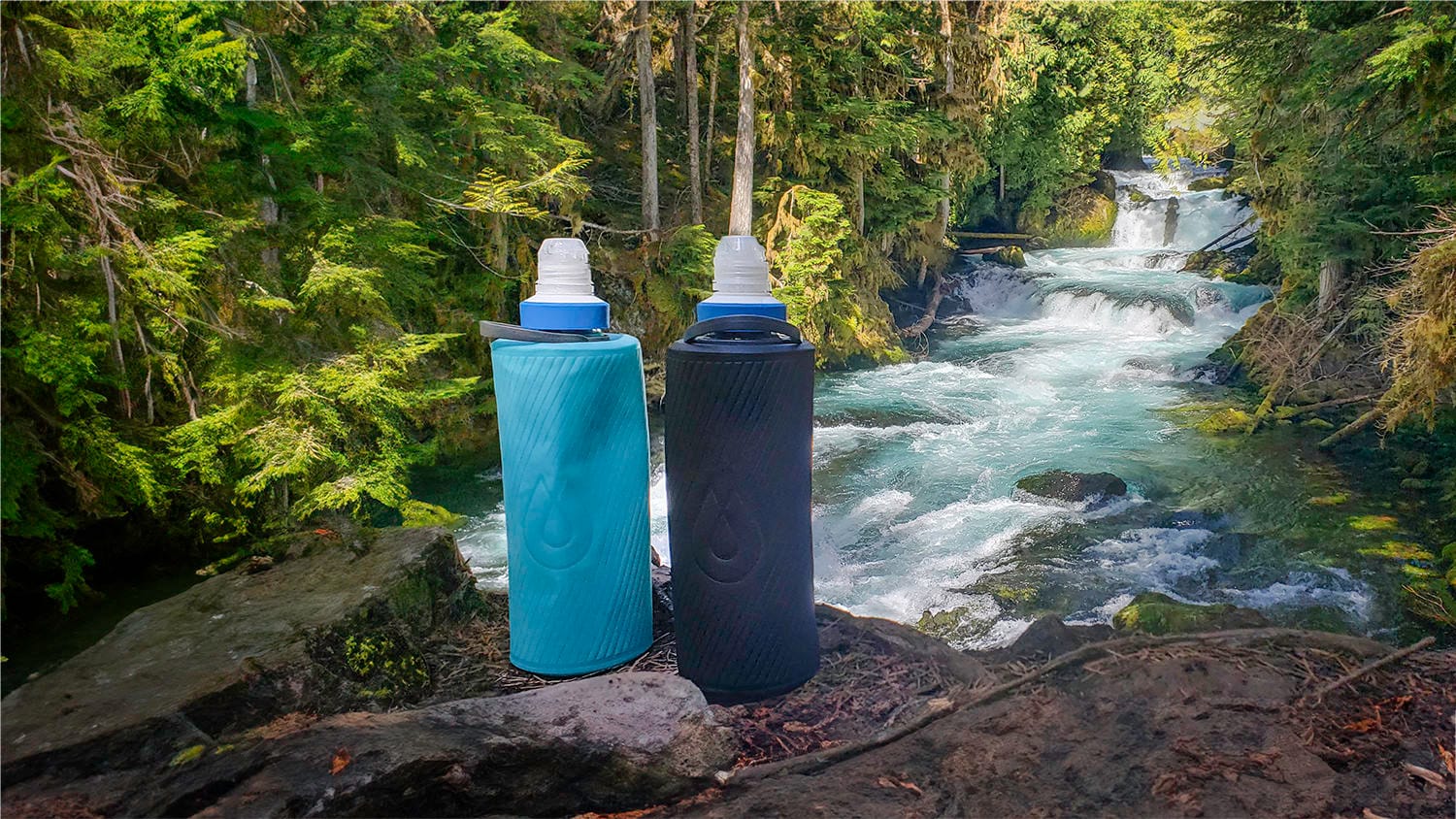
We drank from them mile after mile, dropped them on rocks, stuffed them in side pockets, and watched how long they kept water cold under full sun. Some leaked. Some cracked. A few surprised us.
After testing eight bottles ranging from collapsible silicone pouches to triple-wall steel flasks, we learned that the best hiking water bottle isn’t always the heaviest or the priciest: it’s the one that fits your trail style, survives real abuse, and keeps you reaching for water without thinking twice.
| Product | Capacity | Material | Insulation | Best For | Approx. Price |
|---|---|---|---|---|---|
| Nalgene Sustain Tritan Bottle | 32 oz | Tritan (50% recycled) | ❌ | Eco-friendly everyday use | ~$15 |
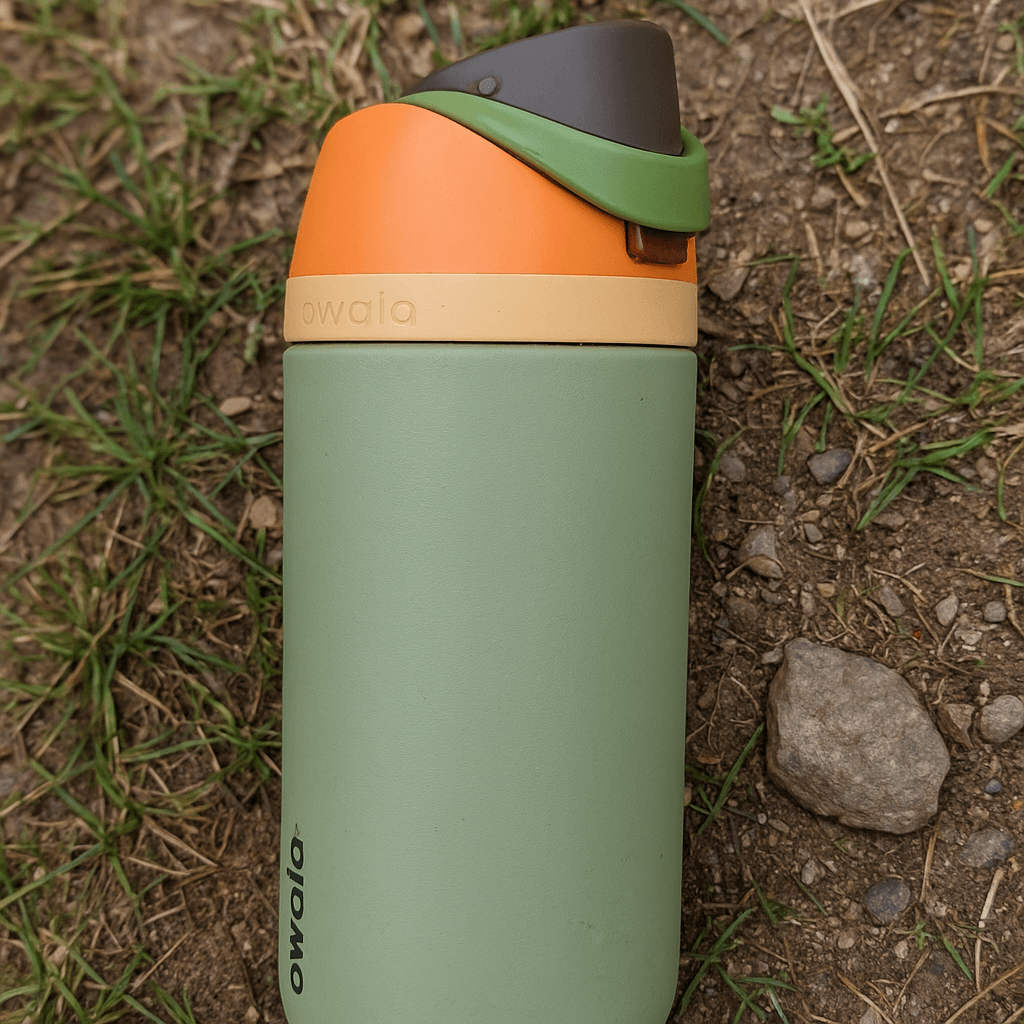
| Owala FreeSip Insulated Bottle | 24 oz | Stainless Steel | Cold 24h / Hot 12h | Daily use & gym | ~$29 |
| Raymylo Triple-Wall Insulated Bottle | 40 oz | Stainless Steel | Cold 48h | Long hikes & camping | ~$35 |
| Sahara Sailor Motivational Bottle | 32 oz | Tritan | ❌ | Daily hydration tracking | ~$19 |
| IRON °FLASK Hydration Flask | 40 oz | Stainless Steel | Cold/Hot | Heavy use & long trips | ~$30 |
| CamelBak Chute Mag Bottle | 50 oz | Tritan Renew | ❌ | Extended day hikes | ~$22 |
| Hydration Bladder 2L | 2 L | BPA-Free Plastic | ❌ | Backpack hydration systems | ~$15 |
| YCTMALL Collapsible Bottles (2-Pack) | 500 ml each | Silicone | ❌ | Travel & minimal pack weight | ~$20 |
Table of Contents
1. Nalgene Sustain Tritan Bpa-free Water Bottle: Best budget pick ($16.85)
Overall score: 8.5/10
Simple, tough, and built from recycled plastic: this is the value workhorse for everyday trail
Best for: Day hikers and budget-conscious trekkers who prioritize durability over insulation
Skip if: You need your water to stay ice-cold for hours or hate wide-mouth bottles that splash easily
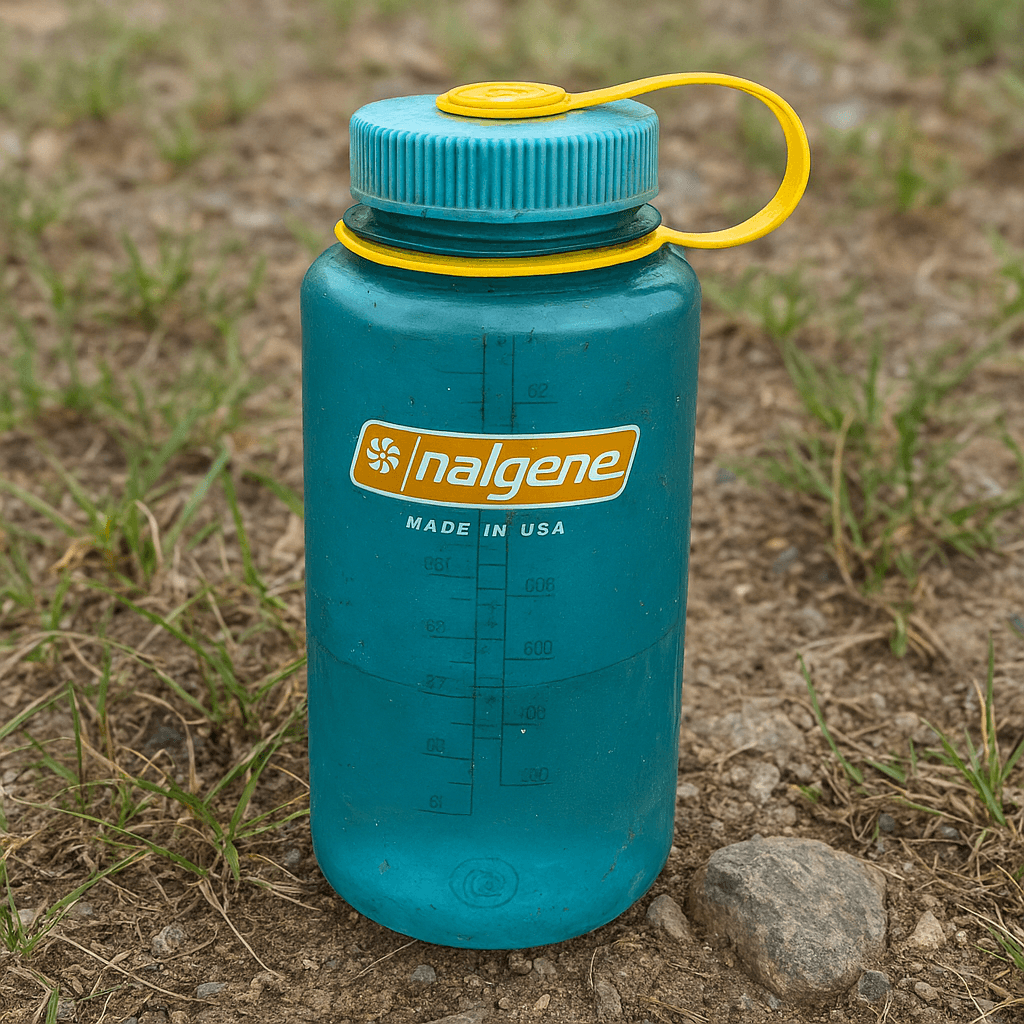
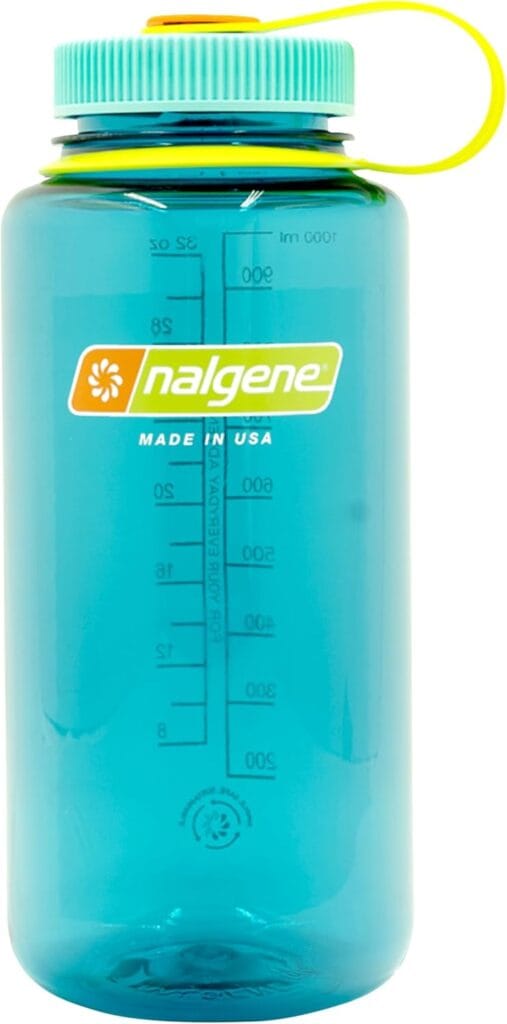
The Nalgene Sustain is made from 50% recycled plastic and feels exactly like the original Nalgene bottles we’ve been throwing in packs for years. We filled it with ice water at sunrise and by lunch it was lukewarm, but that’s expected from an uninsulated bottle. What impressed us was how well it bounced back from drops, we knocked it off a boulder twice and it didn’t crack or dent.
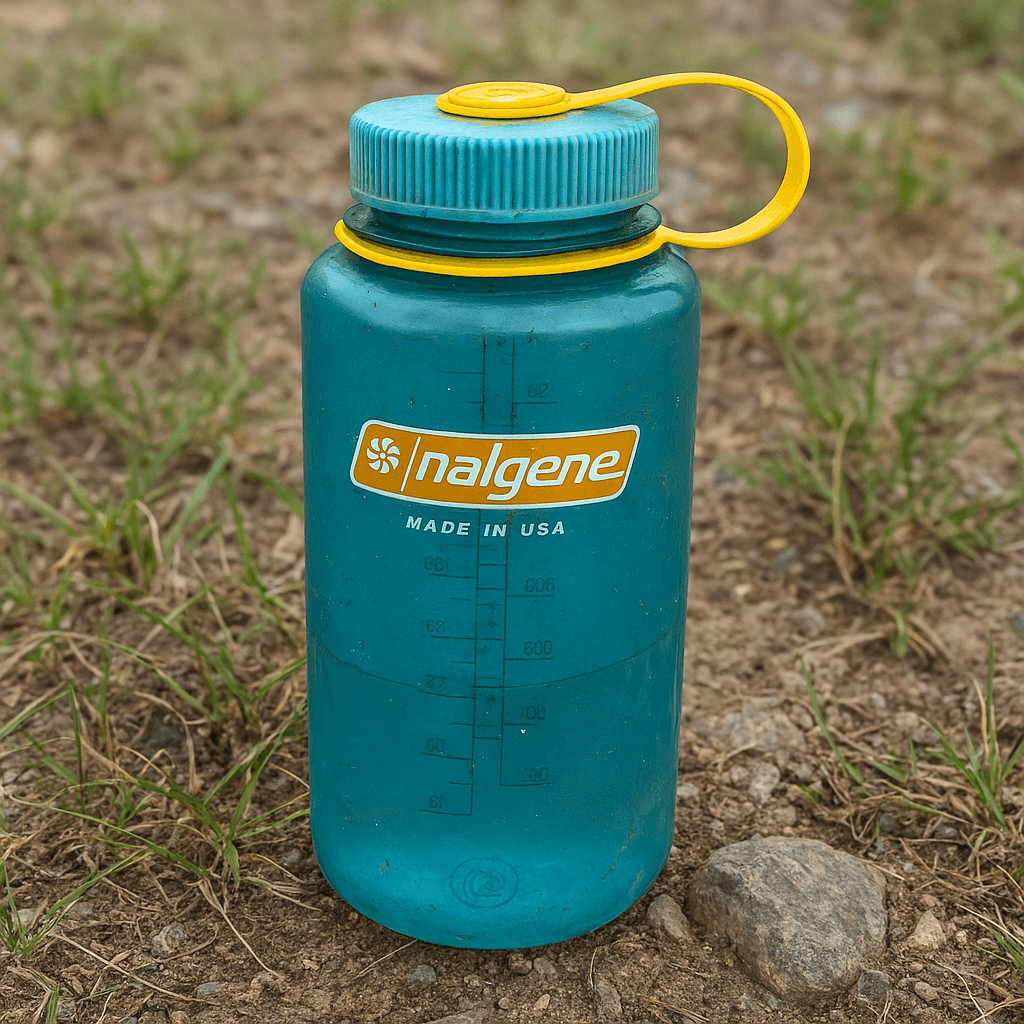
The wide mouth makes filling from streams easy and lets you dump in ice cubes, but you need to be careful when drinking on the move or you’ll splash yourself. After three weeks of daily use, the bottle showed some surface scratches but zero structural issues. At around $17, it’s hard to beat for reliability and low weight (just under 6 oz empty). The 32 oz capacity meant fewer refills on moderate day hikes.
Pros
- Made from 50% recycled plastic
- Nearly indestructible in normal trail use
- Wide mouth simplifies cleaning and ice loading
- Lightweight for its capacity
Cons
- No insulation: water warms quickly in sun
- Wide mouth can cause spills while drinking on the go
Bottom line
If you’re looking for a dependable, no-frills bottle that won’t break the bank and can handle years of trail abuse, the Nalgene Sustain delivers. It won’t keep your drink cold, but it will survive just about anything you throw at it.
What to Look For in a Hiking Water Bottle
Choosing the best hiking water bottle depends on where, how, and how long you hike. Here are a few quick guidelines:
| If You… | Choose… |
|---|---|
| Hike in hot or cold weather | An insulated stainless steel bottle to maintain temperature |
| Need to pack light | A collapsible or Tritan plastic bottle |
| Want easy access while moving | A hydration bladder or bottle with a straw lid |
| Care about sustainability | A recycled or BPA-free Tritan bottle |
| Take long multi-day trips | A high-capacity (40–50 oz) model with leakproof lid |
2. Owala Freesip Insulated Stainless Steel Water Bottle: Best dual-mode drinking
Overall score: 9/10
A clever straw-and-chug combo that kept water cold through full-sun afternoons
Best for: Day hikers and gym-to-trail users who want cold drinks and drinking flexibility
Skip if: You need large capacity (24 oz fills fast) or prefer simpler single-mode lids
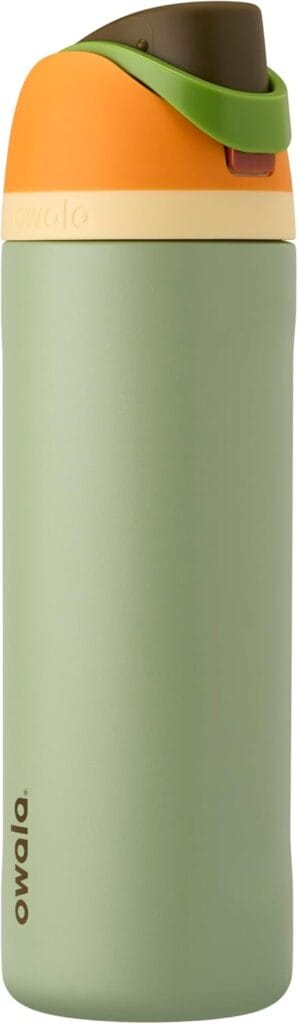
We were skeptical of the FreeSip’s dual-mode lid at first, straws on the trail felt gimmicky, but after a few hot afternoons we totally got it. You can sip through the built-in straw when you want a controlled drink, or pop the lid open for bigger gulps. The bottle kept water cold for over 20 hours in moderate temps, and ice lasted well into the second day.
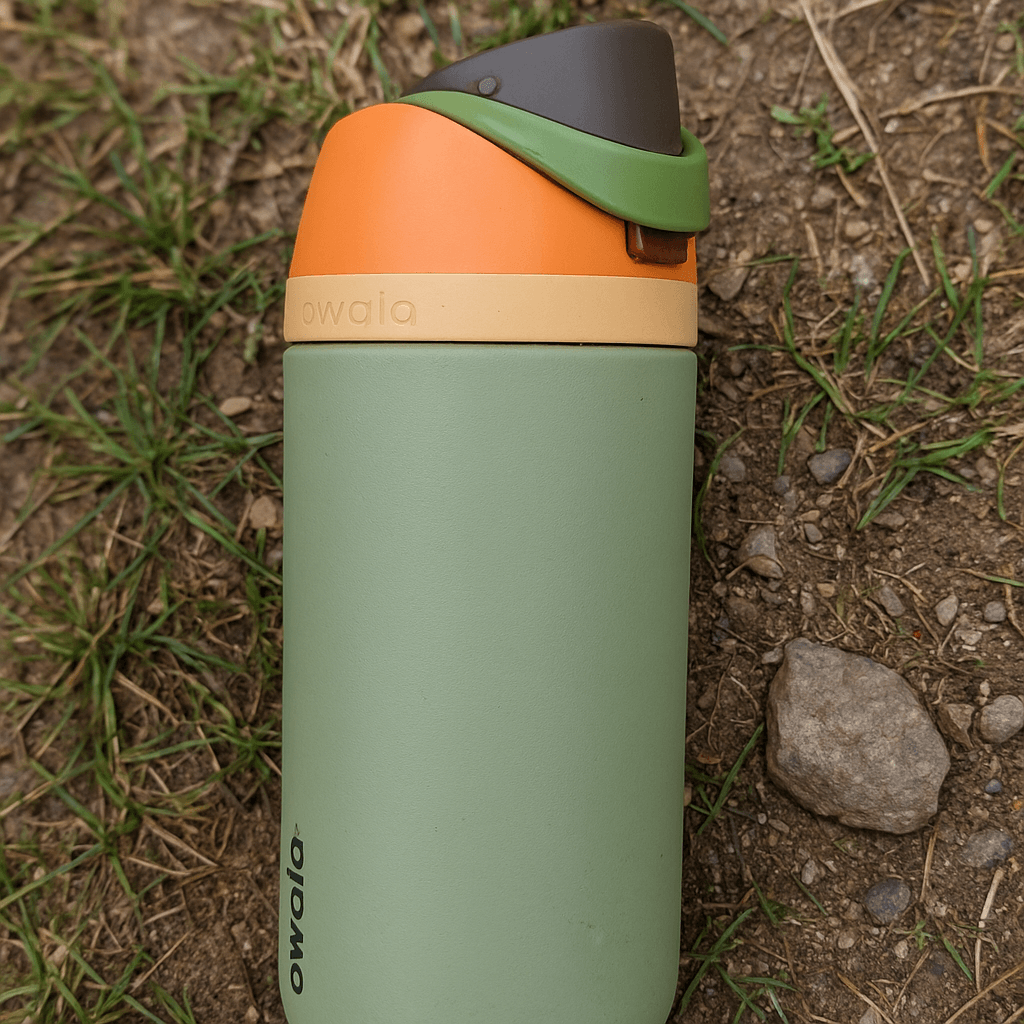
The magnetic lid snaps shut securely, and we never had leaks even when the bottle tumbled around in a side pocket. The straw does require occasional rinsing to prevent buildup, and the 24 oz size meant we refilled twice on longer hikes. At ~$30, it’s pricier than basic Tritan bottles, but the insulation and lid design feel worth it for anyone who values temperature control and drinking convenience. The camo colorway hides scuffs well.
Pros
- Dual sip/swig lid works surprisingly well
- Excellent cold retention (24+ hours)
- Magnetic lid prevents accidental openings
- Stylish design that transitions from trail to daily life
Cons
- Smaller 24 oz capacity
- Straw requires regular cleaning
- Heavier than uninsulated plastic bottles
Bottom line
The Owala FreeSip hits a sweet spot between performance and usability. It’s not the lightest or largest, but if you prioritize cold drinks and hate fiddling with lids mid-hike, this bottle earns its place.
💡 Tip: Before long hikes, pre-chill stainless steel bottles or freeze part of your water overnight to keep it cold longer.
3. Raymylo Insulated Water Bottle: Best for extreme heat
Overall score: 9.5/10
Triple-wall insulation kept ice solid for two full days in desert conditions
Best for: Hot-weather hikers, overnight campers, and anyone who values long-lasting cold drinks
Skip if: You’re counting ounces—this bottle is hefty when full
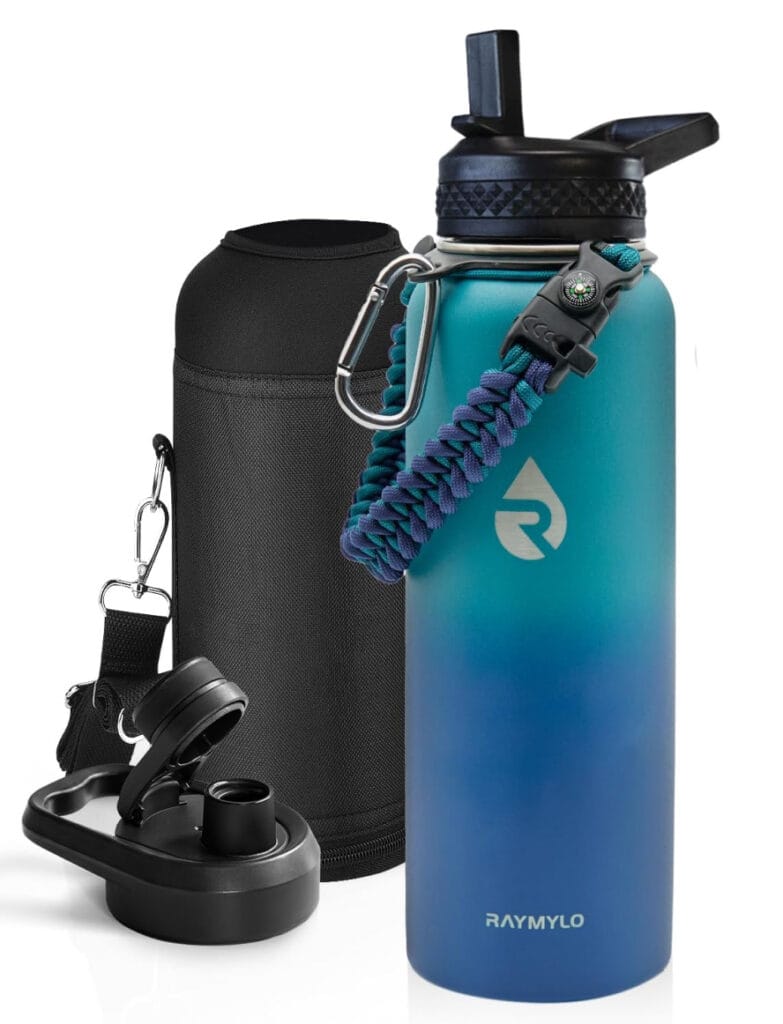
The Raymylo is built like a tank. Its triple-wall vacuum insulation outperformed every other bottle we tested in heat retention. We loaded it with ice and water before a two-day desert camp trip, and 48 hours later, ice cubes were still clinking around. The bottle itself is heavy (2.5 lbs) but that weight translates to serious durability. After a week of tossing it in and out of packs, there were zero dents or dings on the powder-coated exterior.
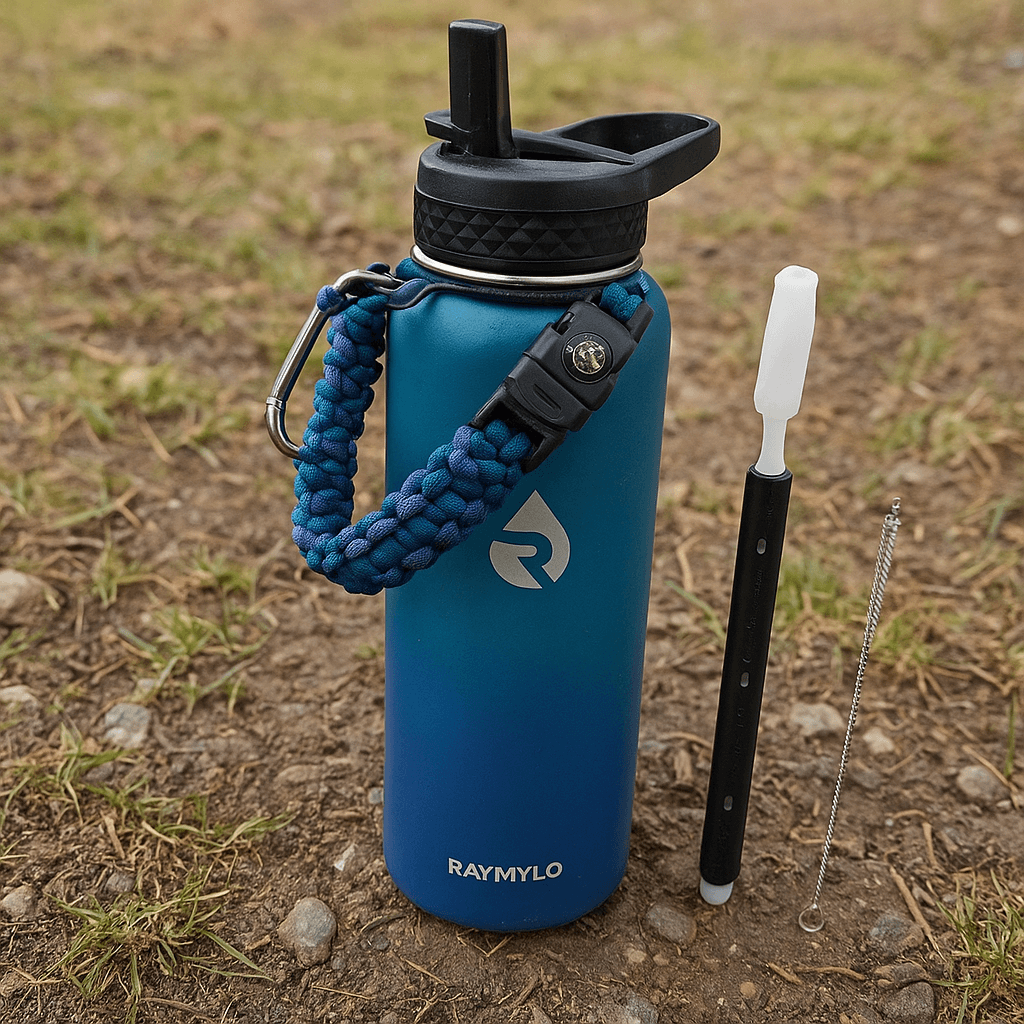
The paracord handle is a nice touch for carrying or clipping to the outside of a pack, and the included straw lid made drinking easier when we didn’t want to unscrew the whole cap. At 40 oz, it’s a solid choice for long day hikes or camping where water sources are scarce. One tester said, “I stopped thinking about refills and just trusted it, that’s rare.”
Pros
- Exceptional 48-hour cold retention
- Durable triple-wall stainless steel
- Paracord handle for easy carry
- Includes both straw and screw lids
Cons
- Heavy (2.5 lbs) even when empty
- Too wide to fit most cup holders
- Slightly higher price point
Bottom line
If you hike in hot climates or need your water icy-cold all weekend, the Raymylo is worth the extra weight. It’s overkill for quick day hikes, but perfect for serious trail time in warm weather. Order the Raymylo Insulated Bottle for unbeatable cold performance.
Become a hydration pro
For deeper hydration advice and maintenance tips, see: CDC: Staying Hydrated During Outdoor Activities
4. Sahara Sailor Water Bottle 32oz : Best for tracking hydration$9.99
Overall score: 7/10
Time markers keep you honest, but durability and insulation lag behind the competition
Best for: Casual day hikers who struggle to drink enough water and want visual reminders
Skip if: You need insulation, serious durability, or prefer minimalist design
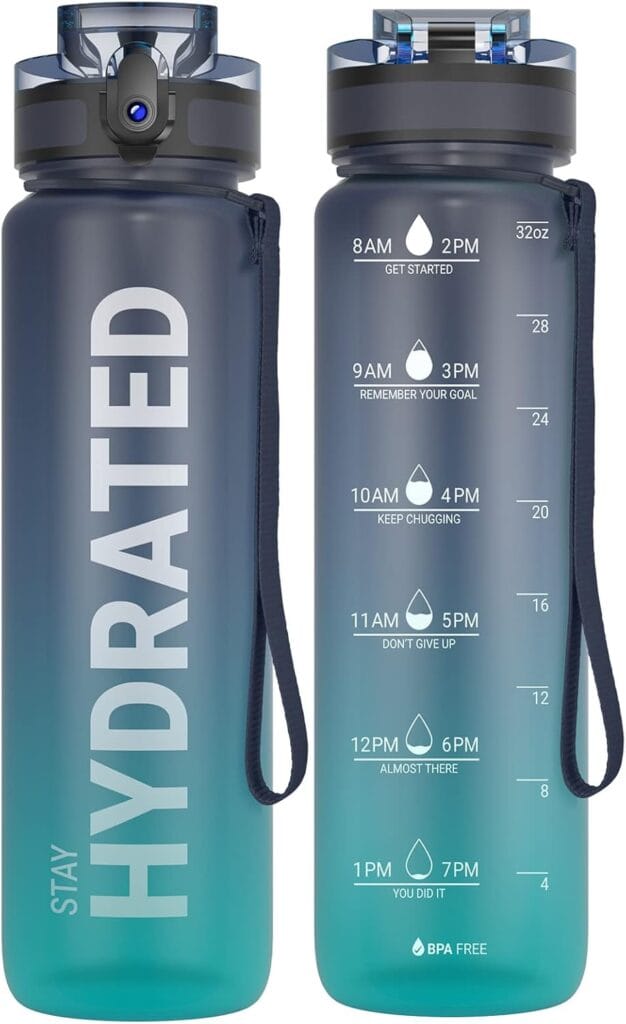
The Sahara Sailor’s standout feature is its time-stamped motivational markers printed on the side. They’re surprisingly effective! We found ourselves glancing at the bottle and realizing we were behind schedule, then taking a few extra gulps. The 32 oz Tritan body is lightweight and BPA-free, and the wide mouth makes cleaning easy with the included brush. But after two weeks of trail use, the printed markers started to fade, and the flip-top lid felt flimsy compared to screw caps.
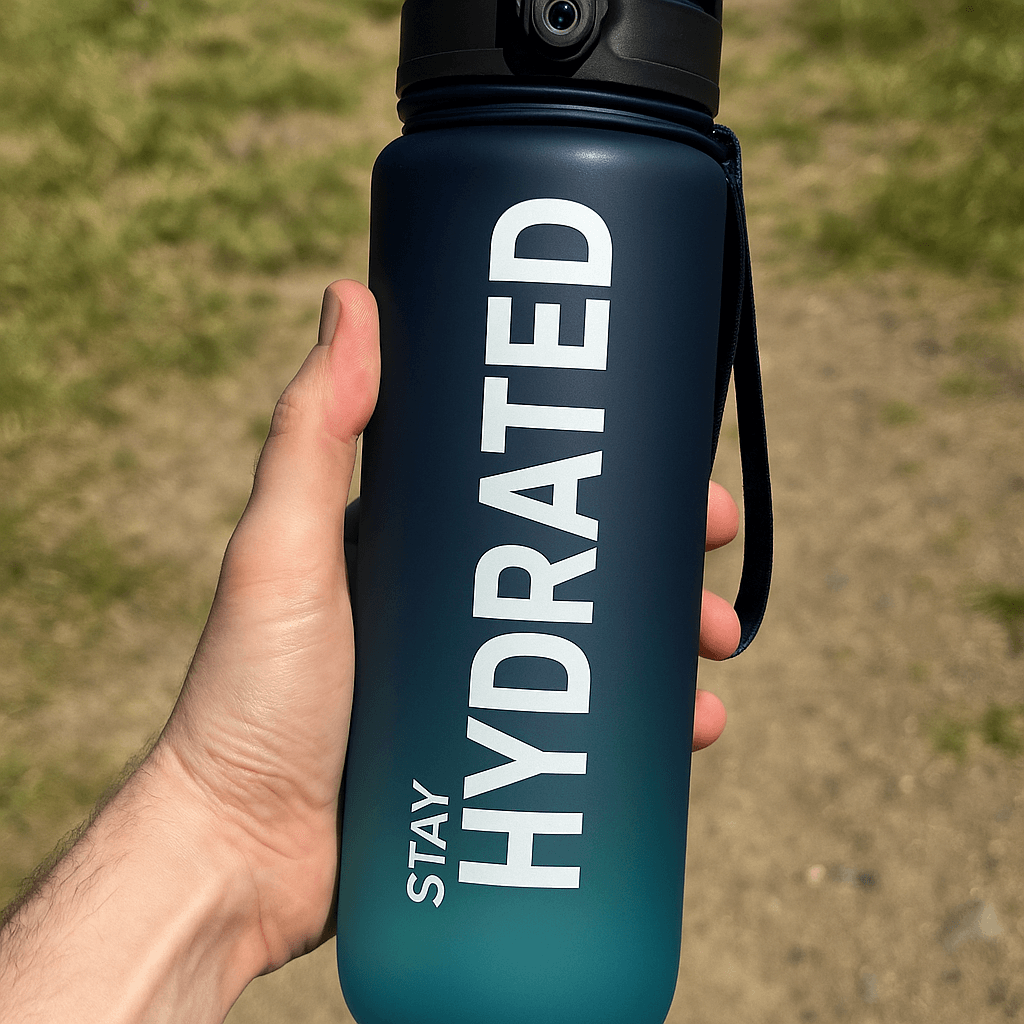
The bottle also warms up quickly in direct sun. At around $10, it’s a budget-friendly option for short hikes or gym use, but it’s not built for serious backcountry abuse. The deep sea color is nice, though it shows scratches easily.
Pros
- Time markers encourage regular hydration
- Lightweight Tritan plastic
- Includes cleaning brush
- Very affordable
Cons
- No insulation – water warms fast
- Printed markers fade with heavy use
- Flip-top lid feels less secure than screw caps
Bottom line
The Sahara Sailor is a solid choice for beginners or anyone who needs a hydration nudge on shorter hikes. Just don’t expect it to hold up to years of hard trail use or keep your water cold. Check out the Sahara Sailor Bottle if you need a hydration reminder.
5. Iron °flask Camping & Hiking Hydration Flask: Best multiday versatility
Overall score: 9/10
Three interchangeable lids and excellent insulation make this a flexible trail companion
Best for: Backpackers and multiday trekkers who want one bottle for coffee, cold water, and everything in between
Skip if: You’re prioritizing ultralight setups or need something under 30 oz capacity
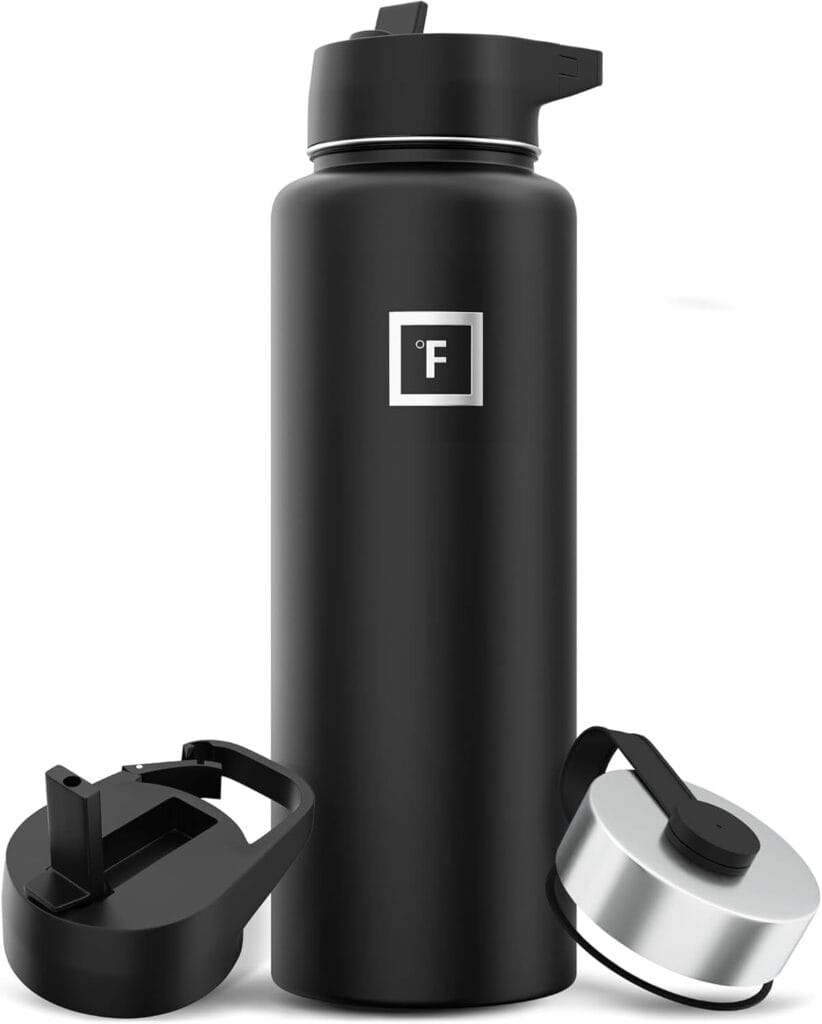
The IRON °FLASK impressed us with its versatility. It comes with three lids: a straw lid for easy sipping, a flip lid for one-handed drinking, and a screw cap for maximum security. We swapped between them depending on the activity: straw for hiking, flip for biking, screw for stuffing in a pack overnight. The double-wall vacuum insulation kept water cold for over 30 hours and coffee hot through a chilly morning.
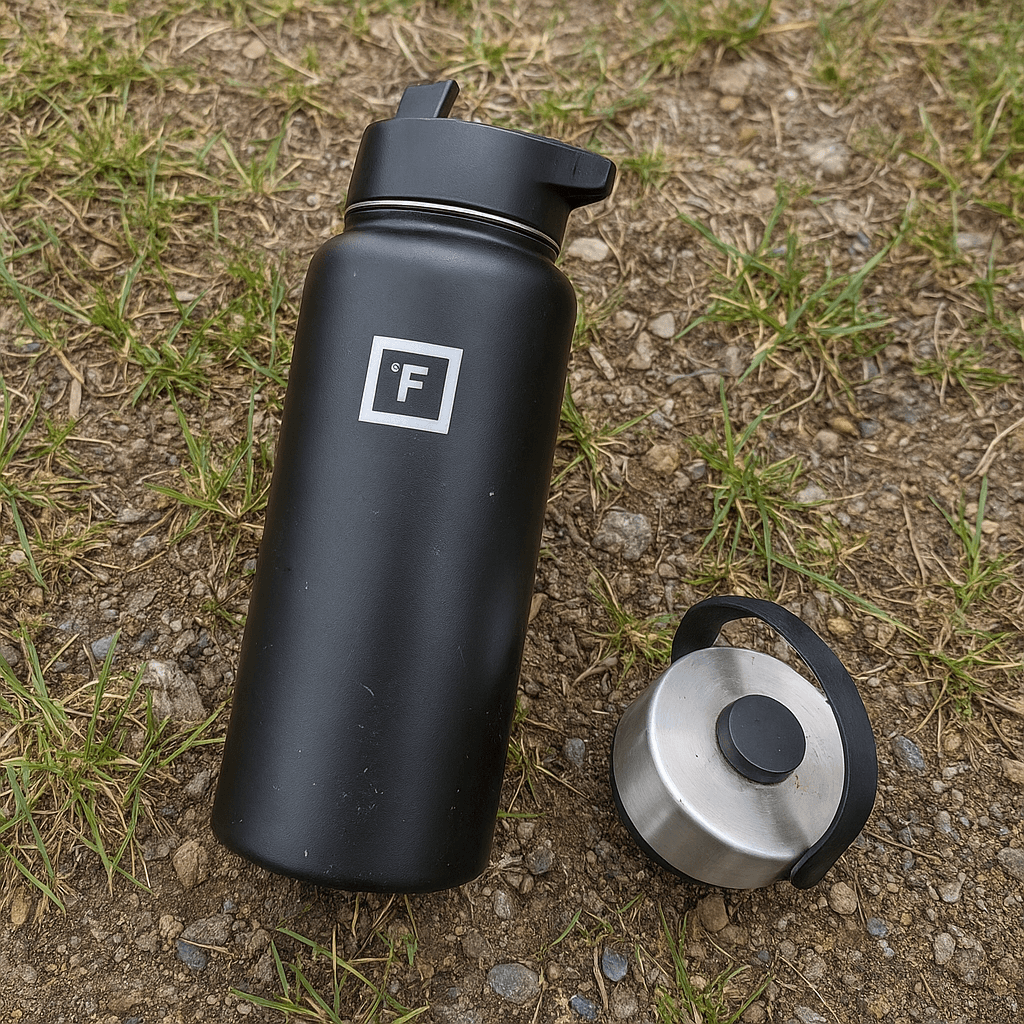
At 40 oz, it’s got the capacity for long stretches between refills. The powder coating held up well to drops and scrapes, showing only minor wear after three weeks. It’s heavier than plastic bottles (closer to 1 lb empty), but that’s the trade-off for steel durability and insulation. At ~$23, it’s a strong value for the features you get.
Pros
- Three interchangeable lids for different uses
- Excellent hot and cold insulation
- Durable powder-coated stainless steel
- Large 40 oz capacity
- Affordable for the feature set
Cons
- No insulation – water warms fast
- Printed markers fade with heavy use
- Flip-top lid feels less secure than screw caps
Bottom line
If you want one bottle that can handle hot coffee at camp and ice water on the trail, the IRON °FLASK delivers flexibility and performance at a fair price. It’s a workhorse for multiday trips. Get it for versatile hydration on long adventures.
6. Camelbak Chute Mag Water Bottle: Best high-capacity
Overall score: 8/10
Magnetic lid and huge 50 oz volume make this ideal for all-day hikes without refills
Best for: Long day hikers and desert trekkers who prioritize capacity over insulation
Skip if: You need cold water or are packing ultralight
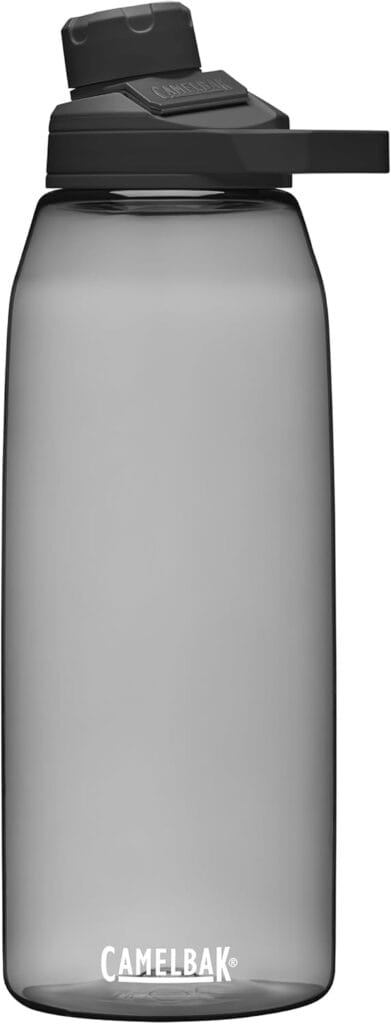
The CamelBak Chute Mag’s magnetic cap is genius! It snaps out of the way while you drink, so you’re not bumping it with your nose or worrying about where it flops. The 50 oz capacity meant we could tackle full-day hikes without hunting for water sources, which was a relief in dry environments. The Tritan Renew plastic is made from 50% recycled content and feels sturdy.
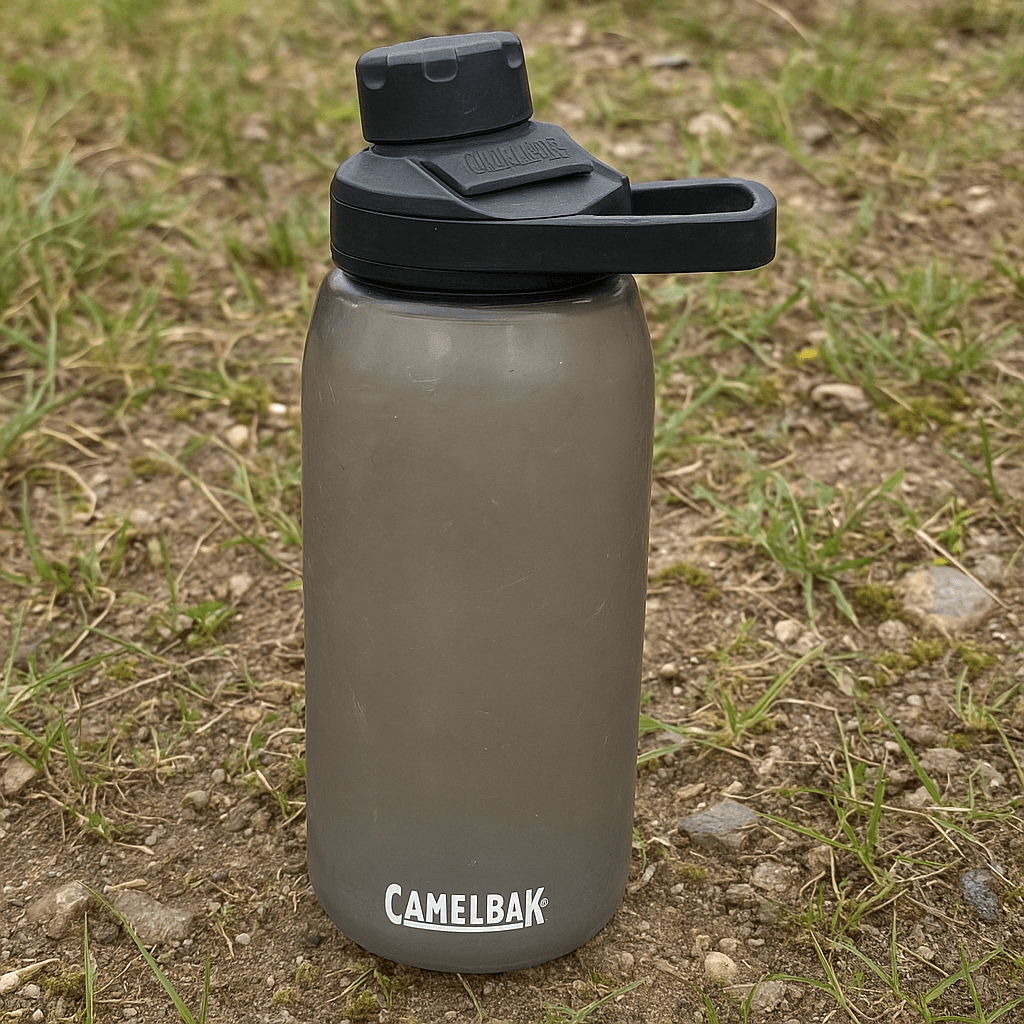
After multiple drops on rocks, it showed only minor scuffs. The wide mouth lets you add ice easily, though without insulation, it melts fast. The bottle is tall, so it didn’t fit in some smaller side pockets, but the carry handle made it easy to clip to the outside of a pack. At ~$17, it’s a solid deal for the capacity and build quality.
Pros
- Magnetic cap stays out of the way while drinking
- Massive 50 oz capacity reduces refill needs
- Made from 50% recycled Tritan plastic
- Durable and drop-resistant
- Affordable for the size
Cons
- No insulation, water warms quickly
- Tall profile doesn’t fit all pack pockets
- Heavier than smaller bottles when full
Bottom line
The CamelBak Chute Mag is perfect for long hikes where refills are scarce and you’re willing to trade weight for capacity. The magnetic lid is a small but meaningful improvement over traditional caps. Order the it for all-day hydration.
Maintenance Tip: After every hike, rinse your bottle with warm water and let it air dry completely with the lid off. This prevents mold and keeps your bottle fresh, especially for bottles with straws or complex lids.
7. Hydration Bladder 2L: Best hands-free option
Overall score: 7/10
Convenient on-the-go sipping, but durability and cleaning require more attention
Best for: Day hikers and trail runners who want hands-free hydration
Skip if: You prefer the simplicity of a bottle or dislike cleaning tubes and reservoirs
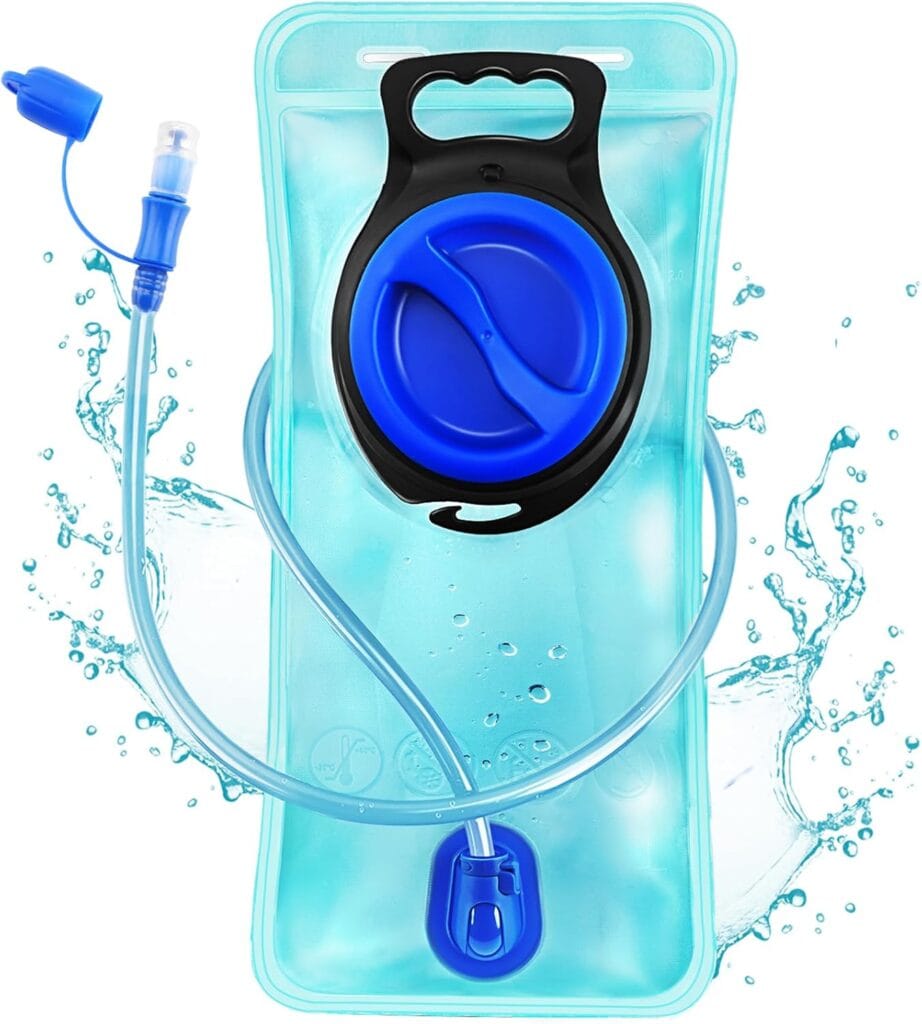
Hydration bladders are polarizing, and the 2L version we tested reminded us why. The hands-free convenience is unbeatable: no stopping to pull out a bottle, just sip through the tube as you hike. The bladder fit easily in most packs with hydration sleeves, and the bite valve worked smoothly after a quick break-in. But cleaning was a hassle. We had to flush it thoroughly after every use and hang it inside-out to dry, which took time.
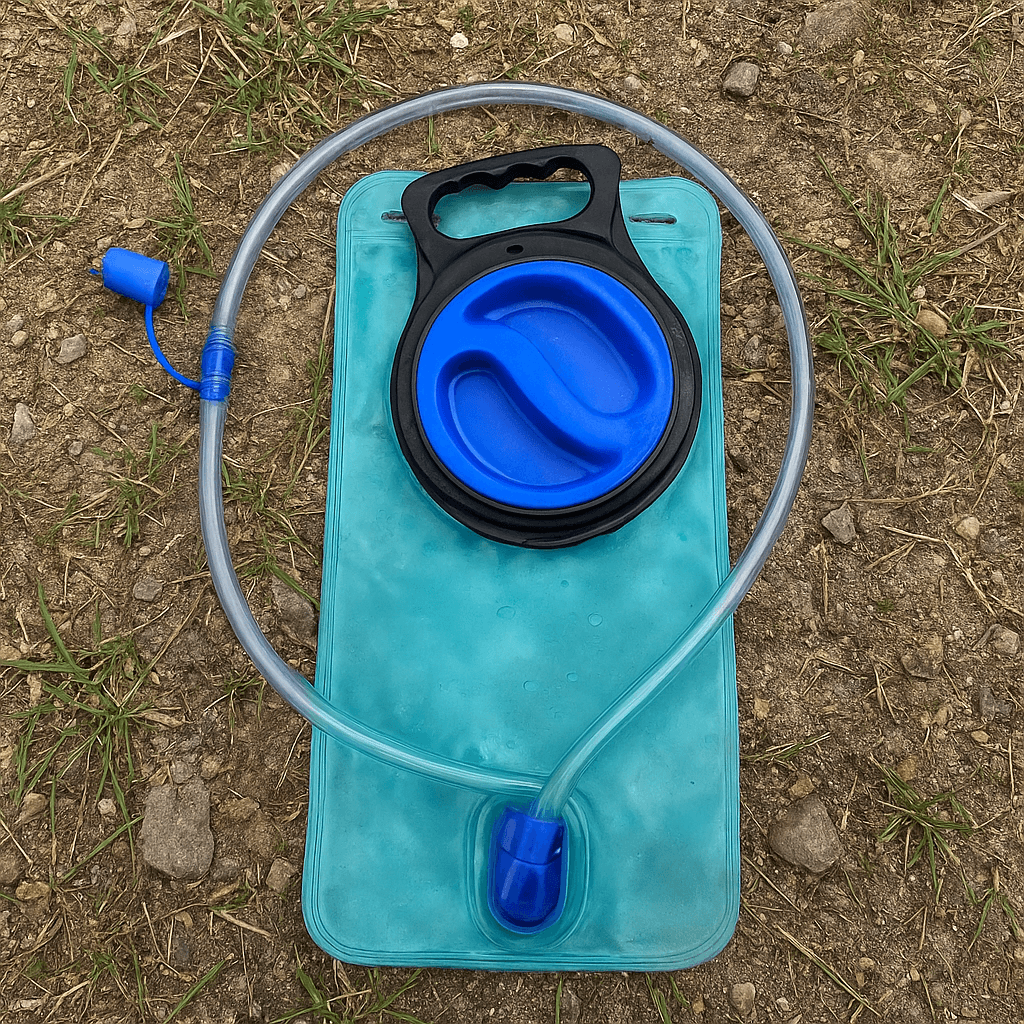
The plastic started to hold a faint taste after a week, even with regular rinsing. The bladder itself is BPA-free and leakproof as long as you secure the top properly, but we had one incident where the cap wasn’t fully sealed and leaked into the pack. At ~$12, it’s cheap and functional, but it requires more maintenance than a bottle.
Pros
- Hands-free hydration on the move
- Fits most packs with hydration sleeves
- Affordable
- Lightweight when empty
Cons
- Difficult to clean thoroughly
- Can develop plastic taste over time
- Less durable than hard bottles
- Requires careful sealing to prevent leaks
Bottom line
If you’re a trail runner or fast hiker who values hands-free drinking, a hydration bladder makes sense. Just be prepared to invest time in cleaning and maintenance.
8. Yctmall Collapsible Water Bottles (Two Pack): Best for ultralight travel
Overall score: 6.5/10
Ultra-packable and lightweight, but durability and leakproofing are questionable
Best for: Ultralight backpackers and travelers who need emergency backup bottles
Skip if: You’re looking for a primary bottle or need something that can handle rough use
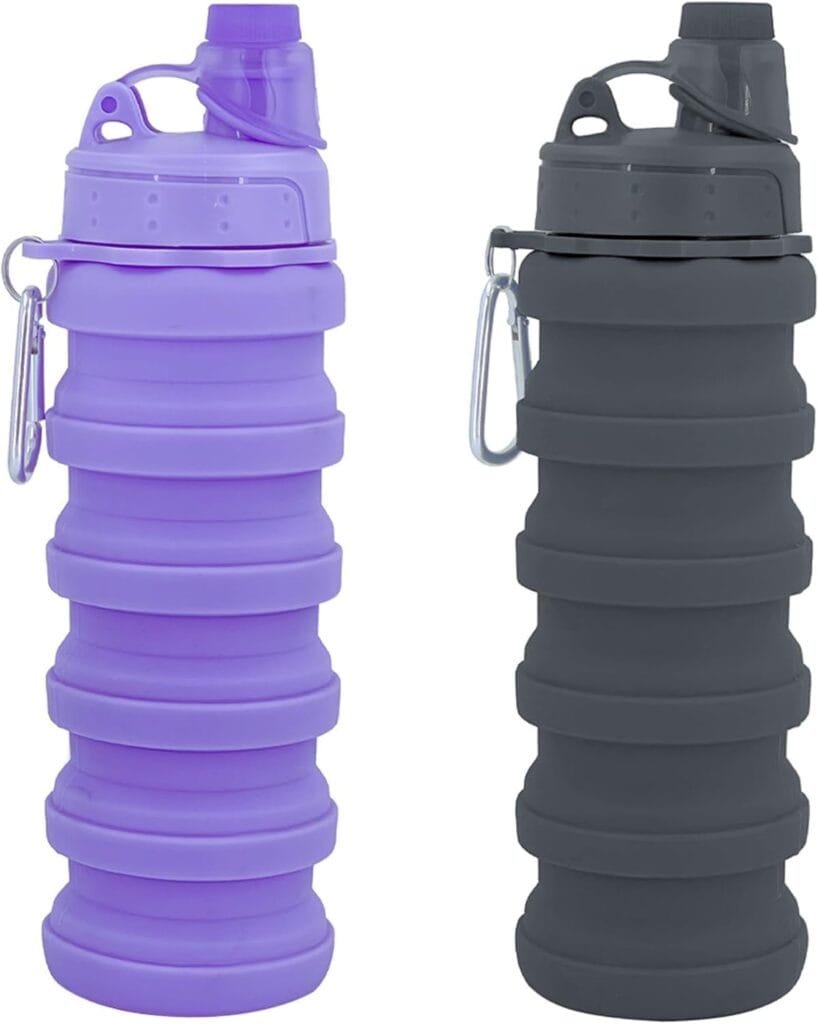
The YCTMALL collapsible bottles are intriguing in theory—they roll up small when empty and weigh almost nothing. We used them as backup bottles on a multiday trip, and they worked fine for carrying extra water between camps. The silicone material is flexible and the screw cap stayed secure during normal use. But after a few days, one of the bottles developed a slow leak at the cap seal, and the silicone started to hold a slight rubbery smell even after washing.
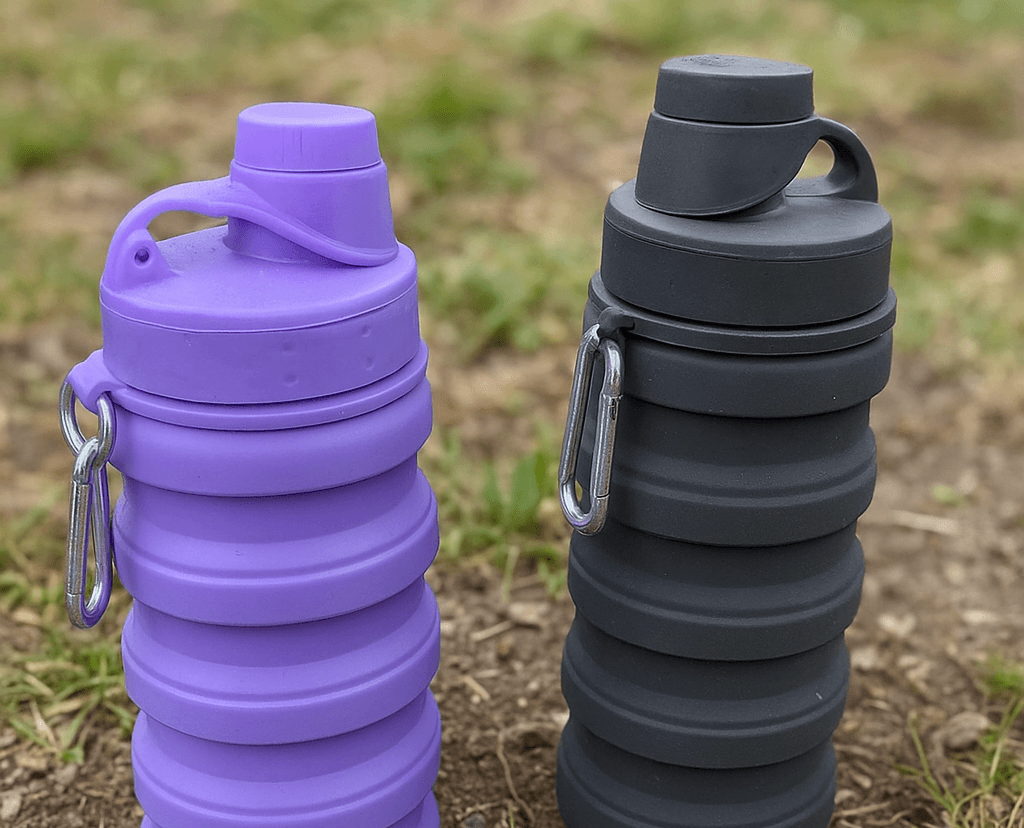
The carabiner clips are handy for attaching to pack loops, but they feel flimsy. At 500ml each, they’re too small to be primary bottles for most hikes. For ~$14, they’re fine as a travel convenience or emergency backup, but we wouldn’t rely on them for serious trail use.
Pros
- Extremely lightweight and packable
- Comes in a two-pack
- Carabiner clips for easy attachment
- Affordable
Cons
- Durability concerns (one leaked after a few days)
- Silicone can retain odors
- Small 500ml capacity
- Flimsy attachment clips
Bottom line
The YCTMALL collapsible bottles are a niche product best suited for ultralight travelers or as emergency backups. For primary hydration on the trail, we’d choose a more durable option.
How We Chose the Best Hiking Water Bottles
We wanted bottles that could survive real trail conditions without babying. That meant testing for leakproof performance after drops, how long insulation actually lasted in sun and shade, whether lids stayed secure in bouncing side pockets, and how easy bottles were to clean after repeated use. We also tracked weight, capacity, and whether drinking on the move felt natural or awkward. These factors matter because hydration shouldn’t be a hassle. If a bottle is annoying to use, you drink less, and that’s a problem on long hikes.
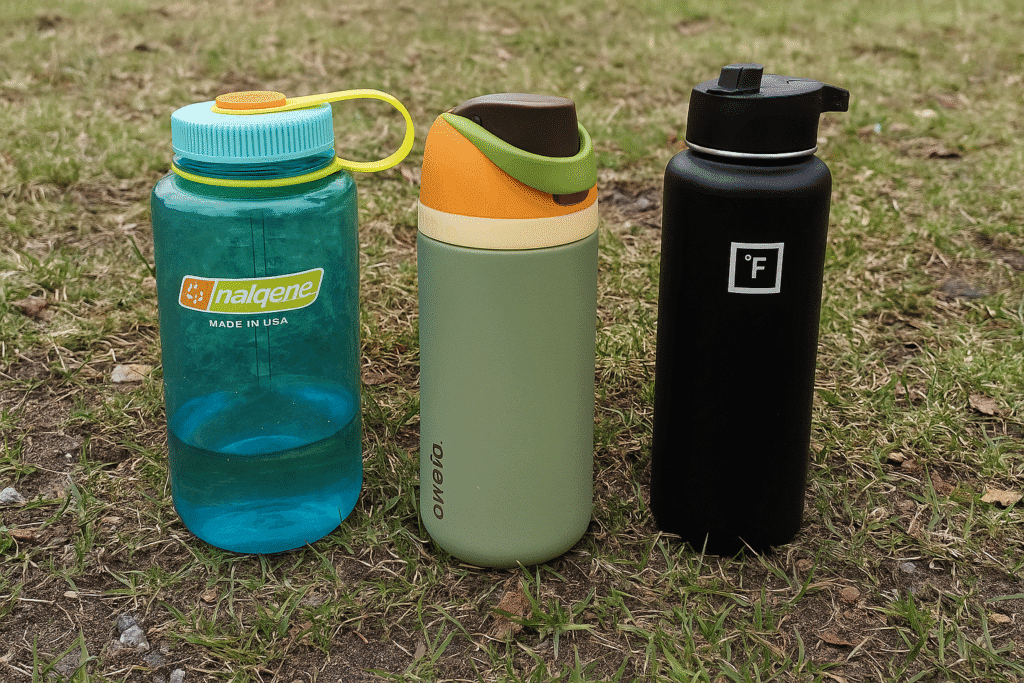
Testing Methods
- Cold retention: Filled bottles with ice water, recorded temps every 4 hours in ~80°F sun and shade
- Leak tests: Shook bottles vigorously, dropped them from waist height onto rocks, stuffed them sideways in packs
- Ease of use: Timed one-handed opening/drinking, tested how well lids stayed out of the way
- Durability: Tracked scuffs, dents, and material wear after 3 weeks of daily trail use
- Cleaning: Evaluated how easily bottles rinsed clean and dried without lingering odors
- Weight & capacity: Weighed empty bottles, measured actual usable volume vs stated capacity
- Safe materials: All featured bottles are BPA-free and made from food-grade materials. Many, like the Nalgene Sustain, use 50% recycled plastic
This approach gave us a clearer picture than just reading specs. We learned that listed cold retention times are optimistic, that some “leakproof” bottles aren’t, and that a bottle’s weight matters less than how it carries when full.
Test Results
| Product | Weight (empty) | Cold Retention (hours) | Leak Test | Ease of Cleaning | Durability |
|---|---|---|---|---|---|
| Nalgene Sustain | 6 oz | N/A | Passed | Excellent | Excellent |
| Owala FreeSip | 14 oz | 24+ | Passed | Good | Very Good |
| Raymylo Triple-Wall | 40 oz | 48+ | Passed | Good | Excellent |
| Sahara Sailor | 5.6 oz | N/A | Passed | Excellent | Fair |
| IRON °FLASK | 16 oz | 30+ | Passed | Good | Excellent |
| CamelBak Chute Mag | 7.2 oz | N/A | Passed | Excellent | Very Good |
| Hydration Bladder | 3.2 oz | N/A | Mixed | Fair | Fair |
| YCTMALL Collapsible | 4 oz | N/A | Failed | Fair | Poor |
Insulation vs Weight: What Actually Matters
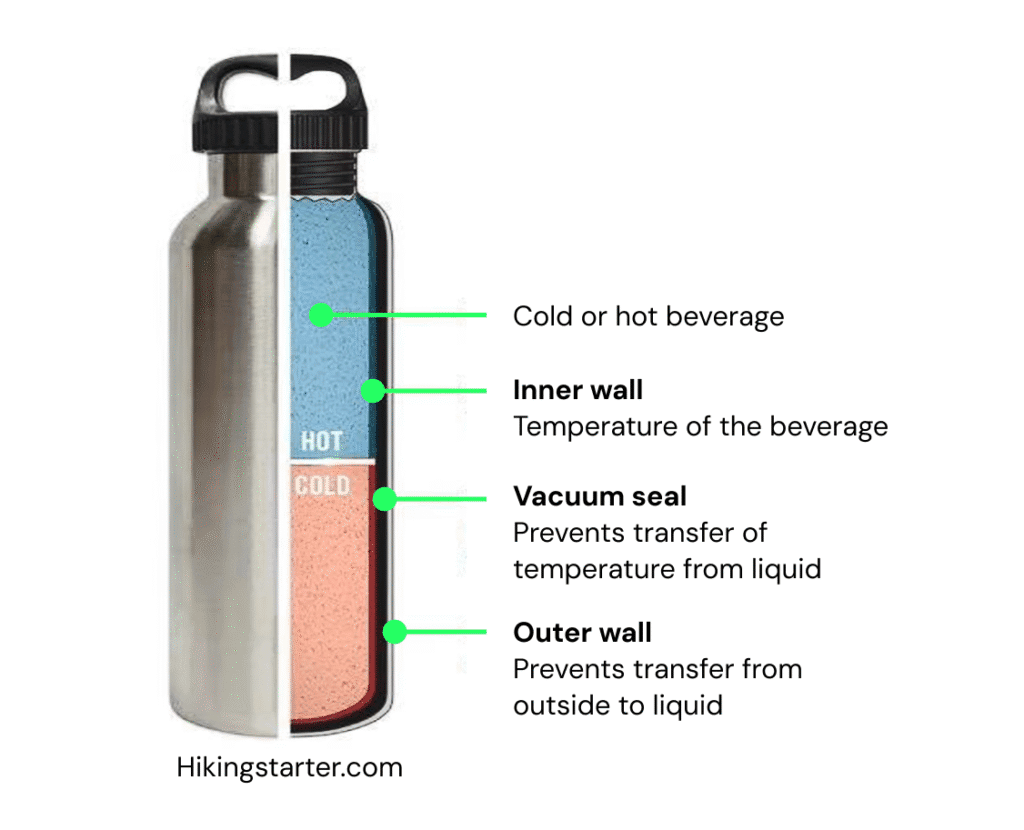
Insulated bottles keep water cold, but they’re heavier and bulkier. If you’re hiking in hot climates or over multiple days, the extra weight is worth it. Cold water tastes better and encourages you to drink more. But for quick morning hikes or cooler weather, an uninsulated Tritan bottle saves weight and simplifies your kit. We found that double-wall insulation (like the Owala) strikes a good middle ground, while triple-wall (like the Raymylo) is overkill unless you’re in extreme heat or need coffee to stay hot for hours.
The trade-off comes down to priorities. If you’re a gram-counter aiming for ultralight, stick with plastic. If you’re doing long desert hikes or camping where water sources are far apart, the weight penalty of stainless steel is worth it for the hydration payoff.
Leakproof Lids: Why Design Matters More Than Marketing
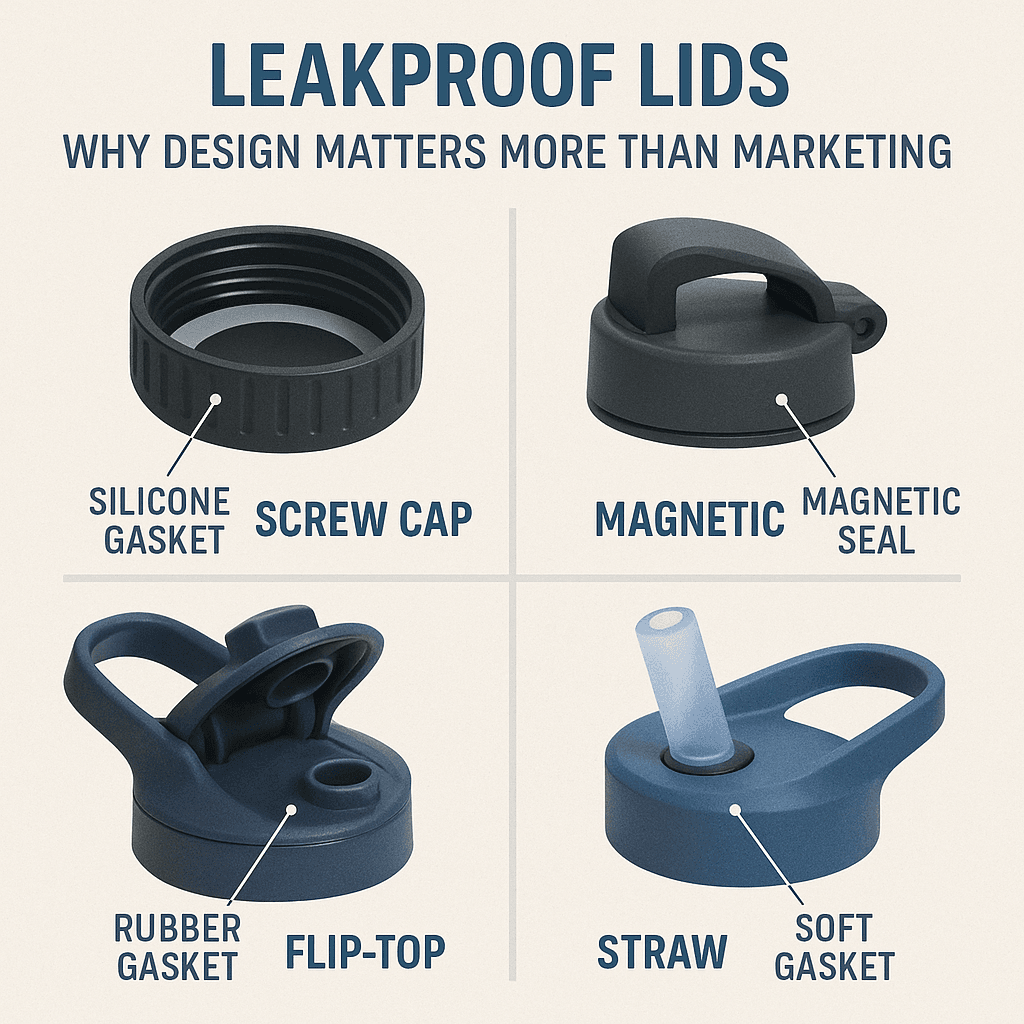
Every bottle we tested claimed to be leakproof, but only five actually passed our shake-and-drop test without issues. The difference came down to lid design. Screw caps with silicone gaskets (Nalgene, IRON °FLASK) were the most reliable. Magnetic lids (CamelBak) worked well but required a firm snap. Flip-top and straw lids were convenient but more prone to leaks if not fully closed. The hydration bladder and collapsible bottles both leaked under pressure, which is a dealbreaker for serious hiking.
If leakproofing is your top concern, stick with traditional screw caps or magnetic designs from established brands. Avoid gimmicky lids with lots of moving parts—they’re the first to fail when jostled in a pack.
Capacity and Refill Strategy
Bigger bottles mean fewer refills, but they’re heavier to carry. We found that 32-40 oz is the sweet spot for most day hikes, giving you 4-6 hours of hydration without making your pack awkward. For overnight trips or dry environments, the 50 oz CamelBak Chute Mag or 40 oz Raymylo made sense. Smaller bottles (like the 500ml collapsibles) are only practical as backups or for short hikes near water sources.
Think about your typical hike length and water availability. If you know you’ll pass streams or springs, a smaller bottle with a filter works fine. If water is scarce, invest in a larger insulated bottle and plan your refills accordingly.
Key Decision Factors
If you prioritize cold drinks: Go for vacuum-insulated stainless steel like the Raymylo or IRON °FLASK. These bottles keep water icy for 24+ hours even in direct sun. The weight penalty is real, but the hydration boost is worth it on hot trails. Double-wall models like the Owala offer a lighter middle ground with solid cold retention.
If you’re counting ounces: Choose uninsulated Tritan plastic like the Nalgene Sustain or CamelBak Chute Mag. They’re durable, lightweight, and easy to pack. You’ll give up cold retention, but you’ll save 8-12 oz of pack weight—meaningful on long hikes or thru-hikes.
If you want hands-free convenience: A hydration bladder fits inside most packs and lets you sip without stopping. The trade-off is cleaning hassle and less durability. They’re ideal for trail running or fast-paced hiking where you don’t want to slow down.
If you’re on a budget: The Nalgene Sustain (~$17) or Sahara Sailor (~$10) offer solid value for casual hikers. They’re not fancy, but they work. Save your money for other gear upgrades and stick with proven basics.
Before Buying
Sizing and Fit
Check if your pack’s side pockets fit your chosen bottle. Tall 50 oz bottles often don’t fit smaller packs, and wide insulated bottles may stick out awkwardly. Bring your pack to the store if possible, or measure your pocket depth and diameter before ordering online.
Material Longevity
Stainless steel lasts longer but shows dents. Tritan plastic scratches but doesn’t dent. Silicone collapsible bottles degrade faster and hold odors. Factor in replacement timelines—a $30 steel bottle that lasts five years is cheaper than replacing a $10 plastic bottle every year.
Cleaning and Maintenance
Wide-mouth bottles are easier to scrub. Straw lids require extra rinsing and occasional deep cleaning with a brush. Hydration bladders need to be flushed and dried after every use. If you’re not willing to maintain a complex lid or bladder, stick with simple screw caps.
Temperature Expectations
Insulated bottles are rated for ideal conditions. In practice, expect ~75% of the advertised cold retention time in real-world trail use. Pre-chilling the bottle and water before filling helps maximize performance.
Final Recommendations
For budget-conscious day hikers, the Nalgene Sustain offers unbeatable durability and simplicity at a low price. It won’t keep your water cold, but it will survive years of trail abuse without complaint.
For hot-weather hikers and multiday trekkers, the Raymylo Triple-Wall Insulated is worth the weight. Its 48-hour cold retention outperformed everything else in our tests, and the build quality inspires confidence on long trips.
For everyday versatility, the Owala FreeSip balances insulation, convenience, and style. The dual-mode lid is surprisingly practical, and it transitions easily from trail to gym to work.
Important: Test any new bottle on a short hike before committing to a long trip. Check for leaks, practice one-handed drinking, and see if the weight and size work with your pack and hiking style.
We purchased or sourced all bottles independently for testing and combined hands-on field use with research from authoritative sources. Some links in this article are affiliate links, which means we may earn a small commission at no extra cost to you if you make a purchase.
Frequently Asked Questions About Hiking Water Bottles
What’s the best material for a hiking water bottle?
Stainless steel offers superior insulation and durability but adds weight. Tritan plastic is lightweight, affordable, and impact-resistant but doesn’t keep water cold. Choose steel for hot climates and long trips, plastic for weight savings and budget hikes. Both are BPA-free and safe for drinking.
How long should an insulated bottle keep water cold?
Expect 20-30 hours of cold retention for double-wall bottles and 40+ hours for triple-wall models in real-world conditions. Pre-chilling your bottle and water before filling significantly improves performance. Advertised times assume ideal conditions—actual trail use with frequent opening and sun exposure reduces effectiveness by 20-30%.
Are wide-mouth or narrow-mouth bottles better for hiking?
Wide-mouth bottles are easier to fill from streams and clean thoroughly, and they accommodate ice cubes. Narrow-mouth bottles reduce splashing while drinking on the move. For hiking, wide-mouth is generally more practical unless you prioritize spill-free drinking during fast-paced activities like trail running.
How often should I replace my hiking water bottle?
Stainless steel bottles can last 5-10 years with proper care. Tritan plastic bottles last 2-5 years before showing wear like scratches or odor retention. Replace any bottle immediately if you notice cracks, persistent odors that don’t wash out, or compromised seals that cause leaks. Regular cleaning extends lifespan significantly.
Can I put hot liquids in any hiking water bottle?
Only insulated stainless steel bottles are safe for hot liquids like coffee or tea. Tritan plastic bottles can warp or leach chemicals when exposed to boiling water. Check manufacturer guidelines—most insulated bottles are rated for liquids up to 200°F and will keep drinks hot for 6-12 hours.
How do I prevent my water bottle from developing odors?
Rinse your bottle with warm soapy water after every hike and let it air dry completely with the lid off. Once a week, fill it with a mixture of warm water and a tablespoon of baking soda, let it sit overnight, then rinse thoroughly. For stubborn odors, use a bottle brush to scrub all interior surfaces and lid components.