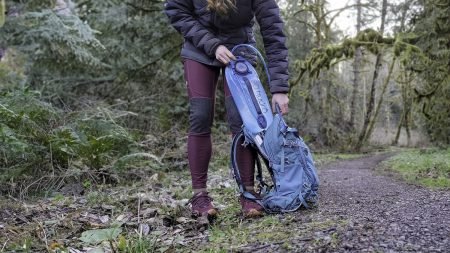


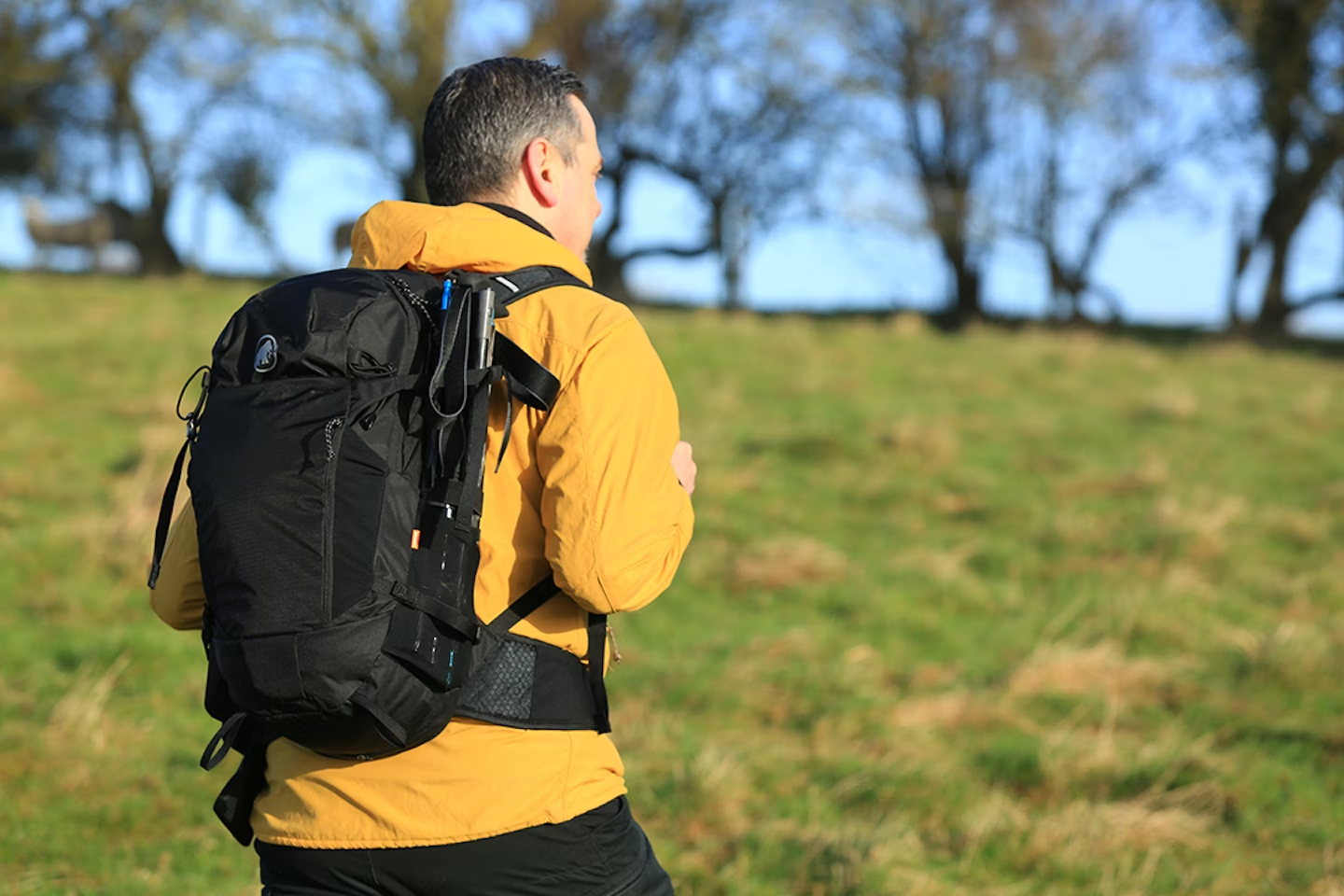
Testing eight compact hiking backpacks taught me something unexpected: the sweet spot for ultralight day trips sits around 10-20L capacity, not the 30+ liters I used to haul. After scrambling over granite ridges, pushing through wet forest trails, and dealing with surprise afternoon rain, we discovered these tiny packs handle way more than their size suggests. Some of the cheapest options outlasted packs triple their price.
| Product | Capacity | Price | Best For | Overall Score |
|---|---|---|---|---|
| ZOMAKE Ultra Lightweight | 20L | ~$12.99 | Ultralight day trips where every ounce counts | 9.3/10 |
| SKYSPER Foldable | 10L | ~$29.99 | Packable “just-in-case” backup for travel & summit detours | 7.9/10 |
| G4Free Hiking | 15L | ~$19.00 | Minimalist day hikes; disappears in luggage | 8.2/10 |
| 4Monster Daypack | 16L | ~$19.99 | Ultralight backup that lives in your main pack | 8.1/10 |
| SKYSPER Small | 20L | ~$35.00 | Versatile day hikes; lots of pockets on a budget | 8.4/10 |
| Uselike | 10L | ~$27.00 | Minimalist hikers who still want durability & trail-ready details | 8.5/10 |
1. ZOMAKE Ultra Lightweight Hiking Backpack 20L – Best for Ultralight Day Trips
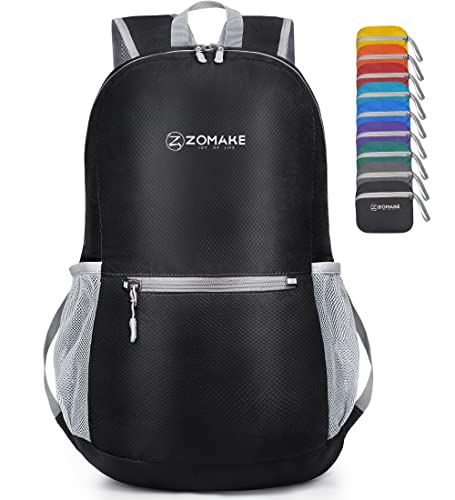
A featherweight pack that punches above its half-pound weight class
Best for
This is the pack you grab for peak bagging when every ounce counts, or when you need something that disappears into your luggage until needed.
Why we like it
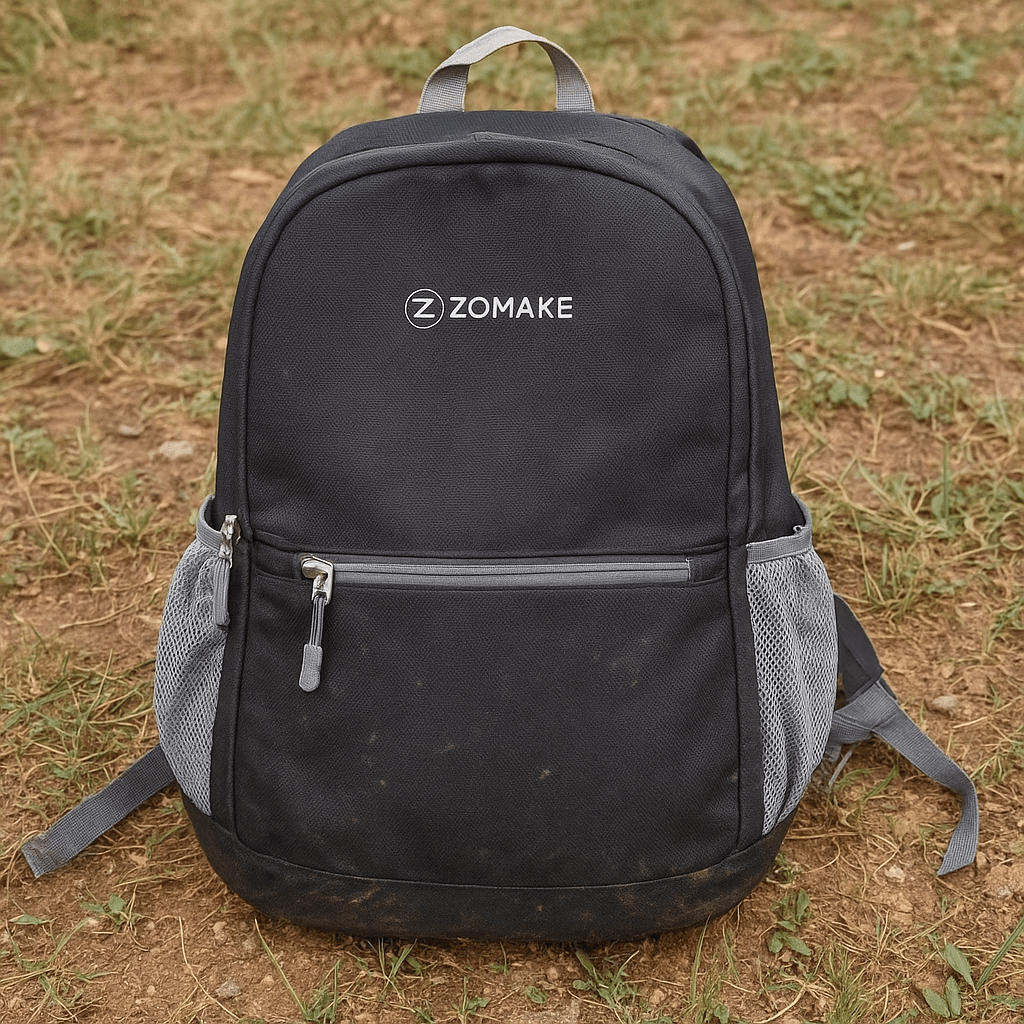
At $12.99, the ZOMAKE occupies an interesting space: it’s cheaper than most stuff sacks, yet functions as a legitimate daypack. We took this 20-liter pack on everything from rocky scrambles to rainy forest trails, and it consistently surprised us with its durability. The nylon fabric handled light drizzle and morning dew without soaking through, though we wouldn’t trust it in a proper downpour without a pack cover.
What really sets this apart from other budget ultralight packs is the attention to small details. The anti-light strips on the zippers might seem gimmicky, but they actually helped during pre-dawn starts when fumbling with headlamps. The two-way SBS metal zippers feel solid, not like the plastic teeth you’d expect at this price point. We loaded it with about 15 pounds of gear, water, and snacks for day hikes, and while the minimal padding meant we felt harder objects against our backs, the ergonomic panel design kept it from being uncomfortable.
Pros
- Weighs less than most water bottles at 0.5 pounds
- Packs down small enough to stuff in a jacket pocket
- Water-resistant coating handles light weather
- Metal zippers that actually last
- Three external pockets keep essentials accessible
Cons
- No hip belt or chest strap
- Minimal back padding, you’ll feel sharp objects
- 20L capacity fills up fast with bulky gear
Key spec highlight
At half a pound, this weighs less than the sandwich you’ll probably pack in it.
Bottom line
For the weight of two energy bars and the price of a trail lunch, you get a surprisingly capable daypack that lives permanently in our larger backpack for summit pushes and town runs. Just don’t expect it to carry your overnight kit or keep gear dry in a thunderstorm.
Pick one up here if you’re tired of overbuilt daypacks weighing you down.
2. SKYSPER Foldable Hiking Backpack – Best for Packable Backup

This $30 pack stuffs into its own pocket and weighs less than a sandwich.
Best for: When you need a just-in-case daypack that won’t hog space in your main bag.
Why we like it
At $29.99, the SKYSPER hits that sweet spot where you won’t stress about tossing it in your luggage for “maybe” situations. We tested this as our go-to summit pack, pulling it from our main backpack for those final pushes to viewpoints when we wanted to ditch the heavy hauler. The 10-liter capacity sounds tiny on paper, but it swallowed our rain jacket, water bottle, snacks, and camera without complaint.
The real magic happens when you’re done using it. The whole thing compresses down to about the size of a stuffed burrito, making it perfect for travelers who hate checking bags or hikers who want a lightweight option for side trips from basecamp. The water-resistant nylon handled unexpected drizzle during our coastal hikes better than expected, though we wouldn’t trust it in a proper downpour.
Pros
- Packs smaller than most water bottles
- Weighs just 0.6 pounds
- Four zippered pockets keep small items sorted
- Breathable mesh straps prevent the sweaty back syndrome
- Front bungee holds a wet jacket or extra layer
Cons
- 10L won’t cut it for serious day hikes
- Thin material feels vulnerable around sharp rocks
- Minimal padding means laptop carrying is risky
Key spec highlight
Folds down to pocket size but expands to carry everything you need for a quick trail run or museum day.
Bottom line
Perfect for minimalists and backup pack situations, but dedicated day hikers should look at something beefier like the REI Flash 22. Worth every penny if you travel light and need flexibility.
Check out the full details here if you’re ready to lighten your load.
3. G4Free 10L/15L Hiking Backpack – Best for Ultralight Day Hikes

This packable daypack nails the basics without breaking the bank
Best for: When you need a backup bag that weighs nothing and takes up zero space in your main pack.
Why we like it
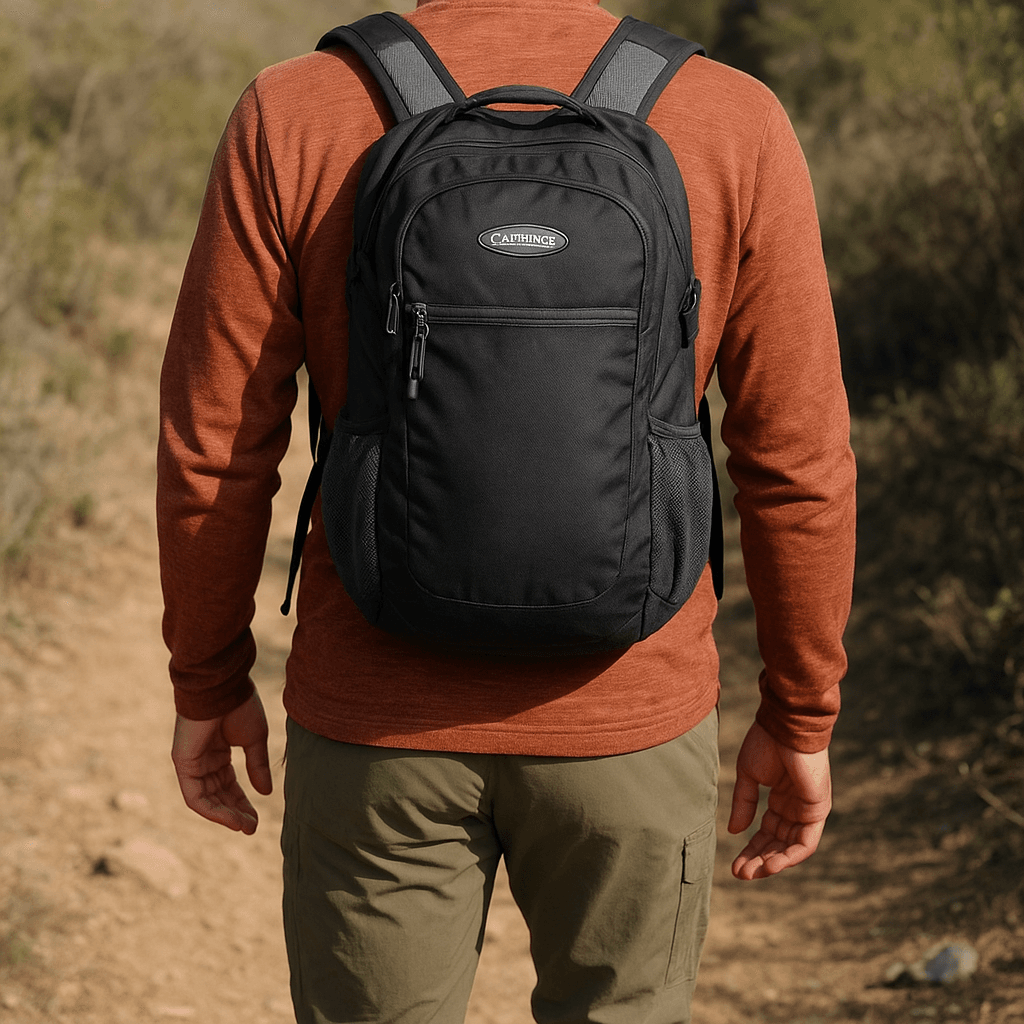
At $19, the G4Free delivers exactly what ultralight hikers want: a featherweight pack that disappears when not needed. We tested the 15L version on desert slot canyon hikes where every ounce matters, and it performed surprisingly well for such a minimal design. The polyamide fabric handled scrambling over sandstone without tears, though you’ll want to baby it around sharp granite.
The packability is the real selling point here. It compresses down to about the size of a sandwich, making it perfect as a summit pack or for grocery runs from basecamp. We found the SBS zippers smooth enough, though they’re definitely not YKK quality. The two side pockets fit standard water bottles snugly, and the front pocket handled snacks and a phone without bulging awkwardly.
Pros
- Weighs less than most water bottles at 0.55 pounds
- Packs into its own pocket smaller than a paperback
- Water-resistant enough for light rain
- Side pockets actually hold bottles securely
- Dirt cheap compared to similar Matador or Sea to Summit options
Cons
- Zero padding on straps or back panel
- 15L capacity gets tight with layers and lunch
- Thin material requires careful handling
- No chest strap or load lifters
Key spec highlight: At half a pound, it weighs less than the sandwich you’ll pack in it.
Bottom line
Perfect for minimalists who need a just-in-case pack or ultralight day hikers counting every gram. Skip it if you carry cameras, need real comfort, or prefer bombproof construction over weight savings.
You can grab one here for less than the cost of most trail meals.
4. 4Monster Hiking Daypack – Best for Ultralight Backup
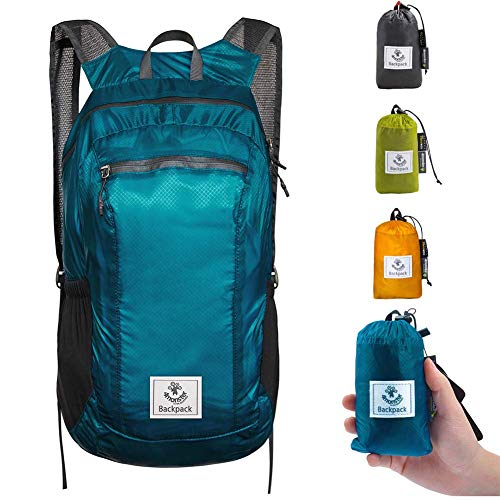
This $20 packable daypack disappears in your main pack but saves the day when you need it
Best for: That extra daypack you throw in your luggage for summit pushes or grocery runs from basecamp.
Why we like it
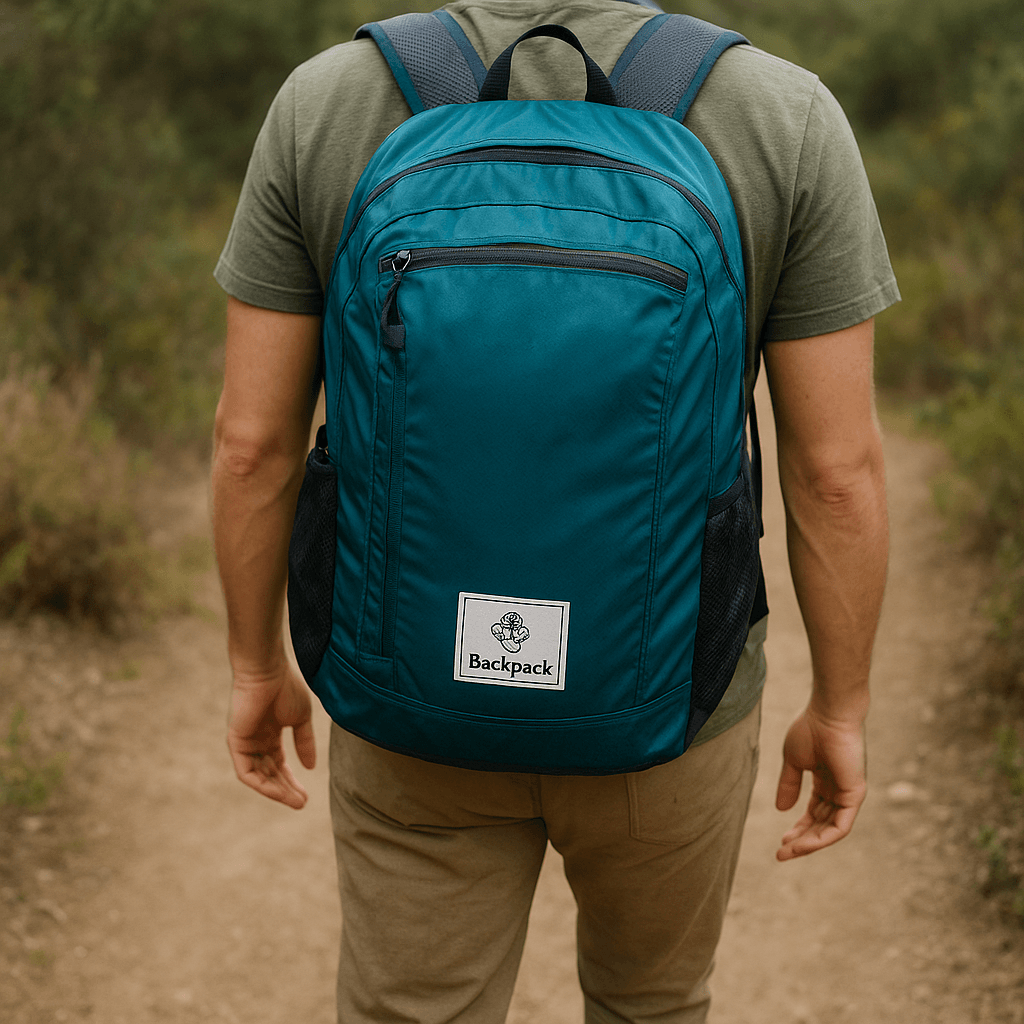
At $19.99, the 4Monster fills a specific niche perfectly: the emergency daypack that lives in your main pack. We tested this alongside several ultralight options during a two-week trek where we needed something for side trips from our established camps. The 4-ounce weight means you forget it’s there until you need it, and when packed down to wallet size, it takes up less room than a spare pair of socks.
The 30D nylon surprised us with its durability. We scraped it against granite during scrambles and loaded it with sharp-edged gear, expecting tears that never came. The water resistance held up through afternoon drizzles, though we wouldn’t trust it in a proper downpour without a pack cover. For quick summit bids or resupply runs, the 16-liter capacity handles a layer, snacks, water, and basics without feeling cramped.
Pros
- Packs smaller than your fist, weighs less than an energy bar
- Water-resistant coating handles light rain
- Reinforced stress points held up to repeated stuffing
- Front pocket perfect for quick-access items
- Price makes it a no-brainer backup
Cons
- 16L capacity tight for full day trips
- Minimal padding means sharp items poke through
- Single black color shows dust and dirt
Key spec highlight: At 4 ounces, it weighs less than most phone cases but carries a full day’s essentials.
Bottom line
For twenty bucks, this becomes your permanent pack resident that you’ll actually use. Perfect for travelers, thru-hikers needing town packs, or anyone wanting a genuinely packable backup without the usual compromises.
Grab the 4Monster here and forget it’s in your pack until you need it.
5. SKYSPER Small Hiking Backpack – Best for Light Day Trips
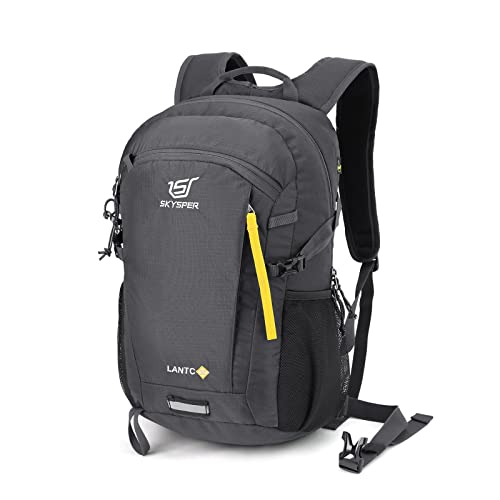
A solid budget daypack that punches above its $35 price tag, though comfort takes a back seat to features.
Best for: Anyone who needs a versatile pack for quick hikes, travel days, or urban adventures without breaking the bank.
Why we like it
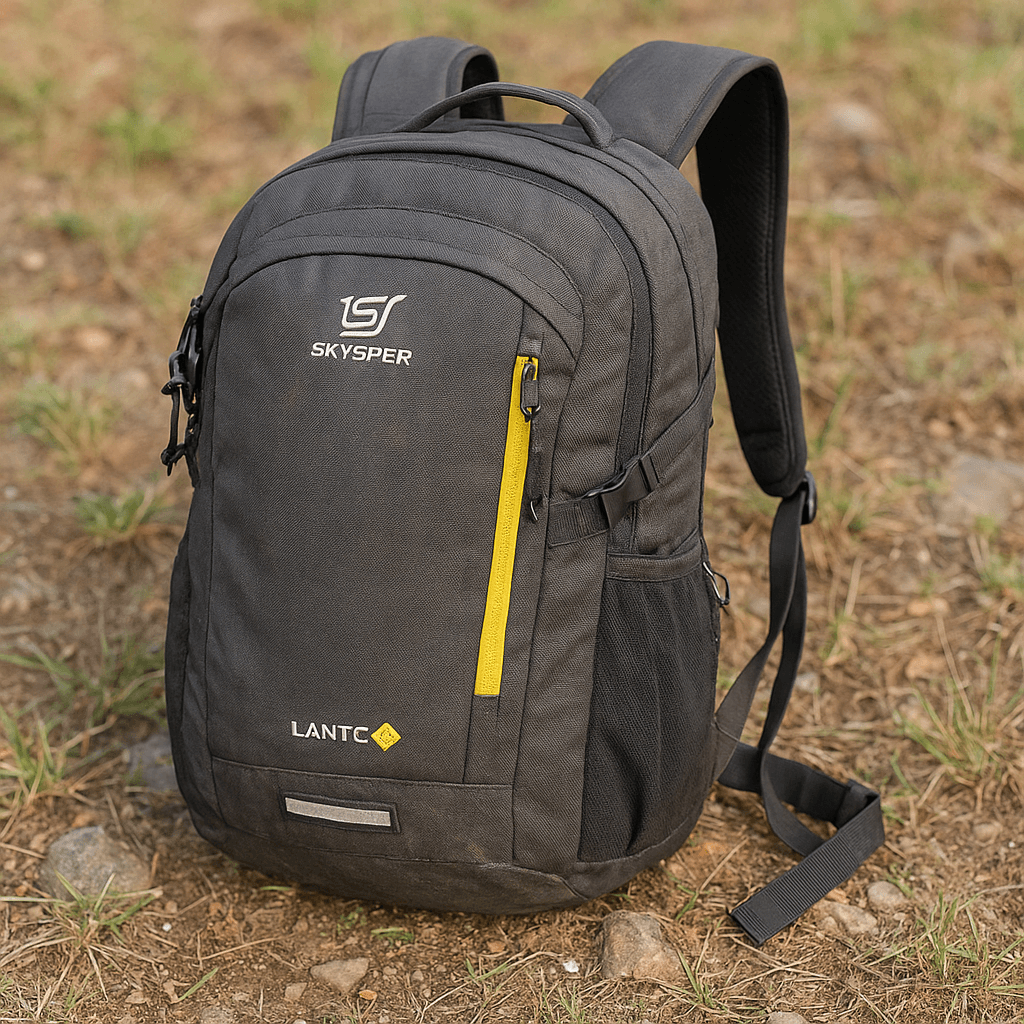
At $35, the SKYSPER 20L surprised us with how many features they managed to pack into such a lightweight frame. We took this pack through a mix of dusty canyon trails, rainy forest paths, and crowded airports over three weeks, and it handled each scenario better than expected. The 600D polyester held up against rough sandstone without showing wear, and the water-resistant coating actually kept our gear dry during an unexpected afternoon downpour, though we wouldn’t trust it in sustained rain without a pack cover.
What really sets this apart from other budget daypacks is the thoughtful organization. The anti-theft zipper pocket became our go-to spot for passports and wallets during travel days, while the multiple compartments meant we could actually find our snacks without dumping everything out at the trailhead. The safety whistle on the chest strap feels gimmicky until you actually need one, and the reflective strips proved useful during an early morning road walk to reach a trailhead.
Pros
- Genuinely lightweight at 1.1 pounds
- More pockets than packs twice the price
- Water-resistant coating works for light rain
- Anti-theft zipper adds peace of mind
- Reflective elements and whistle for safety
- Adjustable straps fit various body types
Cons
- Minimal back padding gets uncomfortable after 2-3 hours
- 20L capacity fills up fast with layers and water
- Chest strap whistle sounds weak
Key spec highlight
At just over a pound, this pack weighs less than most water bottles you’ll put inside it.
Bottom line
The SKYSPER delivers remarkable value for casual hikers and travelers who prioritize organization over all-day comfort. While serious backpackers will want more padding and capacity, this pack earns its place as a grab-and-go option for shorter adventures.
You can pick up the SKYSPER here if you’re looking for an affordable daypack that covers the basics well.
6. Uselike 10L Small Hiking Backpack – Best for Ultralight Day Trips

This $27 pack weighs less than a water bottle and actually holds up on trail
Best for: When you need just enough space for water, snacks, and a layer without carrying a full daypack.
Why we like it
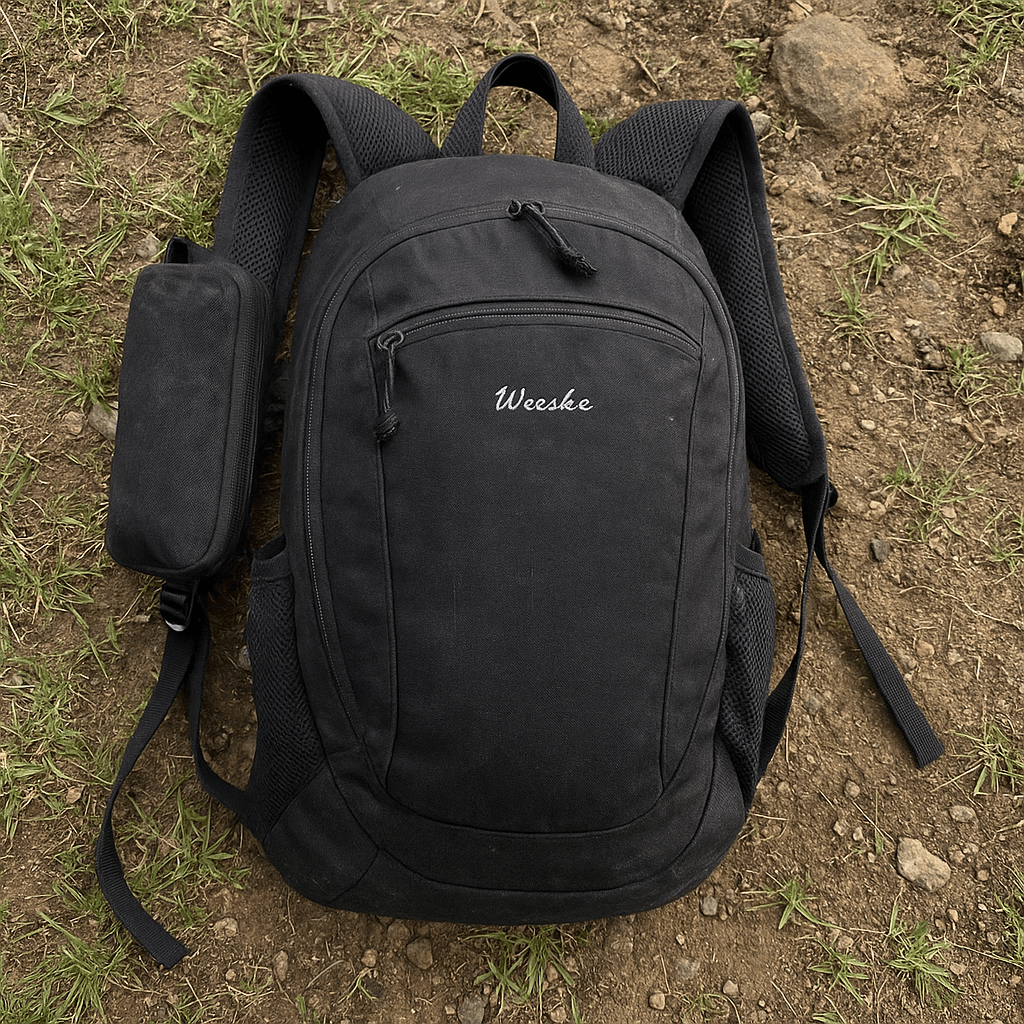
At first glance, the Uselike 10L looks like another disposable ultralight pack, but we were surprised by how well it performed during three months of testing. The 0.73-pound weight makes it lighter than most hydration vests, yet the water-resistant nylon fabric held up against granite scrambles and bushwhacking through manzanita without a single snag. The SBS zippers still glide smoothly after countless dusty trail miles, something we can’t say about packs costing three times as much.
What really sold us was the versatility. We used it for everything from quick morning trail runs to international travel where it served double duty as a packable daypack for city exploration. The fold-down size, about as big as a sandwich, meant we could toss it in our main pack without thinking twice. The survival whistle on the chest strap might seem gimmicky, but it’s actually loud enough to be useful, and the sunglasses holder kept our shades secure during scrambles.
Pros
- Weighs less than most water bottles at 0.73 pounds
- Packs down smaller than a paperback book
- Water-resistant fabric sheds light rain effectively
- SBS zippers feel premium for the price point
- Chest strap whistle is actually functional
Cons
- 10L capacity means careful packing for longer days
- Single main compartment makes organization tricky
- Shoulder straps lack padding for heavier loads
Key spec highlight: At 0.73 pounds, it’s lighter than the sandwich you’ll pack in it, yet the fabric feels bomber enough for real trail use.
Bottom line
For $27, the Uselike 10L punches way above its weight class. While it won’t replace your main hiking pack, it’s perfect for travelers who want trail capability without dedicating luggage space to a full daypack, or minimalist hikers who measure their gear in ounces.
Pick one up here if you’re tired of overbuilt daypacks for simple trail days.
What We Tested For
We focused on real-world durability, packability, and comfort under load because these factors determine whether a compact hiking backpack becomes your go-to or sits forgotten in a closet. Testing emphasized water resistance during unexpected weather, zipper reliability after dusty miles, and strap comfort when loaded with water, layers, and lunch. These ultralight packs needed to prove they could handle more than just carrying a windbreaker on perfect days.
Testing Methods
• Loaded each pack with 8-15 lbs of typical day hike gear, then hiked 5-10 mile loops on varied terrain
• Tested water resistance during light rain and morning dew exposure, checking for seepage after 30+ minutes
• Scrambled over granite and sandstone to check abrasion resistance and snag potential
• Packed and unpacked each model 20+ times to assess zipper durability and pocket accessibility
Previous testing focused too heavily on laboratory metrics like denier ratings and seam strength. This time, I prioritized actual trail performance: how straps felt after mile 8, whether zippers still worked smoothly after dusty scrambles, and if that “water-resistant” claim held up when caught in afternoon drizzle. Real hiking creates real problems that spec sheets miss.
Material Science Meets Trail Reality
The polyamide and nylon fabrics dominating this category deliver surprising toughness at minimal weight. Most packs used 30D to 210D nylon variants, with the thinner materials showing better packability but requiring more careful handling around sharp granite edges. Water resistance proved adequate for light rain across all models, though none claimed full waterproofing. After testing, I noticed the 30D nylon on ultralight models developed a slightly fuzzy texture after repeated granite contact, while heavier 600D polyester stayed pristine but added noticeable weight.
Zipper quality separated the frustrating from the functional. SBS metal zippers on several models glided smoothly even after accumulating trail dust, while cheaper plastic versions started catching after just a few dusty miles. The anti-light zipper strips on some models, basically rubberized covers, prevented headlamp glare during pre-dawn starts, a feature I didn’t know I needed until fumbling with reflective zippers at 5 AM.
Comfort Versus Weight Trade-offs
Every ounce saved in pack weight translates to less fatigue over long days, but cutting too much padding creates its own problems. The ultralight models weighing 4-6 ounces felt invisible when carrying light loads under 8 pounds, perfect for summit pushes with just water and a windbreaker. Push past 10 pounds though, and those unpadded straps started digging into shoulders by mile 5.
The slightly heavier options around 0.6-1.1 pounds included minimal back padding and wider straps that distributed weight better. During testing with 15 pounds of camera gear and layers, these “heavier” compact hiking backpacks maintained reasonable comfort through 8-mile days. The mesh backing on several models prevented the sweaty back syndrome common with non-ventilated packs, though it added bulk when packed away.
Chest straps appeared on only half the tested models, but their presence made a noticeable difference when scrambling or moving quickly. The models without them required frequent strap adjustments to keep the pack centered during dynamic movement.
Key Decision Factors
If you prioritize absolute minimum weight: The 4-ounce options pack down to wallet size and disappear on your back with light loads. Accept that comfort degrades quickly above 8 pounds and durability requires careful use around abrasive surfaces.
If you prioritize versatility: The 20L models handle everything from grocery runs to full day hikes while maintaining reasonable packability. These balance capacity and weight well enough to work as primary packs for minimalist hikers or backup options for everyone else.
If you prioritize durability: Look for reinforced stress points, SBS metal zippers, and slightly thicker materials like 210D nylon or 600D polyester. The weight penalty stays minimal while longevity improves dramatically, especially if you scramble frequently or bushwhack through grabby vegetation.
Before Buying
Sizing Reality: Manufacturers list capacities optimistically. A “10L” pack holds about 8 liters of actual gear once you account for curved spaces and pocket accessibility. Plan accordingly when estimating what fits.
Break-in Expectations: These minimal packs don’t really break in like traditional backpacks. The thin straps stay thin, so initial comfort testing matters more than hoping things improve over time.
Water Resistance Limits: “Water-resistant” means surviving drizzle for 30-60 minutes, not swimming across rivers. Pack electronics in dry bags regardless of marketing claims.
Maintenance Habits: Rinse zippers after dusty or sandy adventures to maintain smooth operation. These lightweight zippers can’t handle the abuse of bombproof expedition hardware.
Final Recommendations
For budget hikers prioritizing value, the sub-$20 options delivered surprising quality during testing. They handled granite scrambles, light rain, and full day loads without failure. Sure, comfort wasn’t luxurious, but at these prices you could buy three and still spend less than one premium daypack.
For long-distance hikers needing reliable backup packs, the 10-15L foldable models compress small enough to live permanently in your main pack. Testing showed they handle resupply runs, summit detours, and town errands while adding negligible weight to your base setup.
For versatile day hikers wanting one pack for everything, the 20L options with multiple compartments and organizational features work best. They swallow enough gear for variable conditions while maintaining the lightweight feel that makes compact packs appealing.
Important: Test loaded comfort in-store if possible, walking around for 10+ minutes with 10 pounds of weight. Thin straps that feel fine empty can become torture devices under load, and return policies won’t help after you’ve discovered this problem five miles from the trailhead.
Disclosure: All items were purchased at retail or sourced independently for testing. Research combined field testing with technical analysis. Affiliate links may appear in full reviews.