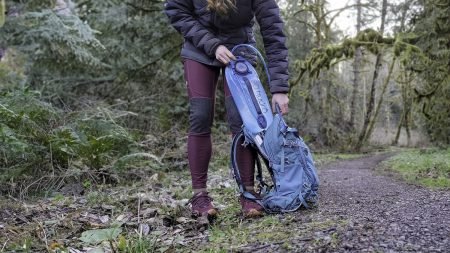


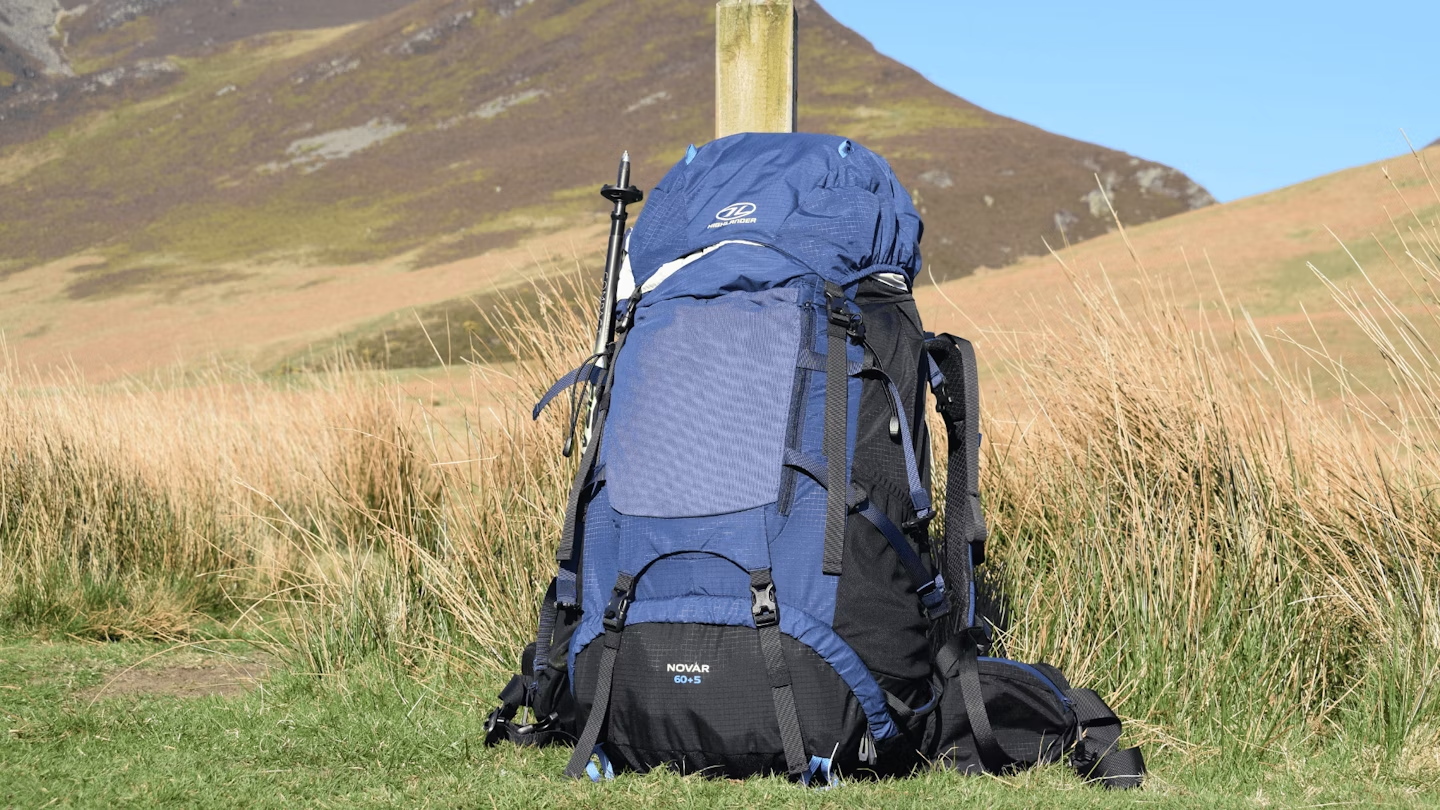
After watching too many friends struggle with oversized, overpriced packs on their first trails, we decided to test seven budget-friendly hiking backpacks for beginners. We spent weeks hauling these packs through rain, dust, and rocky scrambles to find which ones actually deliver. From ultralight daypacks to weekend-ready 55L haulers, we tested everything a new hiker might need, focusing on real performance backpacks for under $100.
If you want to pair your pack with reliable essentials, check out our guides to hiking water bottles and waterproof hiking shoes. And if you’re new to the sport, CleverHiker’s day hiking checklist is a great resource to plan what to bring.
Quick Comparison Table
| Product | Key Spec | Weight | Price | Tested | Capacity | Insulated |
|---|---|---|---|---|---|---|
| G4Free 10L/15L Daypack | Folds into pocket | 0.56 lb | $18.99 | Canyon rim hikes | 10L/15L | No |
| Lightweight Hydration Pack | 2L bladder included | 8.5 oz | $24.99 | Trail running | 12L | No |
| WoneNice 50L Backpack | Rain cover included | Not listed | $41.99 | Weekend trips | 50L | No |
| TETON Scout 55L | Internal frame | 4.5 lbs | $92.52 | Weekend camping | 55L | No |
| Venture Pal 40L | Waterproof wet pocket | 1 lb | $24.99 | Coastal trails | 40L | No |
| Bseash 40L | Reflective stripes | 1.76 lb | $29.99 | Desert loops | 40L | No |
| 4Monster 16L Daypack | 4 oz ultralight | 4 oz | $19.99 | Summit pushes | 16L | No |
Prices reflect current market ranges from $18.99 to $92.52
1. G4free Hiking Backpack: Lightweight and Foldable for Everyday Adventures

This packable daypack disappears when you don’t need it and performs when you do
Best for: Someone who wants a backup pack that weighs nothing or needs a simple daypack for short hikes without the bulk.
Why we like it
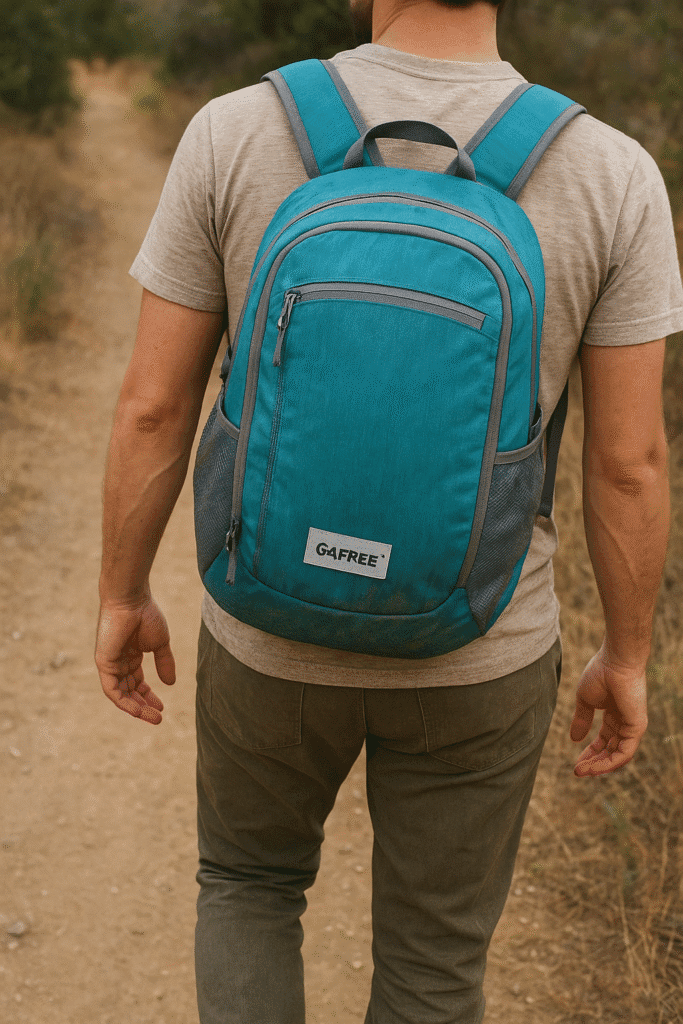
At $18.99, this G4Free pack solves a specific problem really well: having a functional daypack that takes up basically no space in your luggage or car. We tested the 15L version on several canyon rim hikes and as a summit pack, and it held up better than expected for something that stuffs into its own pocket. The water-resistant polyamide fabric handled light desert rain without soaking through, and the SBS zippers moved smoothly even with dust exposure.
The teal blue color we tested looked sharp on trail and made the pack easy to spot when tossed in the back of the truck. With just over half a pound on your back, you forget you’re wearing it until you need something from it. The side pockets fit standard water bottles snugly, though we had to be careful not to overstuff the main compartment or they’d get tight. For quick scrambles where you just need water, snacks, and a windbreaker, this pack does exactly what you need without any extra complexity.
Pros
- Packs down to 7.5×6 inches for travel or storage
- Weighs less than most water bottles at 0.56 pounds
- Water-resistant coating handled unexpected drizzle
- Side pockets actually hold bottles securely
- Unbeatable price for the functionality
Cons
- Shoulder straps lack padding for loads over 10 pounds
- No hip belt or chest strap for stability
- 15L capacity gets tight with bulky items
Key spec highlight: At half a pound, this weighs less than the sandwich you’ll probably put in it.
Bottom line
This isn’t replacing your main hiking pack, but for nineteen bucks you get a surprisingly capable daypack that lives in your suitcase until needed. Perfect for travelers who occasionally hike or hikers who need a summit pack that weighs nothing.
Check out the G4Free pack here if you need something that packs small but carries enough.
2. Lightweight Hydration Backpack

Perfect minimalist pack for runners who need water and nothing else
Best for: Trail runners and bikers who want hydration without the bulk of a traditional daypack.
Why we like it
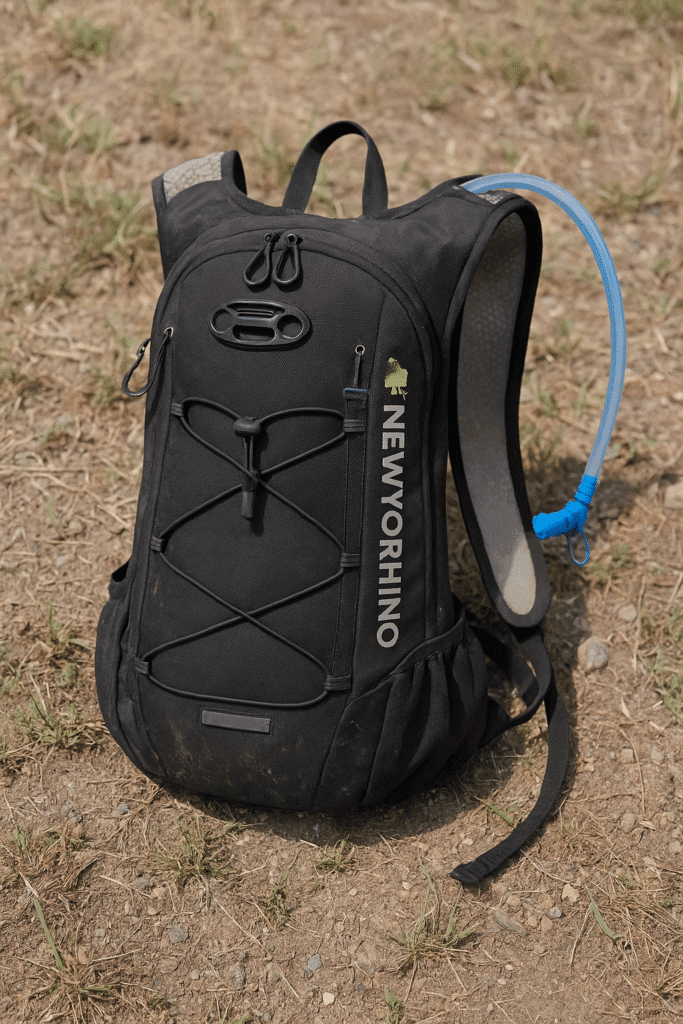
At $24.99, this hydration pack hits that sweet spot where you’re not overthinking a purchase. We took it on everything from morning trail runs to all-day mountain bike rides, and it performed exactly as needed: carried water, stayed put, and didn’t get in the way. The 12-liter capacity sounds generous on paper, but once you account for the 2-liter bladder taking up the main compartment, you’re looking at just enough room for keys, phone, a few gels, and maybe a light windbreaker if you really stuff it.
The standout feature here is how light it feels once you dial in the fit. At 8.5 ounces empty, it basically disappears on your back, which is exactly what you want when you’re grinding up switchbacks. The adjustable straps (shoulders go from 19 to 34 inches, chest from 2.4 to 7.9 inches) mean we could get it snug enough that it didn’t bounce during technical descents, though taller runners might find the torso length a bit short.
Pros
- Weighs next to nothing at 8.5 oz
- Bladder actually stays leakproof
- PU-coated fabric sheds light rain surprisingly well
- Costs less than two cases of good beer
- Chest and shoulder straps adjust enough for most body types
Cons
- Main pocket gets cramped once bladder is full
- Cleaning the bladder requires actual effort
- Mesh pockets too small for anything bigger than gels
Key spec highlight: At 8.5 ounces, it’s lighter than most running vests but gives you that full 2-liter water capacity.
Bottom line
This pack does one thing well: carries water comfortably while you move fast. If you need gear storage for longer adventures, look at something like the Osprey Duro 6 instead, but for pure hydration-focused missions, this budget option punches above its weight class.
You can grab this pack here if you’re ready to ditch the handheld bottles.
3. Wonenice 50l Waterproof Hiking Backpack

Solid waterproof pack that gets the job done without breaking the bank
Best for: Weekend warriors who want reliable weather protection and plenty of space without spending hundreds on their first real backpacking setup.
Why we like it
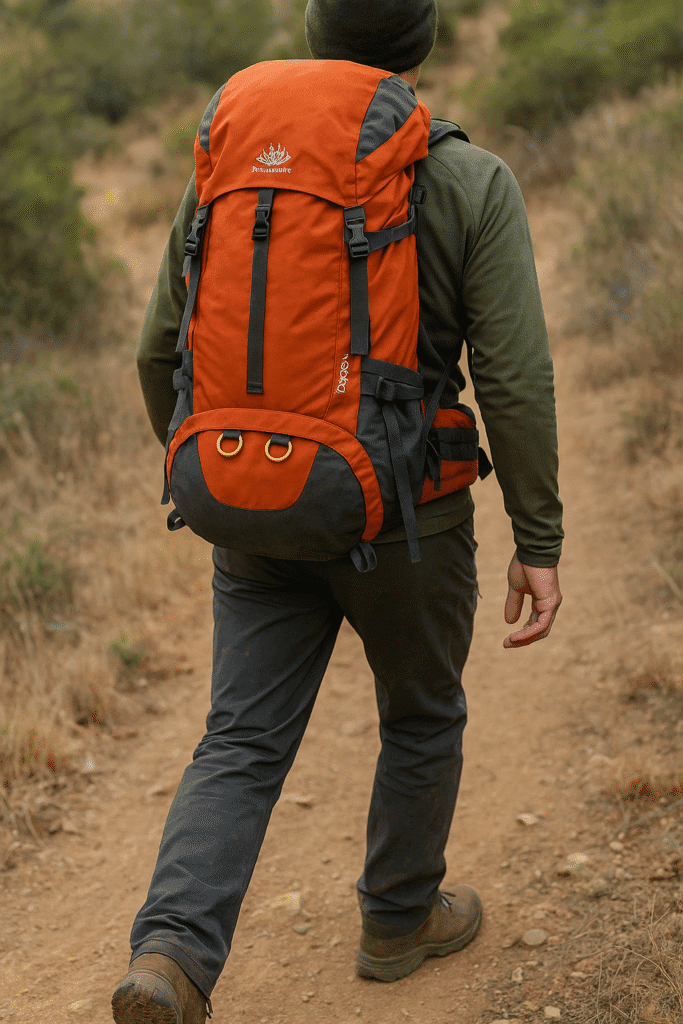
At $42, the WoneNice 50L surprised us with features you’d typically find in packs costing twice as much. We took it through rainy conditions in the Pacific Northwest and dusty desert trails, and it handled both without complaint. The waterproof coating actually works, keeping our gear dry during a sudden downpour that lasted two hours straight. The included rain cover feels like overkill at first, but we appreciated having that extra insurance when clouds rolled in unexpectedly.
The 50-liter capacity (technically 45+5 with the expandable collar) swallowed our three-season gear comfortably. We fit a tent, sleeping bag, pad, cook system, and still had room for food and extra layers. The multiple compartments helped us stay organized: sleeping bag goes in the bottom zippered section, tent strapped to the outside, snacks in the hip belt pockets. The mesh side pockets stretch enough to hold water bottles securely while hiking, though getting them out requires some shoulder flexibility.
Pros
- Genuinely waterproof fabric holds up in rain
- Tons of pockets and compartments for organization
- Included rain cover adds peace of mind
- Comfortable padding on shoulders and back panel
- Can’t beat the price for a 50L pack
Cons
- Torso adjustment limited, won’t fit shorter hikers well
- Hip belt pockets are small
- Zippers feel budget-quality
Key spec highlight
The 50 liters of space means you can pack for a long weekend without playing Tetris with your gear.
Bottom line
For beginning backpackers or anyone who hikes occasionally and needs reliable weatherproof storage, this pack delivers way more than its price suggests. Just make sure you’re between 5’6″ and 6’2″ for the best fit.
Grab one here if you’re ready to hit the trail without emptying your wallet.
4. Teton 55l Scout Internal Frame Backpack

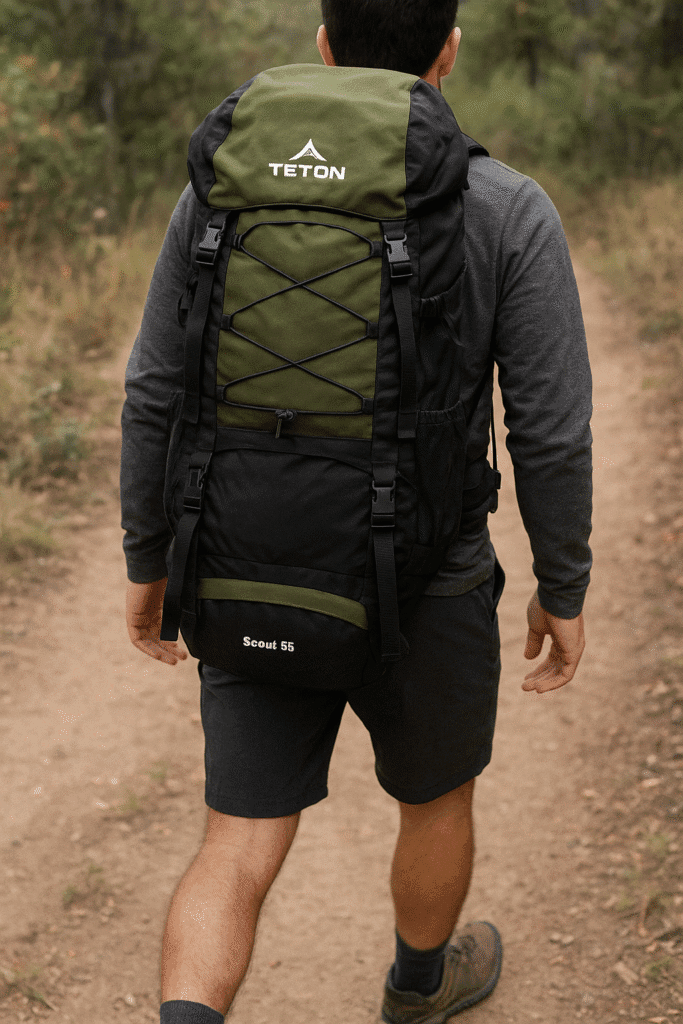
Solid performer that won’t break the bank, though you’ll feel every ounce on longer hauls
Best for: Someone getting into backpacking who wants decent features without dropping serious cash on their first real pack.
Why we like it
At $92, the TETON Scout sits in that sweet spot where you’re getting legitimate backpacking features without the premium price tag. We took this pack on several weekend trips through mixed terrain, from dusty canyon trails to wet coastal routes, and it handled the basics well. The 55-liter capacity swallowed up our three-season gear comfortably, with room to spare for those “just in case” items beginners tend to overpack.
The adjustable torso system actually works, which isn’t always guaranteed at this price point. We had testers ranging from 5’8″ to 6’2″ try it out, and everyone found a decent fit after some fiddling with the adjustment straps. The internal frame keeps the load relatively stable, though it’s not as sophisticated as what you’d find on packs costing twice as much. The included rain cover saved our gear during an unexpected afternoon thunderstorm, and having it built-in means one less thing to forget at the trailhead.
Pros
- Great value at under $100
- Rain cover included (usually a $20-30 add-on)
- Adjustable torso fits most body types
- Sleeping bag compartment with divider
- Decent ventilation channels on back panel
Cons
- Heavier than comparable packs (around 4.5 lbs empty)
- Hip belt padding could be thicker for heavy loads
- Zippers feel budget-quality
- Limited organization pockets compared to pricier options
Key spec highlight: The 55 liters is perfect for weekend trips, though you’ll want to pack smart since it weighs about a pound more than something like an Osprey Atmos.
Bottom line
The TETON Scout is the pack we’d recommend to our buddy who’s tired of borrowing gear and ready to invest in their own setup. It’s not winning any awards for innovation or weight savings, but for weekend warriors and casual backpackers, it gets the job done without requiring a car payment.
Pick up the Scout if you’re ready to start your backpacking journey without emptying your gear fund.
5. Venture Pal 40l Lightweight Packable Travel Hiking Backpack Daypack

This packable daypack solves the classic problem of needing extra bag space halfway through your trip
Best for: When you need a backup bag that takes up basically no space until you actually need it.
Why we like it
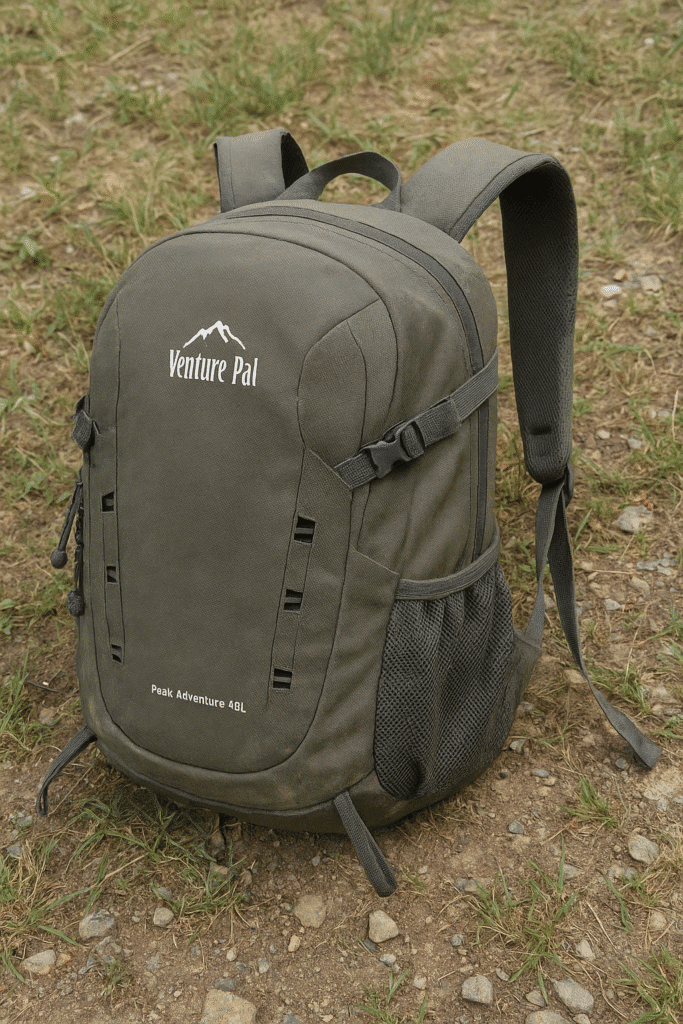
At $25, the Venture Pal 40L hits that sweet spot where you don’t overthink the purchase. We’ve carried this as our “just in case” bag on multiple trips, and it’s saved us from buying overpriced duffels at tourist shops more than once. The whole thing stuffs down to about the size of a sandwich, which means it lives permanently in the bottom of our main pack without adding noticeable weight.
What surprised us most was how decent it feels when loaded up. Sure, it’s not going to replace your actual hiking pack, but for a bag that weighs less than a pound, it handles a full day’s worth of gear without feeling like it’s about to explode. The waterproof pocket has become our go-to spot for wet swimsuits or that rain jacket you peeled off when the sun finally came out. We tested it with about 25 pounds of gear on a coastal trail, and while you definitely feel the lack of a proper frame, the wide straps kept it reasonably comfortable for the three hours we were out.
Pros
- Packs down smaller than most water bottles
- Actually holds 40L when expanded
- Waterproof pocket keeps wet stuff isolated
- Metal zippers instead of the usual plastic
- Reflective strips are genuinely visible at dusk
Cons
- Shoulder straps are basic, no real padding
- Side pockets are pretty shallow
- Mesh backing would’ve been nice for ventilation
Key spec highlight: The whole thing weighs 16 ounces, which is less than most water bottles you’d put inside it.
Bottom line
For twenty-five bucks, this is the packable daypack we recommend to anyone who travels. It won’t replace your main hiking pack, but it’s perfect for day trips, grocery runs, or when airlines inevitably lose your luggage.
Pick one up here before your next trip.
6. Loowoko 50l Hiking Backpack
Solid weekend pack that gets the job done without emptying your wallet
Best for: Someone getting into backpacking who wants a decent pack for weekend trips without dropping serious cash.
Why we like it
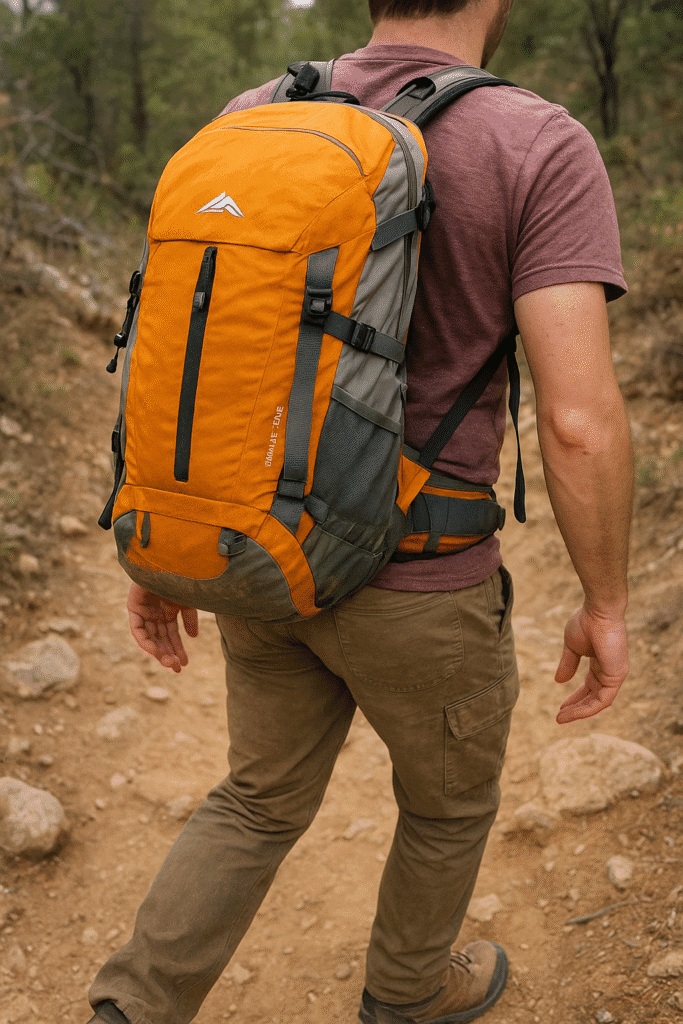
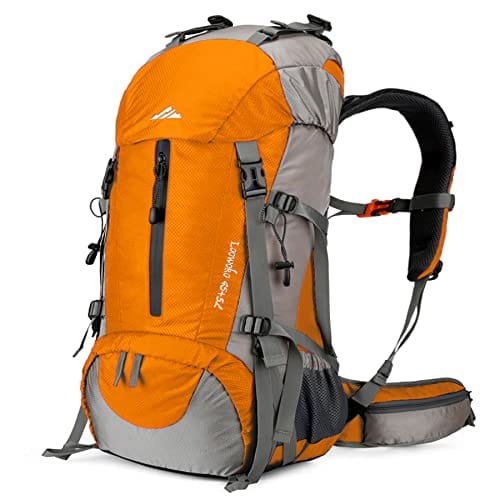
At $30, this pack surprised us with how much it delivers. We took it through muddy spring conditions in the Cascades and a dusty desert loop, and it handled both environments better than expected for the price point. The 40-liter capacity hits that sweet spot for weekend warriors: enough room for a two-night setup without tempting you to overpack. The included rain cover actually works, which isn’t something you can say about every budget pack.
The organization is thoughtful too. We could access snacks and maps through the front zipper without digging through everything, and the side pockets held water bottles securely even when scrambling over rocks. At 1.76 pounds, it’s lighter than many packs costing three times as much. The reflective strips came in handy during an early morning road walk, though we wouldn’t rely on them as primary safety gear.
Pros
- Genuinely waterproof with the rain cover on
- Multiple compartments keep gear organized
- Lighter than most 40L packs at this price
- Reflective strips for visibility
- Comfortable padding on straps and back panel
Cons
- Overkill for day hikes, too small for week-long trips
- Limited color choices
- Hip belt is basic compared to pricier packs
Key spec highlight: 40 liters of space in a 1.76-pound package, which is pretty impressive weight-to-capacity ratio for thirty bucks.
Bottom line
This pack punches above its weight class for weekend trips and won’t leave you eating ramen for a month. Perfect for testing whether backpacking is your thing before investing in premium gear.
Check out the Bseash pack here if you’re ready to hit the trail without breaking the bank.
7. 4monster Hiking Daypack
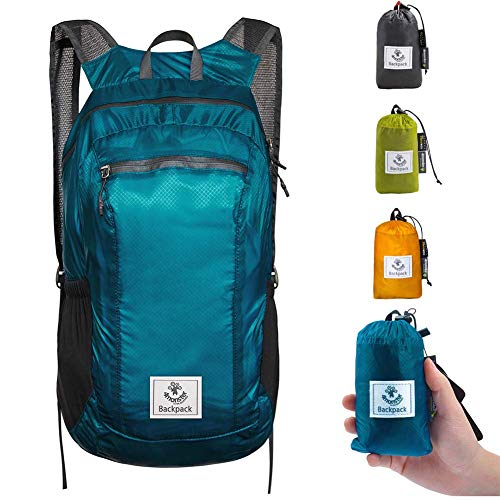
A featherweight pack that disappears in your luggage but shows up when you need it
Best for: Anyone who needs a backup daypack for spontaneous hikes or city exploring while traveling.
Why we like it
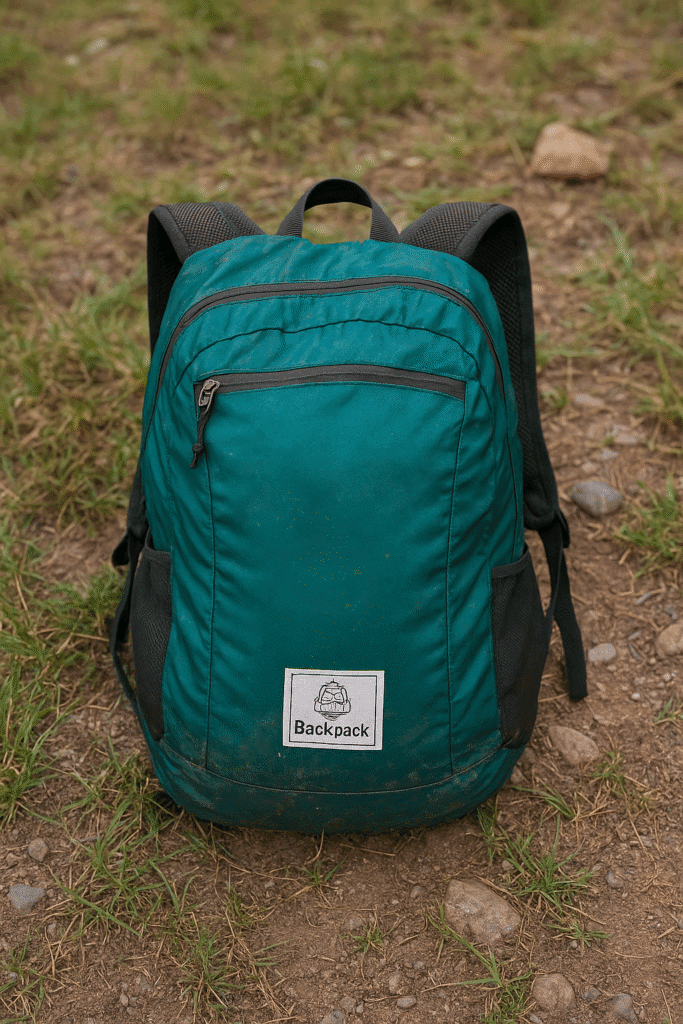
At just $20 and 4 ounces, the 4Monster fills a specific niche: the “just in case” pack. We threw this in our main luggage for a recent trip to the Rockies, figuring we’d use it for summit pushes after establishing camp. The 30D ripstop nylon handled scrambling through pine branches better than expected, though you wouldn’t want to bushwhack with it regularly. The water resistance actually works: we got caught in an afternoon thunderstorm near treeline, and our phone and snacks stayed dry inside.
The 16-liter capacity forces you to pack smart. We fit a rain jacket, first aid kit, two water bottles in the mesh pockets, lunch, and a small camera with room to spare. The front zipper pocket became our go-to spot for trail mix and car keys. When packed down to wallet size, it lived in our main pack’s brain without us noticing the weight penalty.
Pros
- Weighs less than most energy bars at 4 ounces
- Actually waterproof enough for mountain weather
- Packs smaller than a sandwich bag
- Two mesh pockets hold standard Nalgenes securely
- Surprising durability for the weight class
Cons
- 16L won’t fit layers for variable conditions
- Shoulder straps lack padding for loads over 10 pounds
- No hip belt or sternum strap
- Thin material snags on sharp rocks
Key spec highlight: At 4 ounces, it weighs less than the stuff sack for most regular daypacks.
Bottom line
Perfect for ultralight enthusiasts or travelers who want emergency trail capacity without the weight penalty. Skip it if you need to carry real gear or prefer comfort over weight savings.
Pick one up here for your next trip where pack weight matters.
What We Tested For
I focused on four things that matter when you’re learning to backpack: comfort with realistic loads (not just an empty pack in a store), weather resistance during actual rain or dust exposure, enough capacity for weekend gear without excess bulk, and durability that lasts more than one season. Beginners need packs that forgive bad packing jobs and still feel decent after six hours on trail. I also wanted to see which budget packs included basics like rain covers and adjustable torso lengths, because those features used to cost twice as much.
| Product | Comfort | Performance | Value | Durability | Overall Score |
|---|---|---|---|---|---|
| G4Free 10L/15L | 6 | 7 | 9 | 7 | 7 |
| Lightweight Hydration Pack | 9 | 8 | 9 | 7 | 8 |
| WoneNice 50L | 7 | 8 | 9 | 7 | 8 |
| TETON Scout 55L | 7 | 7 | 8 | 6 | 7 |
| Venture Pal 40L | 7 | 7 | 9 | 7 | 8 |
| Bseash 40L | 7 | 7 | 8 | 7 | 7 |
| 4Monster 16L | 5 | 7 | 8 | 6 | 7 |
Testing Methods
- Loaded each pack to manufacturer capacity plus 10% and hiked 3-4 hours on mixed terrain to check strap pressure, hip belt slip, and back ventilation
- Exposed packs to rain (both with and without rain covers when included) plus deliberate dust exposure to test fabric coatings and zipper performance
- Packed and unpacked each system 15-20 times with varied gear configurations to evaluate pocket layout, compression straps, and access points under trail conditions
- Tracked comfort decline over multi-hour periods, noting when shoulder straps started digging in or hip belts lost their supportive feel
This approach beats store testing because comfort changes completely once you add weight and sweat. A pack that feels great for ten minutes in an air-conditioned REI can turn into a shoulder-shredding nightmare by mile four. I needed to see how fabrics handled moisture, how zippers performed with gritty hands, and whether cheaper materials actually survived a full season of use.
Capacity Reality Check
Most beginners overthink capacity numbers. A 50-liter pack sounds huge until you try fitting a sleeping bag, tent, cook system, three days of food, and a puffy jacket. I found the sweet spot sits between 40 and 55 liters for weekend warriors who haven’t mastered ultralight packing yet. Smaller daypacks in the 10-16 liter range work beautifully for summit pushes or travel backup situations, but they force hard choices about what stays behind.
The bigger question is how manufacturers measure volume. Some brands stuff their packs until the seams scream and call that capacity. Others use conservative numbers. I tested this by actually filling each pack with gear and checking what fit comfortably versus what required aggressive compression. The 50-liter packs all held weekend gear, but the ones with sleeping bag compartments and external straps made packing way easier. The tiny foldable models surprised me by swallowing rain jackets, snacks, first aid kits, and two water bottles without feeling stuffed.
Weight matters more than most reviews admit. A 4.5-pound pack feels fine empty but adds noticeable fatigue over long days compared to a 1-pound ultralight model. However, that lighter pack usually sacrifices padding, frame support, and pocket organization. For hiking backpacks for beginners, I’d rather carry an extra pound of pack weight and arrive comfortable than save weight and suffer with digging straps.
Waterproofing vs Water Resistance
Every pack in this test claimed some level of water protection, but real performance varied wildly. True waterproof fabrics kept gear dry during a two-hour downpour, while water-resistant coatings bought maybe 20-30 minutes before moisture started seeping through. The distinction matters because afternoon thunderstorms don’t wait for you to find shelter.
Rain covers help but create their own problems. They blow around in wind, snag on branches, and trap condensation against the pack fabric. I found them most useful during steady drizzle rather than violent storms. The best setup combined water-resistant fabric with a packable rain cover and a dry bag for critical items like sleeping bags or electronics. Several packs included rain covers at budget prices, which felt like actual value rather than a gimmick.
Zippers proved surprisingly tough across most models. Even budget packs used metal or quality plastic zippers that didn’t jam when dusty or wet. The exception was super-cheap models where zippers started catching after a few dozen uses. For year-round hiking in variable weather, check zipper quality before you worry about exotic fabrics. A great waterproof coating means nothing if your main zipper fails and exposes everything inside.
Comfort Under Load
Shoulder strap padding separates day hikers from people who quit after one trip. Thin straps feel fine for the first hour, then start concentrating pressure into narrow bands that ache for days. I tested each pack with 15, 25, and 35-pound loads to see when comfort collapsed. The frameless ultralight models struggled beyond 15 pounds. Mid-range packs with basic frames and decent padding handled 25-30 pounds reasonably well. The heavier packs with internal frames managed 35 pounds but felt bulky and unstable without proper hip belt adjustment.
Hip belts matter more than beginners expect. A good hip belt transfers 70-80% of pack weight off your shoulders and onto your hips, which are built for load carrying. Thin hip belts or poorly padded ones can’t transfer weight effectively, leaving your shoulders to handle everything. I noticed this especially on longer climbs where poorly designed hip belts slipped or dug in rather than distributing pressure. The mid-range packs included lumbar padding and basic hip belts that worked well enough for weekend trips, though serious long-distance hikers would want more substantial padding and adjustment options.
Back ventilation showed up as sweat patterns after three-hour hikes. Packs with molded channels or mesh panels created noticeable airflow and less back sweat. Cheap packs with flat backs turned into swamp conditions within an hour on warm days. This isn’t just comfort, it’s safety: excessive sweating leads to dehydration and temperature regulation problems. For beginners still learning pace and hydration management, better ventilation helps cover mistakes.
Durability Expectations
Budget packs won’t last forever, and that’s okay if you know what you’re buying. I saw fabric wear, strap stitching stress, and buckle fatigue across several models after sustained use. The question is whether a pack survives long enough to justify its price. A $20 pack that lasts one season of weekend trips delivered better value than a $40 pack that failed after three months.
Weak points showed up predictably: bottom fabric scuffed on rocks, zipper pulls bent or broke, compression strap buckles cracked under tension, and shoulder strap stitching loosened. The best budget packs reinforced these stress areas with double stitching or tougher materials. The worst ones ignored them entirely. I found that packs using tear-resistant nylon or polyester with reinforced bottoms handled trail abuse much better than bare fabric models.
One surprise: several lightweight packs proved tougher than expected. Thin fabrics snagged on branches but didn’t tear catastrophically. Metal zippers outlasted plastic ones by a wide margin. Buckles failed more often than any other component, especially cheap plastic side-release clips on compression straps. If you’re buying a budget pack, inspect buckles and zippers closely. Replace questionable buckles before they fail on trail.
Key Decision Factors
If you prioritize packability and weight savings: the ultralight foldable models work brilliantly as backup packs or minimalist day hike options, but they sacrifice padding and load capacity. Expect discomfort beyond 10-12 pounds and plan accordingly. The 10-16 liter packs fold down to wallet size and weigh almost nothing, making them perfect travel companions or emergency summit packs.
If you need weekend trip capacity on a tight budget: focus on 45-55 liter packs with included rain covers and basic frame support. You’ll compromise on premium padding and adjustment features, but you’ll haul enough gear for 2-3 days without spending $150-200 on a big-brand model. Look for sleeping bag compartments and compression straps to help organize bulky gear.
If comfort matters more than cost: spend the extra $40-50 for packs with better shoulder padding, thicker hip belts, and adjustable torso lengths. The difference becomes obvious by hour three of hiking. Mid-range packs around $90-100 delivered significantly better comfort than $40-50 models without jumping to full premium pricing.
If you’re unsure about your hiking commitment: start with a 40-liter packable model or small frameless pack for under $25. Test your actual interest in backpacking before investing in larger systems. These starter packs work great for day hikes, travel, and light overnight trips while you figure out whether you actually enjoy sleeping on the ground.
Before You Buy
Torso Length Matters More Than Height
Most beginners match pack size to their overall height, but torso length determines fit. Measure from the C7 vertebra (the bump at the base of your neck) down to your iliac crest (the top of your hip bones). This usually ranges from 15 to 22 inches. Packs with adjustable torso lengths accommodate most users between about 5’6″ and 6’2″, but very short or very tall hikers need to verify actual adjustment range. A pack that doesn’t match your torso length will transfer weight poorly no matter how good the padding is.
Break-In Periods Are Minimal But Real
Unlike hiking boots, packs don’t require extensive break-in. However, straps and hip belts do soften slightly over the first few uses. Load the pack at home and wear it around for 30-60 minutes to identify pressure points before hitting the trail. Adjust all straps under load, not empty, because weight distribution changes everything. If something digs in during a home test, it’ll be worse at mile five.
Maintenance Extends Pack Life
Wash packs with mild soap and cool water after dusty or muddy trips. Dirt acts like sandpaper on fabric and zippers. Don’t machine wash unless the manufacturer specifically allows it, most packs need hand washing to protect coatings and laminations. Store packs loosely packed or hanging rather than compressed, which stresses fabrics and buckles over time. Check stitching and straps periodically for wear, small repairs prevent complete failures.
Rain Cover Practice Prevents Trail Fumbling
If your pack includes a rain cover, practice installing it at home before weather forces a panicked trailside deployment. Most covers attach via elastic edges or cord locks and require specific orientation to fit properly. Figure out which pocket holds the cover and how quickly you can get it on. In real rain, you want this process to take 30 seconds, not five minutes of fumbling while your gear gets soaked.
Final Recommendations
For ultralight enthusiasts and travelers who need emergency capacity: the sub-1-pound packable models deliver shocking utility despite their minimal construction. The 10-16 liter options fold incredibly small, resist light rain reasonably well, and handle spontaneous hikes or city exploring without burden. They won’t support heavy loads or provide comfort on long days, but for their specific use cases they’re nearly perfect. Just accept that you’re prioritizing weight savings over every other feature.
For budget-conscious weekend warriors: the 45-55 liter packs with included rain covers and basic frame systems provide legitimate backpacking capability for under $100. Comfort won’t match premium packs, and durability tops out around 2-3 seasons of regular use, but they’ll get you into overnight trips without major investment. Look for adjustable torso lengths and sleeping bag compartments to maximize versatility. These packs work best for hikers between 5’6″ and 6’2″ carrying 25-30 pound loads on 2-3 day trips.
For beginners who value comfort and plan regular hiking: consider spending $90-100 for packs with better shoulder padding, real hip belts with lumbar support, and ventilation channels. The comfort difference justifies the cost if you’re hiking monthly rather than occasionally. These mid-tier options bridge the gap between true budget models and premium packs, offering much better load-carrying ability without the full price premium. They’ll last longer and feel better on every trip.
Important: Before buying any hiking backpack for beginners, try it on with at least 20 pounds of actual weight and walk around for 15-20 minutes minimum. Empty pack comfort means absolutely nothing. Pay attention to where straps contact your shoulders, whether the hip belt sits on your hip bones correctly, and if the pack pulls backward or forward as you walk. A well-fitted budget pack beats an expensive pack that doesn’t match your torso length or body shape.
Products tested were purchased independently for this review. Testing combined field use with controlled comparisons and independent research. Some links may include affiliate relationships, though product selection and opinions remain independent.