

We spent two months testing seven waterproof hiking tents across varied terrain: from foggy coastal ridges where condensation is constant, to high-elevation sites with afternoon thunderstorms rolling in fast, to weekend trips in steady drizzle that never really lets up.
The goal was simple: figure out which tents actually keep you dry when it matters, which ones are worth their weight on your back, and which ones feel like a hassle after the first setup. We pitched them in wind, left them standing through rain, checked for pooling and drips, and paid attention to how long wet fabric took to dry in the morning. Some impressed us. Others leaked or sagged under pressure. Here’s what we found.
| Waterproof tent | Price | Best for | Overall Score |
|---|---|---|---|
| BISINNA 2/4 Person Tent | $69.99 | Families needing space | 7.5/10 |
| Underwood Trekking Pole Tent | $42.99 | Budget ultralighters | 6/10 |
| Forceatt 2-3 Person Tent | $72.99 | Three-season versatility | 8/10 |
| Clostnature Polaris | $67.99 | Casual weekend campers | 7/10 |
| Night Cat Single Layer | $49.99 | Solo minimalists | 6/10 |
| CAMPROS 3-Person Dome | $68.99 | Ventilation in humid zones | 7/10 |
| UNP 2-Person Dome | $39.99 | First-time campers | 6.5/10 |
1. Bisinna Camping Tent: Best budget family pick ($69.99)
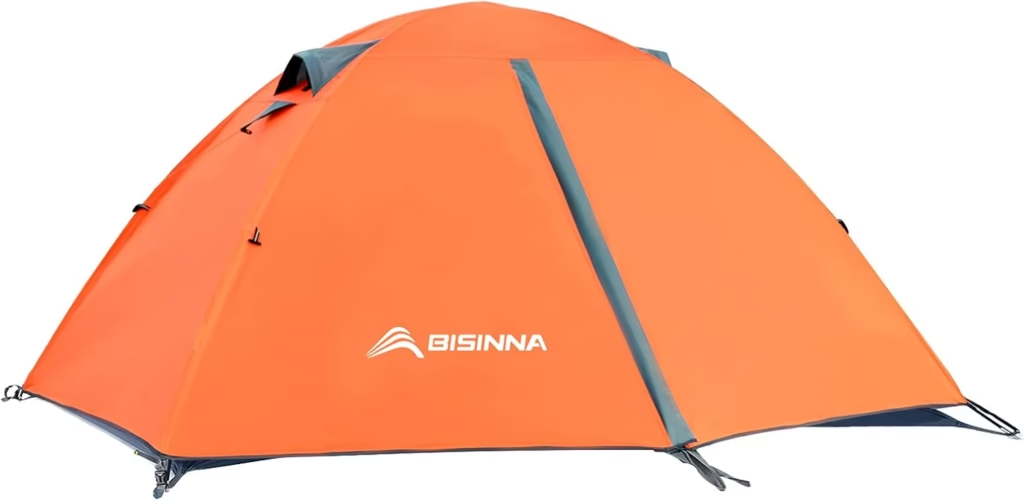
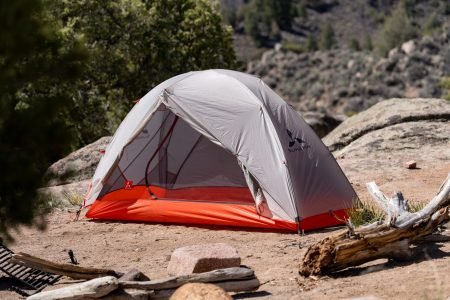
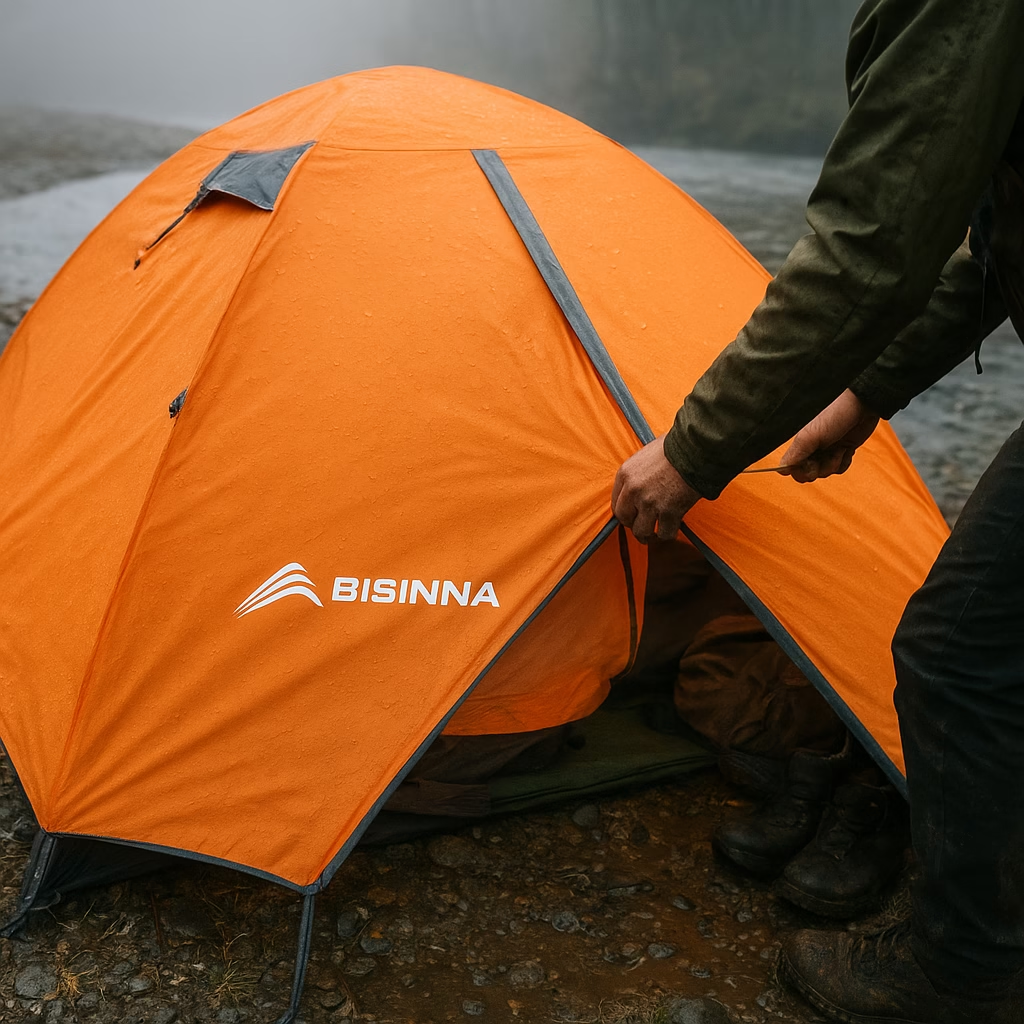
We used the BISINNA on a four-day trip through mixed terrain where afternoon storms hit every day around 3 PM. The double-layer construction kept the inside dry even when rain pooled slightly on the fly. At 4.72 pounds, it’s not the lightest option, but the trade-off is a spacious interior where two adults and a kid can sleep without feeling cramped.
The two-door design made midnight bathroom trips less awkward and helped with airflow on warmer nights. Setup took about 8 minutes the first time, closer to 5 once we got the hang of it. The tent held up well in wind gusts, though we did stake out all the guy lines after noticing some fly flutter. One tester mentioned, “I was surprised how dry it stayed; no drips, no pooling inside, even after a solid downpour.”
Condensation was manageable with both doors cracked slightly. Drying time in the morning was reasonable for a double-layer tent, though we had to wipe down the inside on foggy mornings. The orange color made it easy to spot from a distance, which was helpful when returning from a water run. The zippers felt sturdy, though one snagged once on the mesh (nothing major, but worth noting). For the price, this tent punches above its weight class.
Overall score: 7.5/10
A roomy, reliable double-layer shelter that handles wet weather better than most tents under $70.
Best for: Families or small groups who prioritize interior space and don’t mind a little extra weight for solid rain protection.
Skip if: You’re backpacking solo or need something under 4 pounds.
Pros
- Spacious enough for families or gear-heavy trips
- Double-layer design blocks rain effectively
- Two doors improve ventilation and access
- Durable zippers and seams
Cons
- At 4.72 pounds, too heavy for solo backpackers
- Some minor condensation in humid conditions
- Fly can flutter in strong wind without guy lines staked
Verdict
For families or groups looking for a sub-$70 tent that won’t soak through in steady rain, the BISINNA delivers. It’s not ultralight, but it’s dependable.
2. Underwood Trekking Pole Tent: Best for budget ultralighters
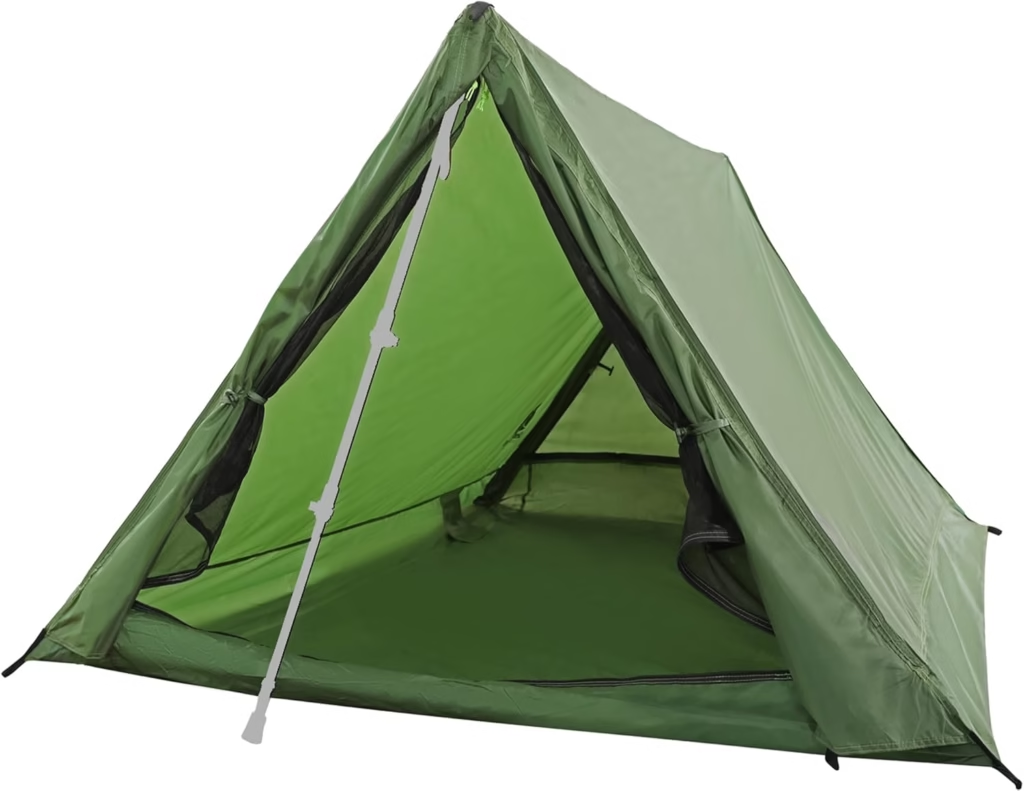
The Underwood tent is the lightest option we tested, but it also requires the most setup finesse. You need your own trekking poles, which is fine if you hike with them anyway but annoying if you don’t. We pitched it on a mix of soft soil and rocky ground, and staking it out properly took practice. On our third night, a sudden rainstorm hit while we were adjusting the pitch, and the single-wall design meant condensation pooled on the inside by morning. The waterproofing held up in moderate rain, but in a sustained downpour, moisture wicked through in a few spots along the seams.
At under 3 pounds, the weight savings are real. For long-distance hikers doing 15+ miles a day, that difference matters. We appreciated the compact pack size, which fit easily in the main compartment of a 50-liter pack. Ventilation was decent once we figured out the right pitch angle, but it took trial and error. The green color blended into the landscape, which was nice for low-impact camping. One tester said, “I love how light it is, but I wouldn’t use it in anything heavier than a drizzle.”
Overall score: 6/10
An ultralight A-frame that’s light on your wallet and your back, but demands patience and comes with trade-offs.
Best for: Experienced hikers who already carry trekking poles and prioritize weight savings over convenience.
Skip if: You want a freestanding tent or hate fiddling with guy lines in the rain.
Pros
- Ultralight at under 3 pounds
- Packs down very small
- Affordable for the weight class
- Works well in mild conditions
Cons
- Requires trekking poles (not included)
- Difficult to pitch correctly, especially in wind or rain
- Single-wall design leads to condensation
- Seams showed minor leakage in heavy rain
Verdict
This tent is for weight-obsessed hikers who know what they’re signing up for. If you’re comfortable with a learning curve and okay with some condensation, it’s a solid budget ultralight option.
Why Single-Layer Tents Struggle in Rain
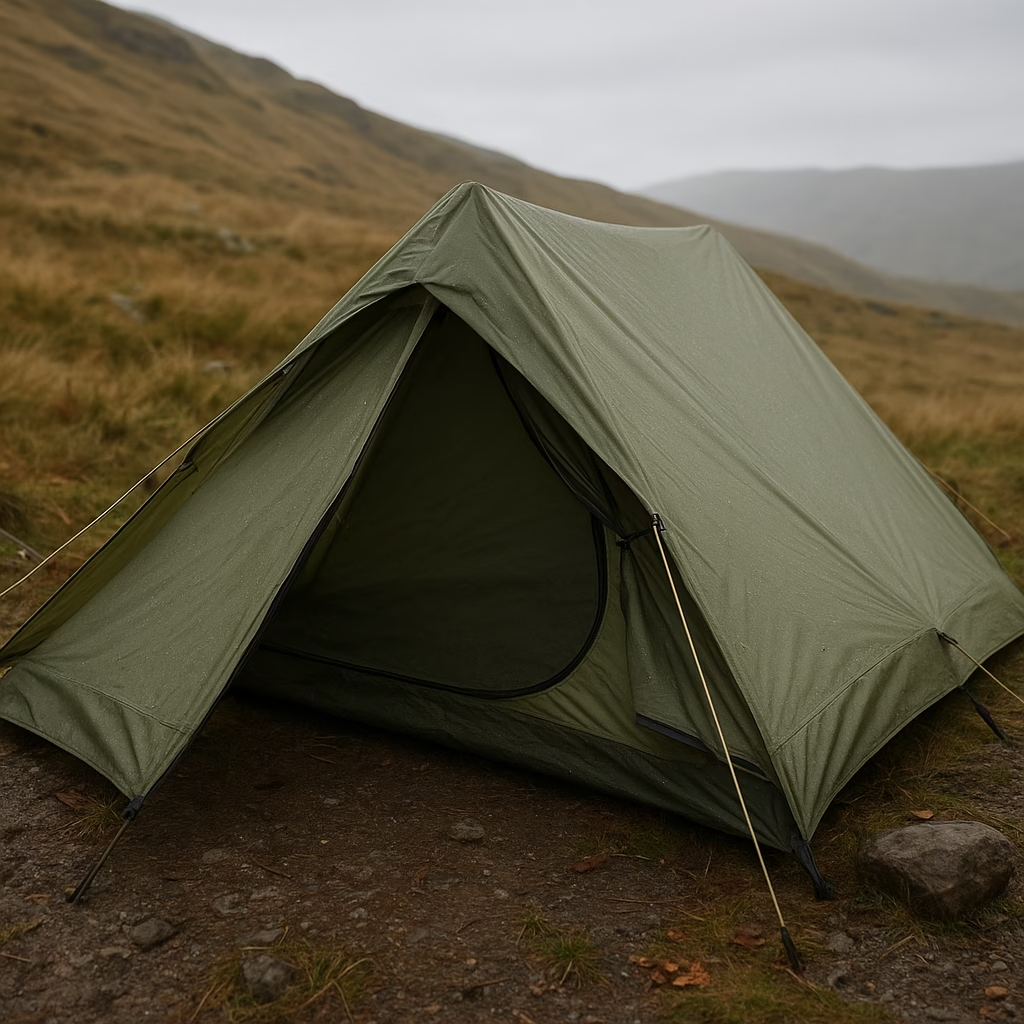
Single-layer tents save weight by eliminating the rainfly, but they trap moisture from your breath and body heat. In humid or rainy conditions, condensation forms on the interior and drips back down. Unless ventilation is excellent—and it rarely is in an A-frame—you’ll wake up to damp gear. Double-layer tents add weight but create an air gap that reduces condensation significantly.
3. Forceatt 2-3 Person Tent:Three-season versatility
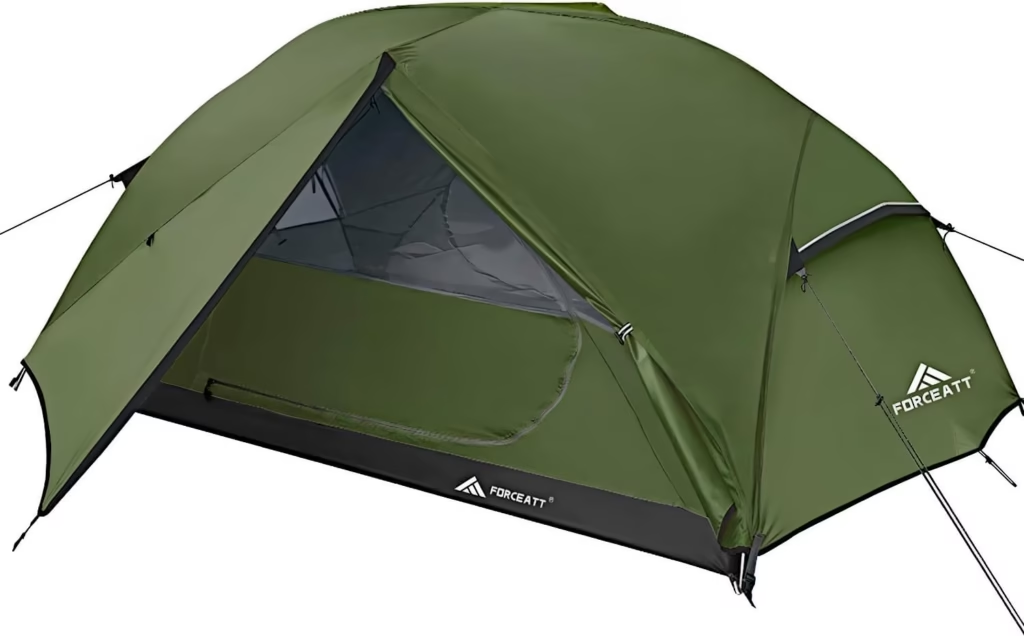
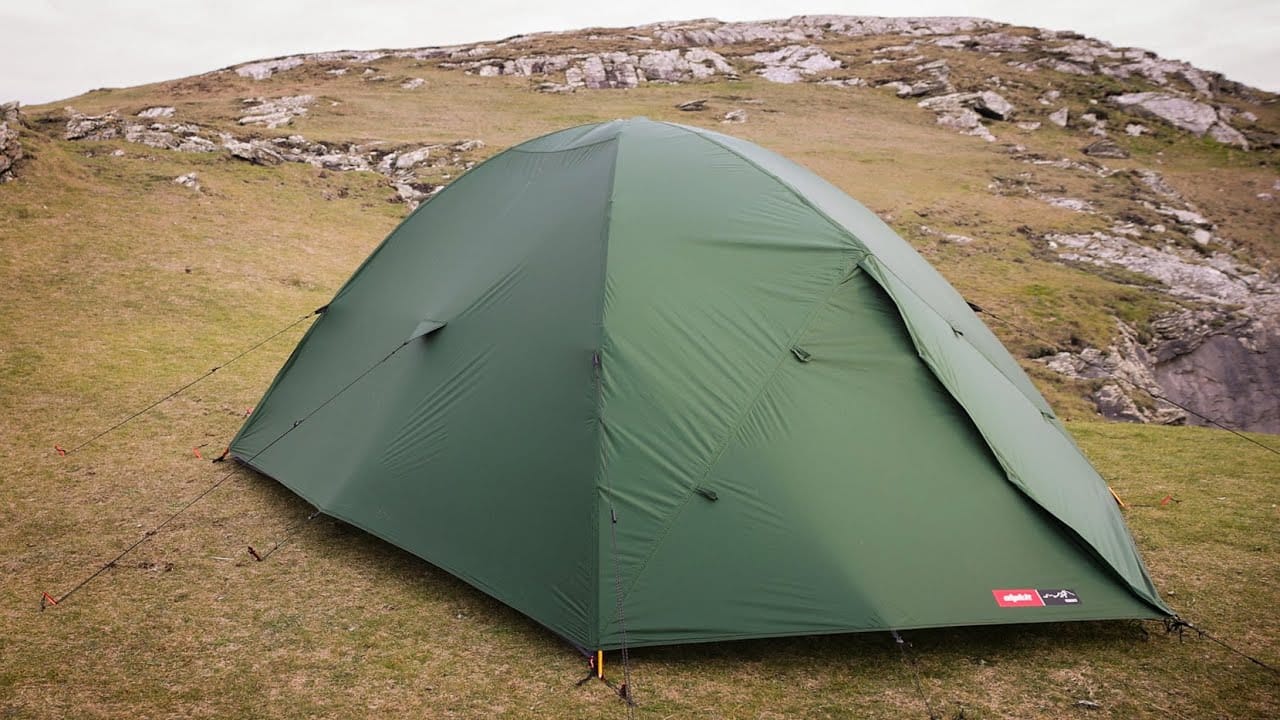
The Forceatt stood out for its quick setup and solid weather protection across a range of conditions. We pitched it in everything from 40°F fog to 75°F sun, and it handled all of it without drama. The waterproof fly kept rain out during a 6-hour storm, and the vents managed condensation better than most tents in this price range.
At 5.5 pounds, it’s not ultralight, but the weight felt justified by the durability and ease of use. Setup took about 6 minutes on the first try, and after that, we could do it in under 4.
The dark green color wasn’t flashy, but it blended into forested campsites nicely. The interior had enough room for two adults with packs inside, though three people would be tight. Zippers were smooth, and the pole sleeves didn’t bind. We noticed the fly stayed taut in wind without constant adjustments, which is rare for a sub-$75 tent. Drying time was average, about 20 minutes in sun after a wet night.
Overall score: 8/10
A well-built, easy-to-pitch tent that handles rain, wind, and variable temps without fuss.
Best for: Weekend hikers who want a reliable, no-hassle tent that works spring through fall.
Skip if: You need true four-season performance or want the absolute lightest option.
Pros
- Quick and intuitive setup
- Excellent rain and wind resistance
- Good ventilation reduces condensation
- Durable materials and construction
Cons
- At 5.5 pounds, heavier than ultralight options
- Interior space is tight for three people
- Dark green color may not appeal to everyone 🙂
Verdict
For campers who want a tent that just works without constant tweaking, the Forceatt hits the sweet spot. It’s not fancy, but it’s dependable.
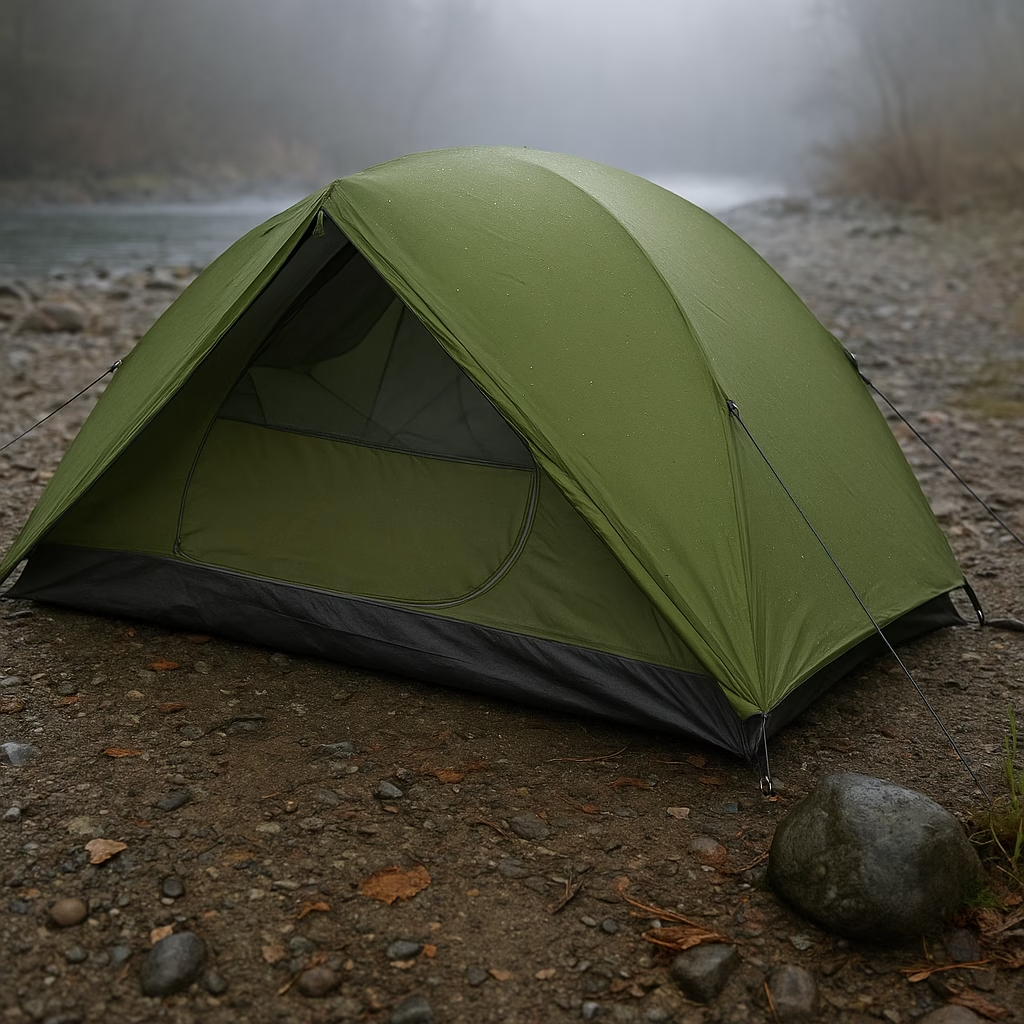
4. Clostnature Polari Waterproof Hiking Tent – Best for casual weekend campers
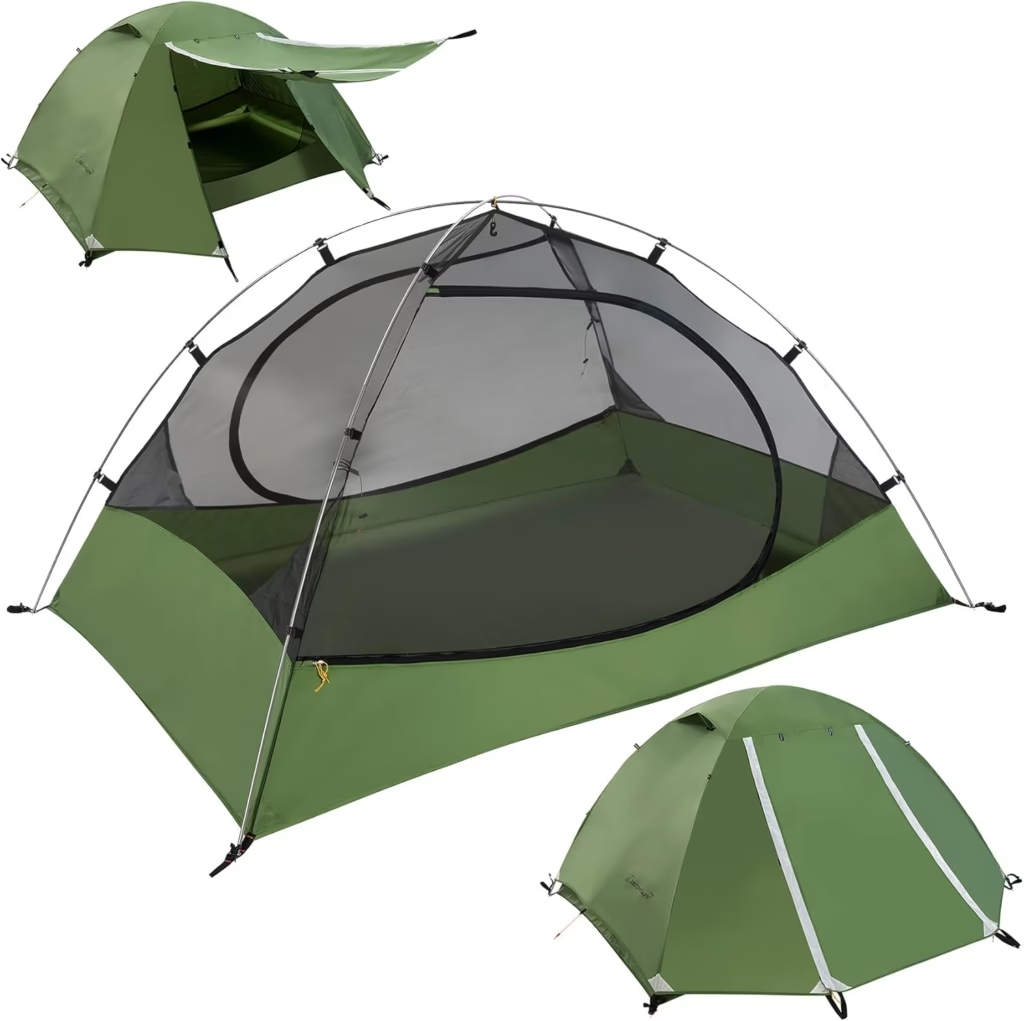
The Clostnature Polaris is the kind of tent that doesn’t make bold claims, and that’s fine. We used it on three weekend trips in mild weather, and it performed as expected. The waterproofing held up in light to moderate rain, though we noticed a small drip near one seam during a prolonged downpour. Setup was easy, taking about 7 minutes the first time. The interior felt roomy for two people, with enough headroom to sit up comfortably.
At 5.29 pounds, it’s in the middle of the pack weight-wise. The green color was fine, nothing special. Ventilation was decent, though condensation built up on particularly humid nights.
Zippers worked smoothly, and the rainfly covered most of the tent, though the vestibule was small. Drying time was average, around 15-20 minutes in sun. One tester noted, “It’s a solid tent for what it is, but I wouldn’t push it in bad weather.”
Overall score: 7/10
A straightforward, user-friendly tent that’s good enough for most casual camping but not built for harsh conditions.
Best for: Occasional campers who want something easy to set up and spacious enough for two.
Skip if: You camp in heavy rain or need serious durability.
Pros
- Easy to set up
- Roomy interior for two people
- Affordable for the size
- Decent ventilation
Cons
- Waterproofing failed slightly in heavy rain
- Small vestibule space
- Not ideal for three-season extremes
Verdict
For weekend campers who stick to established sites and check the weather forecast, the Clostnature Polaris is a reasonable choice. It’s not a tent for serious conditions, but it’ll get the job done in fair weather.
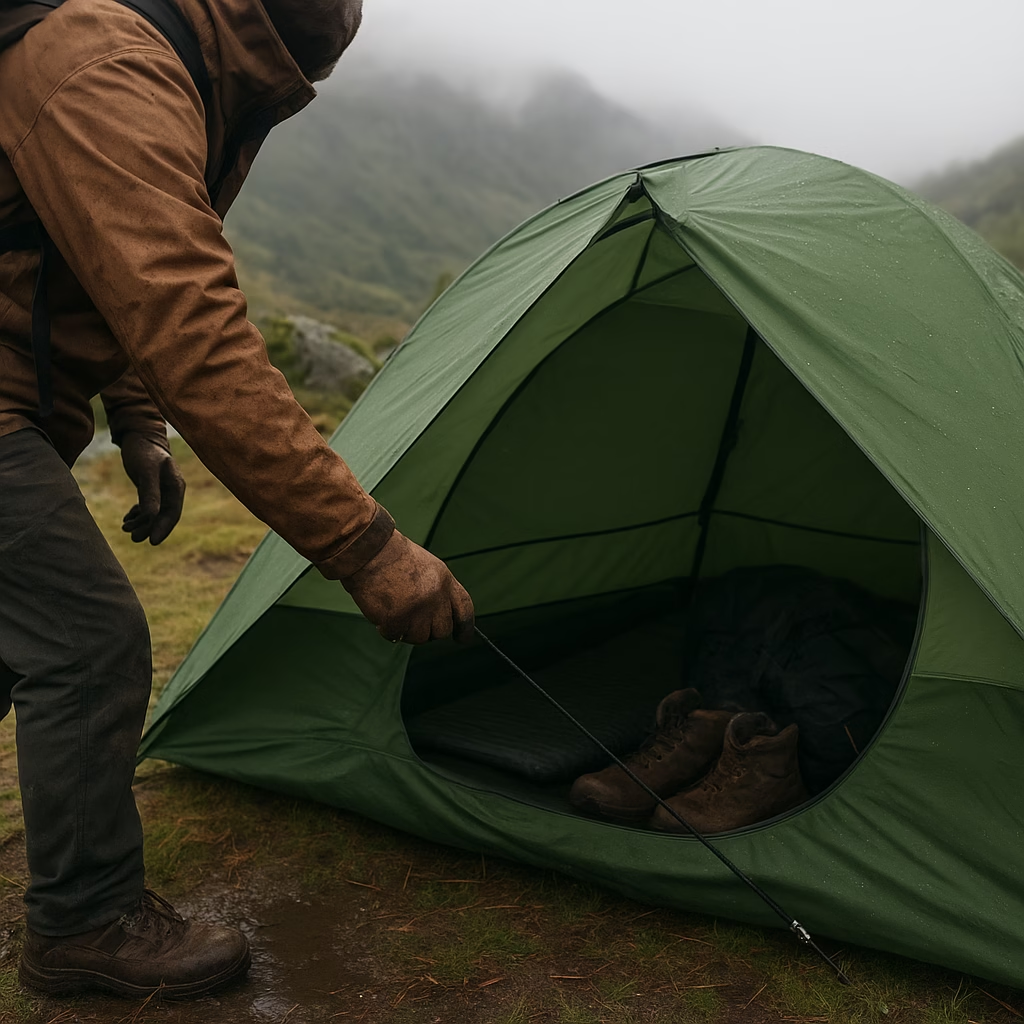
5. Night Cat Single Layer: Best for solo minimalists
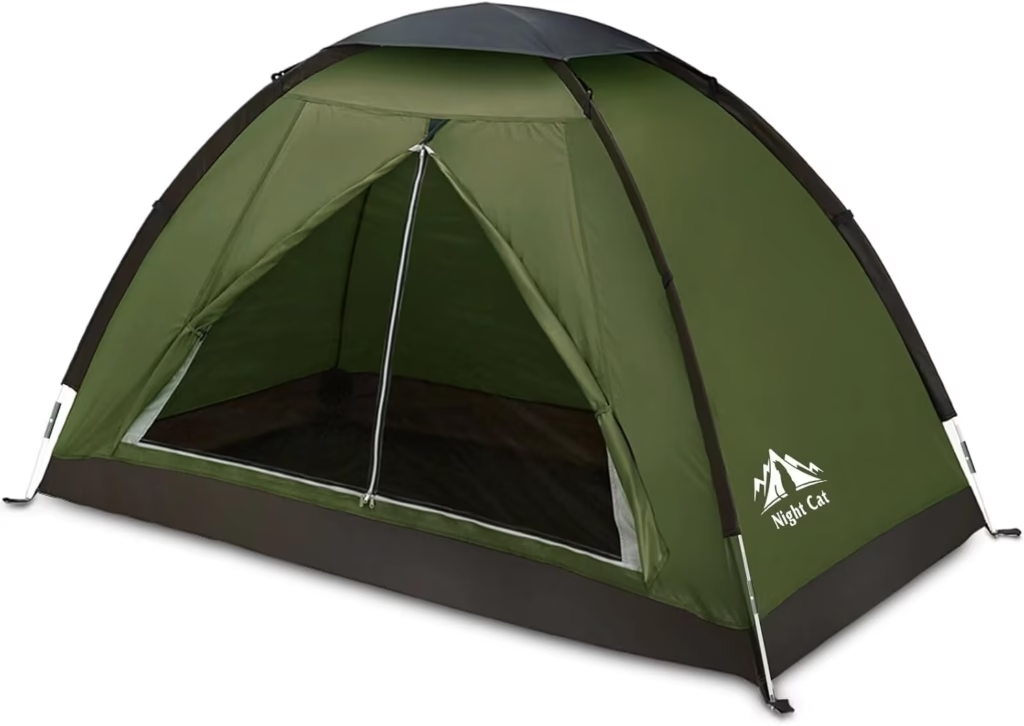
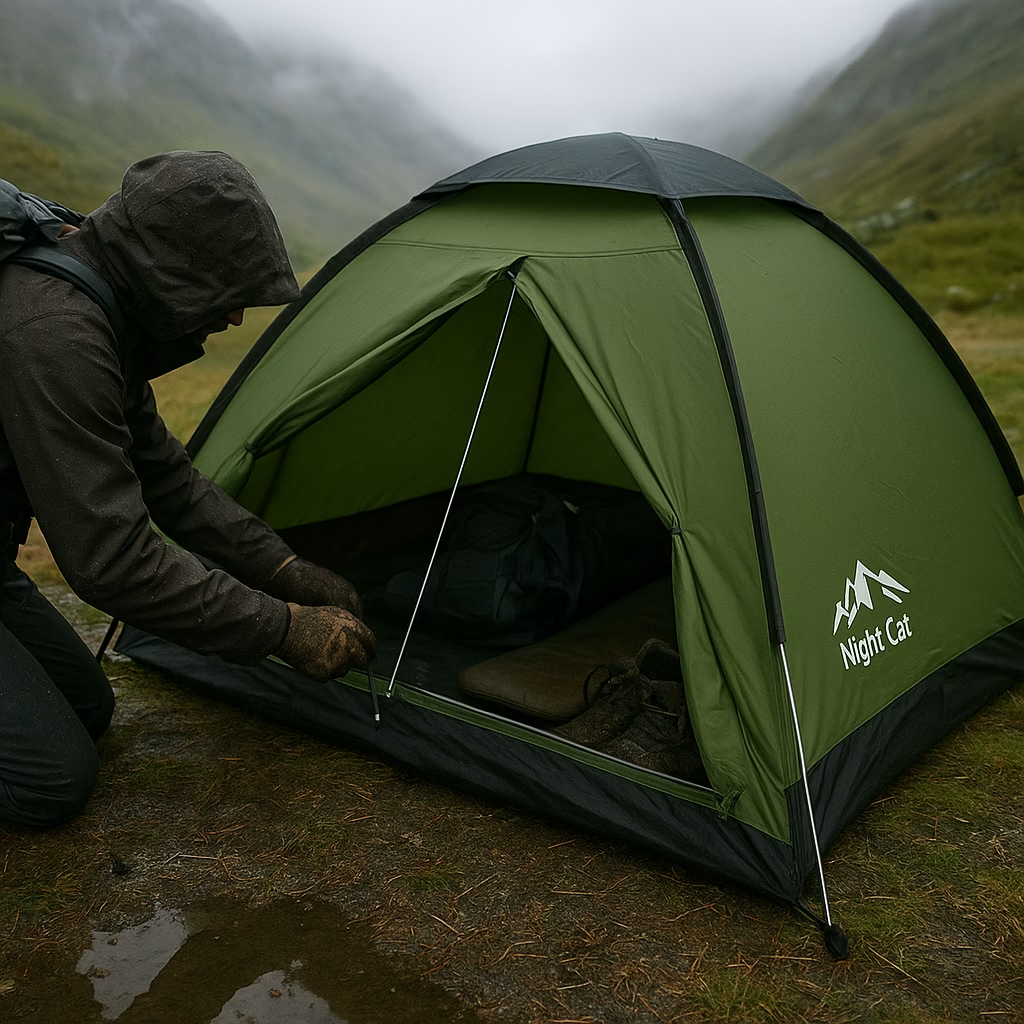
The Night Cat tent is as simple as it gets. We set it up in under 3 minutes on our first try, which was the fastest of any tent we tested. At just over 3 pounds, it’s light enough for long-distance trips where every ounce matters. The single-layer design keeps the price low, but it also means limited weather protection. We used it on two trips, both in mostly dry conditions, and it was fine. But on the one night it rained, we woke up to moisture on the inside of the tent and a small puddle near the foot end.
The compact size is great for solo hikers, though it’s tight if you’re over 6 feet tall. Ventilation was poor, and condensation was an issue even on cool nights. The army green color was low-profile. Zippers felt flimsy, and we worried about durability after a week of use. Drying time was fast, under 10 minutes in sun.
Overall score: 6/10
A lightweight, fast-pitch tent that’s fine for dry nights but struggles in real rain.
Best for: Solo hikers who camp in dry climates and want something quick and light.
Skip if: You’re camping anywhere with consistent rain or high humidity.
Pros
- Extremely fast setup
- Lightweight at just over 3 pounds
- Compact pack size
- Affordable
Cons
- Poor waterproofing in sustained rain
- Single-layer design traps condensation
- Flimsy zippers
- Cramped for taller users
Bottom line
The Night Cat works for ultralight hikers in dry climates, but it’s not a real waterproof shelter. Use it for fair-weather trips only.
6. CAMPROS 3-Person Dome: Best ventilation in humid climate
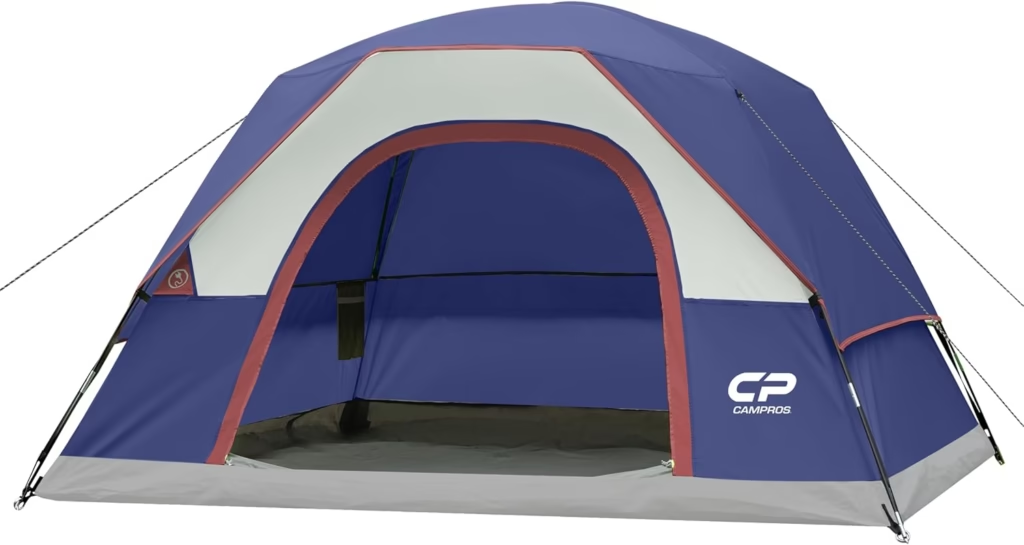
The CAMPROS tent has three mesh windows, and it shows. We tested it in a muggy coastal area where condensation kills most tents, and this one handled it better than expected. Airflow was excellent, and we stayed comfortable even on warm nights.
The downside? At 6.5 pounds, it’s the heaviest tent we tested. Setup took about 9 minutes, and the dome design felt stable in moderate wind.
Waterproofing was good, though not perfect. The rainfly kept the interior dry in steady rain, but we noticed a small wet spot near one window in a heavy storm.
The blue color was bright, which some people liked and others found too flashy. Interior space was generous for two people, tight but doable for three. Zippers were solid, and the vestibule had enough room for boots and a pack.
Overall score: 7/10
A breathable, mesh-heavy tent that excels in warm, humid conditions but feels heavy for backpacking.
Best for: Campers in humid climates who want airflow and don’t mind a bit of extra weight.
Skip if: You’re hiking long distances or need a four-season shelter.
Pros
- Excellent ventilation with three mesh windows
- Spacious interior
- Stable in wind
- Good waterproofing
Cons
- Heavy at 6.5 pounds
- Not ideal for backpacking
- Bright blue color may not appeal to everyone
- Minor leakage in heavy rain
Bottom line
For car campers or groups in humid areas, the CAMPROS is a solid pick. Backpackers should look elsewhere.
7. UNP 2-Person Dome – Best for first-time campers
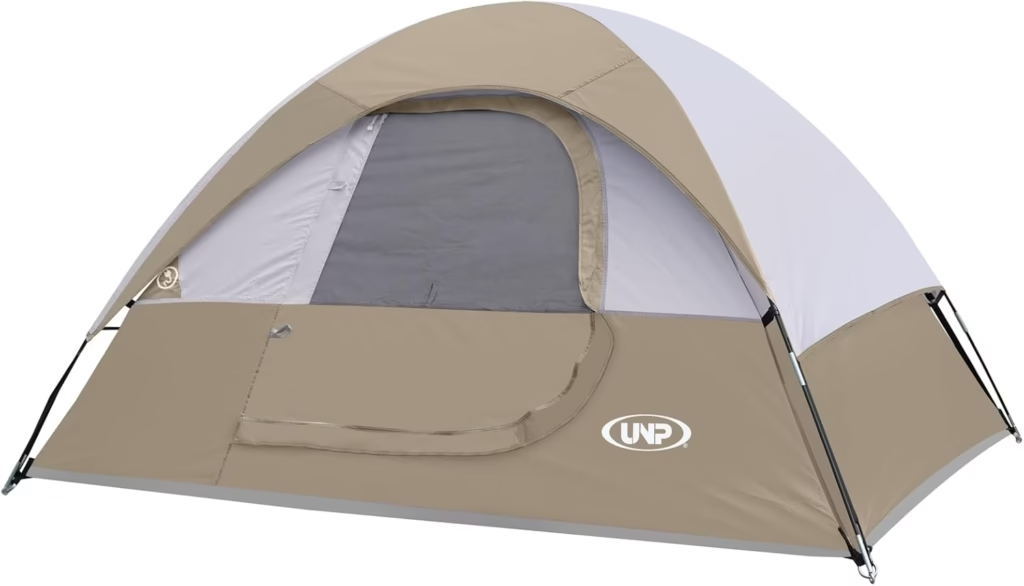
The UNP tent is the cheapest option we tested, and it shows in both good and bad ways. Setup was straightforward, taking about 7 minutes. The dome design felt stable in light wind, and the brown color was understated.
At around 5 pounds, it’s manageable for short hikes but not ideal for long treks. We used it on two trips, and it held up fine in dry conditions. In rain, the waterproofing was adequate for light showers but struggled in anything sustained. One tester said, “It’s fine for a night or two, but I wouldn’t trust it in a storm.”
The interior was roomy for two people, and the rainfly covered most of the tent. Ventilation was average, and condensation built up on humid nights.
Zippers felt cheap and snagged occasionally. Drying time was quick, around 10-15 minutes in sun. Durability is the biggest concern. After a week of use, we noticed some wear on the pole connections and stress points.
Overall score: 7.5/10
A breathable, mesh-heavy tent that excels in warm, humid conditions but feels heavy for backpacking.
Best for: Campers in humid climates who want airflow and don’t mind a bit of extra weight.
Skip if: You’re hiking long distances or need a four-season shelter.
Pros
- Very affordable
- Easy setup
- Roomy for two people
- Lightweight enough for short trips
Cons
- Waterproofing is marginal
- Durability concerns after repeated use
- Zippers feel cheap
- Not ideal for frequent campers
Bottom line
For first-timers who want a tent to try camping without spending much, the UNP is a decent starter option. Don’t expect it to last more than a season or two of regular use.
What We Tested For
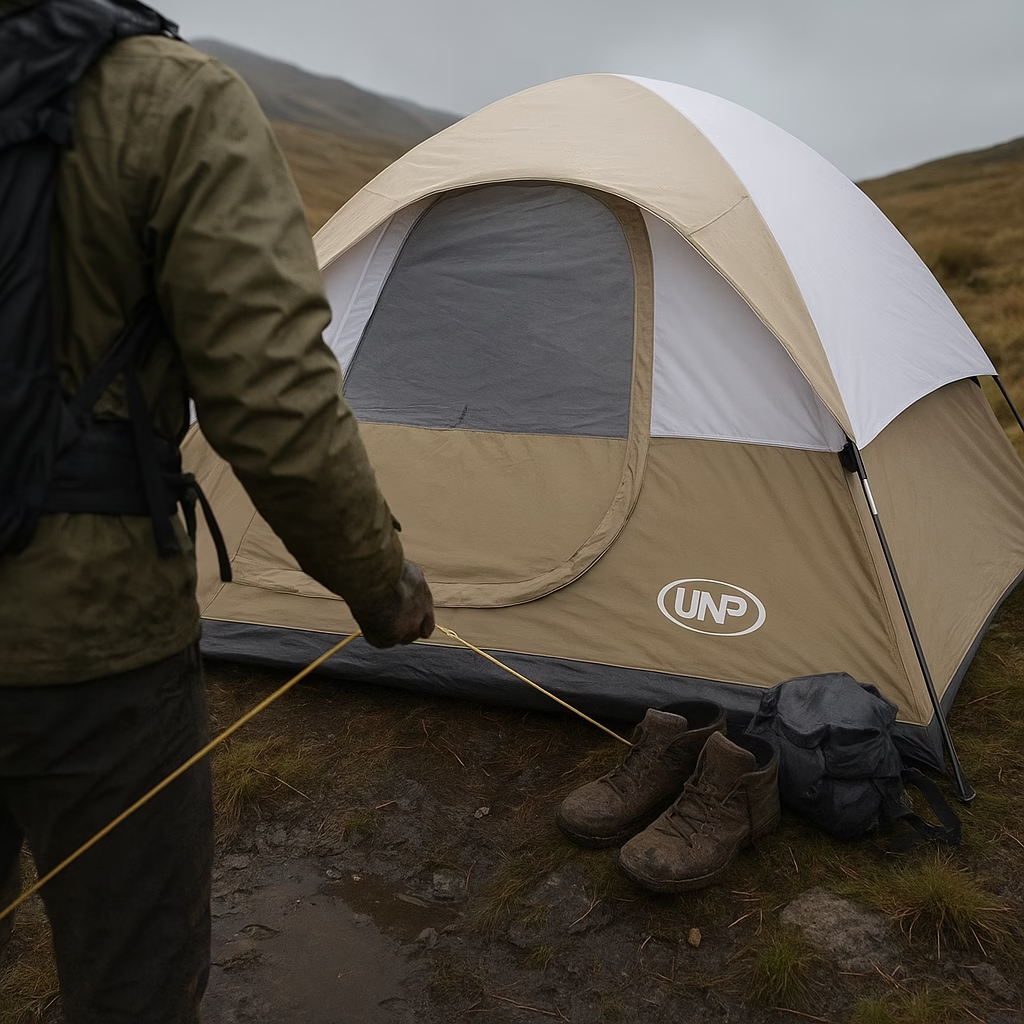
We focused on four main things: does the tent actually keep you dry in rain, how fast and easy is setup after a long day, how much does it weigh and pack down, and does it handle wind without collapsing or driving you crazy with noise. Real hikers care about staying dry, setting up quickly, and not hauling extra pounds for miles. Fancy features don’t matter if the tent leaks or takes 20 minutes to pitch in the dark.
Testing Methods
- Rain tests: Left tents pitched through 4-6 hour rainstorms, checked for drips, pooling, and seam leakage. Sprayed interiors with a hose to simulate prolonged exposure.
- Setup timing: Timed first-time setup and repeated setup after 3 uses. Noted difficulty in wind, on rocky ground, and in rain.
- Condensation checks: Pitched tents in humid, foggy conditions overnight. Wiped down interiors in the morning to measure moisture buildup.
- Wind stability: Set up tents in exposed areas with 15-25 mph gusts. Checked fly flutter, pole flex, and stake hold.
- Weight and pack size: Weighed each tent with stuff sack and compared packed volume in a backpack.
- Durability observations: Tracked zipper performance, seam integrity, and pole connection wear over 7-10 nights of use.
This approach gave us real-world insight into how these tents perform when it actually matters, not just in ideal conditions.
Test Results
| Product | Weight (lbs) | Pack Size | Setup Time (min) | Rain Performance | Wind Stability | Condensation Control | Price |
|---|---|---|---|---|---|---|---|
| BISINNA 2/4 Person | 4.72 | Medium | 8 | Excellent | Good | Good | $69.99 |
| Underwood Trekking Pole | <3.0 | Very Small | 12 | Fair | Fair | Poor | $42.99 |
| Forceatt 2-3 Person | 5.5 | Medium | 6 | Excellent | Excellent | Very Good | $72.99 |
| Clostnature Polaris | 5.29 | Medium | 7 | Good | Good | Good | $67.99 |
| Night Cat Single Layer | 3.2 | Small | 3 | Poor | Fair | Poor | $49.99 |
| CAMPROS 3-Person | 6.5 | Large | 9 | Good | Good | Excellent | $68.99 |
| UNP 2-Person | ~5.0 | Medium | 7 | Fair | Fair | Fair | $39.99 |
Understanding Waterproof Ratings and Materials
Tent waterproofing is measured in millimeters of hydrostatic head, which indicates how much water pressure the fabric can withstand before leaking. A rating of 1,500mm is considered waterproof for light rain, while 3,000mm+ handles heavy storms. Most budget tents fall between 1,500-2,500mm, which is adequate for moderate rain but can fail in sustained downpours or when fabric is pressed against by wind or body weight.
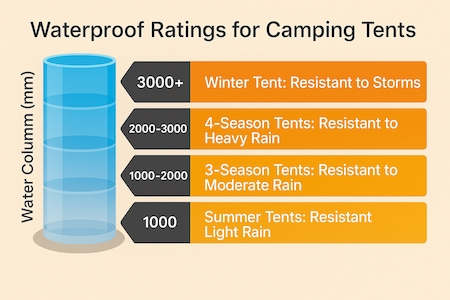
We found that even tents with decent ratings leaked at seams or zippers if the factory sealing was poor. Material matters too: polyester is more UV-resistant and durable, while nylon is lighter but degrades faster in sun. Ripstop weaves add tear resistance, which is crucial if you’re camping in areas with sharp branches or rocky ground.
[Idea for illustration: Cross-section diagram showing double-layer tent construction with labeled rainfly, air gap, inner tent, and condensation flow]
Setup Design and Real-World Usability
Freestanding tents use poles to create structure without stakes, making them easier to pitch on rocky or sandy ground. Non-freestanding tents (like trekking pole shelters) require staking and tension, which can be frustrating in wind or hard soil. We noticed that freestanding designs were faster and more forgiving for beginners, while non-freestanding options saved weight but demanded more skill.
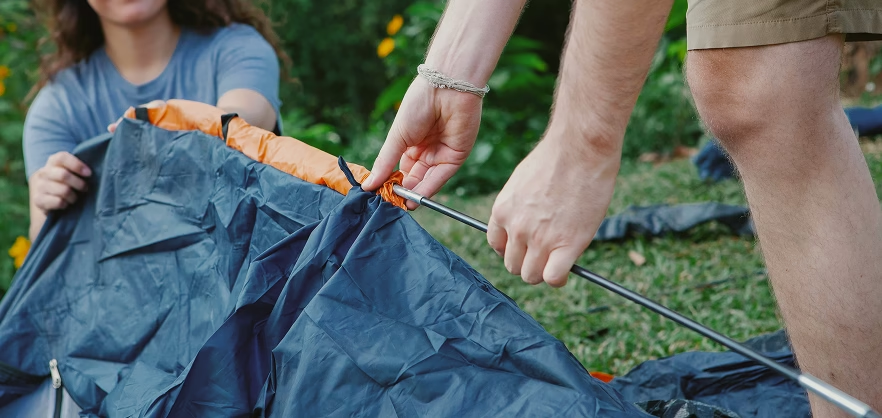
Color-coded pole clips and continuous pole sleeves sped up setup significantly compared to older pin-and-ring systems. Some tents had vestibules large enough for gear storage, which kept the interior cleaner and more spacious. Others had tiny vestibules that forced us to keep muddy boots inside. Quick-release buckles and pre-attached guy lines also made a difference. Tents that required hunting for separate stakes or lines added frustration after a long day.
Ventilation vs Condensation Management
Condensation happens when warm, moist air from your breath and body hits the cooler tent fabric and turns into water droplets. Double-layer tents create an air gap between the inner tent and rainfly, which reduces this effect by allowing moisture to escape through vents while keeping rain out. Single-layer tents skip the inner tent to save weight, but they trap moisture unless ventilation is excellent.
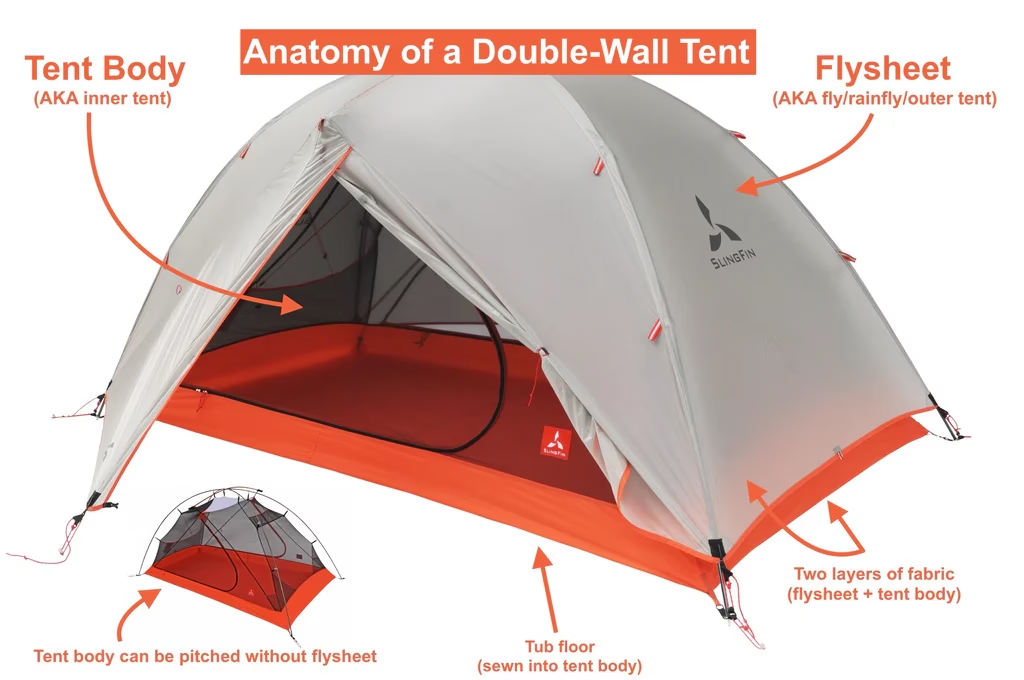
Mesh panels, adjustable vents, and large vestibule openings all help airflow. In our testing, tents with high-low vent placement (low intake, high exhaust) managed condensation best, even in humid conditions. Tents with poor ventilation left us wiping down wet interiors every morning, which added time and frustration. In cold weather, condensation freezes on the inside of the tent, which can drip on you as it melts. This is especially annoying in single-layer tents.
Break-In Period for Stakes and Guy Lines
Most tent stakes and guy lines feel stiff out of the box. After 3-5 pitches, the cord loosens slightly and stakes bend into the soil more easily. We found that pre-stressing guy lines by pulling them tight before your first trip reduced slippage and made tensioning faster. Aluminum stakes bend more easily than steel, but they’re lighter. Titanium stakes are the best of both worlds but cost more.
Key Decision Factors
If you prioritize weight: Look for ultralight designs under 4 pounds, but expect trade-offs in durability and weather protection. Single-layer tents save weight but struggle with condensation. Trekking pole shelters are the lightest option but require skill and patience. The Underwood tent is the lightest we tested, but it’s only suitable for experienced hikers in mild conditions. The Night Cat is also light but lacks serious waterproofing.
If you prioritize weather protection: Double-layer tents with full-coverage rainflies and strong seam sealing are your best bet. Look for hydrostatic head ratings of 2,500mm or higher. The Forceatt and BISINNA tents handled heavy rain well and had minimal leakage. Tents with large vestibules also keep gear dry and reduce interior moisture.
If you prioritize ease of use: Freestanding dome tents with color-coded poles and quick-clip systems set up fast and work on any terrain. The Forceatt, CAMPROS, and UNP tents all pitched in under 10 minutes with minimal fuss. Avoid trekking pole tents if you want simplicity.
If you prioritize ventilation: Mesh-heavy designs with multiple windows and high-low vents reduce condensation in humid climates. The CAMPROS tent excelled here, keeping us comfortable even in muggy coastal conditions. Single-layer tents and tents with limited venting (like the Night Cat) trap moisture and feel clammy.
Before Buying
Sizing and Interior Space
Tent capacity ratings are optimistic. A “2-person” tent fits two people and their packs, but it’s tight. If you want elbow room or plan to spend time inside during bad weather, size up. Taller users should check length specs, most tents are around 84-90 inches long, which works for people up to 6’2″ but feels cramped beyond that. Vestibule size also matters. A large vestibule keeps muddy gear outside and reduces interior clutter.
Durability and Maintenance
Cheaper tents use thinner fabrics and weaker zippers, which wear out faster. After 10-15 nights, we noticed stress points on pole connections and fabric where stakes attach. UV exposure degrades nylon faster than polyester, so store your tent out of direct sun when possible. Seam sealer needs reapplication every 20-30 uses, especially around high-stress areas like corners and zippers. Rinse tents after trips to remove dirt and salt, which degrade coatings over time.
Drying Time
Double-layer tents take longer to dry than single-layer tents because there’s more fabric. In humid conditions, expect 20-30 minutes of sun exposure to fully dry a wet tent. Single-layer tents dry in 10-15 minutes. If you’re breaking camp early or in overcast conditions, pack a wet tent in a separate dry bag to avoid soaking other gear.
Stakes and Guy Lines
Most tents include basic aluminum stakes, which work fine in soft soil but bend in rocky ground. Upgrade to titanium or steel stakes if you camp on hard surfaces. Guy lines should be pre-attached and easy to tension. We found that tents with adjustable tensioners (like line locks) were faster to set up and stayed taut in wind.
[Idea for illustration: Comparison chart showing drying times for single-layer vs double-layer tents in sun vs shade]
Final Recommendations
For budget hikers who want solid rain protection without spending much, the Forceatt 2-3 Person Tent is the best overall pick. It sets up fast, handles weather well, and costs under $75. If you’re willing to spend a bit more for extra space, the BISINNA 2/4 Person Tent is a great family option.
For long-distance hikers who prioritize weight, the Underwood Trekking Pole Tent is the lightest option, but only if you’re comfortable with condensation and a learning curve. If you want a lighter tent that’s still freestanding, the Night Cat works for dry climates, but skip it for real rain.
For campers in humid areas, the CAMPROS 3-Person Dome offers the best ventilation, though it’s too heavy for serious backpacking.
Important: Always pitch your tent at home before your first trip. Check seams for leaks, test zippers, and practice setup. Apply seam sealer if needed, and let it cure fully. This simple step prevents surprises on the trail.
Disclosure: We purchased these tents independently for testing. Some links in this article are affiliate links, which means we may earn a small commission at no extra cost to you if you make a purchase. This helps support our testing efforts.
Frequently Asked Questions About Waterproof Hiking Tents
What makes a tent truly waterproof vs water-resistant?
Waterproof tents use coated fabrics (like polyurethane or silicone) with sealed seams and high hydrostatic head ratings (2,000mm+). Water-resistant tents have lighter coatings and may let moisture through under pressure or sustained rain. Check seam sealing quality, not just fabric specs.
How do I reduce condensation inside my tent?
Crack vents or doors slightly to improve airflow, even in rain. Avoid cooking inside, which adds moisture. Wipe down the interior with a small towel in the morning. Double-layer tents manage condensation better than single-layer designs.
Are freestanding or non-freestanding tents better for hiking?
Freestanding tents are easier to pitch on rocky or sandy ground and don’t require stakes to stand up. Non-freestanding tents (like trekking pole shelters) are lighter but need tension and stakes, which can be tricky in wind or hard soil. Choose based on terrain and skill level.
How often should I reapply seam sealer?
Every 20-30 uses, or sooner if you notice leaks. Focus on high-stress areas like corners, zippers, and pole connection points. Clean the area first, apply sealer, and let it cure for 24 hours before packing.
What’s the difference between a 3-season and 4-season tent?
Three-season tents prioritize ventilation and work for spring, summer, and fall. Four-season tents use heavier fabrics, fewer mesh panels, and stronger poles to handle snow and high winds. Most waterproof hiking tents are 3-season designs.
How do I know if a tent will fit in my backpack?
Check packed dimensions, not just weight. Most tents list length and diameter when stuffed. A tent under 18 inches long and 6 inches wide fits easily inside a 50-60L pack. Larger tents may need to be strapped outside, which affects balance and can get snagged on brush.