


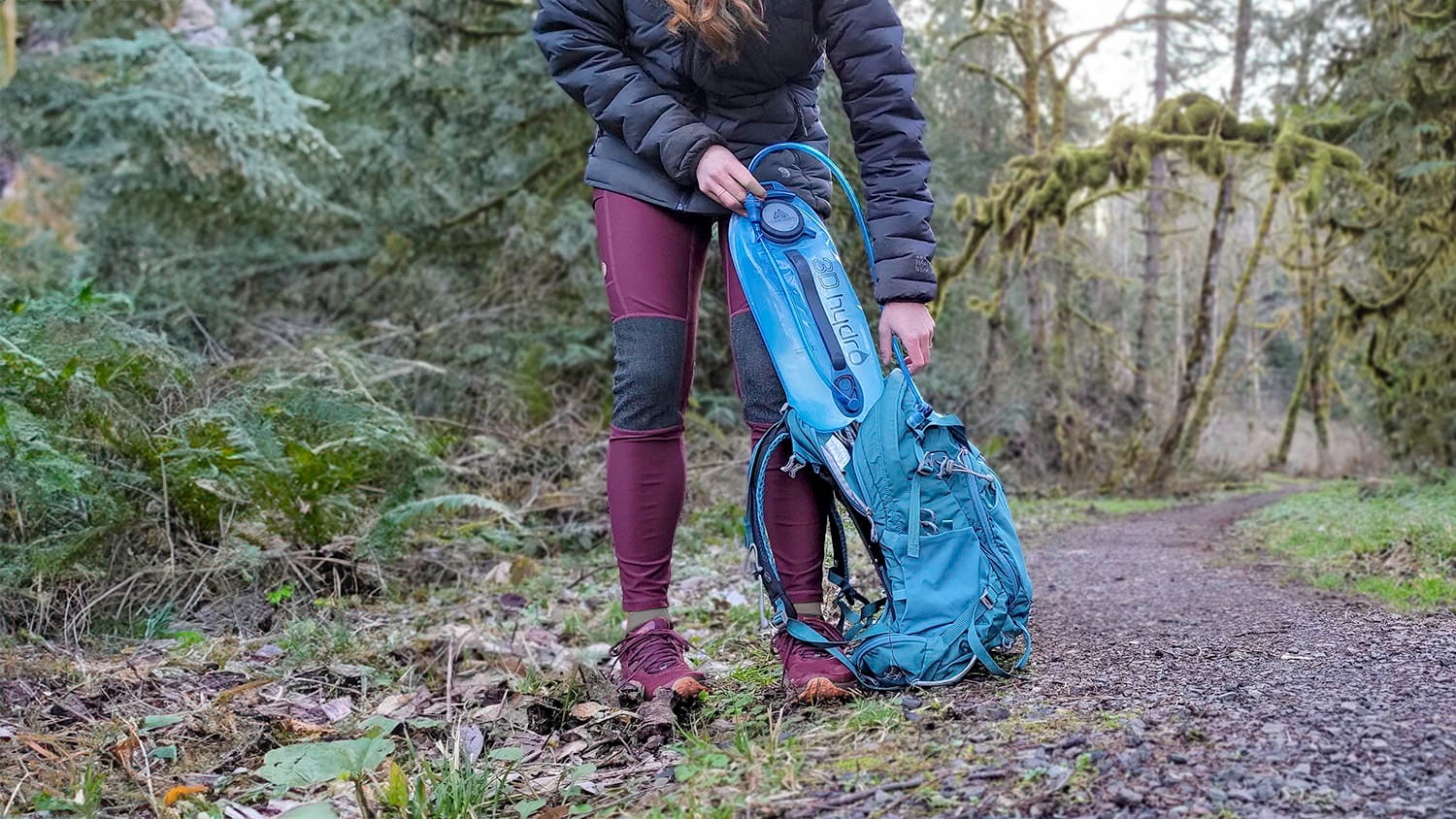
After years of hiking with water bottles that always seemed to be buried at the bottom of my pack, I decided to test eight popular backpacks with hydration bladder over the past six months. I took these packs on everything from short trail runs to multi-day backpacking trips in the Sierra Nevada, tracking how well they performed in real conditions.
Quick Comparison: Tested Products at a Glance
| Product (click to see review) | Bladder Capacity | Pack Capacity | Weight (Empty) | Insulated | Best Use | Price Range |
|---|---|---|---|---|---|---|
| TETON Sports Oasis | 2L | 18L | 1.8 lbs | No | Day hiking, commuting | $ |
| Lunidry Insulated | 3L | 15L | 2.2 lbs | Yes (5 hrs) | Hot weather, long hikes | $$ |
| CHERAINTI Bladder | 2L | N/A (bladder only) | 0.2 lbs | No | Budget conversion | $ |
| N NEVO RHINO Light | 2L | 8L | 0.9 lbs | No | Trail running | $ |
| NOOLA Tactical | 3L | 12L | 2.0 lbs | No | Customization, gear hauling | $$ |
| N NEVO RHINO 18L | 3L | 18L | 1.9 lbs | Yes (4 hrs) | Versatile day hiking | $ |
| Sherpa 22L | 2.5L | 22L | 2.5 lbs | No | Overnight trips, gear-heavy | $$ |
| Mdvora Bladder | 1.5-3L | N/A (bladder only) | 0.2 lbs | No | Easy cleaning, flexibility | $ |
What I Tested For
My evaluation focused on the factors that matter most on the trail: leak prevention during rough terrain, ease of cleaning after muddy hikes, drinking tube placement during movement, and whether insulated models actually kept water cool during summer heat. I also measured capacity against typical day-hike needs and assessed durability after repeated use.
1. Cherianti Hydration Bladder (Best budget option)
Best for: Budget-conscious hikers with existing backpacks
Skip if: You want an all-in-one solution or prioritize easy cleaning
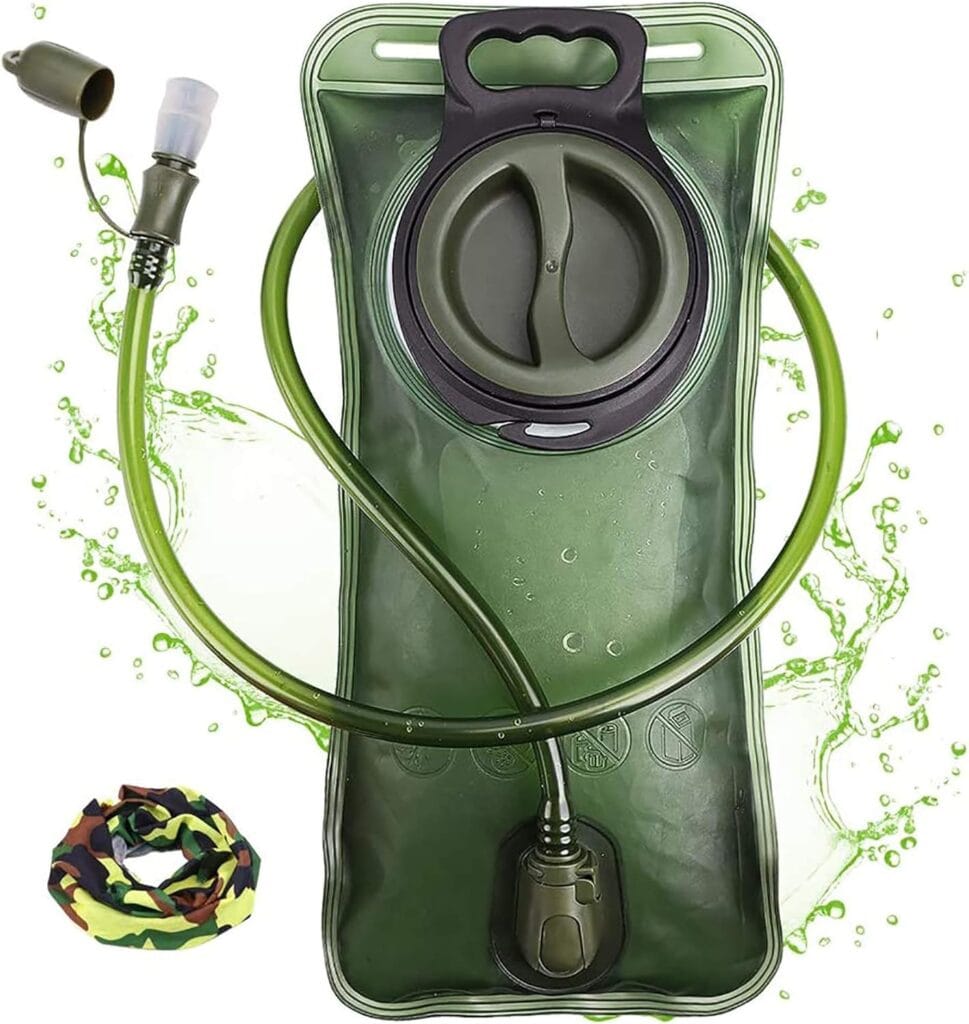
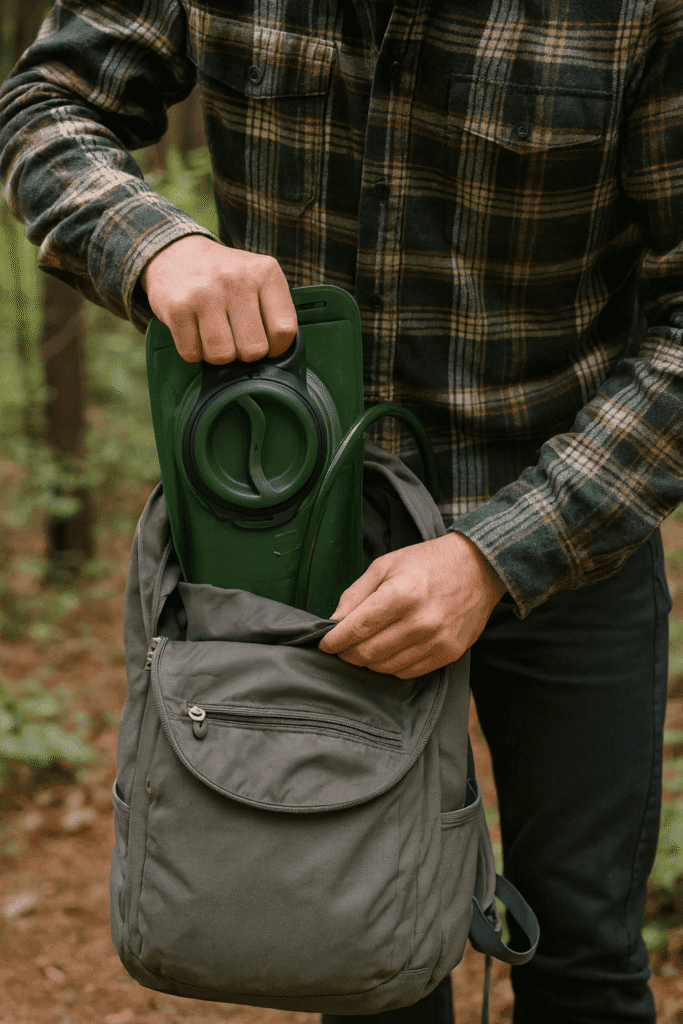
Rather than buying a complete pack, I tested adding the standalone CHERAINTI bladder to my existing daypack. At under $15, it’s the most economical option I evaluated. The 2L capacity handled most of my day hikes adequately, though I did run out of water once during an unexpectedly long 10-mile trek.
The narrow opening made filling challenging. I couldn’t fit ice cubes through without them melting first. Cleaning required a specialized brush that I had to purchase separately. After two months of use, I noticed no leaks, and the BPA-free construction meant no concerning plastic taste.
Pros:
- BPA-Free material ensures safe drinking water.
- Leak Proof design prevents spills and water wastage.
- Lightweight and compact, making it easy to carry.
- 2L capacity is perfect for long excursions.
Cons:
- Limited to a 2L capacity, which may not be sufficient for extended trips without refilling.
- Cleaning can be challenging due to the narrow opening.
This bladder works best for hikers who already own a backpack with a hydration sleeve and want to add water capacity without buying specialized gear. It’s not a complete solution like the TETON or Lunidry, but it transformed my regular daypack into a functional hydration system.
To buy this product, click here.
2. Teton Sports Oasis 18l Hydration Pack (Best pick)
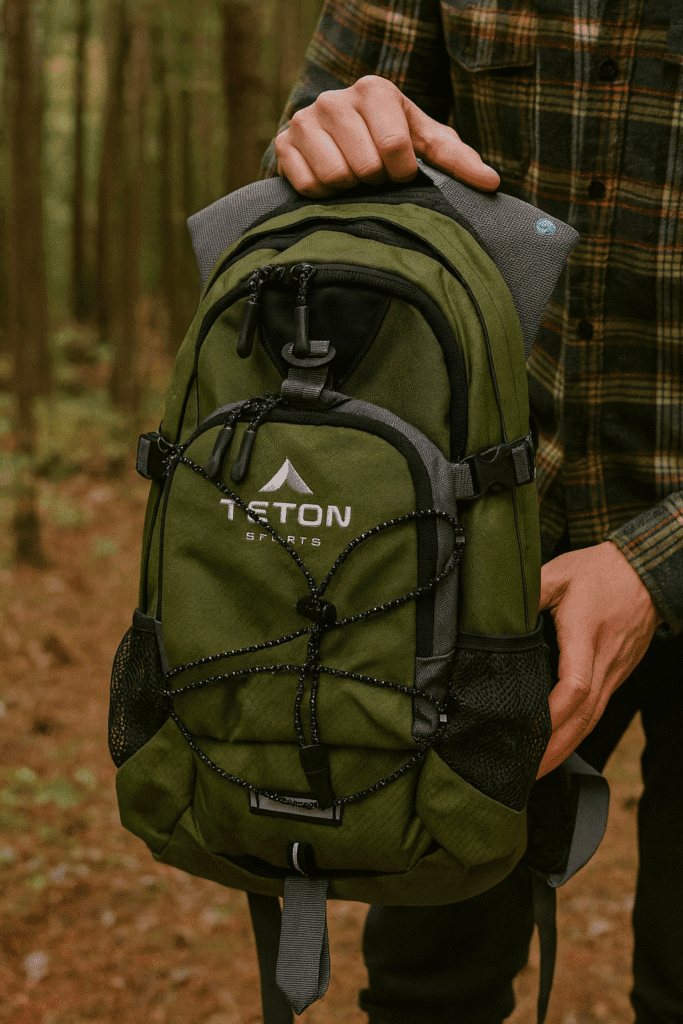
Best for: Day hikers and commuters who need reliable hydration without excessive bulk
Skip if: You need space for camera equipment or plan multi-day trips
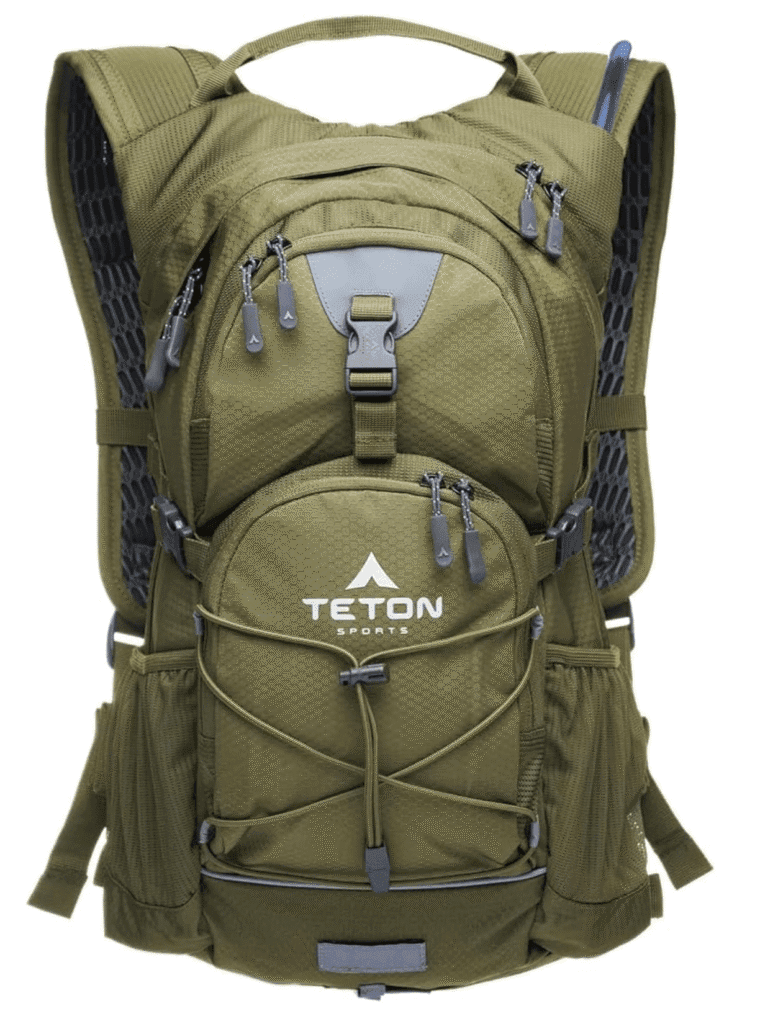
After testing all eight packs, the TETON Sports Oasis 18L became my go-to for day hikes and bike commutes. During a 12-mile hike in 85-degree weather, the 2-liter bladder provided enough water without requiring a refill stop, and the adjustable chest strap prevented the bouncing that plagued some other models I tested.
What sets this pack apart is the padded back panel design. On a steep six-mile climb, I noticed significantly less back fatigue compared to the thinner padding on cheaper models. The multiple zippered pockets allowed me to organize my first aid kit, snacks, and phone without digging through one main compartment. However, photographers should note that the 18L capacity won’t fit a DSLR with extra lenses—I had to leave my camera gear behind on several occasions.
Pros:
- Lightweight and compact design for easy portability
- 2-liter water bladder included, ensuring ample hydration
- Comfortable fit with adjustable straps and padded back
- Multiple pockets for organized storage
Cons:
- Limited storage capacity for larger items
- The water bladder may require regular cleaning to prevent odors
The included bladder developed no leaks over three months of weekly use, though I did notice a plastic taste during the first two uses that disappeared after thorough cleaning. One design flaw: the bite valve doesn’t have a lock, so I accidentally drained about a quarter of my water into my pack once when the tube got pressed against my gear.
You can order the Teton from here.

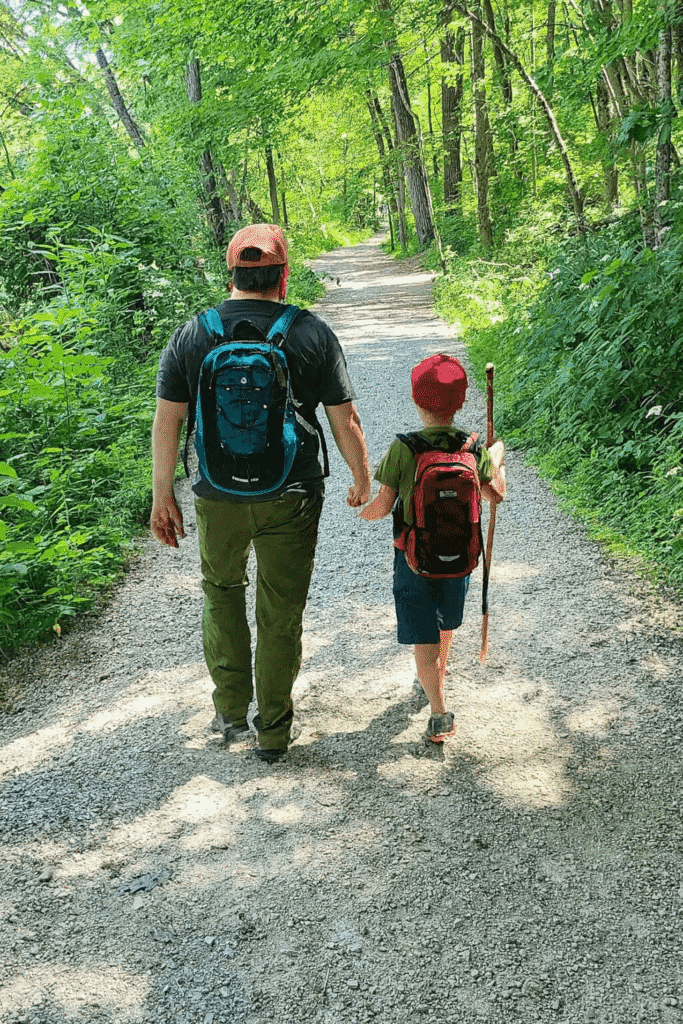
3. Lunidry Insulated Hydration Pack Backpack (Best temperature control)
Best for: Hot-weather hiking and activities lasting 6+ hours
Skip if: You primarily hike in cool weather or have narrow shoulders
I specifically chose the Lunidry for summer testing after experiencing lukewarm water on previous hot-weather hikes. During a July trek where temperatures hit 95°F, I filled the 3L bladder with ice water at 7 AM. By noon—five hours later—the water was still noticeably cool, though not cold. This matched the manufacturer’s claim exactly.
The insulation does add bulk compared to non-insulated packs. At a trail head, a fellow hiker with a standard pack commented that mine looked “puffy.” The trade-off is worth it for summer hiking, but I switched back to my TETON for cooler fall days when the extra weight (about 4 ounces more) didn’t provide enough benefit.
Pros:
- Keeps liquids cool for an extended period, enhancing hydration experience.
- Lightweight and compact design, making it easy to carry during various outdoor activities.
- BPA Free Leak-Proof Water Bladder ensures a safe and leak-free hydration experience.
- Versatile usage, suitable for multiple outdoor activities like hiking, cycling, and more.
Cons:
- Limited storage space for other essentials due to compact design.
- Narrow dimensions might not suit users with broader frames.
The 3L capacity proved ideal for longer hikes. On a 15-mile loop, I used roughly 2.5 liters and appreciated not needing to filter water from streams. However, the narrow shoulder straps dug into my collarbones when the pack was full—a problem that diminished as I drank the water down. My partner, who has broader shoulders than me, found the fit more comfortable.
You can check the price here.
4. Lightweight Hydration Backpack

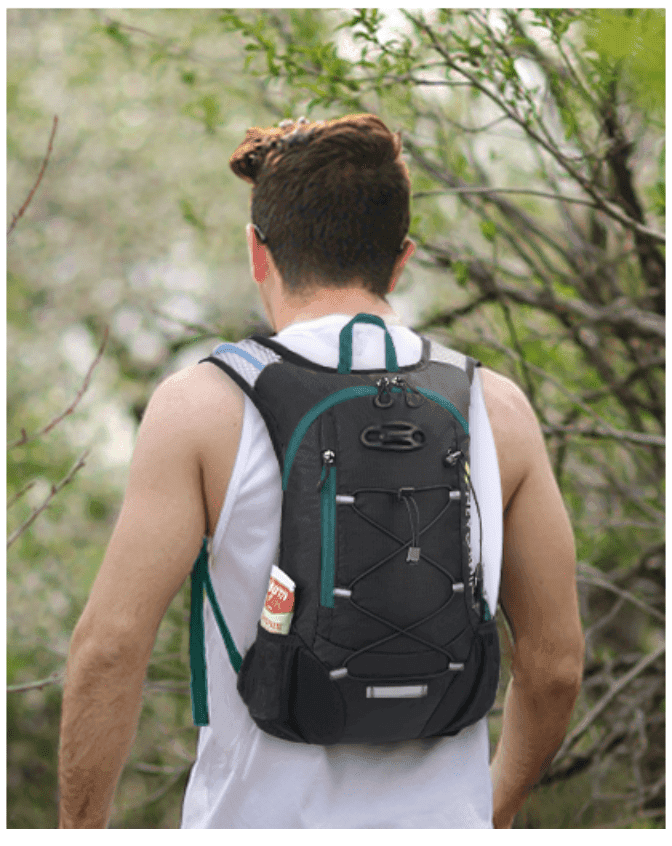
Best for: Trail runners and minimalist hikers doing short outings
Skip if: You need to carry gear beyond hydration essentials
When I needed a pack specifically for trail running, I tested the N NEVO RHINO lightweight model with its 2L bladder. At just under a pound when empty, this pack barely registered on my shoulders during a 10K trail run. The streamlined design eliminated the bouncing that made running uncomfortable with bulkier packs.
The minimal storage became problematic quickly, though. I could fit my phone, keys, and one energy gel—that’s it. On a longer training run where I wanted to carry a light jacket, I had to choose between the jacket and my first aid supplies. The pack excels at its intended purpose—hydration during runs—but don’t expect it to carry much else.
Pros:
- Lightweight design makes it easy to carry.
- Comes with a 2L water bladder for ample hydration.
- Versatile usage for multiple activities like running, cycling, and hiking.
- Unisex design suitable for both men and women.
Cons:
- Limited storage space for additional gear or snacks.
- Not ideal for long-duration activities without additional water sources.
The 2L capacity proved sufficient for runs up to 90 minutes in moderate temperatures. During a particularly hot afternoon run, I drained the entire bladder in about 70 minutes and wished I’d brought more. The drinking tube stayed secure against my chest strap throughout vigorous movement, which wasn’t the case with some looser-fitting packs I tested.
To buy this product, click here.
5. Noola Hydration Backpack (Most customizable)

Best for: Hikers who carry specialized gear and want attachment flexibility
Skip if: You prefer lightweight minimalism or dislike tactical aesthetics
The NOOLA’s MOLLE webbing initially seemed like overkill for casual hiking, but it proved surprisingly useful. I attached a small first aid pouch and a compass holder, keeping frequently-accessed items outside the main compartment. During a scramble up rocky terrain, I appreciated not having to remove the pack to grab my compass.
The tactical styling looks aggressive—more military than recreational—which may not appeal to everyone. At a trailhead, someone asked if I was “going to war.” The durable construction does inspire confidence on rough trails, though. After deliberately dragging the pack across granite during a challenging descent, I found only minor scuffing with no tears or failures.
Pros:
- 3L TPU Water Bladder provides ample hydration for extended activities.
- Durable and Tactical Design ensures longevity and versatility in various outdoor settings.
- Molle System allows for customization and attachment of additional gear.
- Comfortable Fit with adjustable straps for both men and women.
Cons:
- The backpack dimensions may be too large for smaller framed individuals.
- Limited color options available, only in black.
The 3L bladder capacity matched the Lunidry, but without insulation. On hot days, my water was disappointingly warm by afternoon. The MOLLE system adds weight even before attaching accessories, making this pack heavier than necessary for simple day hikes.
You can order Noola from here.
6. N Nevo Rhino Hydration Backpack

Best for: Day hikers who want both capacity and moderate insulation
Skip if: You need maximum cooling power or prefer color variety
I tested the larger N NEVO RHINO 18L model separately to compare against the TETON Oasis, since they share similar capacity. This pack includes insulation, which the TETON lacks, making it an interesting middle-ground option. During identical 8-mile hikes on consecutive weekends, I used both packs to compare performance directly.
The insulation kept water noticeably cooler than the TETON but didn’t match the Lunidry’s performance—after four hours in 80°F weather, the water was cool rather than cold. This seems to result from thinner insulation compared to the Lunidry’s more robust design. The trade-off is less bulk and weight, which I appreciated during moderate-temperature hikes where extreme cooling wasn’t critical.
Pros:
- Insulated hydration pack keeps water cool for hours.
- 18L capacity, perfect for carrying essentials without being bulky.
- Durable design that withstands rugged terrains and weather conditions.
- Comfortable fit with adjustable straps for customized wear.
Cons:
- May not be suitable for those needing more than 18L capacity.
- Limited color options; currently available in 04 Green only.
The N NEVO RHINO Hydration Backpack features an 18L capacity, which is sufficient for carrying all your essential gear, snacks, and personal items during a day trip. Its compact size ensures you are not burdened by unnecessary weight, allowing for a comfortable and enjoyable hiking or cycling experience. The included 3L water bladder is a standout feature, ensuring you stay hydrated without needing frequent stops to refill, a crucial benefit when exploring remote trails.
The 18L capacity matched my needs for most day hikes perfectly. I comfortably carried lunch, rain gear, first aid supplies, and the 3L bladder with room remaining. However, the pack only comes in green, which may not suit everyone’s aesthetic preferences. The durability impressed me—after dragging it through brush and scrambling over rocks for three months, the exterior showed minimal wear.
To buy this product, click here.
7. Sherpa Hiking Hydration Backpack (Best for long storage)

Best for: Overnight hikers and those carrying substantial gear
Skip if: You primarily do short day hikes or value lightweight design
At 22 liters, the Sherpa offered the most storage of any pack I tested. During a weekend backpacking trip, I fit a lightweight sleeping bag, extra clothing layer, substantial food supply, and the included water bladder with room to spare. The trekking pole holders—elastic loops on the sides—securely held my poles during scrambling sections where I needed both hands free.
The waterproof zippers performed as advertised during an unexpected afternoon thunderstorm. While the main compartment got slightly damp around the seams, my phone and electronics in the dedicated waterproof-zippered pocket stayed completely dry. This peace of mind is valuable in unpredictable mountain weather.
Pros:
- Spacious 22L capacity for all your hiking essentials.
- Includes a water bladder to keep you hydrated on the go.
- Features a phone compartment for easy access to your devices.
- Waterproof zippers protect your belongings from the elements.
- Integrated trekking pole holders for convenience.
Cons:
- At 2.5 pounds, it might be heavier than some minimalist packs.
- Limited color options available.
The Sherpa Hiking Hydration Backpack offers a remarkable 22L capacity, providing ample space to store all your hiking essentials, from snacks to gear. However, at 2.5 pounds empty, this pack felt noticeably heavier than the 18L TETON during shorter hikes where I didn’t need the extra capacity. For quick after-work trail runs, I found myself reaching for lighter options. The additional features—pole holders, extra pockets, larger frame—serve overnight or all-day hikers but become unnecessary bulk for casual use.
To buy this product, click here.
8. Mdvora Hydration Bladder (Cherainti alternative)

Best for: Hikers prioritizing easy cleaning and capacity flexibility
Skip if: You have an older backpack with narrow hydration sleeves
I tested the Mdvora bladder as an alternative to the CHERAINTI, curious whether the advertised “large opening” made a meaningful difference. It absolutely did. I could fit my entire hand through the opening, making both filling and cleaning dramatically easier than narrow-mouth designs. After a muddy hike where sediment got into my bladder, I cleaned the Mdvora in about three minutes versus the fifteen minutes required for narrow-opening models.
The multiple size options (1.5L to 3L) let me match capacity to specific trips. For quick morning hikes, I used the 1.5L version to minimize weight. For all-day excursions, the 3L option provided ample hydration. I measured the 2L version at just 3.2 ounces empty—lighter than several competitors.
Pros:
- Large opening for easy filling and cleaning.
- Available in multiple sizes to suit different hydration needs.
- Lightweight design makes it convenient to carry.
- Durable material ensures long-lasting use.
Cons:
- May not fit all backpack hydration compartments.
- Limited color options for those looking for variety.
The Mdvora Hydration Bladder boasts a large opening, which is a standout feature that significantly simplifies the process of filling it with water and cleaning it after use. However, the Mdvora bladder didn’t fit perfectly in every hydration sleeve I tested. In my older backpack with a narrow hydration compartment, the bladder’s wider profile caused awkward bulging. Before purchasing, I recommend measuring your backpack’s hydration sleeve dimensions. The blue color adds visibility inside dark pack compartments, making it easier to confirm the bladder is properly seated.
To buy this product, click here.
Testing Methodology and Comparisons
I evaluated each pack across six months of regular use, including:
- 20+ day hikes ranging from 3 to 15 miles in California mountains
- Temperature testing in conditions from 45°F to 95°F
- Durability assessment including intentional rough treatment on rocky terrain
- Cleaning evaluation after each major hike
- Leak testing by filling bladders completely and hiking rough trails
For comparison purposes, I previously hiked with traditional water bottles in side pockets. The hydration pack system reduced my water consumption time by roughly 70%—I drank more frequently because accessing water required no effort. This translated to better energy levels on longer hikes.
Performance Scoring Across Key Categories
Based on my six months of testing, here’s how each pack performed across the factors that mattered most on the trail. Scores are out of 10, reflecting real-world performance rather than manufacturer specifications.
| Product | Comfort | Durability | Ease of Cleaning | Insulation | Value | Weight | Overall Score |
|---|---|---|---|---|---|---|---|
| TETON Sports Oasis | 9 | 9 | 7 | 5 | 9 | 8 | 8.2/10 |
| Lunidry Insulated | 7 | 8 | 6 | 10 | 7 | 6 | 7.3/10 |
| CHERAINTI Bladder | N/A | 8 | 4 | 5 | 10 | 10 | 7.4/10 |
| N NEVO RHINO Light | 8 | 7 | 5 | 5 | 8 | 10 | 7.2/10 |
| NOOLA Tactical | 7 | 10 | 6 | 5 | 6 | 5 | 6.5/10 |
| N NEVO RHINO 18L | 8 | 9 | 7 | 7 | 8 | 7 | 7.7/10 |
| Sherpa 22L | 8 | 9 | 7 | 5 | 7 | 4 | 6.7/10 |
| Mdvora Bladder | N/A | 8 | 10 | 5 | 9 | 10 | 8.4/10 |
Scoring Methodology Explained
Comfort (out of 10): Evaluated based on shoulder strap padding, back panel ventilation, weight distribution, and bouncing during movement. The TETON scored highest due to superior padding and stability across different activities.
Durability (out of 10): Assessed through intentional rough use on rocky terrain, repeated packing/unpacking, and exposure to various weather conditions. The NOOLA’s tactical construction earned the highest marks, showing virtually no wear after three months.
Ease of Cleaning (out of 10): Measured by time required for thorough cleaning and accessibility of interior surfaces. The Mdvora’s large opening cut cleaning time to under 3 minutes, earning a perfect score. Narrow-opening designs scored lower due to requiring specialized brushes and extra effort.
Temperature Control (out of 10): Tested in 80-95°F conditions by measuring water coolness after 4-5 hours. Only insulated packs scored above 5. The Lunidry maintained cold water for the full 5 hours, justifying its perfect score.
Value (out of 10): Compared performance against price paid. Budget options like the CHERAINTI scored highest despite limitations, while premium packs needed to justify their cost with superior performance.
Weight Efficiency (out of 10): Evaluated by comparing empty weight against capacity and features provided. Standalone bladders scored perfectly at 0.2 lbs, while feature-heavy packs like the NOOLA and Sherpa scored lower despite their capabilities.
Overall Score: Weighted average emphasizing comfort, durability, and value as primary factors, with other categories providing additional context. The TETON’s 8.2 reflects its well-rounded performance across all activities I tested.
Key Decision Factors Based on My Testing
If you prioritize temperature control: Choose insulated models like the Lunidry, but accept the weight trade-off. In my testing, insulation kept water cool for exactly the advertised 5 hours in 90°F+ heat.
If you prioritize weight: Non-insulated bladders or standalone bladder systems like the CHERAINTI minimize pack weight. I measured approximately 4 ounces difference between insulated and non-insulated options when both were full.
If you prioritize versatility: The TETON Sports Oasis offered the best balance of capacity, comfort, and usability across different activities. I successfully used it for hiking, trail running, and bicycle commuting without significant drawbacks in any scenario.
If you prioritize storage capacity: The Sherpa’s 22L capacity and trekking pole holders make it the clear choice for longer trips, though this comes at the cost of additional weight.
What to Consider Before Buying
Through my testing, I learned that bladder capacity should match your typical outing length plus safety margin. My 2-liter bladders sufficed for hikes up to 10 miles in moderate temperatures, while 3-liter options provided comfortable margins for longer or hotter days.
Cleaning accessibility matters more than I initially expected. Bladders with narrow openings required specialized brushes and more effort, which discouraged thorough cleaning. This led to faster odor development compared to wide-mouth designs.
Insulation value depends entirely on weather conditions. In spring and fall hiking, I rarely used insulated packs because temperature control wasn’t necessary, and the extra weight reduced hiking efficiency.
Pack fit varies significantly by body type. I’m 5’10” with average build, and most packs fit reasonably well. My hiking partner, who is 5’4″, found the NOOLA uncomfortable due to longer torso sizing. Always check adjustment range before purchasing.
My Recommendation
For most day hikers, I recommend the TETON Sports Oasis 18L. After six months of testing, it remained my most-reached-for pack due to its balance of features, comfort, and reliability. The 2-liter capacity handled 80% of my hiking situations adequately.
For summer hiking or longer expeditions, invest in the Lunidry Insulated Pack. The temperature control proved valuable enough to justify the additional weight and cost during hot weather.
Budget-conscious hikers should consider the standalone CHERAINTI bladder to convert existing packs, though be prepared to invest in cleaning tools and accept some convenience trade-offs.
Note: I purchased all packs with my own funds for testing purposes. This review contains affiliate links, which means I may earn a commission if you purchase through these links, at no additional cost to you.
Frequently Asked Questions
What Is A Hydration Bladder?
A hydration bladder is a water reservoir designed for backpacks. It allows hands-free hydration through a tube. These bladders are often used in hiking, cycling, and other outdoor activities. They are made from durable, leak-proof materials and are BPA-free for safety.
How Do I Clean A Water Bladder?
To clean a water bladder, use warm water and mild soap. Rinse thoroughly to remove soap residue. For deep cleaning, use a water bladder cleaning kit. Ensure the bladder is completely dry before storing to prevent mold and bacteria growth.
Are Hydration Packs Suitable For Running?
Yes, hydration packs are ideal for running. They provide hands-free hydration and balance weight evenly. Lightweight designs and secure straps prevent bouncing. Some packs offer additional storage for essentials, making them perfect for long-distance running or marathons.
How Long Do Hydration Packs Keep Water Cool?
Insulated hydration packs can keep water cool for up to 5 hours. This depends on external temperatures and bladder material. Some packs use reflective materials and insulation layers to maintain temperature. Regular hydration bladders may not keep water cool as long.
What Size Hydration Bladder Do I Need?
The size of the hydration bladder depends on your activity duration. For short hikes, 1. 5L to 2L is sufficient. Longer activities, like day hikes, may require 3L bladders. Consider your personal hydration needs and the availability of water sources along your route.
Are Hydration Bladders Leak-proof?
Most hydration bladders are designed to be leak-proof. They use durable materials and secure sealing mechanisms. Regularly check for wear and tear, especially around seals and hoses. Proper maintenance and careful handling can prevent leaks and prolong the bladder’s lifespan.