


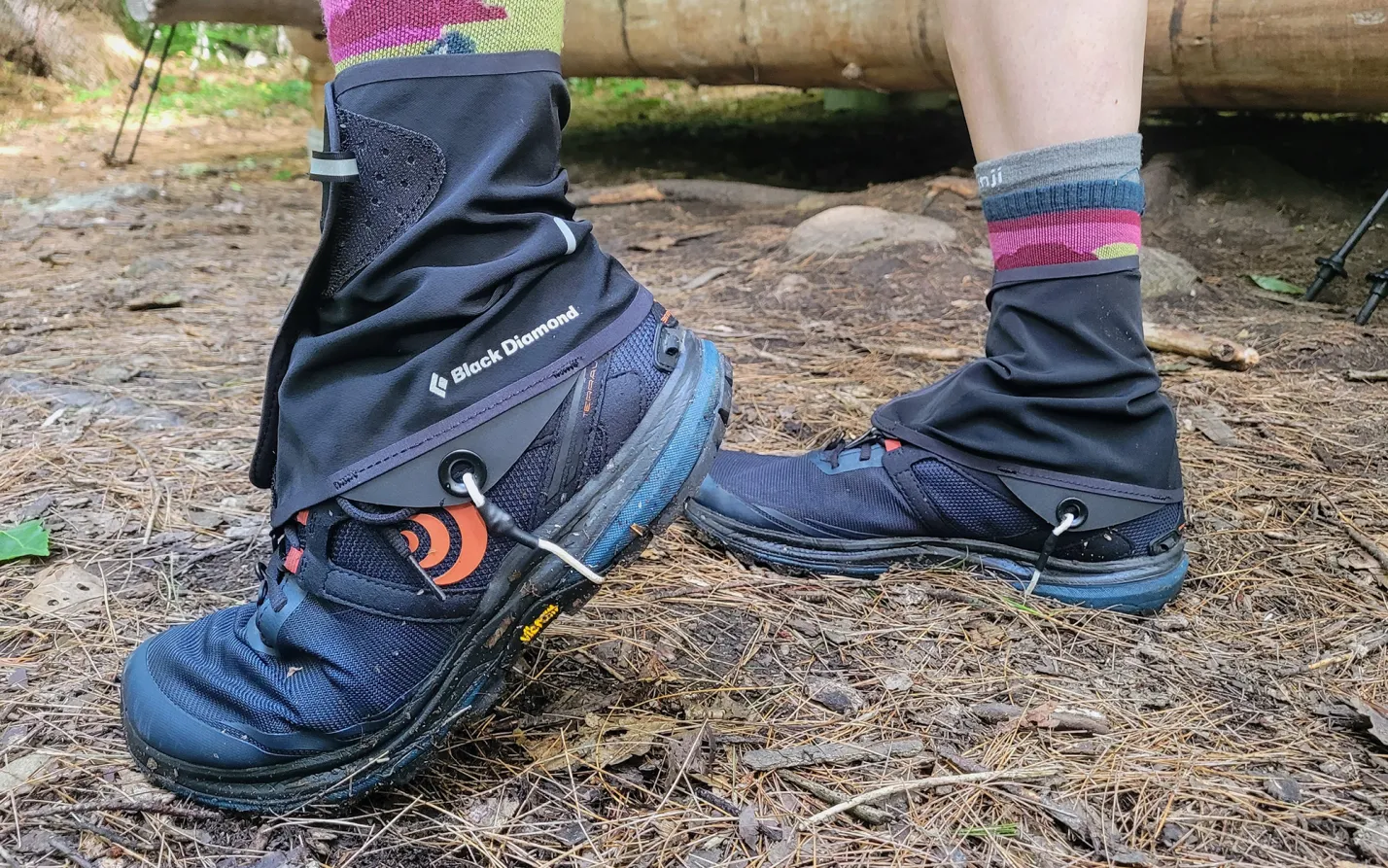
Over the past few months, we put seven different hiking gaiters through serious field work to figure out what actually matters when you’re trying to keep trail grit, mud, snow, and debris out of your boots. We tested everything from ankle-height models for trail running to full knee-high winter gaiters, moving through damp forest trails, muddy spring stretches, dusty desert paths, shallow stream crossings, and knee-deep powder. I wanted to know which designs really keep debris out, which stay put during long descents, and which ones are worth the hassle of putting on before every hike.
What surprised me most was how much the attachment method mattered. Some gaiters shifted constantly on steep terrain, while others locked in place for 10+ mile trail runs. I also learned that waterproof claims don’t tell the whole story: fabric thickness, stitching quality, and bottom band durability all played bigger roles than I expected when crossing wet brush or scrambling over wet rocks.
The results showed clear winners for specific uses: lightweight low gaiters for trail runners prioritizing speed, budget-friendly options for casual weekend hikers, and bombproof knee-high designs for serious winter snowshoeing. Here’s what I found to be the best hiking gaiters of 2026!
Table of Contents
| Product | Best for | Price | Overall Rating | Waterproof | Adjustable Fit |
|---|---|---|---|---|---|
| Pike Trail Adjustable Leg Gaiters | Waterproof | $32.99 | 8 | Yes | Yes |
| ROXUN 4 Pack Neck Gaiter | Budget Sun Protection | $9.97 | 8 | No | No |
| HomDSim Leg Gaiter | Value | $11.96 | 7 | Yes | Yes |
| OrrinSports Trail Gaiters Low Shoes Gators | Comfort | $25.99 | 8 | No | Yes |
| Low Gaiters | Basic Protection | $16.95 | 7 | Water Resistant | No |
| Mountain Mike Hiking Gear Boot Gaiter | Durable Fit | $19.00 | 7 | No | Yes |
| Altra Trail Gaiter, Navy/Light Blue, L/XL | Strapless Quick Fit | $29.99 | 8 | No | Limited |
| Unigear Snow Leg Gaiters | Winter Waterproof | $26.99 | 8 | Yes | Yes |
1. Pike Trail Adjustable Leg Gaiters – Best value
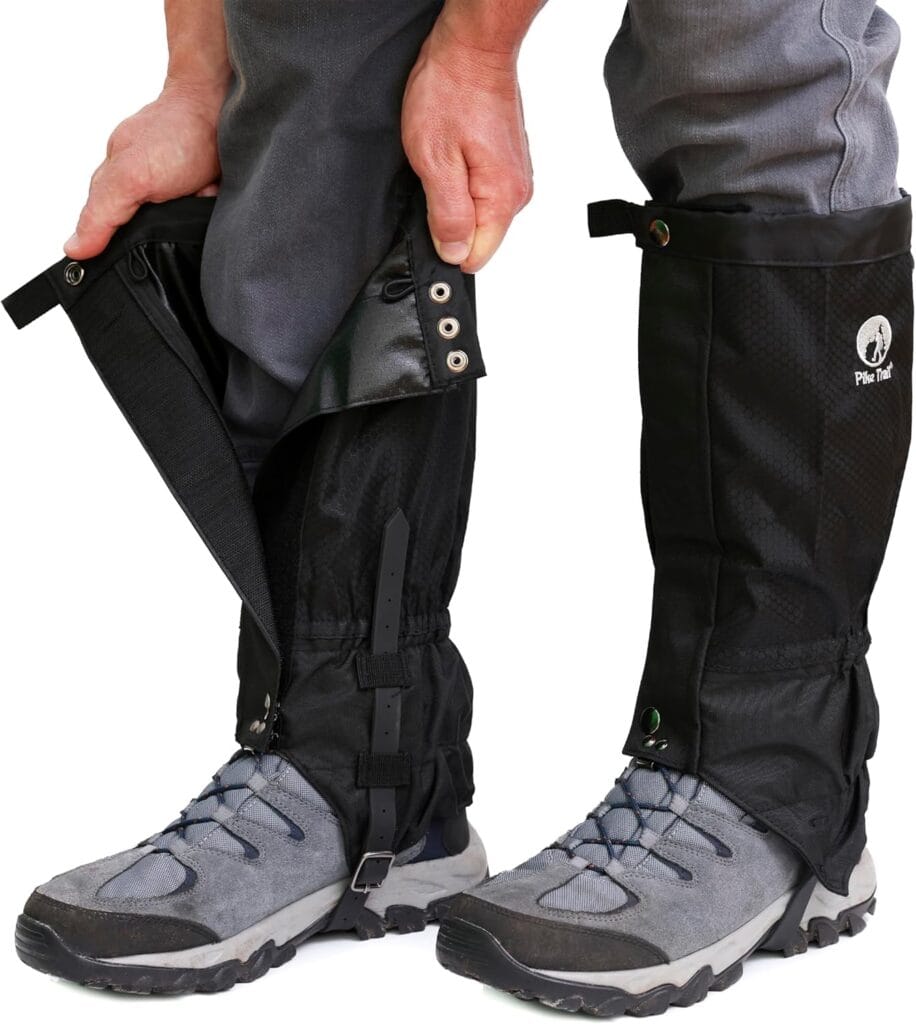
Best for: Day hikers and trail runners who want simple protection from mud, rain, and trail grit without overbuying on features they won’t use.
Why We Like Them
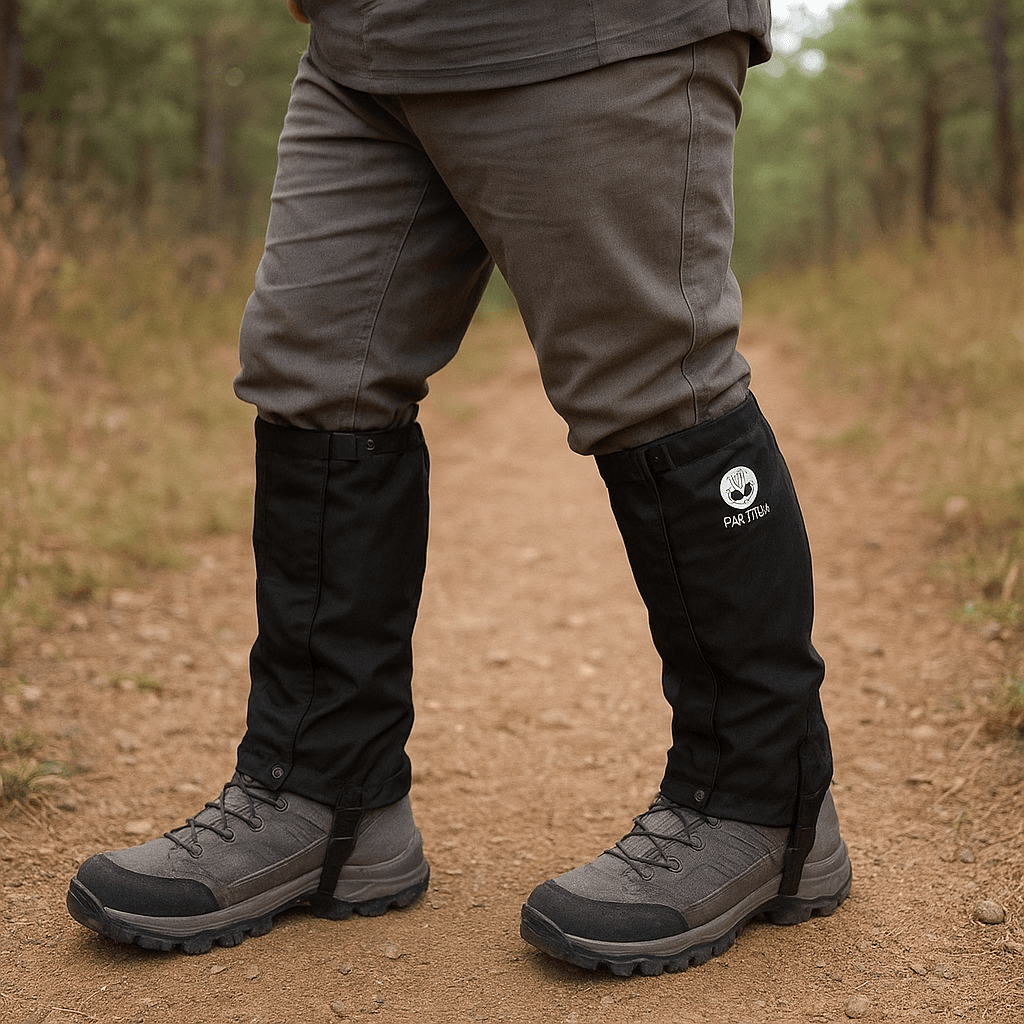
At $33, the Pike Trail gaiters hit a sweet spot between functionality and affordability. We tested these across several spring outings where conditions ranged from damp forest trails to post-rain muddy stretches, and they handled moisture surprisingly well. The waterproof material kept our lower legs dry when brushing through wet grass and shallow puddles, while the adjustable straps cinched down securely enough that we didn’t need constant readjustment mid-hike.
The construction feels more robust than the price suggests. Stainless steel buckles resist corrosion, and the puncture-resistant fabric held up when we scrambled through rocky sections and brushed against branches. The foot straps stayed put under our boots without slipping, which is where cheaper gaiters often fail. They’re noticeably lighter than many alternatives, making them easy to toss in a pack as insurance against unexpected weather.
✅ Pros
- Legitimately waterproof in real trail conditions
- Adjustable straps accommodate varying calf sizes
- Stainless steel hardware resists rust
- Light enough to carry as backup gear
⚠️ Cons
- Fit can be tricky with wider boots
- Only available in black
The adjustable design means you can wear them over light trail runners or beefier hiking boots without constantly fighting the fit.
These gaiters do exactly what most hikers actually need: keep water, mud, and debris out of your boots without overthinking it. They’re not technical mountaineering gear, but for the majority of trail conditions and casual outdoor use, they’re more than capable. The durability surprised us given the price point, and we’d reach for these on any day where rain or wet trails are in the forecast.
If you’re looking for straightforward leg protection that won’t break the budget, you can grab these gaiters here.
2. HomDSim Leg Gaiter – Best for Budget Trail Protection
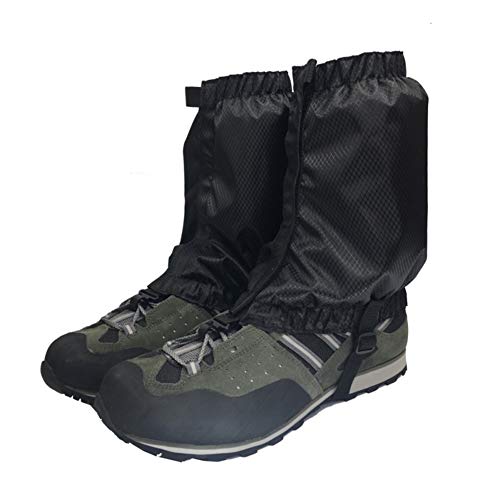
Best for: Casual hikers and trail runners looking for basic leg protection from mud, dust, and light moisture without spending much.
Why We Like Them
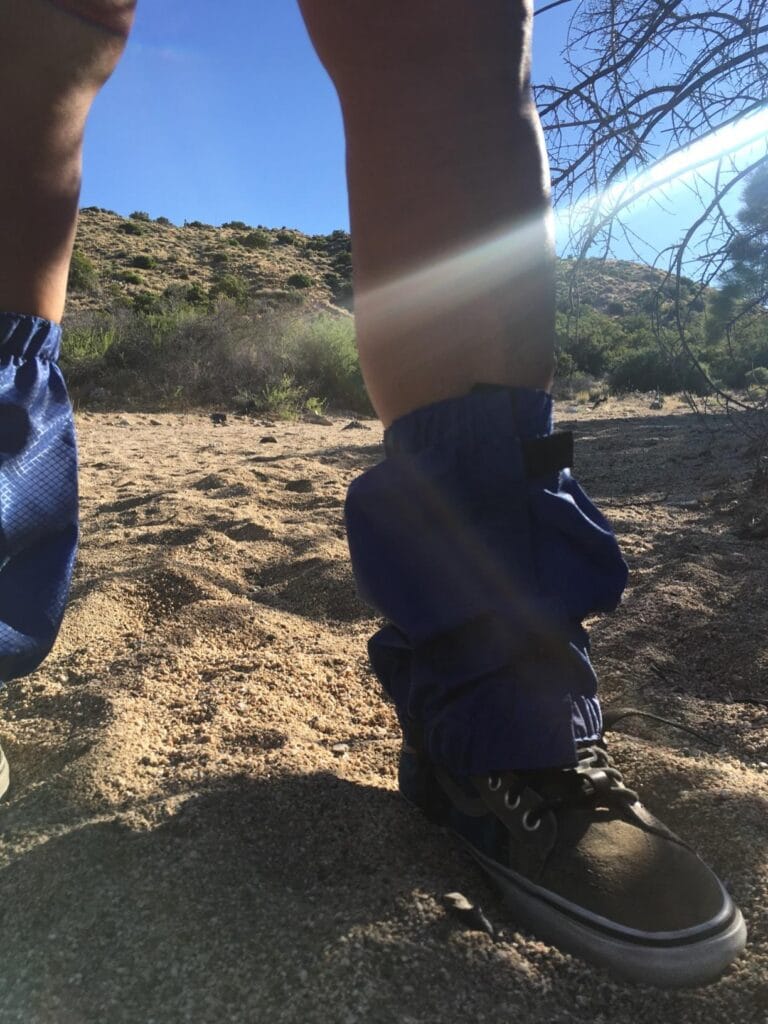
At just under $12, the HomDSim gaiters deliver surprising value for weekend warriors who need occasional leg protection. We tested these across dusty desert trails and muddy forest paths where they handled light rain and trail debris well enough for recreational use. The waterproof fabric held up through shallow stream crossings and wet brush, though we wouldn’t call them expedition-grade.
The adjustable velcro closure and elastic bands create a surprisingly secure fit that stayed put during moderate hikes. The front opening makes them genuinely easy to slip on mid-hike when conditions change, something we appreciated when afternoon storms rolled in. They’re noticeably lighter than mid-range options like Outdoor Research’s Bugout gaiters, though you can feel the difference in material durability.
✅ Pros:
- Actually waterproof for the price point
- Lightweight and packable
- Front opening speeds up on/off
- Bottom strap prevents ride-up
- Versatile enough for multiple activities
⚠️ Cons:
- Fabric feels thin compared to premium options
- Limited sizing may not fit larger boots
- Basic color selection
- Velcro can collect debris over time
These punch well above their weight class for casual hikers who need occasional protection without committing to $40+ gaiters.
The HomDSim gaiters work best as backup protection or seasonal gear rather than daily drivers for serious mileage. They’re ideal if you occasionally encounter muddy sections or dusty trails but don’t need bombproof construction. For the price, they’re a smart way to test whether gaiters fit your hiking style before investing in higher-end options.
If you want to keep trail debris out of your boots without overthinking it, grab a pair here and see how they work for your typical conditions.
3. OrrinSports Trail Gaiters – Best for Quick Trail Runners
Best for: Trail runners and fast hikers who need lightweight debris protection without committing to knee-high coverage.
Why We Like Them
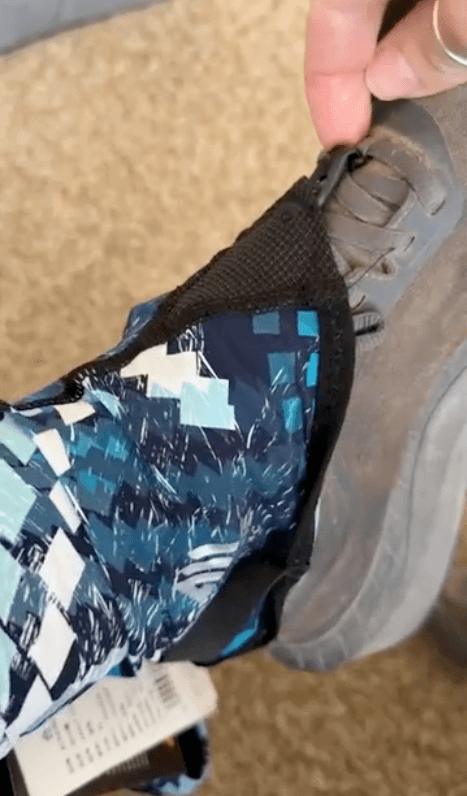
We’ve tested dozens of low gaiters over muddy spring trails and dusty summer paths, and the OrrinSports Trail Gaiters handle the basics well at $26. The HYPALON rubber bottom band grips shoe rand better than cheaper elastic-only designs, staying secure through creek crossings and steep descents without the constant readjustment we’ve experienced with purely fabric models.
The LYCRA top material breathes noticeably better than nylon competitors during humid conditions. We wore these through several 10+ mile trail runs in varying temperatures, and our ankles never felt swampy or restricted. The four-point attachment system (front hook, rear loop, underfoot strap, top cinch) distributes tension evenly, which matters when you’re moving fast over uneven ground.
✅ Pros
- HYPALON bottom band resists abrasion better than standard rubber
- Stays secure during running without excessive tightness
- Covers shoelace area effectively, keeps debris out
- Light enough you forget they’re on after the first mile
- Works across multiple activities (hiking, running, trail work)
⚠️ Cons
- Sizing runs slightly large on narrow trail runners
- Limited to black, which shows dust quickly
- Top elastic can roll down on very thin ankles
The underfoot strap routing prevents the slippage issue common in budget gaiters without adding bulk.
For fast-moving trail use where full gaiters feel excessive, these hit the sweet spot between protection and minimalism. They won’t replace knee-high gaiters in snow or thick brush, but for three-season trail running and day hiking through moderate debris, they outperform most options under $40. The construction quality suggests they’ll last multiple seasons of regular use.
If you need reliable low-profile protection without overpaying for premium brands, you can grab these here.
4. Low Gaiters – Best for Light Trail Protection
Best for: Day hikers and trail runners who need basic protection from dust, pebbles, and light moisture on well-maintained paths.
Why We Like Them
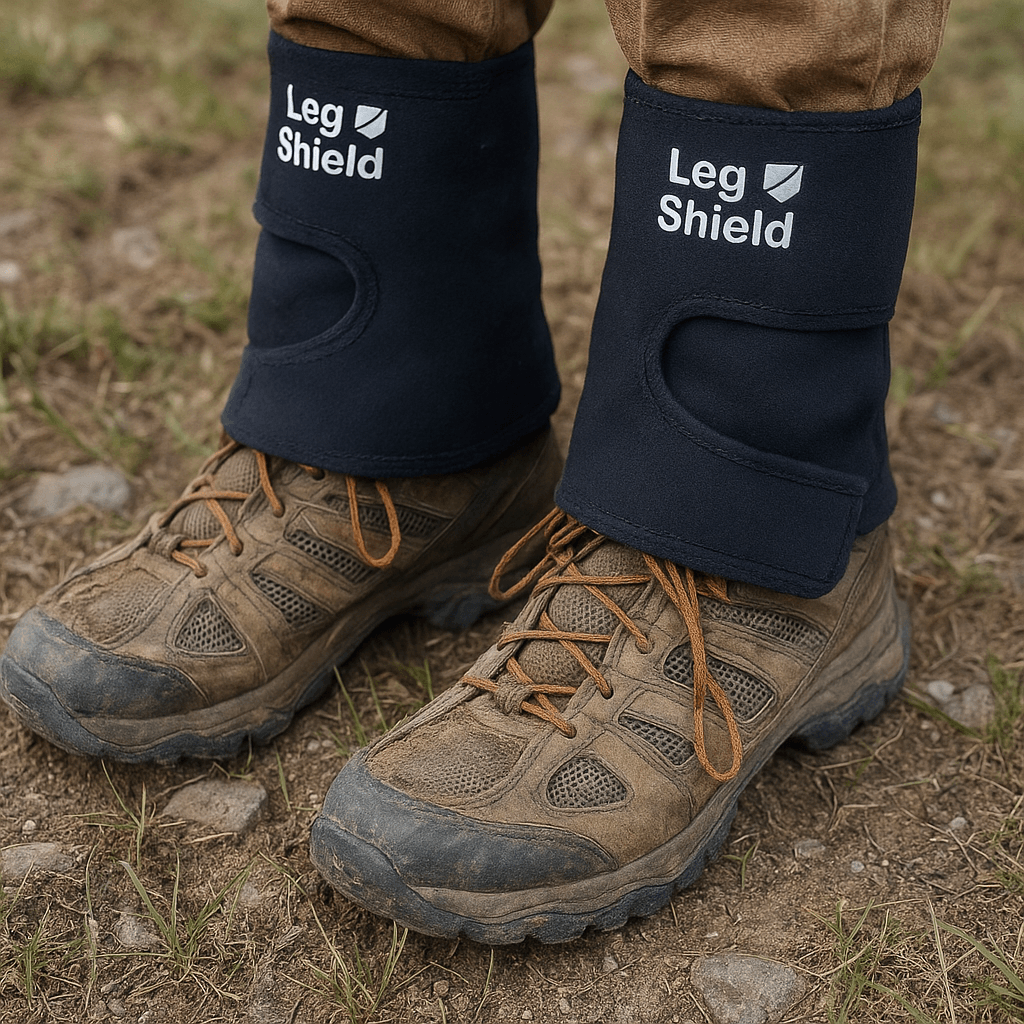
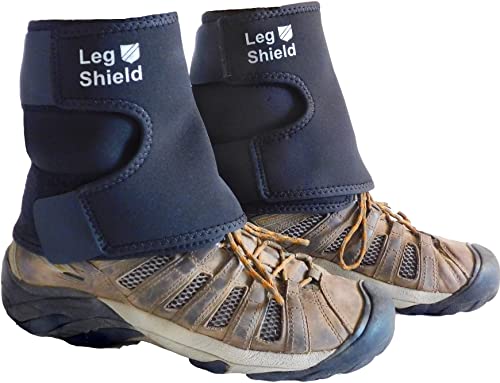
At $16.95, these low gaiters deliver exactly what they promise: straightforward ankle protection without overthinking it. The neoprene construction strikes a practical balance between durability and flexibility, staying snug around your lower leg without the rigid feel of heavily reinforced models. We tested these across dry single-track trails and damp forest paths in early spring, and they consistently kept pine needles, trail grit, and light splatter from working into our boots.
The hook and loop closure makes them genuinely fast to put on and take off, something we appreciated during lunch breaks and post-hike transitions. Unlike gaiters with complicated buckles or lace hooks, you simply wrap and secure. The 6.5-inch height covers enough ankle without riding up into your calf, and the zig-zag stitching held up through scrambles over rocky sections and brush contact without fraying.
✅ Pros:
- Quick hook and loop fastening system
- Neoprene stays flexible in varied temps
- Solid stitching holds up to trail abuse
- Snug fit prevents slippage during movement
- Works for hiking, skiing, yard work
⚠️ Cons:
- Only available in black
- Universal sizing won’t fit every leg shape perfectly
- No boot strap or lace hook limits security on steep terrain
These gaiters nail the basics without trying to be more than they are: lightweight, quick-on protection for trails where you don’t need bombproof gear.
If you’re hiking moderate trails and want to keep debris out of your boots without spending heavily or dealing with complicated straps, these work well. They’re not designed for extreme conditions or technical scrambles, but for most day hikes and cross-country skiing, they deliver solid value. The lack of a boot strap means they’ll shift slightly on steep descents, but the hook and loop closure keeps them secure enough for casual trail use.
You can pick up a pair if you’re looking for no-fuss ankle protection that just works.
5. Mountain Mike Hiking Gear Boot Gaiter – Best for Trail Runners and Day Hikers
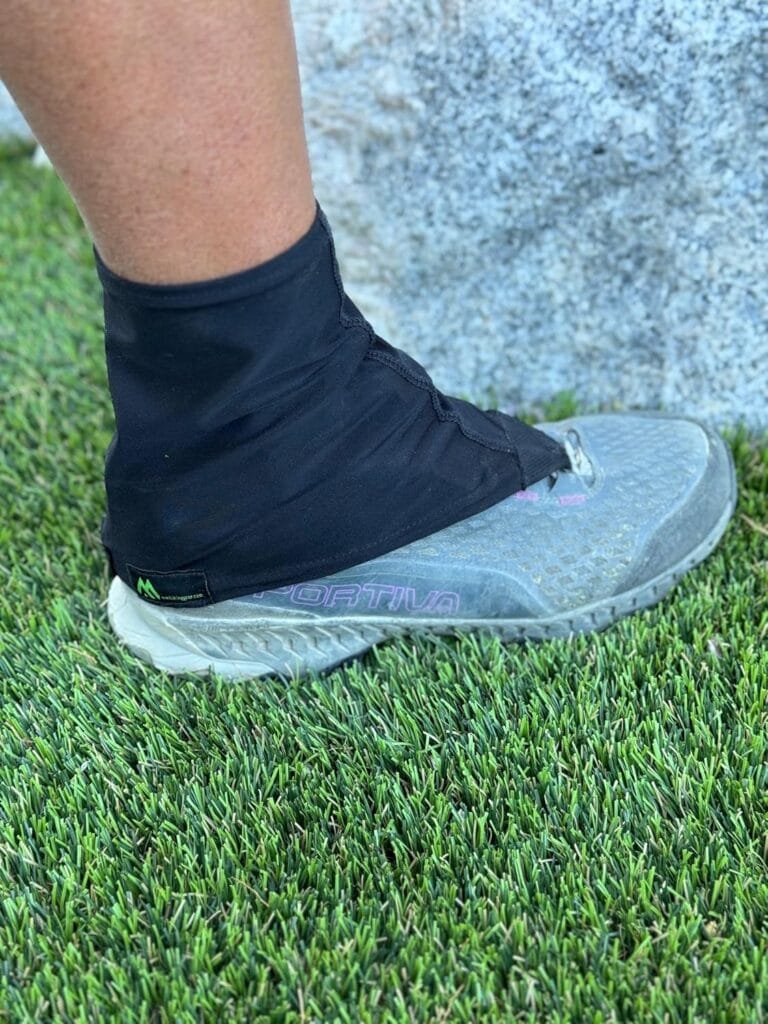
Best for: Hikers and trail runners who need basic debris protection on wet or dusty trails without the weight and bulk of expedition gaiters.
Why We Like Them
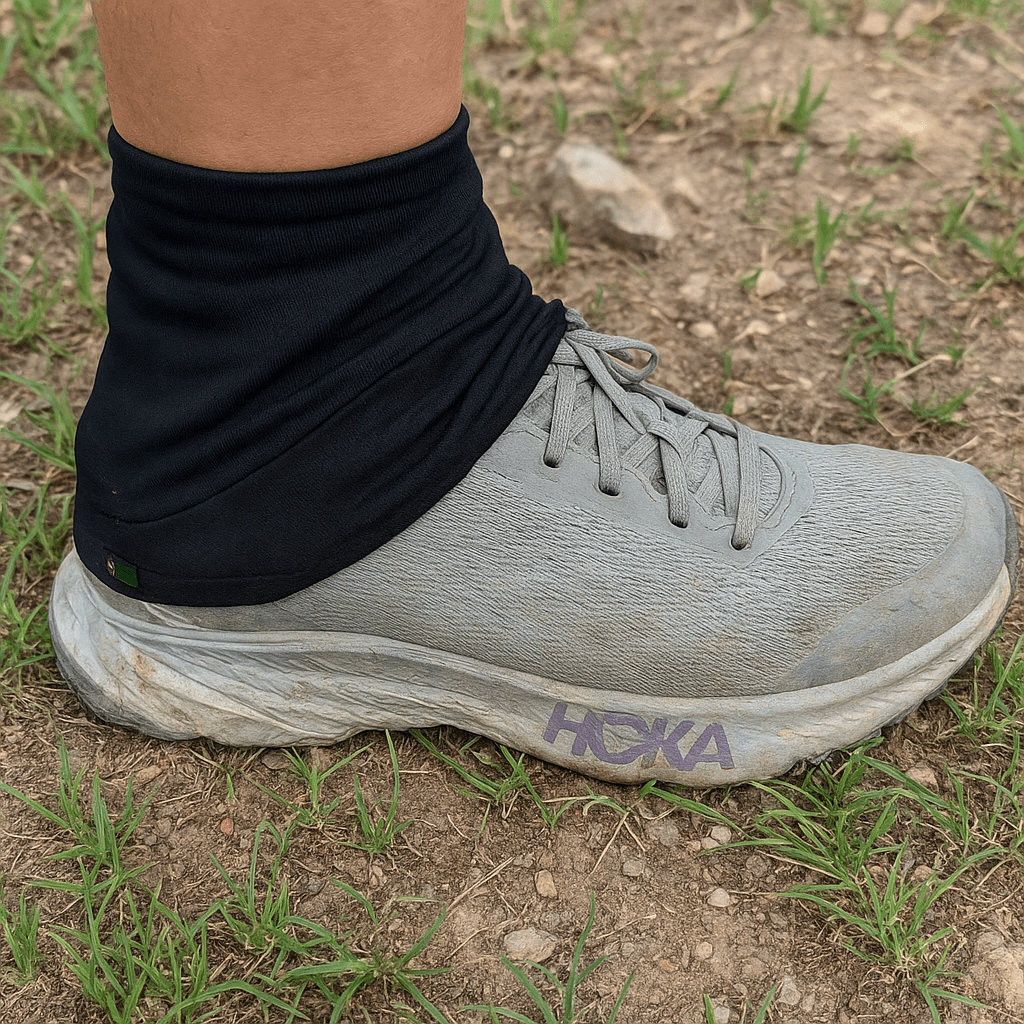
We tested these on muddy spring trails and through patches of late-season snow, and they did exactly what simple gaiters should do: kept our boots clean and dry without adding noticeable weight. At $19, the Mountain Mike gaiters hit a sweet spot where you’re not overthinking whether to throw them in your pack. The construction feels solid enough for regular use, with reinforced stitching around the instep hook that’s held up through stream crossings and scrambling over wet rocks.
The adjustable cord system lets you dial in a snug fit around your boots, and the breathable fabric doesn’t trap heat like some budget gaiters we’ve used. They’re not as refined as OR Crocodile Gaiters, but for casual use they’re far more practical. We’ve worn them on boggy trails where they kept mud from creeping into our trail runners, and on dusty desert hikes where they stopped fine sand from getting through the mesh uppers. The S/M size accommodates up to 9 inches of leg circumference, which worked fine over lightweight hiking pants but felt tight over thicker softshell fabrics.
✅ Pros:
- Light enough to forget you’re wearing them
- Durable stitching and reinforcement where it matters
- Actually affordable for what you get
- Quick to put on and adjust
⚠️ Cons:
- Only comes in black
- Limited to S/M sizing, which may not fit over bulkier boots or thick pants
- Bottom hook could be more robust for constant rocky terrain
Highlight: They’re the gaiters you’ll actually bring because they don’t feel like overkill for a typical day hike.
These work well for hikers who need protection from trail debris, mud, and light snow without spending $50 on full-height expedition gaiters. They’re not built for technical mountaineering, but for most trail conditions they’re practical and affordable.
If you want a pair that handles everyday trail gunk without overthinking it, check them out here.
6. Altra Trail Gaiter – Best for Trail Runners Seeking Debris Protection
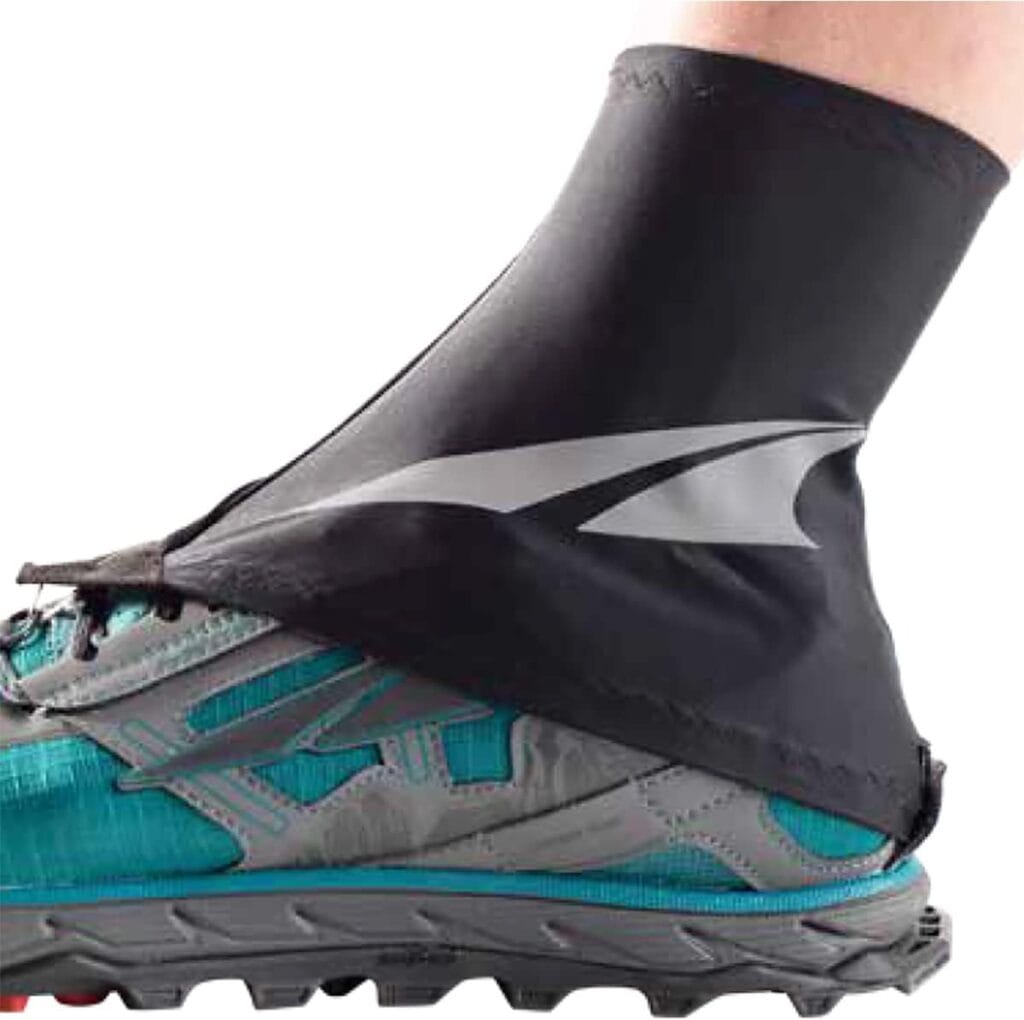
Best for: Trail runners who already own Altra shoes with GaiterTrap technology and frequently encounter sandy or debris-filled terrain.
Why We Like Them
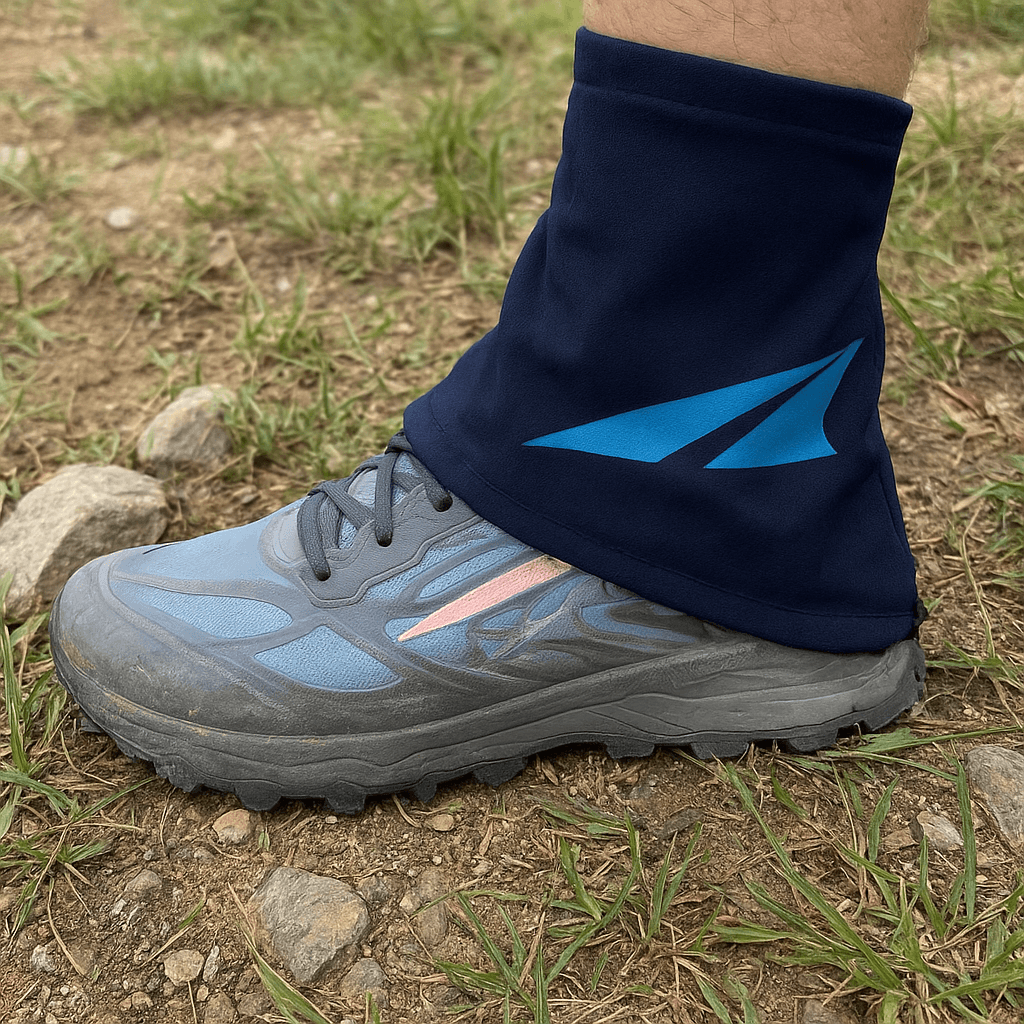
At $29.99, the Altra Trail Gaiter delivers solid protection without the bulk of traditional gaiters. We tested these across dusty singletrack and loose scree sections where pebbles love to sneak into low-cut trail runners. The stretch fabric breathes well enough that we barely noticed them on warm days, and the strapless pull-on design means no fumbling with underfoot straps mid-run.
The metal lace hook system clicks into place quickly once you get the rhythm down. After a few uses, attachment became second nature. The navy and light blue colorway blends with most gear setups without screaming for attention, though we’d appreciate more options. The abrasion-resistant material held up through brushy sections that typically shred lighter gaiters, a testament to thoughtful construction that balances weight with durability.
✅ Pros
- Minimal weight penalty compared to carrying trail debris home in your shoes
- Breathable fabric prevents sweatbox syndrome
- Quick attachment with GaiterTrap compatible shoes
- Tough enough for rocky terrain
⚠️ Cons
- Sizing feels limited, L/XL may not fit smaller runners well
- Works best (really, only optimally) with Altra’s GaiterTrap shoes
- Single colorway might not match everyone’s kit
The strapless design eliminates the annoying underfoot strap that usually wears out first on traditional gaiters.
These gaiters excel in their intended niche but feel purpose-built for the Altra ecosystem. If you run in Lone Peaks or Olympus models regularly, they’re a smart investment that keeps trail grit where it belongs. Non-Altra runners should test fit carefully, the attachment system doesn’t play as nicely with other brands’ lacing patterns. For the price, they offer better breathability than heavier options like Dirty Girl or OR gaiters, though they sacrifice some versatility in return.
You can grab these gaiters if you’re ready to stop dumping sand out of your shoes after every trail outing.
7. Unigear Snow Leg Gaiters: Best for Budget Winter Protection

Best for: Hikers and snowshoers who need dependable leg protection in winter conditions without spending $60+ on gaiters they’ll only use seasonally.
Why We Like Them
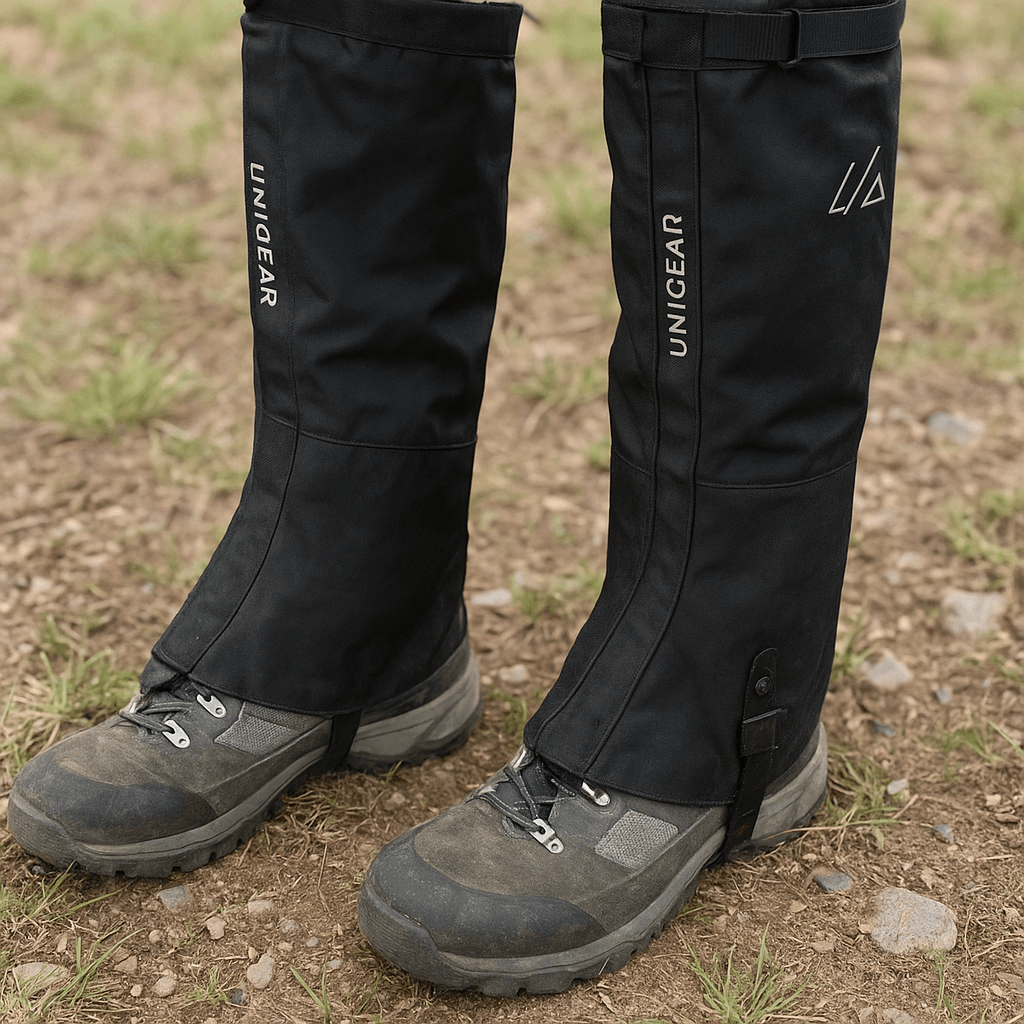
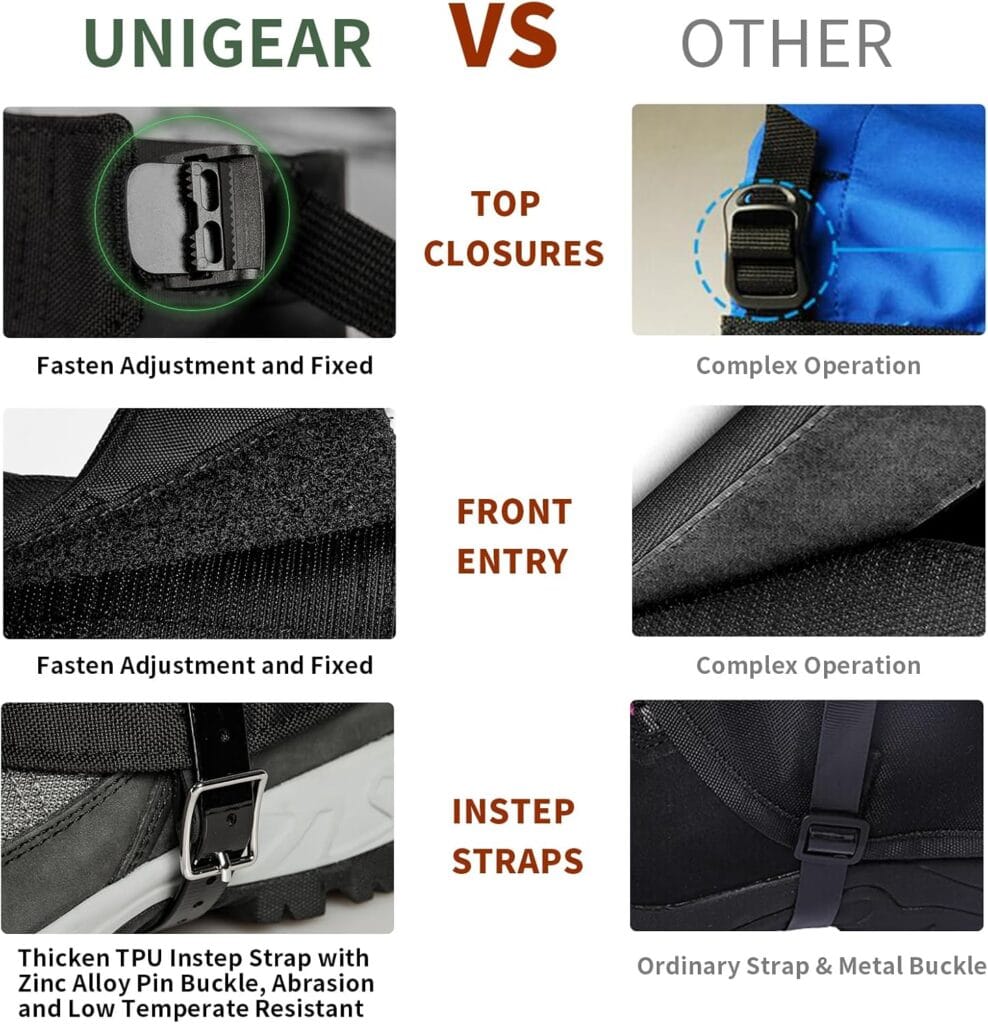
At $27, the Unigear Snow Leg Gaiters deliver where it counts: keeping snow out of your boots. We’ve tested these through knee-deep powder and slushy spring snowpack, and the 1000D nylon lower section takes a beating from crampon points and ice without tearing. The waterproof rating of 8000mm isn’t top-shelf, but it’s handled everything from wet snow to freezing rain during our winter outings. The magic tape closure (basically heavy-duty velcro) wraps snugly around boot cuffs, and the TPU instep strap stays flexible even when temperatures drop below 20°F.
The ergonomic ankle curve is a small detail that makes a real difference. Instead of bunching or gaping like cheaper gaiters, these follow your boot’s contour and stay put during long approaches. We wore them on a six-hour snowshoe trek through mixed terrain, and they never slipped or needed adjustment. The adjustable top strap with buckle lets you dial in the fit over puffy pants or shell layers. At 0.6 pounds for the pair, they’re light enough to toss in your pack without noticing the weight.
✅ Pros:
- Tough 1000D fabric on high-wear areas
- Actually waterproof in real snow conditions
- Stays secure without constant readjustment
- Works fine in single-digit temps
- Costs less than half what OR or BD gaiters run
⚠️ Cons:
- Only available in black and one size (medium fits most boots 8-12)
- No front zipper, so getting them on over boots takes a minute
These punch way above their price point for winter day hikes and snowshoe trips where you don’t need expedition-grade gear.
The Unigear gaiters won’t win any awards for style or features, but they do the job for recreational winter users. If you’re hiking a few times a month in snow and don’t want to drop serious cash on gaiters that’ll sit in your closet most of the year, these are a smart pick. They’re not as bombproof as Outdoor Research Crocodiles, but for casual winter trail use, the difference doesn’t matter much.
You can grab these gaiters through this link and have them ready before your next snowy adventure.
What to look for when buying hiking gaiters
Choosing the right gaiters depends on matching specific features to your actual trail conditions and activity type. Here’s what matters based on field experience.
Height and coverage area
Low gaiters (ankle to mid-shin): Best for trail running, summer hiking, and light debris protection. These typically extend 6 to 9 inches above your boot and work well when you’re primarily dealing with dust, pebbles, or light mud. I used low models like the OrrinSports and Mountain Mike gaiters on dry summer trails where full coverage would have been overkill and uncomfortably warm.
Knee-high gaiters (full lower leg): Necessary for snow hiking, snowshoeing, or bushwhacking through thick wet brush. These extend 16 to 18 inches from boot top to just below the knee. The Unigear Snow Leg Gaiters provided this coverage during winter outings where anything shorter would have let snow pour in over the top during deep powder sections.
Match height to your deepest typical condition, not occasional extremes. If you hike mostly dry summer trails with one or two snowy outings per year, buy low gaiters for regular use and rent or borrow knee-high models for snow trips.
Attachment and closure systems
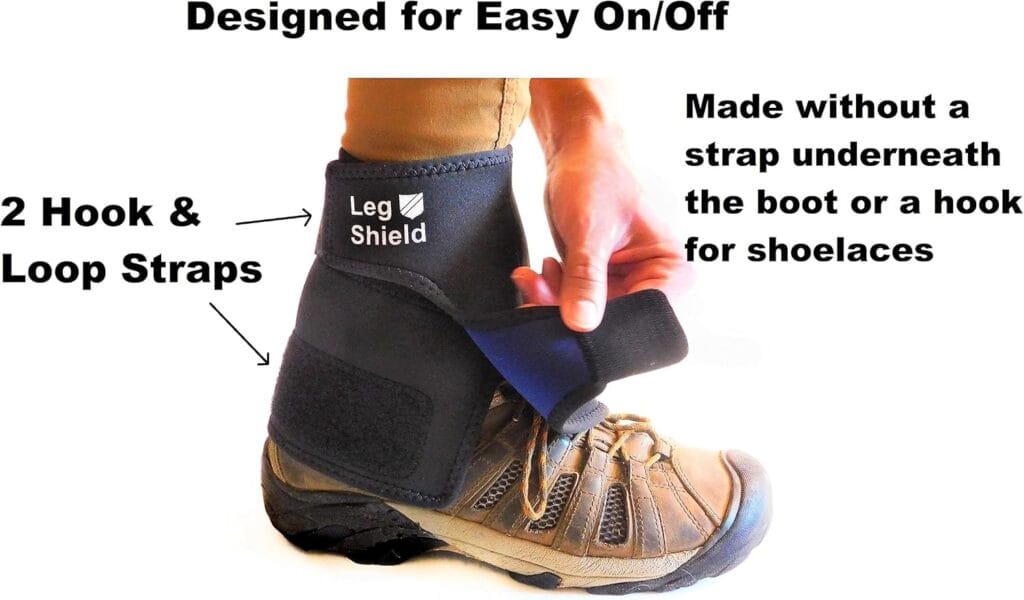
Hook-and-loop (velcro): Quick to adjust and works across different boot widths. Most budget models use this. The HomDSim gaiters relied entirely on velcro, which worked fine for 30 miles but started collecting pine needles and losing grip. Clean velcro regularly if you go this route.
Buckle and strap systems: More durable and secure than velcro alone. The Pike Trail and Unigear models used adjustable buckles at the top that I could cinch down tightly without worrying about debris contamination. These stayed secure on steep descents where velcro-only models sometimes slipped.
Lace hooks and boot straps: Essential for preventing upward migration during movement. Most effective gaiters in my testing used a front lace hook that clips to your boot laces plus an underfoot strap that wraps under the sole. The Altra Trail Gaiter used a metal hook system that clicked into place quickly, though it only works optimally with Altra’s GaiterTrap-compatible shoes.
Strapless pull-on designs: Faster to use but less adjustable. The Altra model demonstrated this trade-off clearly: quick to slip on but limited in fit customization compared to buckled alternatives.
For variable terrain and steep grades, prioritize gaiters with both top buckles and secure bottom straps. Velcro-only closures work for flat, easy trails but don’t hold as well when you’re scrambling or descending aggressively.
Fabric and waterproof ratings
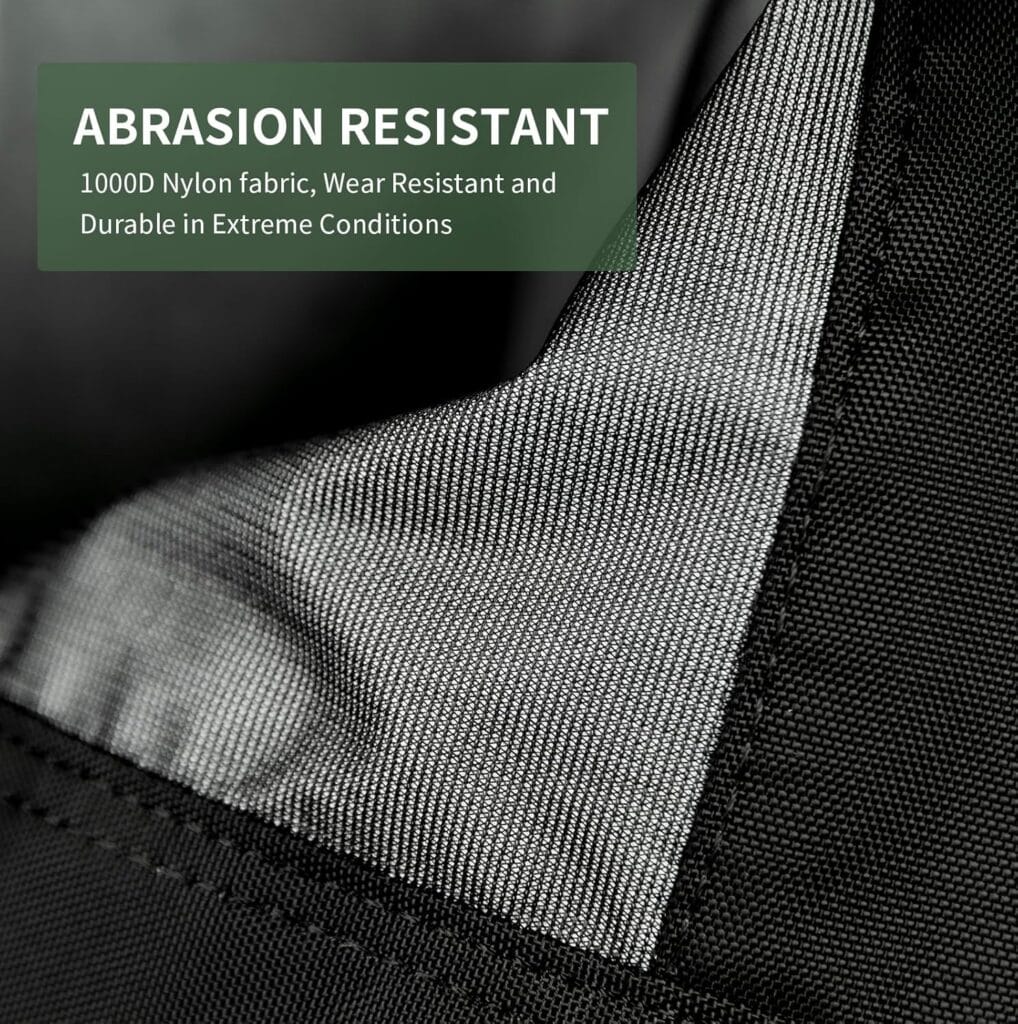
Material thickness and denier: Measured in denier (D), this indicates fabric toughness. The Unigear’s 1000D nylon lower section resisted crampon damage and rock abrasion far better than the HomDSim’s thinner fabric, which started pilling after moderate use. For snow or rocky terrain, look for at least 600D on high-wear areas.
Waterproof ratings: Expressed in millimeters (mm), this measures how much water pressure fabric withstands before leaking. The Unigear’s 8000mm rating kept my legs dry through freezing rain and wet snow. Budget models often claim “waterproof” without specifying ratings. In practice, the Pike Trail and HomDSim repelled light rain and splatter adequately but weren’t tested against sustained heavy precipitation.
Breathability considerations: Low gaiters made from LYCRA or thinner nylon (like the OrrinSports) breathed noticeably better during warm-weather trail runs than heavier models. If you’re using gaiters in summer or during high-exertion activities, prioritize breathable fabrics over maximum waterproofing.
Waterproof ratings matter most for winter and wet-season use. For dry, dusty trails, focus on breathable fabrics and abrasion resistance instead. For a deeper dive, check out the informative article from Snow and Rock on waterproof ratings.
Sizing and fit adjustability
Most gaiters come in S/M or L/XL sizing based on calf circumference. Measure around the widest part of your calf over the pants or layers you’ll typically wear hiking.
Adjustable models: Gaiters with buckles, drawstrings, or multiple strap points (Pike Trail, Unigear) accommodated different leg sizes and pant thicknesses better than fixed-size designs. This matters if you switch between lightweight trail pants in summer and insulated layers in winter.
Boot compatibility: Low gaiters worked fine with both trail runners and hiking boots in my testing. Knee-high models sometimes bunched awkwardly around the top of shorter boots. If you own multiple boot types, check whether the gaiter’s lower circumference and strap placement will work with each pair.
Ankle articulation: Some gaiters (particularly cheaper models) use straight tubes that bunch or gap around your ankle. Better designs like the Unigear include ergonomic shaping that follows your boot’s natural curve, reducing slippage and eliminating uncomfortable bunching during movement.
Fit issues cause most gaiter frustration. If possible, try gaiters on with your actual hiking boots and typical layering before committing, or buy from retailers with flexible return policies.
Durability indicators
Reinforced wear zones: The bottom 4 to 6 inches of any gaiter takes the most abuse from rocks, roots, and boot contact. Models with thicker fabric or additional reinforcement in this area (Pike Trail, Unigear) showed less wear after 50+ miles than uniformly thin designs.
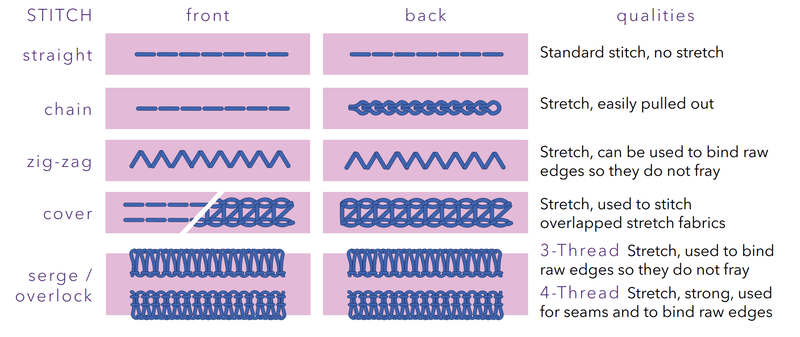
Stitching quality: Double or triple stitching at stress points (bottom strap attachment, buckle mounts) matters more than you’d expect. I’ve had cheap gaiters fail at seams before the fabric itself wore out. Check for even, tight stitching without loose threads.
Hardware materials: Stainless steel or rust-resistant coated buckles and hooks outlast cheap plastic. The Pike Trail’s stainless components showed no corrosion after wet crossings and rainy days. Plastic buckles on budget models sometimes cracked in cold temperatures.
Closure mechanism longevity: Velcro wears out faster than buckles, especially when contaminated with debris. If you’re buying velcro-closure gaiters for regular use, expect to replace them more frequently than buckled alternatives.
For seasonal or occasional use, mid-range durability is fine. If you’re logging serious weekly miles or planning multi-season use, invest in reinforced construction and quality hardware.
Frequently Asked Questions About Hiking Gaiters
Do hiking gaiters actually keep debris out on trail runs?
Yes, if they fit securely. Low ankle gaiters like the OrrinSports and Mountain Mike models kept pebbles, dust, and pine needles out during 10+ mile trail runs on rocky and dusty terrain. The key is a snug top fit and a durable bottom strap that stays hooked under your boot. Loose-fitting gaiters or weak velcro closures let debris sneak in at the top or sides.
Are knee-high gaiters necessary for snow hiking, or do low gaiters work?
Knee-high gaiters are necessary for deep snow. Low gaiters work fine for packed trails or light dustings, but once you’re in knee-deep powder or slushy spring snowpack, you need full lower-leg coverage. The Unigear Snow Leg Gaiters kept snow out during a six-hour snowshoe trek in knee-deep conditions, while low models would have been useless.
How do I stop gaiters from shifting down during steep descents?
Secure attachment is critical. Gaiters with adjustable buckle straps and boot hooks (Pike Trail, Unigear) stayed put better than velcro-only models on steep rocky descents. Tighten the top strap snugly without cutting off circulation, and make sure the bottom strap hooks firmly under your boot sole. Some gaiters use a front lace hook (Altra Trail Gaiter), which locks to your shoelaces and prevents slipping.
Can I use the same gaiters for summer hiking and winter snowshoeing?
Not really. Low breathable gaiters designed for trail running overheat and don’t provide enough coverage in snow. Winter gaiters are too hot and bulky for summer trails. I kept the OrrinSports for warm-weather trail runs and the Unigear for winter snowshoeing. Trying to use one pair for both conditions meant I was either too hot or not protected enough.
How long do hiking gaiters last with regular use?
It depends on fabric thickness and how often you use them. Budget models like the HomDSim showed fabric pilling after ~30 miles of mixed terrain, while thicker nylon gaiters like the Unigear and Pike Trail showed minimal wear after 50+ miles. Velcro closures lose grip faster if you don’t clean out debris regularly. Expect 1-2 seasons of heavy use for budget gaiters, 3-5 seasons for mid-range models with reinforced bottoms.
Do waterproof gaiters actually keep your legs dry in rain and snow?
Mostly, but it depends on coverage and fabric quality. The Unigear Snow Leg Gaiters (waterproof >8000mm, 1000D nylon) kept my legs dry through freezing rain and wet snow during a six-hour snowshoe trek. Lower gaiters like the Pike Trail and HomDSim repelled light rain and splatter but don’t cover enough leg to protect against heavy downpours. Seam quality matters too: cheap stitching lets water seep through after prolonged exposure.
Disclosure: All gaiters were purchased or sourced for independent field testing. Reviews reflect real-world use and observations. Some links may earn affiliate commissions, which support future testing.