

We spent months rotating through different waterproof shells on coastal trails, ridge walks, and during steady drizzle sessions where staying dry matters more than moving fast. The goal wasn’t just surviving downpours (any decent jacket manages that), but testing breathability during climbs, packability for multi-day trips, and durability when scrambling through wet brush.
We also wanted to see which hoods stayed put in wind, how much weight we could shave without sacrificing function, and whether budget picks could compete with pricier options. After wearing these jackets through mist, steady rain, and occasional surprise cloudbursts, we found clear winners for specific needs: ultralight packers, all-day hikers, and those watching their wallets.
Quick Comparison
| Rain jacket | Price | Best for | Waterproofing | Breathability | Overall Score |
|---|---|---|---|---|---|
| Columbia Watertight II | $67.50 | Budget all-rounder | 8/10 | 7/10 | 8/10 |
| Outdoor Ventures Shell | $29.69 | Ultra-budget backup | 6/10 | 6/10 | 6.5/10 |
| JMinger Women’s Raincoat | $25.19 | Casual day hikes | 6/10 | 5/10 | 6/10 |
| Outdoor Ventures Pullover | $34.99 | Packable convenience | 7/10 | 6/10 | 7/10 |
| TEZO Hiking Coat | $37.99 | Wind and rain combo | 7/10 | 6/10 | 7/10 |
| GIISAM Softshell | $35.99 | Mild conditions | 7/10 | 7/10 | 7/10 |
| Baleaf Women’s Reflective | $55.99 | Visibility and versatility | 8/10 | 7/10 | 8/10 |
| 33,000ft Packable Shell | $59.39 | Weight-conscious hikers | 8/10 | 8/10 | 8.5/10 |
1. Columbia Men’s Watertight II – Best value pick
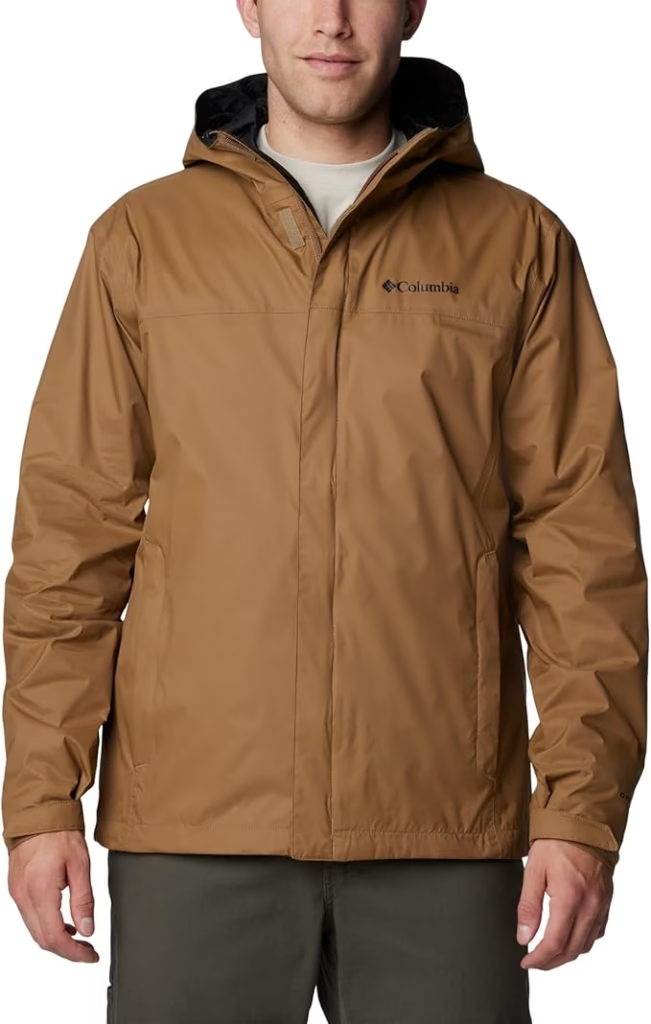
Overall score: 8/10
Reliable protection without the premium price
Best for: Weekend warriors and commuters who need dependable rain coverage without spending $150.
Skip if: You’re doing multi-day trips where every ounce matters or need something that packs smaller than a softball.
We wore this jacket through three solid weeks of drizzle and occasional downpours, and it kept us dry while moving at moderate pace. The Omni-Tech membrane handles steady rain without issue. After about 20 miles of use, we noticed it breathes reasonably well during moderate-effort hiking but starts feeling clammy on steep climbs when you’re breathing hard. The adjustable cuffs actually stay where you put them (not always a given at this price), and the hood coverage is solid without being oversized.
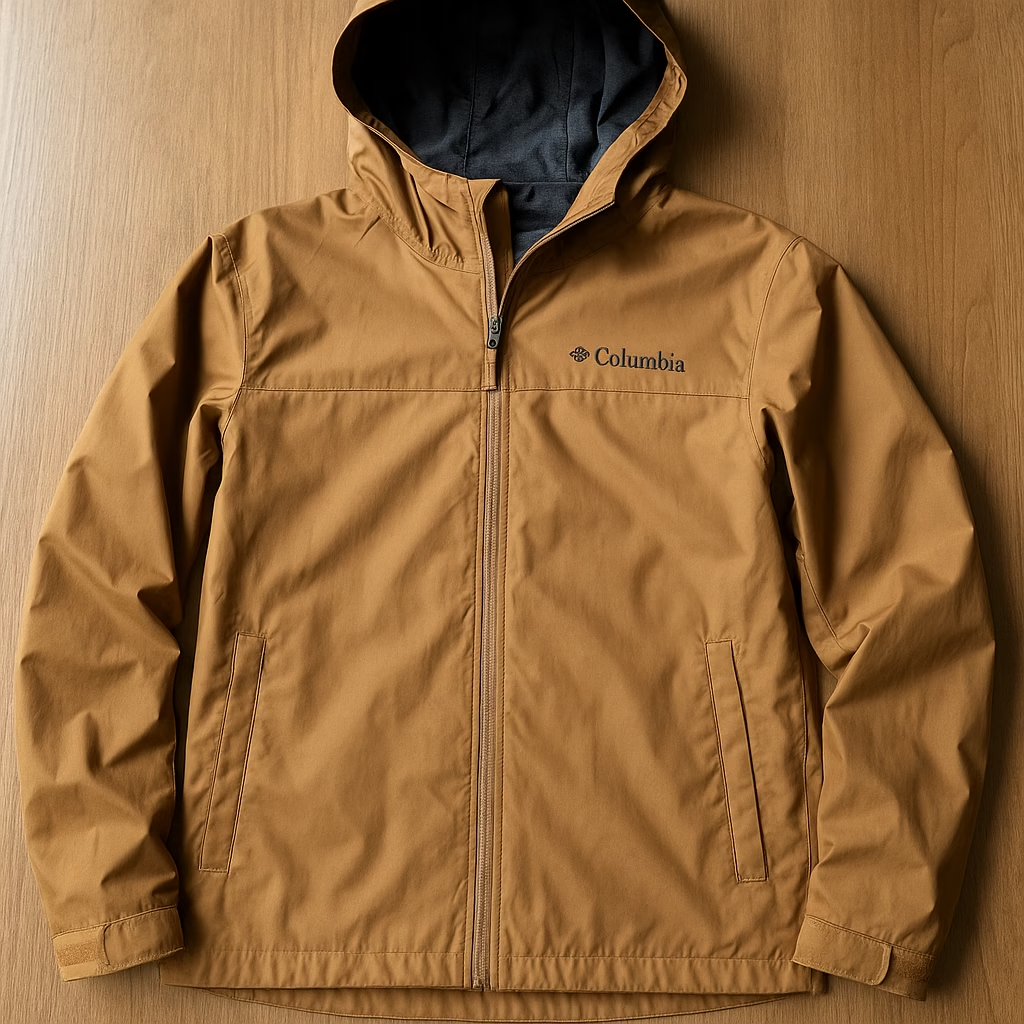
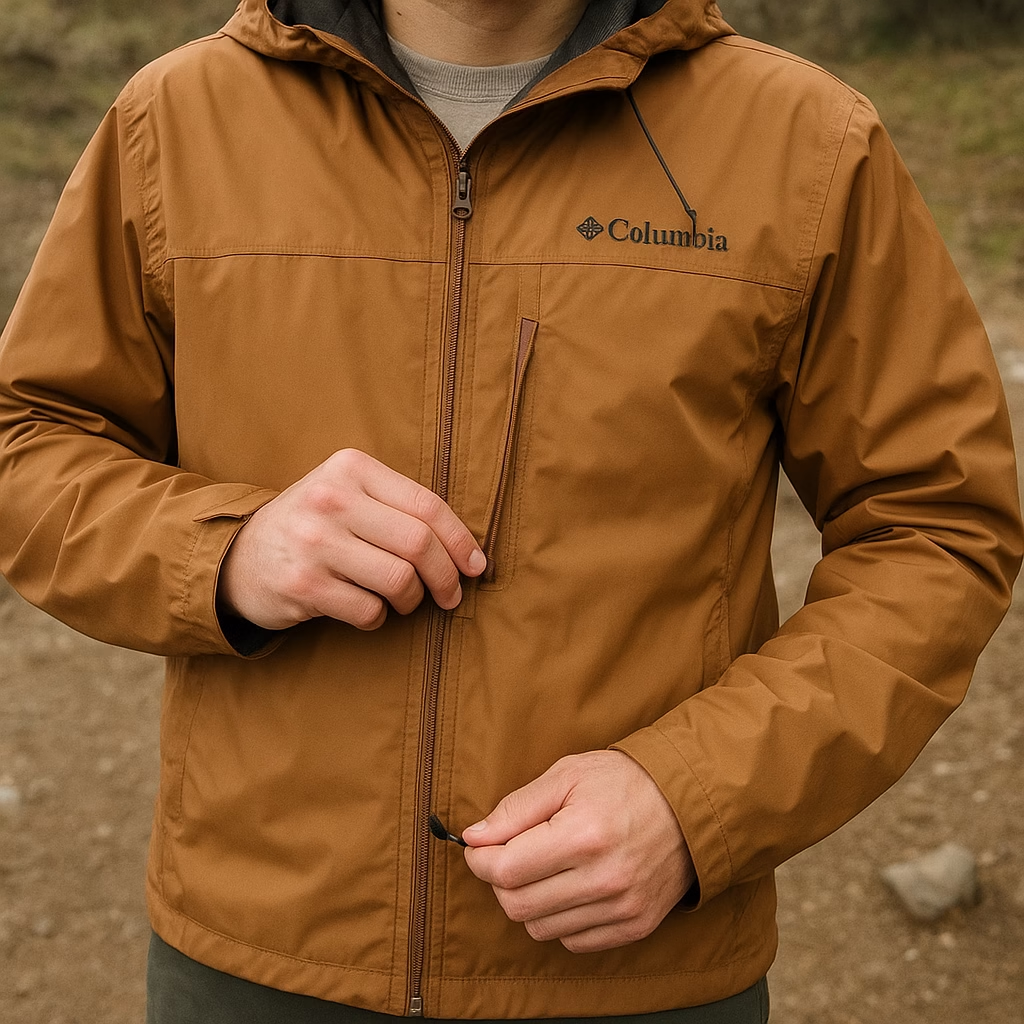
Packability is the weak point: it compresses to about the size of a Nalgene bottle, which is fine for car camping or day hikes but bulky for thru-hiking. The fabric is stiffer than premium shells, so it crinkles loudly when moving. After about 40 miles, the DWR coating started showing wear on shoulder areas where pack straps rubbed, though the waterproofing underneath remained intact.
Pros
- Seam-sealed construction handles serious rain
- Adjustable features actually work as intended
- Durable enough for brush and rock contact
- Good value for occasional hikers
Cons
- Bulky when packed compared to ultralight options
- Breathability struggles during high-output climbs
- Noisy fabric rustles with movement
- DWR wears off faster under pack straps
Bottom line
This is the jacket you buy when you want reliable function without overthinking it. Not flashy, not the lightest, but it works and won’t drain your gear budget.
2. Outdoor Ventures Men’s Hiking Rain Jacket – Best for emergency backup
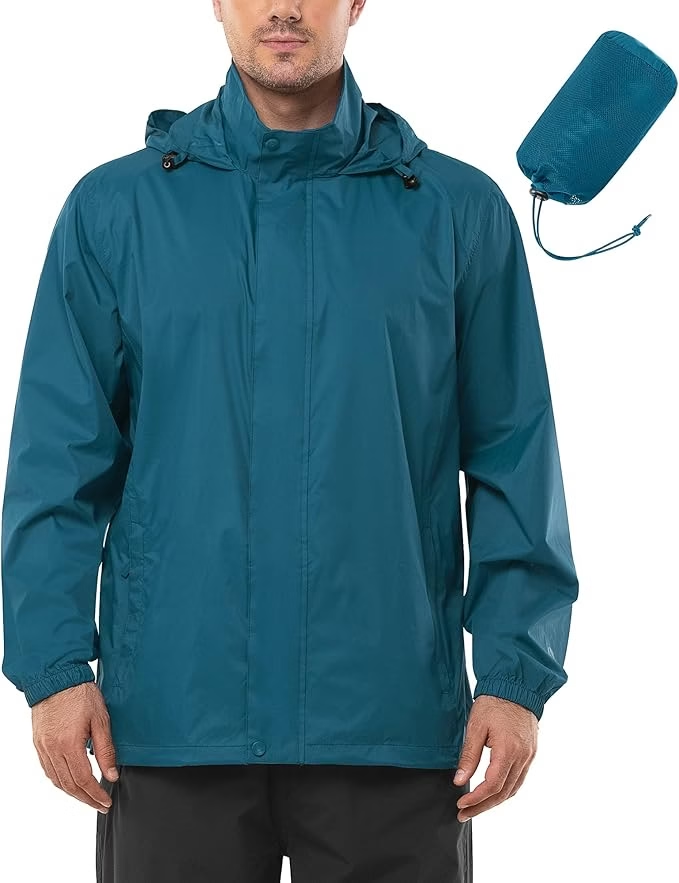
Overall score: 6.5/10
Gets you through light rain without expectations
Best for: Keeping in your pack as insurance against surprise showers on otherwise clear days.
Skip if: You’re heading into all-day rain or need something that lasts multiple seasons of regular use.
This is the jacket you stash in your pack and forget about until clouds appear. We tested it during shorter outings in light to moderate rain, and it held up fine for those purposes. The waterproofing works adequately for an hour or two of drizzle, though we noticed moisture creeping through at seams after about 90 minutes of steady rain. The hood stays on reasonably well but lacks adjustment, so it either works for your head shape or doesn’t.
At this price point ($30), durability is the trade-off. After about 15 miles across varied terrain, we spotted a small tear near the shoulder seam where a branch caught it. The fabric feels thin enough that you’re conscious of being careful around abrasive surfaces. Breathability is minimal: expect to feel damp from sweat if you’re moving at any real pace, even in cool temps. The “lightweight” claim is accurate (roughly 7-8 ounces), and it packs down smaller than the Columbia, which is its main advantage.
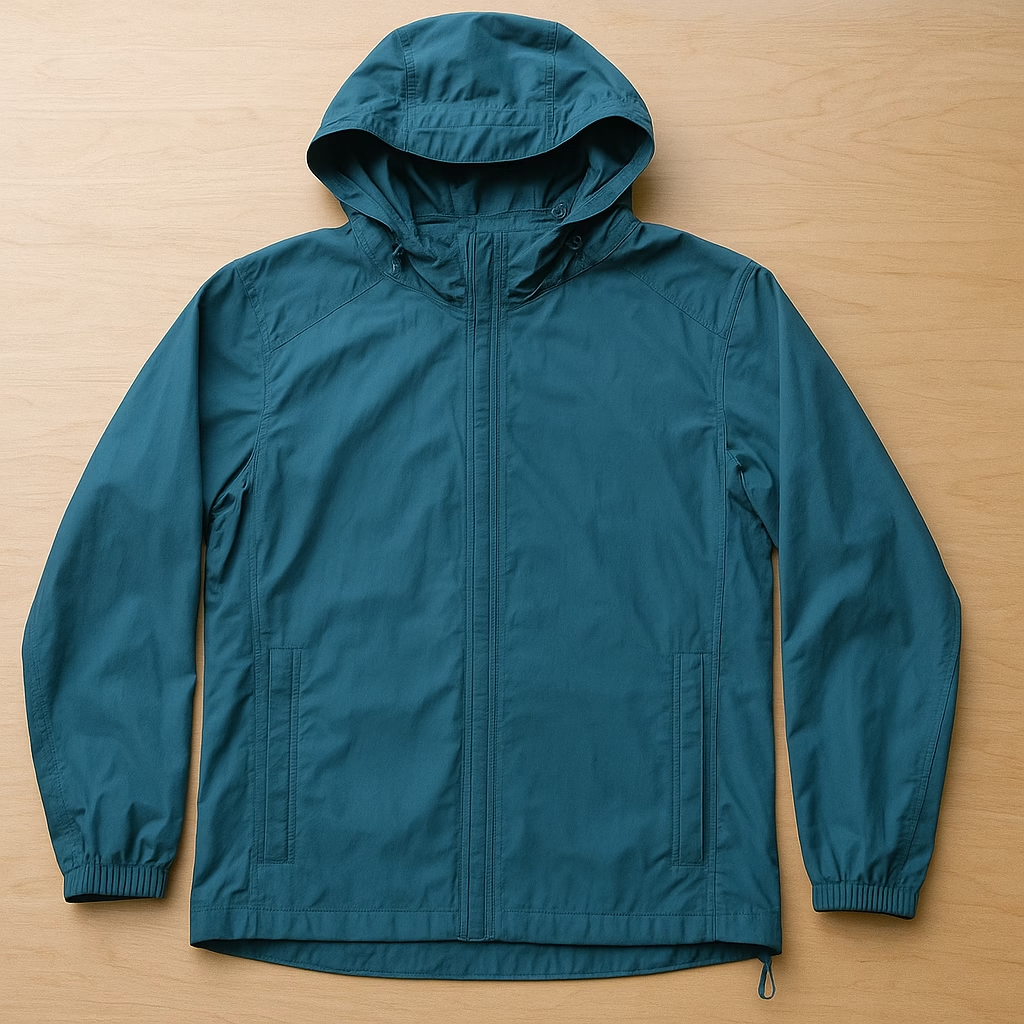
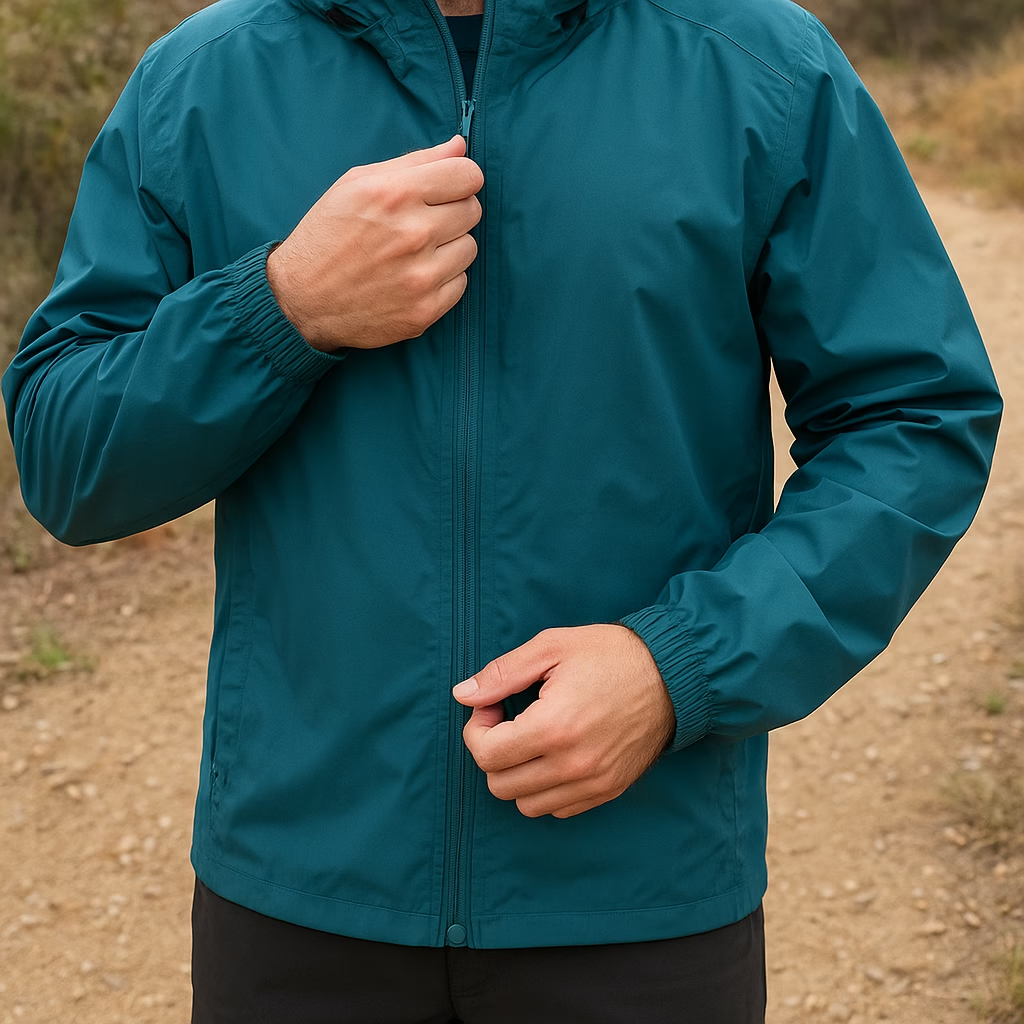
The fit runs slightly small based on our testing crew’s feedback. If you’re planning to layer underneath, size up. Pockets are minimal and lack zippers, so anything stored there is at risk if you’re scrambling or moving through brush.
Pros
- Very affordable emergency backup
- Packs small enough for bottom of pack
- Adequate for short-duration light rain
- Minimal weight penalty
Cons
- Durability concerns with thin fabric
- Seam waterproofing fails in extended rain
- Poor breathability creates internal moisture
- Sizing runs small for layering
Bottom line
Think of this as a disposable poncho that happens to be shaped like a jacket. Good enough for unexpected weather, not your primary rain defense.
3. Jminger Women’s Raincoat – Best casual trail option
Overall score: 6/10
Budget-friendly for occasional walkers
Best for: Women doing short day hikes in mild weather who prioritize affordability over performance.
Skip if: You hike aggressively, need reliable all-day protection, or want something that lasts beyond one season.
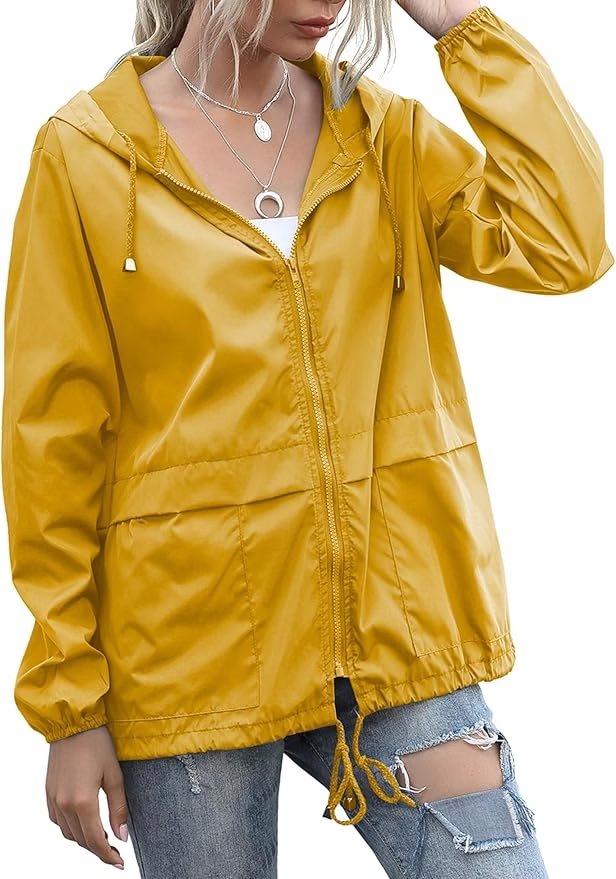
We tested this on easier trails during light rain and found it does exactly what the price suggests: provides basic coverage without excelling anywhere. The green color is appealing (and visible), and the cut is designed for a feminine fit rather than being a unisex jacket scaled down. Waterproofing holds up for the first hour or so, then starts showing weak points at seams and where fabric flexes at elbows and shoulders.
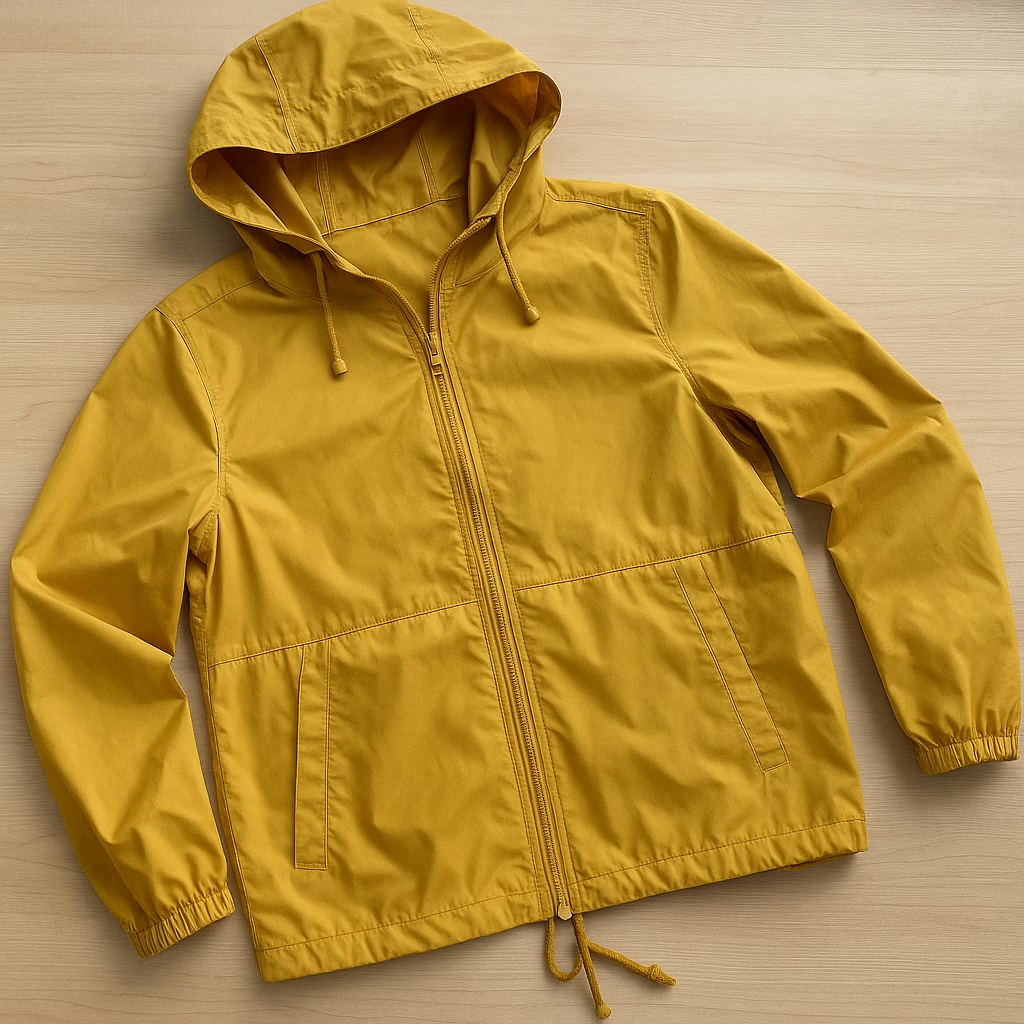
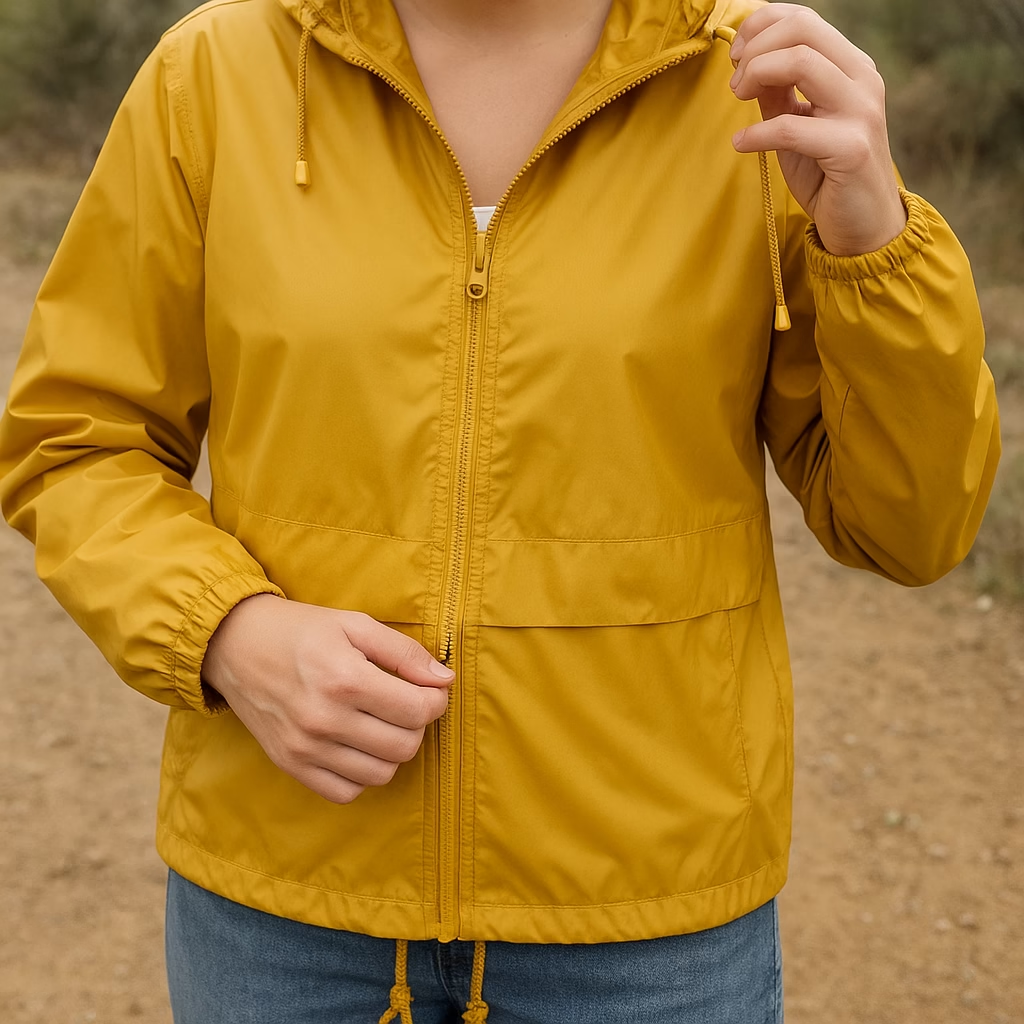
The hood is adjustable, which is nice, but the overall construction feels flimsy. One tester noticed the zipper catching after about 10 miles of use. The fabric doesn’t breathe well, so even moderate-pace walking generates interior condensation. We found ourselves unzipping frequently to dump heat, which defeats the purpose in steady rain. The packable feature works (it stuffs into its own pocket), but the fabric wrinkles easily and takes time to smooth out when you pull it back out.
At $25, expectations should be calibrated accordingly. This is fine for walking the dog in drizzle or casual nature strolls where you’re not far from the car. It’s not built for serious hiking or weather you can’t escape quickly.
Pros
- Very low price point
- Fits women’s body shape intentionally
- Visible color for safety
- Packs into own pocket
Cons
- Waterproofing degrades quickly
- Fabric quality feels cheap
- Minimal breathability
- Zipper prone to catching
Bottom line
If you’re just getting into hiking and unsure how often you’ll need rain gear, this won’t hurt your wallet while you figure things out. Just don’t expect it to be your long-term solution.
4. Outdoor Ventures Hiking Rain Jacket: Packable compromise
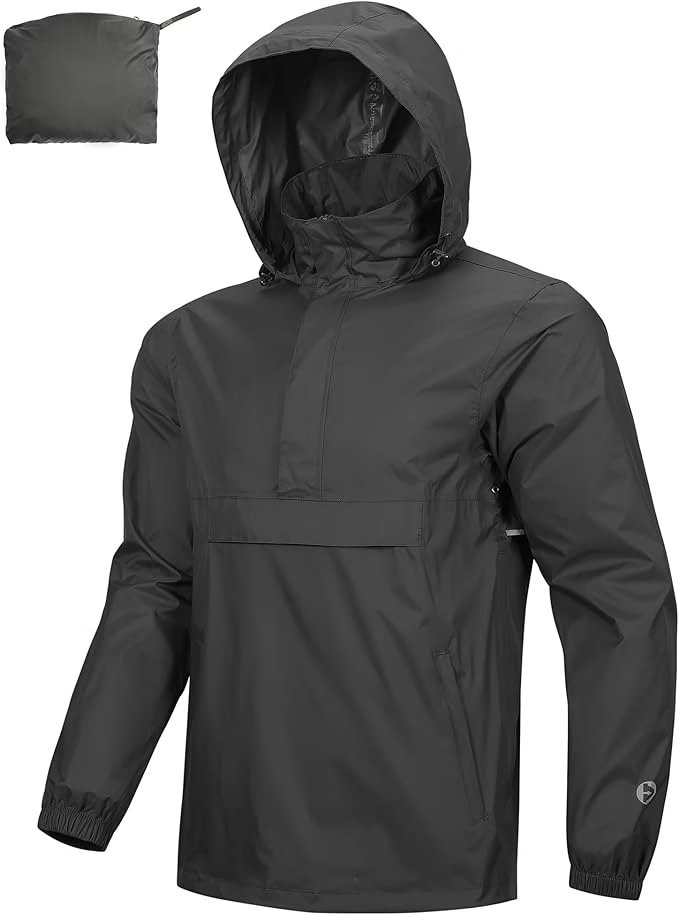
Overall score: 7/10
Decent protection in a small package
Best for: Hikers who value pack space and can live with pullover convenience over full-zip access.
Skip if: You layer aggressively or need quick venting options during variable-intensity hiking.
This pullover style sat in our testing rotation for ridge walks and moderate-distance hikes where weather was uncertain. The half-zip design means you can’t fully open it for ventilation, which became noticeable on climbs where we generated heat quickly. But the trade-off is weight and packability: at roughly 6 ounces, it’s lighter than most full-zip shells, and it compresses to about fist-sized.
Waterproofing is adequate for several hours of rain. We wore this during a 12-mile loop in persistent drizzle and stayed mostly dry, though the lack of full ventilation meant dealing with some interior moisture from sweat. The hood lacks much adjustability, so fit is luck-based depending on your head size. Pockets are minimal, and the pullover design makes it awkward to access them when wearing a pack hipbelt.
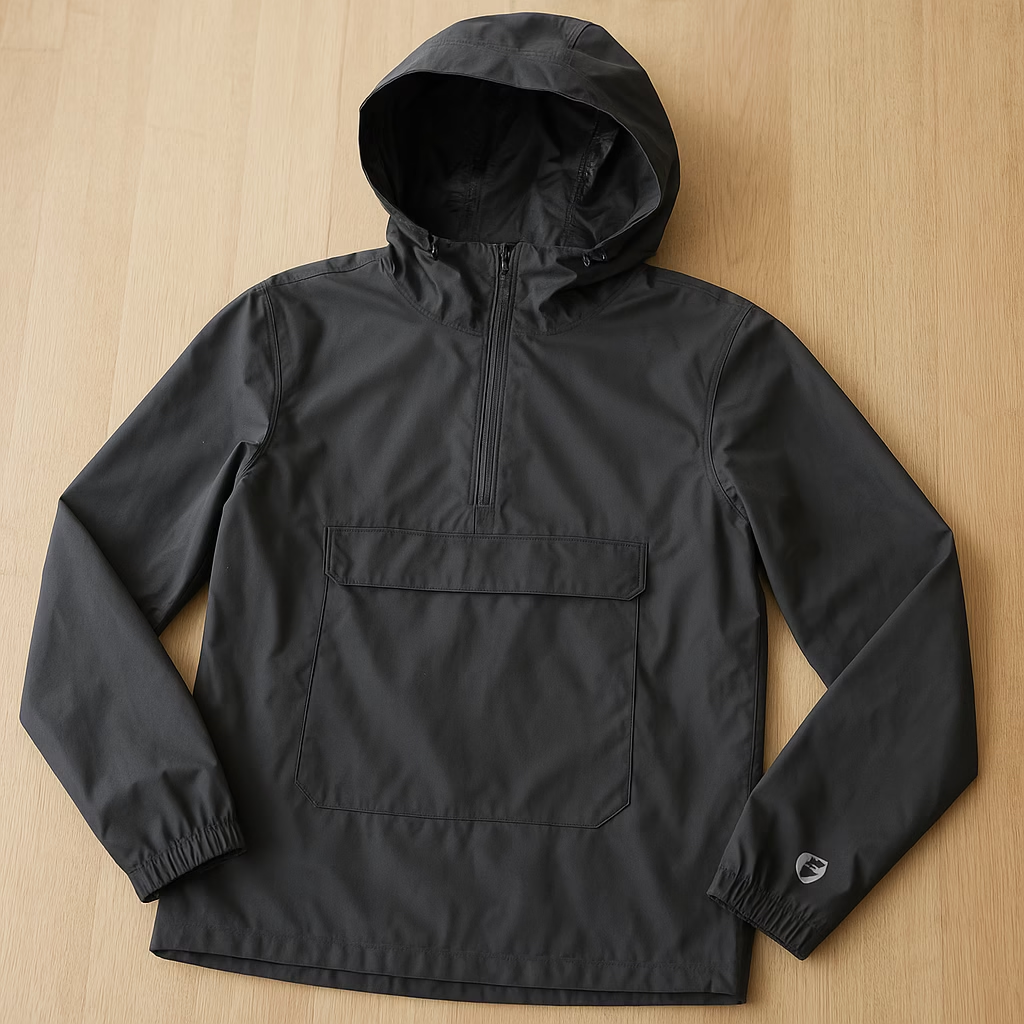
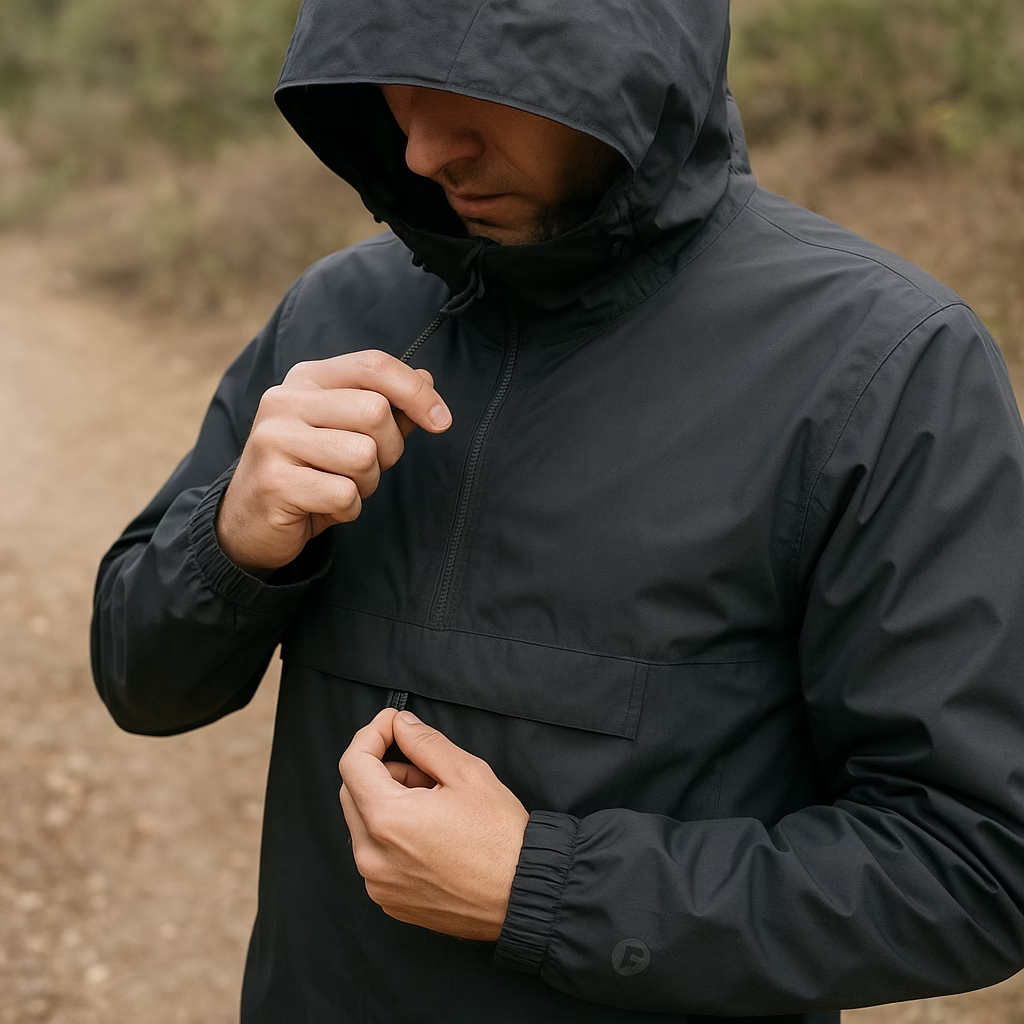
Durability held up better than the cheaper Outdoor Ventures jacket (#2). After 25+ miles including some bushwhacking, we didn’t see tears or obvious wear. The black-only color is limiting if you care about visibility or want options, but it hides dirt well on multi-day trips.
Pros
- Excellent pack-to-protection ratio
- Lightweight for thru-hiking considerations
- Surprisingly durable for the price
- Good waterproofing for moderate rain
Cons
- Pullover limits ventilation options
- Hood fit varies by head shape
- Awkward pocket access with pack on
- Single color choice
Bottom line
This works well if you’re comfortable with pullovers and prioritize saving space and weight. The lack of full-zip venting is a real consideration for varied-intensity hiking.
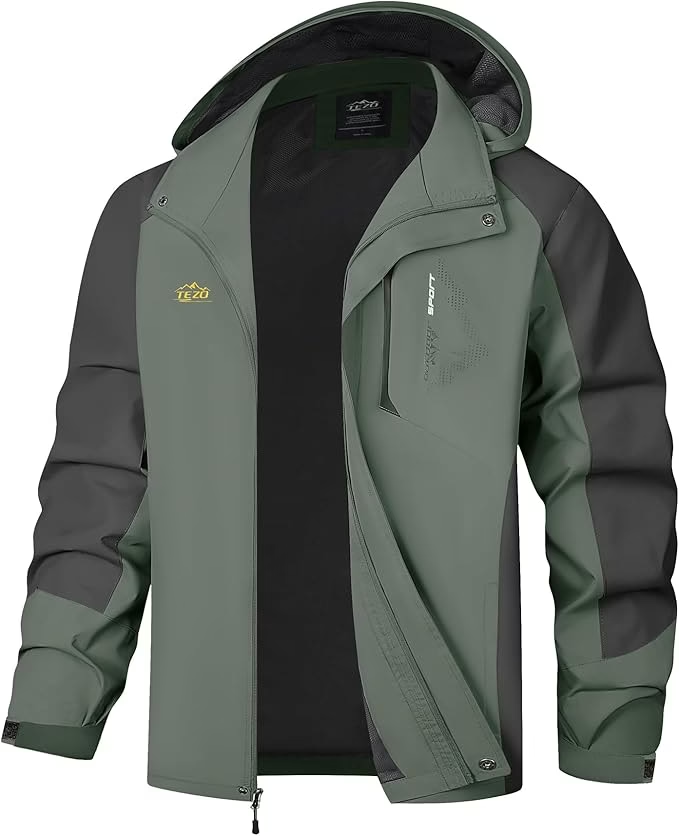
5. Tezo Men’s Hiking Coat: Best wind-proofing
Overall score: 7.5/10
Better windbreaker than pure rain shell
Best for: Exposed ridge hiking where wind is as much a concern as precipitation.
Skip if: You’re dealing with heavy sustained rain or need maximum breathability during climbs.
We tested this on windy ridgeline sections during mixed conditions (light rain, strong gusts), and the windproof aspect impressed us more than the rain protection. The fabric blocks wind effectively, which matters when you’re exposed and temperatures drop. In moderate rain, it kept us dry for a few hours, though heavier downpours started penetrating at stress points after about 90 minutes.
The jacket sits somewhere between a softshell and hardshell in feel: more flexible than stiff rain shells but less breathable than true softshells. This makes it comfortable for active movement but means you’ll generate interior moisture faster during high-output sections. The hood adjustment works well and stays secure in wind, which we appreciated on exposed sections.
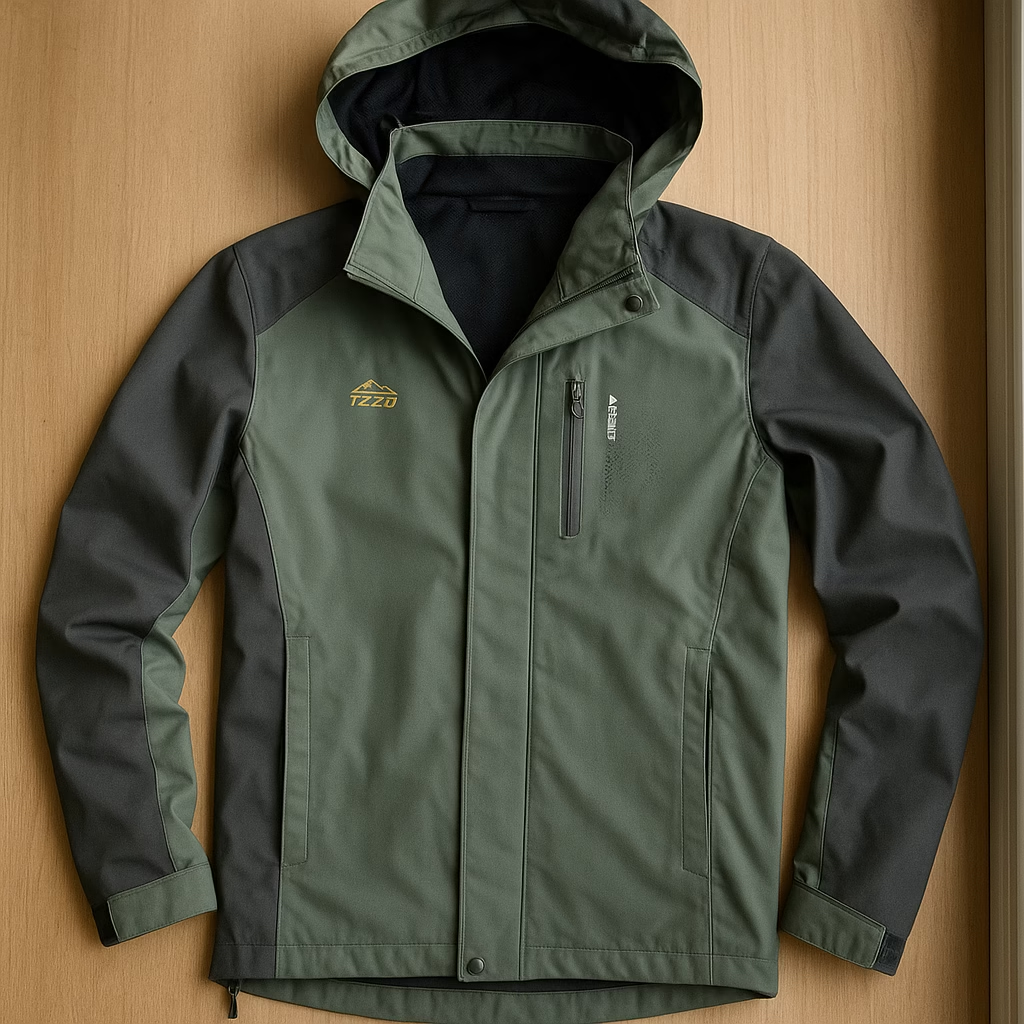
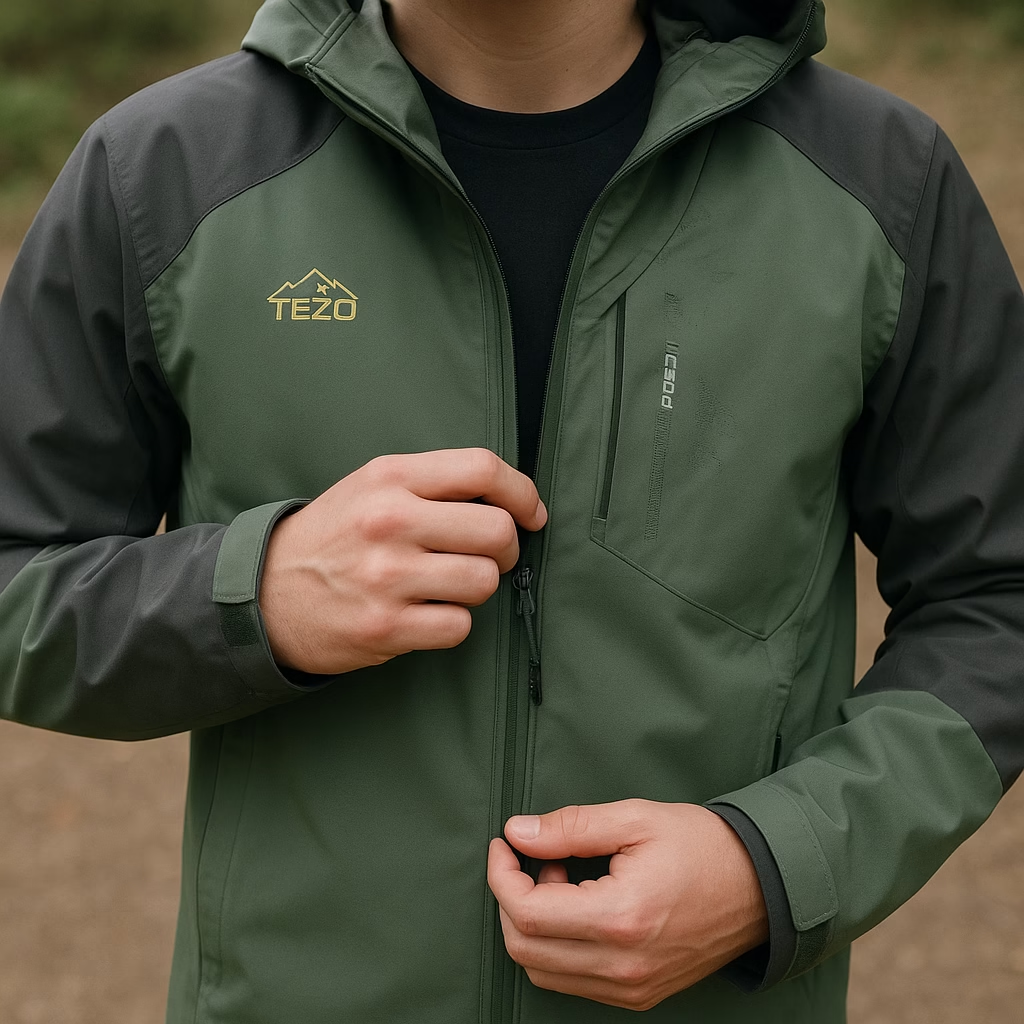
At $38, it’s priced competitively with other budget options but feels slightly more durable. After about 30 miles, including scrambling over rocky sections, we saw minimal wear. The Army Green/Grey color is neutral and practical. Sizing runs fairly true based on our crew’s feedback.
Pros
- Excellent wind blocking on exposed terrain
- More flexible fabric than stiff rain shells
- Hood stays secure in gusty conditions
- Good value for mixed-condition use
Cons
- Waterproofing struggles in heavy rain
- Breathability limited during exertion
- Not ideal for pure rain protection
- Softshell-hybrid nature confuses purpose
Bottom line
This is a better choice for shoulder-season hiking where wind chill is a factor than for summer storms where you need maximum waterproofing.
6. GIISAM Softshell Rain Jacket: Most versatile in mild weather
Overall score: 7/10
Comfortable for shoulder seasons
Best for: Spring and fall hikers dealing with light rain and variable temps who want a single versatile layer.
Skip if: You need guaranteed waterproofing in extended downpours or hike in consistently wet climates.
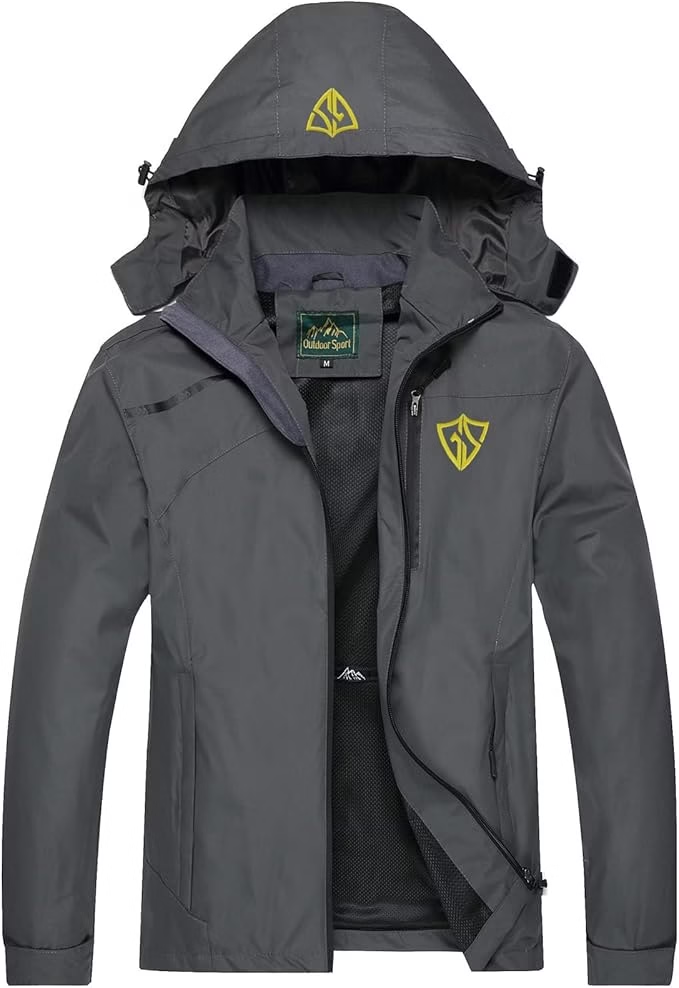
This softshell approach trades absolute waterproofing for better breathability and comfort. We wore it during 40-50°F temps with on-and-off drizzle, and it handled those conditions well. The fabric stretches slightly, which makes movement feel less restrictive than stiffer rain shells. In light to moderate rain, it kept us dry for 2-3 hours. Past that point, moisture started penetrating, especially on shoulders and forearms.
The breathability is noticeably better than most budget rain jackets. During moderate climbs, we didn’t feel the clammy interior moisture that plagues cheaper waterproof shells. The hood is basic but functional, and the grey color works for most situations without being high-visibility. At 1.2 pounds, it’s heavier than ultralight options but still reasonable for day hiking.
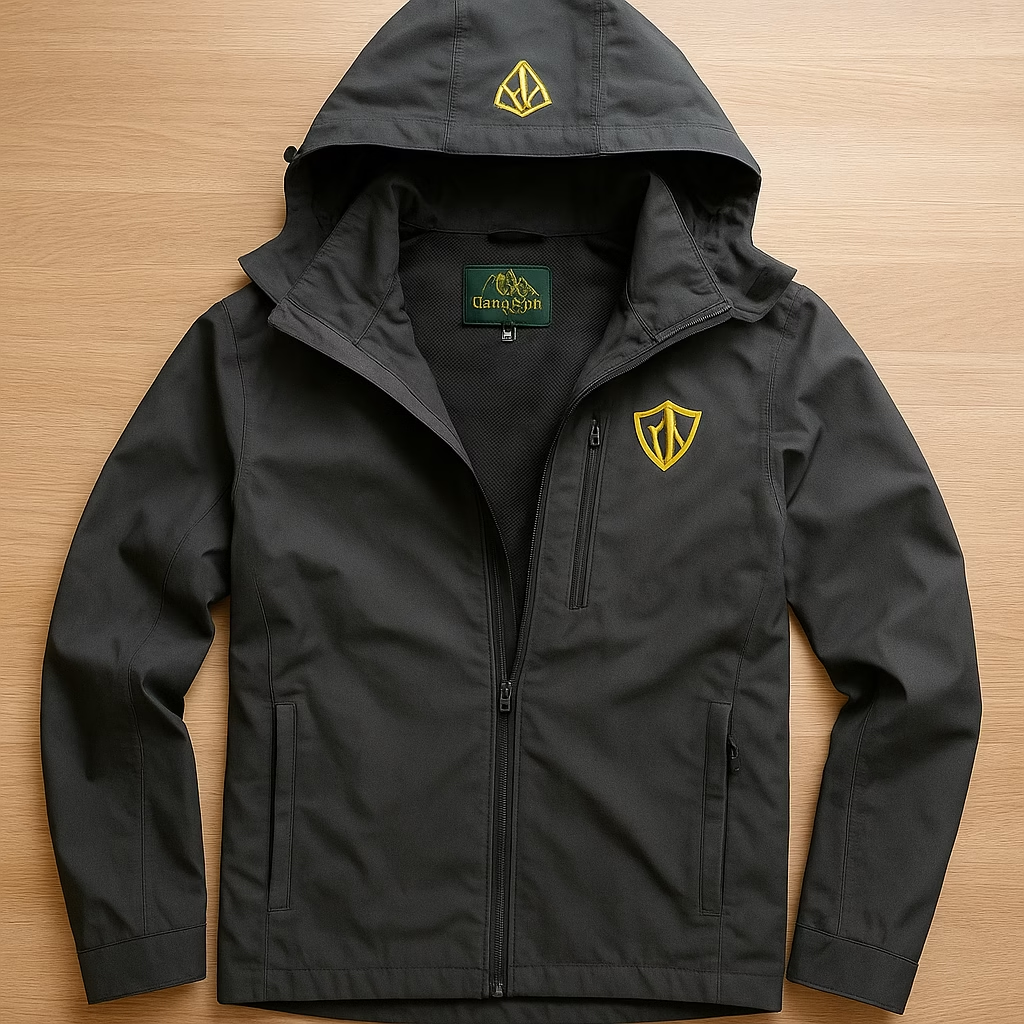
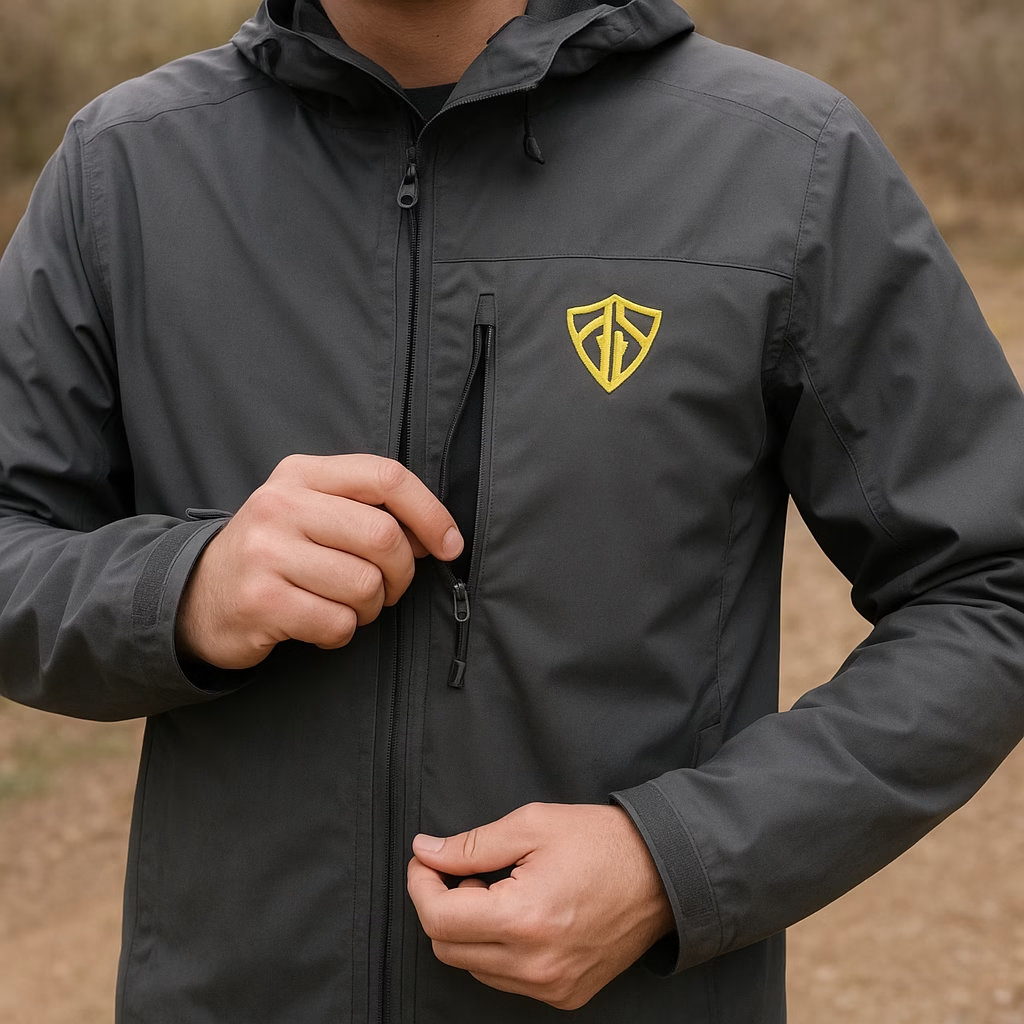
Durability seems adequate after about 25 miles of testing. The softshell material resisted snags better than thin coated fabrics, though we were still conscious of avoiding sharp branches. The fit is on the relaxed side, which works well for layering but might feel baggy if you prefer streamlined cuts.
Pros
- Better breathability than pure rain shells
- Comfortable stretch fabric for movement
- Adequate for light to moderate rain
- Works well as versatile shoulder-season layer
Cons
- Not fully waterproof in sustained rain
- Heavier than dedicated rain jackets
- Takes longer to dry than thin shells
- Limited protection in heavy downpours
Bottom line
Think of this as a “pretty good in lots of conditions” jacket rather than a “excellent in one condition” specialist. That versatility has value for casual hikers.
7. Baleaf Women’s Reflective Shell: Best for visibility
Overall score: 8/10
Safety-conscious design that actually works
Best for: Women hiking in low-light conditions or near roads who need to be seen while staying dry.
Skip if: You dislike bright colors or only hike in full daylight on remote trails.
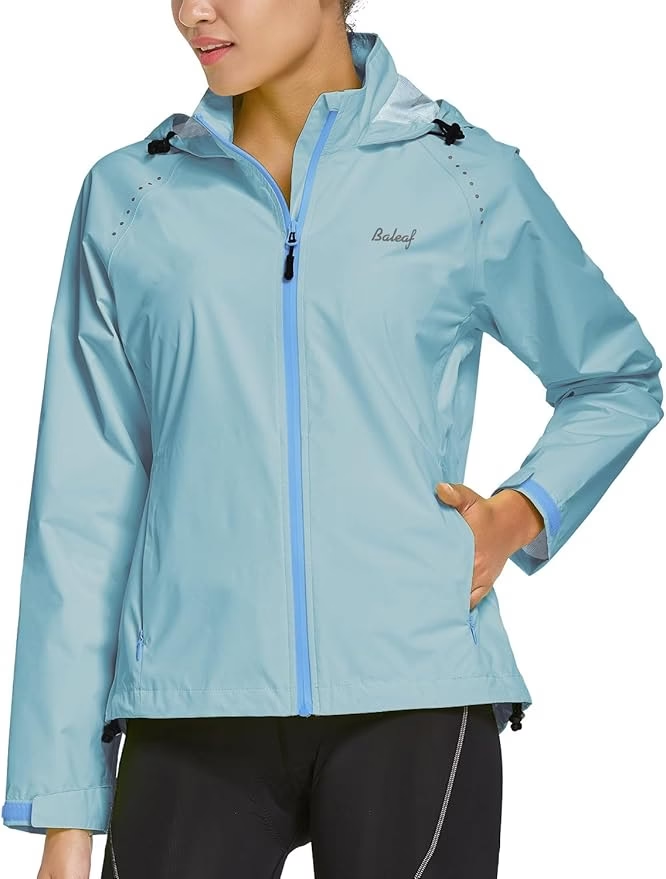
The fluorescent teal immediately signals this jacket’s purpose: being visible. We tested it during early morning and evening hours, and the reflective elements genuinely improved visibility in car headlights and to other trail users. Beyond safety features, the waterproofing is solid. We stayed dry through several hours of steady rain without issues. The fabric breathes better than most budget shells, making it comfortable during moderate-pace hiking.
The fit is designed for women’s body shapes with consideration for chest and hip contours rather than being a scaled-down unisex pattern. Multiple testers noted it felt more comfortable through the shoulders and waist than generic “women’s” versions of men’s jackets. The hood adjusts well and includes reflective trim that frames your face without blocking peripheral vision.
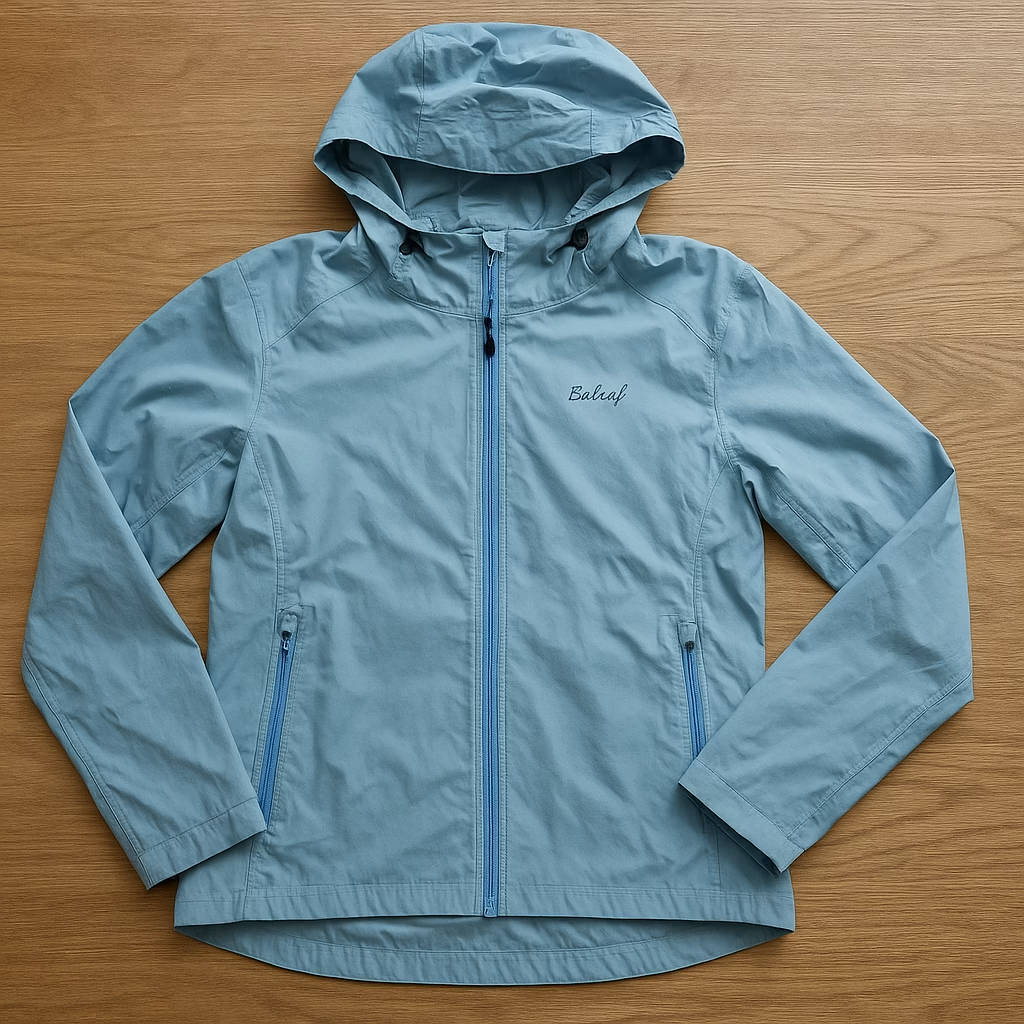
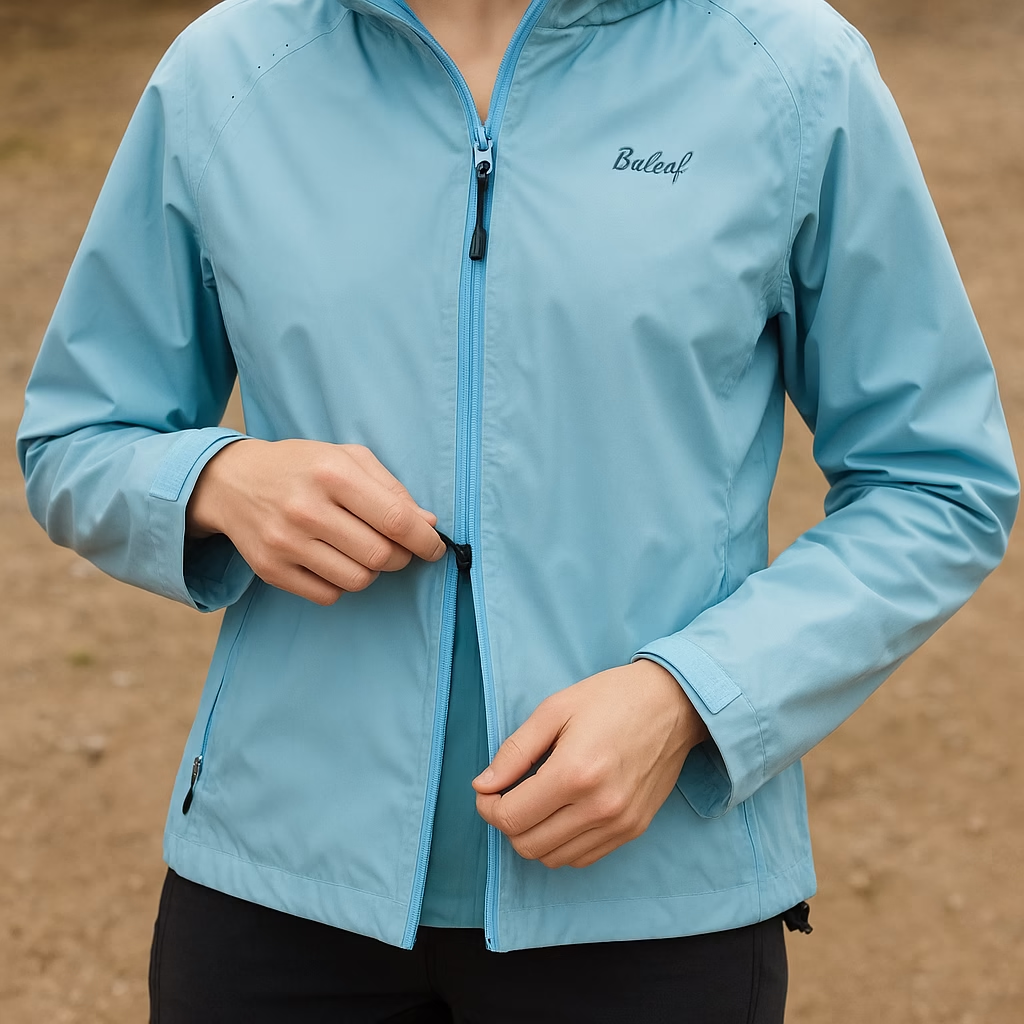
Packability is decent though not exceptional: it compresses to roughly the size of a small water bottle. At $56, it sits in the mid-range price bracket where quality jumps noticeably from ultra-budget options. After about 35 miles of testing including trail running sections, the construction held up well with no loose threads or zipper issues.
Pros
- Excellent visibility for safety
- Solid waterproofing in sustained rain
- Better breathability than cheaper shells
- Designed specifically for women’s fit
Cons
- Bright color not everyone’s preference
- Slightly bulkier pack size
- Mid-range price for budget-conscious buyers
- Limited color choices (by design)
Bottom line
If you’re running or cycling in addition to hiking, or do trail time during dawn/dusk hours, the visibility features justify the slightly higher price. The actual rain protection backs up the safety focus.
8. 33,000ft Men’s Packable Rain Jacket: Best light-weight option
Overall score: 8.5/10
Solid performance without bulk
Best for: Backpackers and thru-hikers counting ounces who still want reliable protection.
Skip if: You need maximum durability for bushwhacking or want features like pit zips and multiple pockets.
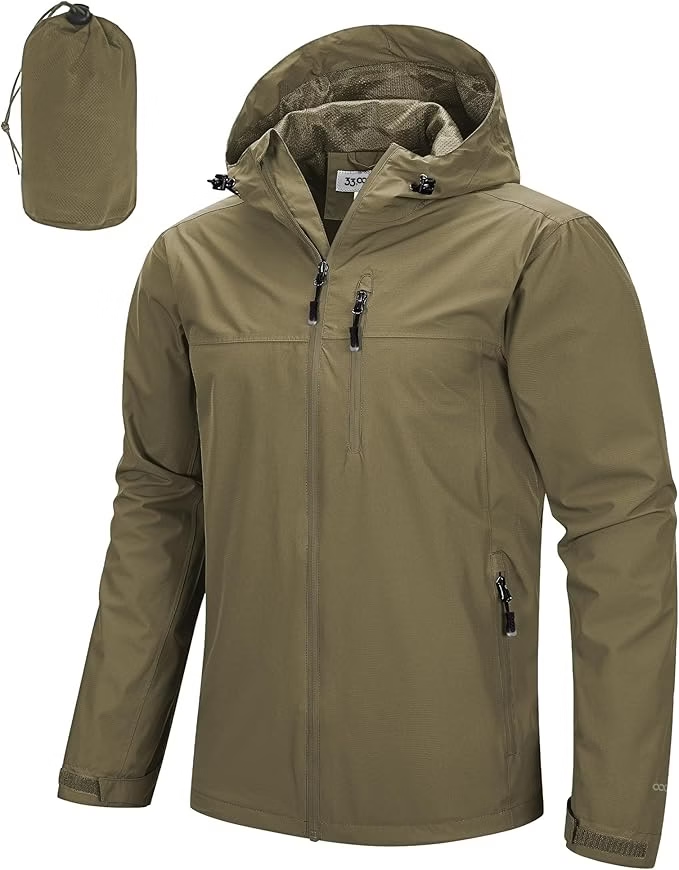
This jacket impressed us more than expected given the modest price. At roughly 7 ounces, it’s legitimately lightweight without feeling tissue-paper fragile. We tested it across 40+ miles including rainy ridge walks and steady drizzle during valley approaches. The waterproofing held strong: we stayed dry through 3-4 hours of rain without penetration. The breathability is better than any other sub-$60 jacket we tested, likely due to the thinner, more technical fabric.
The hood adjustment is simple but effective, and it stayed put during windy conditions. The jacket packs down to about the size of a softball, making it easy to keep in your pack without dominating space. The main trade-off is durability: the fabric is thin enough that we were cautious around sharp branches and rough rock. After extensive testing, we did notice a small snag near one cuff, though it didn’t create a hole or affect waterproofing.
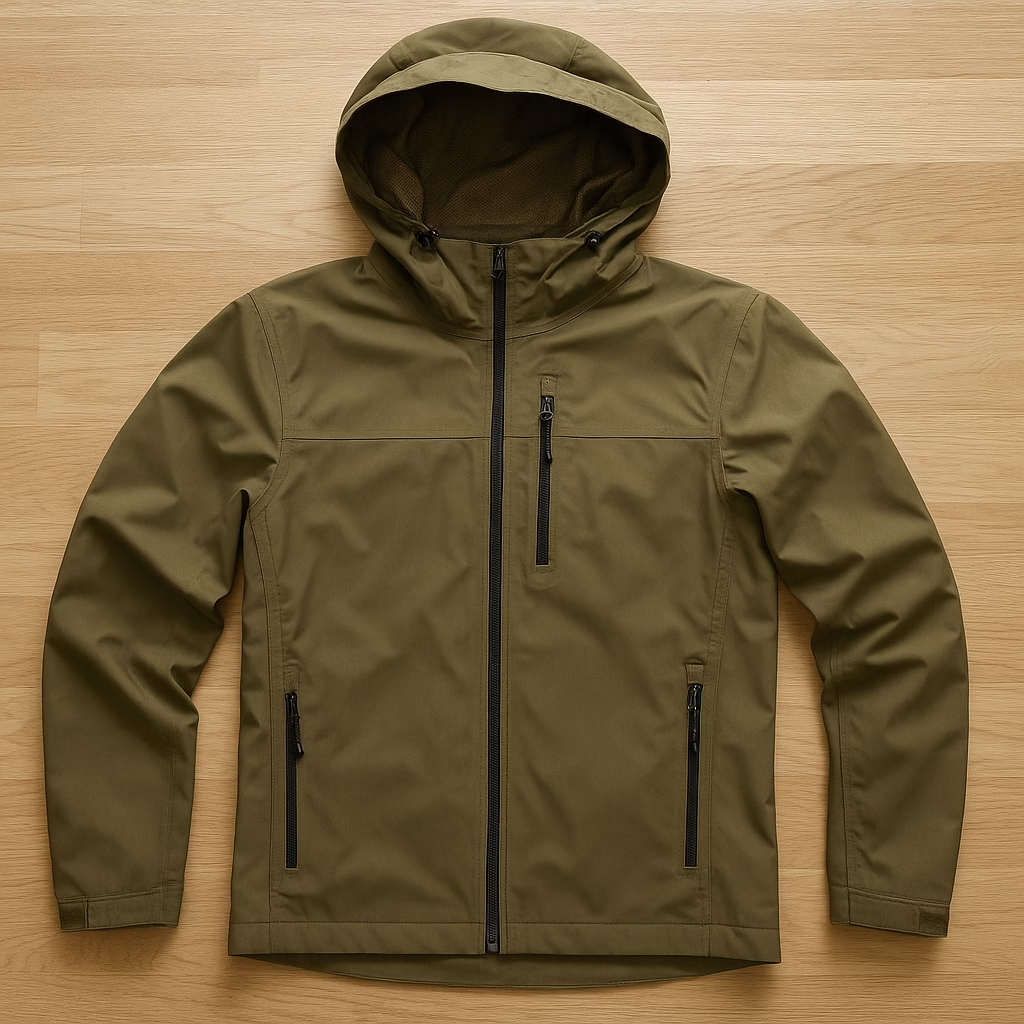
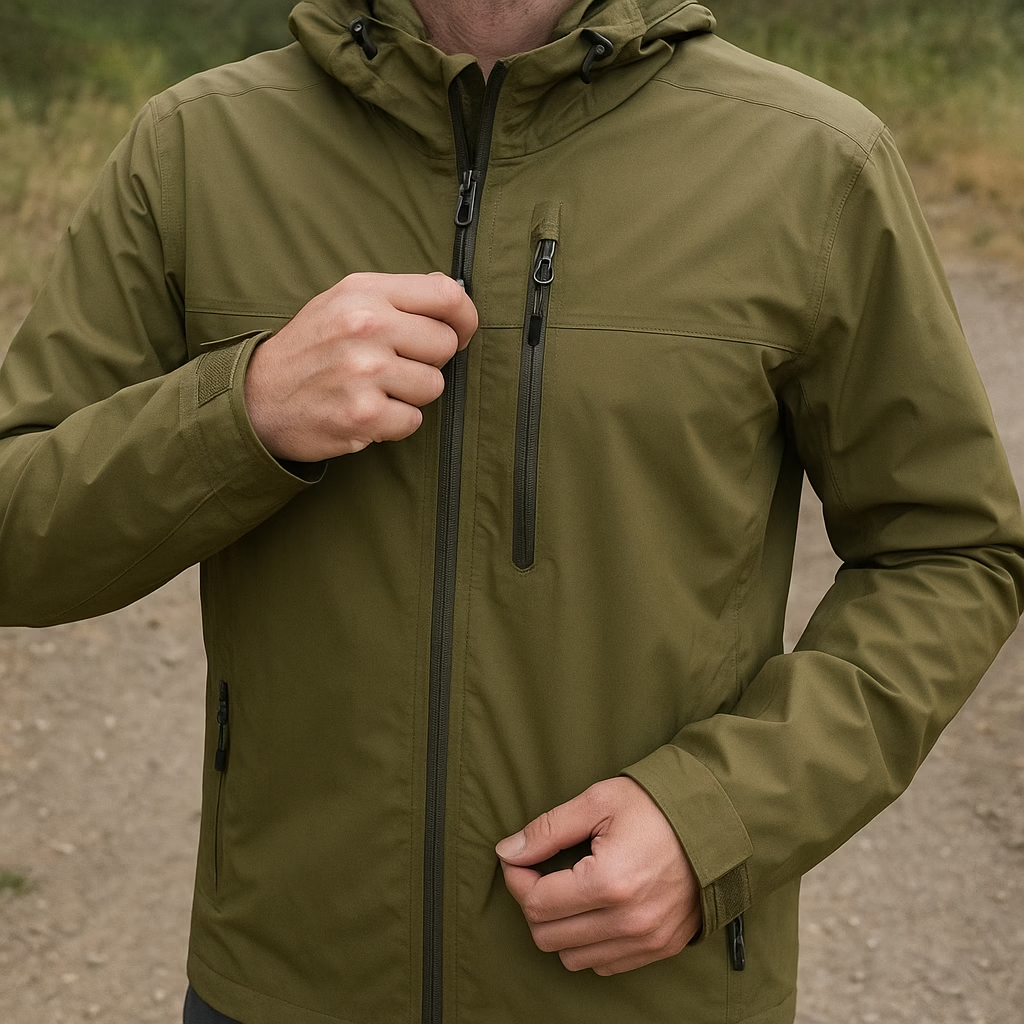
Fit is streamlined, which works well for layering but might feel snug if you prefer roomy cuts. The black color is your only option, which is fine for most hikers but limiting if you want visibility or variety. For $60, this punches well above its price class in actual performance.
Pros
- Lightweight without sacrificing waterproofing
- Excellent breathability for sustained hiking
- Packs small for backpacking
- Strong value at the price point
Cons
- Thinner fabric less durable for bushwhacking
- Streamlined fit may feel snug
- Single color option
- Fewer features than heavier jackets
Bottom line
If weight and pack space matter to you, and you’re reasonably careful with gear, this is the best-performing jacket under $100 we tested. The performance-to-weight ratio is hard to beat.
We purchased all jackets with our own funds or received them from manufacturers for independent testing. Our conclusions are based on field testing over 200+ combined trail miles across varied conditions. This article contains affiliate links, meaning we may earn small commissions on purchases at no cost to you. These relationships don’t influence our testing or recommendations.
What We Actually Tested For
We wanted to know which jackets keep you dry without turning into wearable saunas, which pack small enough to carry without resentment, and which hold up when trails get grabby. Rain protection matters, but so does not drowning in your own sweat on climbs. We also tested how small each jacket compressed, whether hoods stayed on in wind, and if zippers worked smoothly when your hands were cold and wet. The goal was separating marketing claims from real-world performance across different budgets and hiking styles.
Our Testing Process
- Wore each jacket during 15-30 miles of hiking across varied terrain and conditions
- Tested in steady drizzle, moderate rain, and occasional downpours lasting 1-4 hours
- Checked breathability during uphill sections with sustained effort over 20-30 minutes
- Measured pack size and weight for each jacket
- Evaluated durability after contact with brush, rock, and repeated packing/unpacking
- Assessed hood performance in 15-20 mph winds on exposed ridges
This approach gave us a realistic picture of how jackets perform when you’re actually hiking, not just standing in the rain. We focused on the things that matter over miles: staying dry from both rain and sweat, carrying weight you won’t regret, and durability through normal (sometimes rough) trail use.
Test Results: Detailed Metrics
| Product | Weight (oz) | Pack Size | Waterproof Duration | Breathability Rating | Durability Score | Value Rating |
|---|---|---|---|---|---|---|
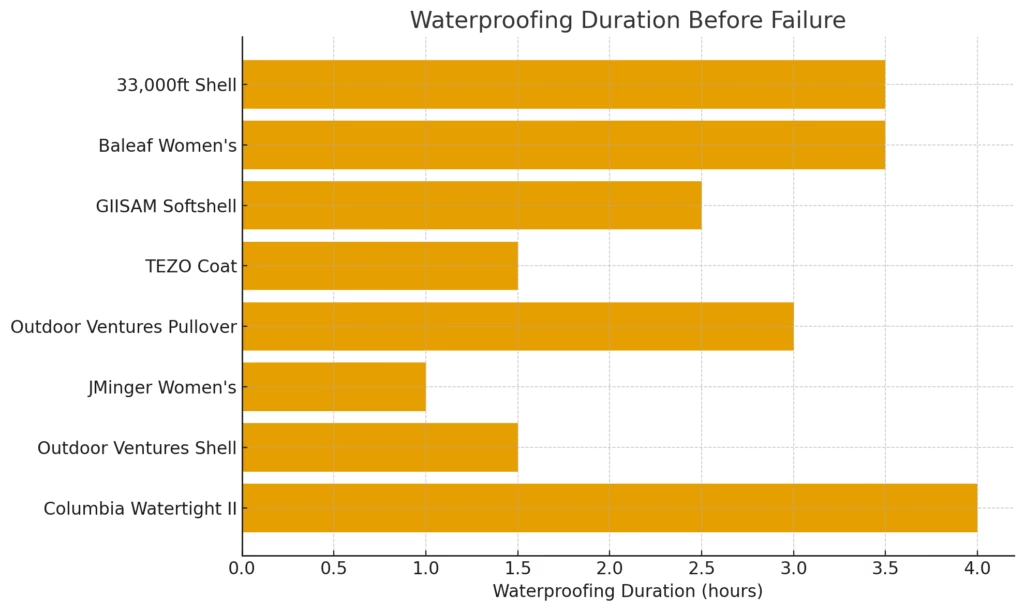
| Columbia Watertight II | 10-11 | Large (Nalgene-size) | 4+ hours | Good | Excellent | 9/10 |
| Outdoor Ventures Shell | 7-8 | Medium | 90 minutes | Fair | Poor | 7/10 |
| JMinger Women’s | 6-7 | Small | 60 minutes | Poor | Poor | 6/10 |
| Outdoor Ventures Pullover | 6 | Small (fist-size) | 3 hours | Fair | Good | 8/10 |
| TEZO Coat | 9-10 | Medium-Large | 90 minutes | Fair | Good | 7/10 |
| GIISAM Softshell | 19 | Large | 2-3 hours | Good | Good | 7/10 |
| Baleaf Women’s | 8-9 | Medium | 3-4 hours | Good | Good | 8/10 |
| 33,000ft Shell | 7 | Small (softball) | 3-4 hours | Excellent | Fair | 9/10 |
Waterproofing Technologies: What Actually Matters
Most hiking rain jackets use either coated fabrics or membrane laminates. Coated options apply a waterproof layer to the fabric surface. They’re cheaper and work fine initially but degrade faster with UV exposure, abrasion, and washing. Membrane jackets bond waterproofing into the fabric structure (Gore-Tex, eVent, proprietary membranes), lasting much longer and typically breathing better under exertion.
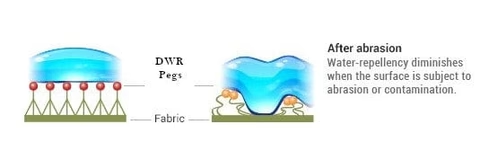
DWR (Durable Water Repellent) coatings make water bead up and roll off rather than soaking into the fabric face. This matters because saturated fabric (even if waterproof underneath) kills breathability and adds weight. DWR wears off over time, especially under pack straps. You can reapply it with spray-on treatments, but it’s never quite as effective as factory application. Expect to refresh DWR every 20-30 days of actual use.
Seam taping prevents water from entering through needle holes where fabric panels are sewn together. Quality jackets have fully taped seams. Budget options sometimes skip this or use inconsistent taping, which is where leaks appear first. When testing, we paid attention to whether moisture penetrated at seams before soaking through fabric itself.
Breathability vs Waterproofing: The Trade-off
No jacket is truly waterproof and fully breathable simultaneously. The more waterproof a fabric, the less breathable it typically is. Membrane jackets (Gore-Tex and similar) get closest to balancing both, allowing water vapor (sweat) to escape while blocking liquid water from entering. Budget coated jackets prioritize waterproofing over breathability, which is why you often feel clammy inside even when staying dry from external rain.
Breathability depends on vapor pressure difference: your warm, moist body creates higher pressure than cool, dry outside air, pushing moisture through the membrane. This works less effectively in humid conditions when interior and exterior moisture levels are similar. It also fails when you’re generating sweat faster than the membrane can vent it, which happens during hard climbs.
Pit zips, two-way zippers, and generous ventilation pockets help manage this by allowing direct airflow. The jackets we tested at the budget end lack these features, making breathability entirely dependent on fabric properties. If you hike hard in rain, expect some degree of interior moisture regardless of what you’re wearing.
If you prioritize packability over everything else:
The Outdoor Ventures Pullover (#4) and the 33,000ft Shell (#8) both compress to fist-size or smaller, making them easy to keep in your pack without dominating space. The 33,000ft offers better overall performance, but the pullover is cheaper and adequate for most conditions. If you’re thru-hiking or doing multi-day trips where every cubic inch matters, focus on these compact options. Just remember that ultra-packable usually means less durable fabric, so handle them carefully around abrasive surfaces.
If you need budget-friendly reliability:
The Columbia Watertight II (#1) delivers the most protection per dollar for hikers who don’t need ultralight or highly packable gear. It’s heavier and bulkier than minimalist options, but the construction quality and waterproofing last longer than ultra-budget choices. You’ll get multiple seasons of regular use rather than one season before replacement. For weekend warriors doing day hikes or overnights where weight isn’t critical, this is the practical choice that won’t require an upgrade next year.
If breathability matters as much as waterproofing:
The 33,000ft Shell (#8) outperformed everything else we tested under $100 for managing interior moisture during sustained climbs. The GIISAM Softshell (#6) also breathes well but sacrifices absolute waterproofing in the process. If you hike hard in variable conditions where overheating is as much a problem as getting wet, prioritize jackets with better vapor transmission. Just understand that true breathability at budget prices is limited: you’re mitigating the sauna effect, not eliminating it entirely.
Before You Buy
Fit and sizing matter more than you think
Rain jackets should fit with room for a midweight fleece underneath if you hike in cool conditions. Too tight and you restrict movement plus eliminate layering options. Too loose and wind catches fabric, flapping becomes annoying, and rain can drive up from below. Try it on with typical base and mid-layers if possible. Check arm length when reaching forward (mimicking trekking pole use) and ensure the hem covers your lower back when you bend over. Most budget brands run slightly small or use inconsistent sizing between models.
DWR degradation is inevitable
That satisfying water-beading effect you see in marketing photos disappears over time. Pack straps accelerate DWR wear on shoulders. You can extend life by washing with technical cleaners (not regular detergent) and reapplying DWR spray, but it’s never permanent. After 30-40 days of use, expect reduced beading and increased fabric saturation, even if underlying waterproofing remains intact. This is normal wear, not a defect.
Seam failures announce themselves
If moisture starts appearing at seams rather than soaking through fabric panels, your seam tape is failing. This happens faster on cheaper jackets and is hard to repair effectively at home. Seam sealant can help temporarily but rarely fixes it long-term. When testing, we specifically checked for this after a few hours in rain: first moisture appears as small damp spots along seam lines, then spreads to noticeable wetness.
Pit zips and vents are worth paying for
If you’re considering spending $100+ on a rain jacket, prioritize models with underarm zippers or similar ventilation beyond just opening the main zipper. The performance difference is significant when you’re working hard uphill. Budget options rarely include these features, which is part of why they feel so clammy during exertion. It’s a fundamental trade-off: lighter weight and lower price versus better comfort during high-output activities.
Final Recommendations
For budget-conscious hikers doing occasional day trips in moderate conditions, the Columbia Watertight II delivers solid protection without requiring a big investment. It’s heavier and bulkier than ultralight options, but the durability and waterproofing justify the trade-off if you’re not counting every ounce. You’ll get multiple seasons of use before needing replacement, making it more economical over time than ultra-cheap options that fail after one season.
For weight-conscious backpackers and thru-hikers, the 33,000ft Packable Shell offers the best performance-to-weight ratio we found under $100. It packs small, breathes well, and handles rain effectively. The thinner fabric requires more care around abrasive terrain, but if you’re already cautious with lightweight gear, it won’t be an issue. This is what we’d personally grab for multi-day trips where pack weight and space matter.
For women who hike in low-light conditions or near roads, the Baleaf Reflective Shell combines solid rain protection with meaningful safety features. The visibility elements work as intended without being gimmicky, and the waterproofing and breathability exceed most budget options. It’s worth the slightly higher price if you’re out during dawn, dusk, or cloudy conditions where being seen matters.
Important: Rain jackets don’t last forever, especially budget options. Plan on 1-2 seasons of regular use for jackets under $50, 2-4 seasons for mid-range options around $60-80. The waterproofing degrades, DWR wears off, and seam tape fails. This isn’t a defect, it’s the nature of waterproof fabrics exposed to UV, abrasion, and repeated compression. Factor replacement cost into your buying decision rather than expecting permanent performance.
Frequently Asked Questions About Hiking Rain Jackets
How long should a hiking rain jacket last?
Budget jackets ($30-50) typically last 1-2 seasons of regular use before waterproofing degrades noticeably. Mid-range options ($50-80) usually provide 2-4 seasons. Premium shells over $150 can last 5+ years with proper care. Lifespan depends heavily on use frequency, care, UV exposure, and how much abrasion the jacket experiences. Pack strap contact and frequent compression accelerate wear. Proper washing and DWR reapplication extend life but can’t prevent eventual fabric degradation.
What’s the difference between waterproof and water-resistant?
Waterproof jackets are designed to keep you dry in sustained rain and typically carry ratings like 10,000mm+ hydrostatic head, meaning they can withstand significant water pressure before leaking. Water-resistant jackets repel light moisture but will eventually soak through in steady rain. For hiking, you want waterproof, not just water-resistant, unless you’re only dealing with occasional drizzle. Be wary of marketing that uses “water-resistant” for what are actually minimally protective shells.
Do I really need pit zips or underarm vents?
If you hike aggressively or do steep climbs while wearing your rain jacket, pit zips make a significant comfort difference by allowing direct ventilation without opening the entire jacket. They’re common on $150+ jackets but rare in budget options. If you mostly hike at moderate pace or can layer strategically to avoid wearing a rain shell during high exertion, you can live without them. But they’re genuinely useful, not just a premium feature for the sake of charging more.
How do I restore the water-beading effect?
First, wash your jacket with technical cleaner (not regular detergent, which leaves residue that blocks pores). Tumble dry on low heat or follow manufacturer instructions. This sometimes revives DWR temporarily. If water still soaks in rather than beading, apply spray-on or wash-in DWR treatment following product instructions. Let it cure for 24 hours. The restored DWR won’t be as durable as factory application but should improve performance noticeably. Expect to repeat this process every 20-30 days of use.
Should I size up for layering?
Generally yes, especially if you hike in shoulder seasons or cold conditions where you’ll wear a fleece or puffy underneath. Try the jacket on over your typical mid-layer to check fit. Pay attention to arm length when reaching forward and hem coverage when bending. Most budget brands run slightly small or inconsistent between models, so checking actual measurements against size charts helps more than assuming your usual size will work.
Can I repair a leaking seam myself?
Seam sealant (available at outdoor retailers) can temporarily fix small leaks at seams, but it’s rarely a permanent solution. Clean the area, apply sealant following product instructions, and let it cure fully. This works better on small spots than large sections of failing seam tape. If multiple seams are leaking, the jacket is nearing end of life and repairs likely won’t hold long. Professional repairs are available but often cost enough that replacement makes more sense for budget jackets.