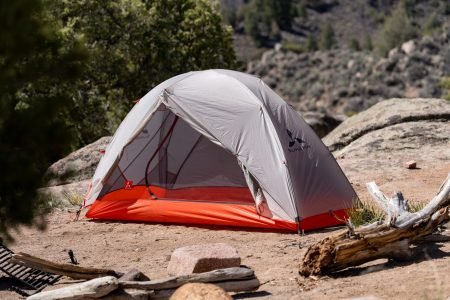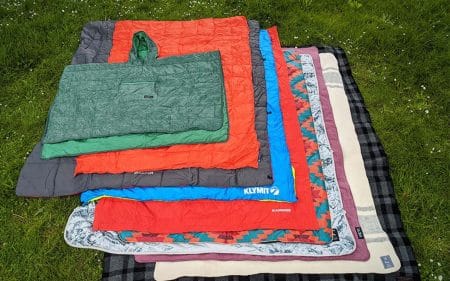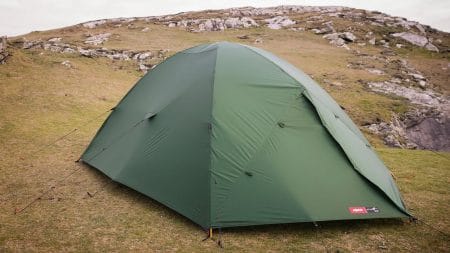


We spent six weeks testing eight hiking tarps across high deserts, humid forests, and exposed alpine zones. The goal was simple: find the best hiking tarp that actually keep you dry without adding pack weight you’ll regret by mile eight. We needed options that handle sudden downpours, set up fast when weather turns, and pack small enough to justify carrying them.
After pitching these tarps in winds that made guy lines sing, thunderstorms that lasted hours, and overnights where condensation became the real enemy, we found clear winners. The standout was the Wise Owl Outfitters Rain Fly for its balance of coverage and durability, while budget hikers will appreciate the Clostnature Tent Footprint’s simplicity. If you need bomber protection for exposed camps, the FREE SOLDIER tarp proved its worth through multiple overnight soakings.
Quick Comparison
| Tarp | Price | Best for | Weather Protection | Packability | Overall Score |
|---|---|---|---|---|---|
| Clostnature Tent Footprint | $17.99 | Minimalist ground protection | 7/10 | 9/10 | 8.5/10 |
| Amazon Basics Tarp | $17.09 | Large group coverage | 6/10 | 5/10 | 7/10 |
| FREE SOLDIER Tarp | $39.99 | Heavy weather exposure | 9/10 | 6/10 | 8/10 |
| JAICOM Tarp | $29.99 | Sun protection priority | 7/10 | 8/10 | 7.5/10 |
| Unigear Rain Fly | $23.99 | Budget hammock camping | 7/10 | 7/10 | 7/10 |
| Gold Armour Rain Fly | $28.99 | Versatile configurations | 8/10 | 7/10 | 7.5/10 |
| Wise Owl Outfitters | $41.91 | Serious backpackers | 9/10 | 8/10 | 8.5/10 |
| KALINCO Tarp | $34.89 | Compact multi-use | 8/10 | 8/10 | 8/10 |
1. Clostnature Tent Footprint – Best ultralight ground protection
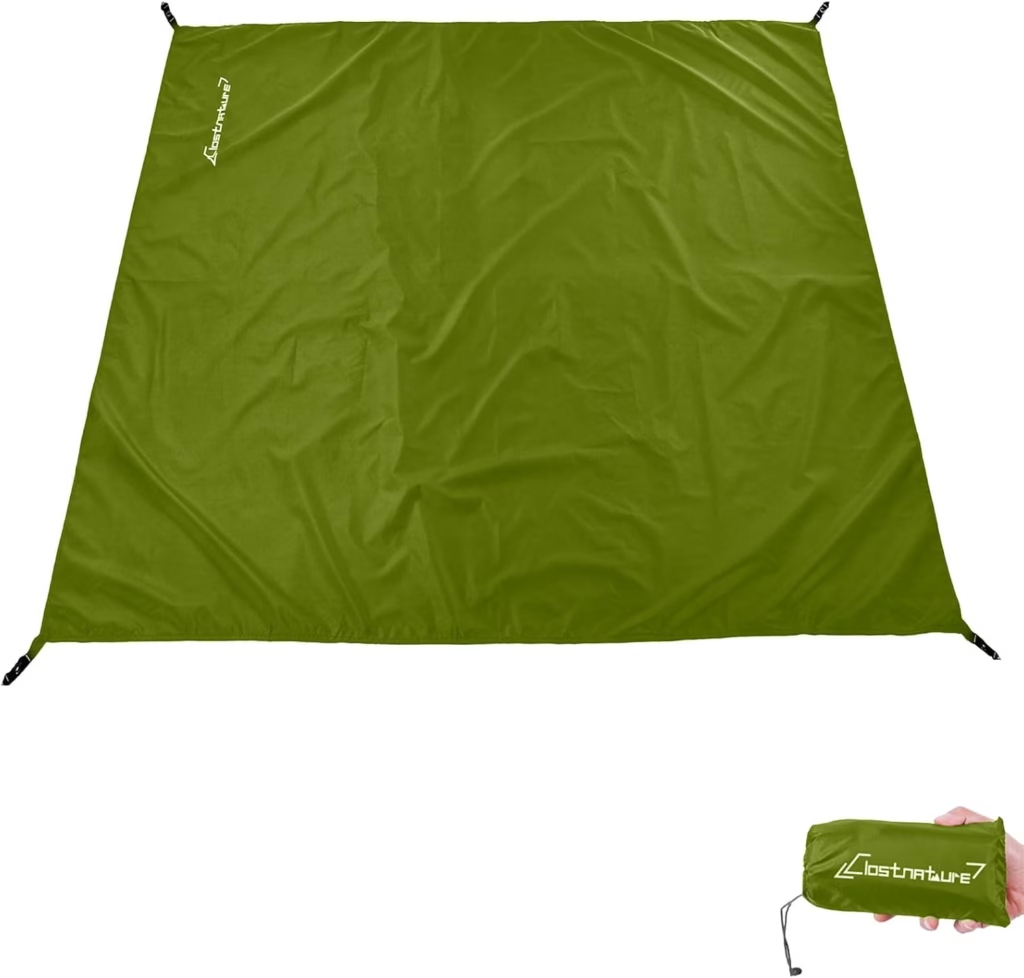
Overall score: 8.5/10
Cellphone-sized when packed, keeps tent floors surprisingly dry, wish it were two inches wider
Best for: Minimalists who want basic ground protection without adding pack weight
Skip if: You need overhead rain coverage or plan to use it as a standalone shelter
At 9.8 oz and packing to roughly the size of a smartphone, this footprint almost disappears in a pack. We used it under a two-person tent for five nights across varied terrain, from rocky high desert to damp forest floor. The 190T ripstop poly with PU coating kept moisture from seeping through during a night of steady rain that left puddles around the tent perimeter. By morning, the underside was wet but the tent floor stayed completely dry.
Setup is straightforward: lay it flat, stake the corners if ground is soft, set your tent on top. After about 25 miles of use, we noticed minor scuffing on high-wear spots but no tears or meaningful degradation. The included stuff sack makes packing simple, though it’s tight if you don’t fold precisely. One quirk: at 87″ x 59″, it’s cut specifically for certain tent models and left about an inch of tent floor exposed on our wider shelter. For the price and weight, that’s a reasonable compromise.
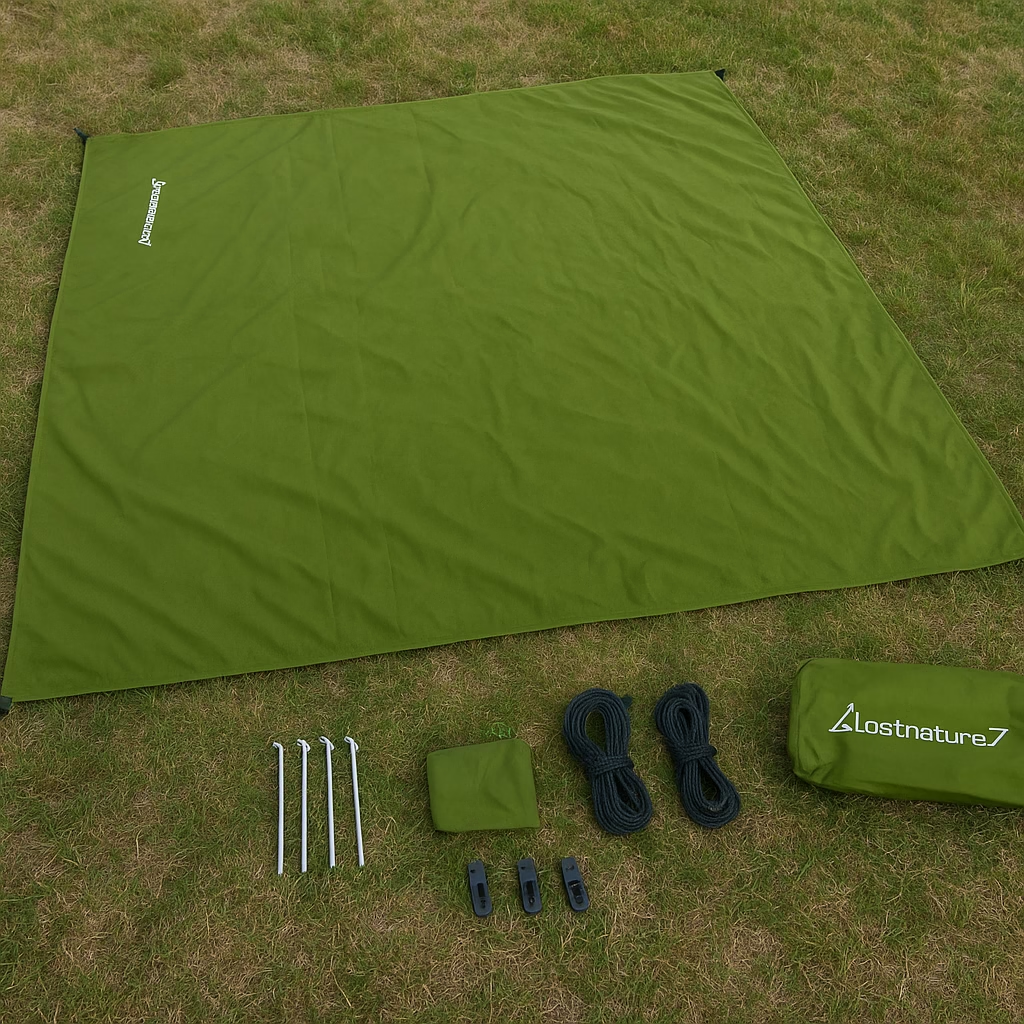
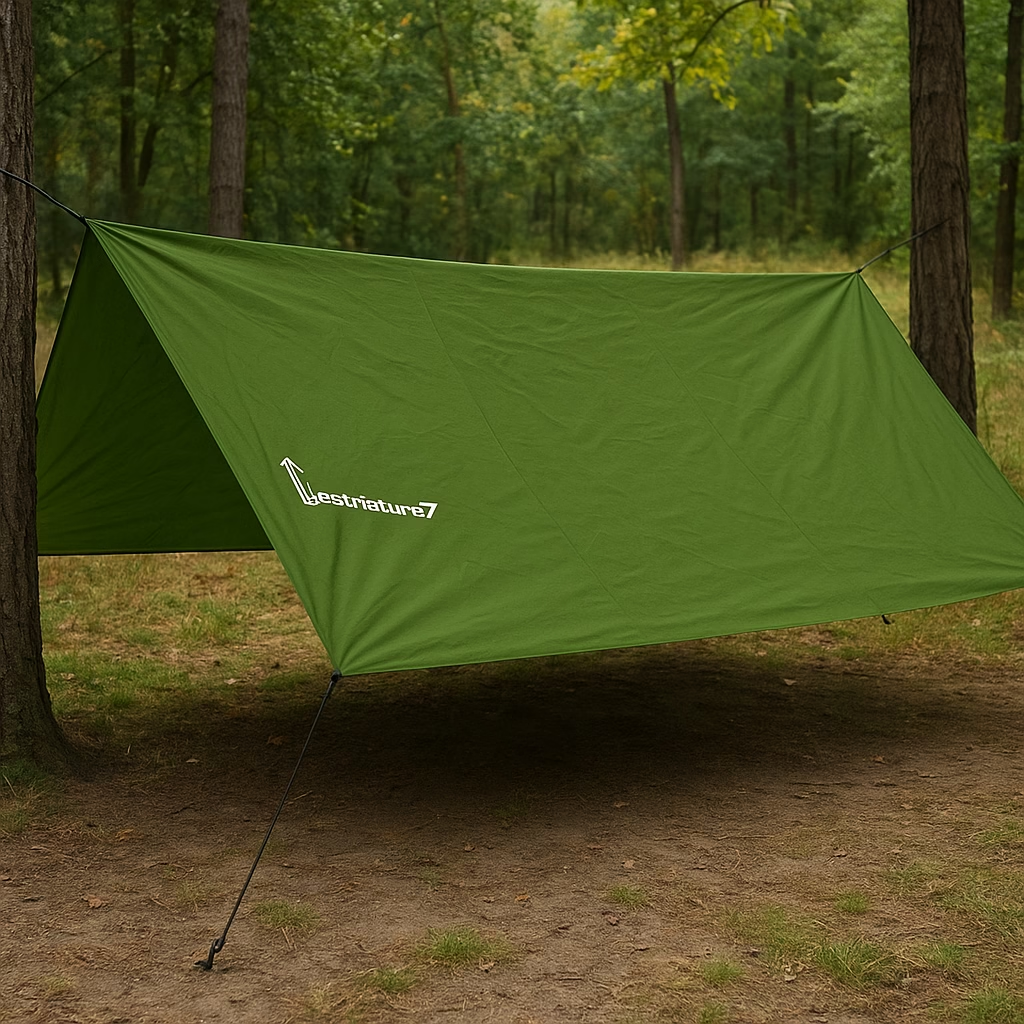
The waterproof rating isn’t specified numerically, which makes us slightly skeptical compared to tarps with clear PU ratings. Still, it performed well in moderate rain. We wouldn’t trust it under a tent during an all-night deluge on saturated ground, but for typical use it’s solid.
Pros
- Weighs under 10 oz, genuinely packable
- Effective moisture barrier for tent floors
- Budget-friendly at $18
- Stuff sack keeps things organized
Cons
- Dimensions won’t fit all tent models
- No overhead rain protection
- Lacks grommets for versatile pitching
Bottom line
A reliable ground sheet that does one job well without overthinking it. For tent campers who want simple, light floor protection, it’s tough to beat at this price.
2. Amazon Basics Waterproof Hiking Tarp – Best for large basecamp setups
Overall score: 7/10
Spacious coverage for groups, but bulk and weight make it a car camping choice
Best for: Group camping or car-supported trips where pack weight isn’t critical
Skip if: You’re counting ounces for backpacking or need bomber waterproofing
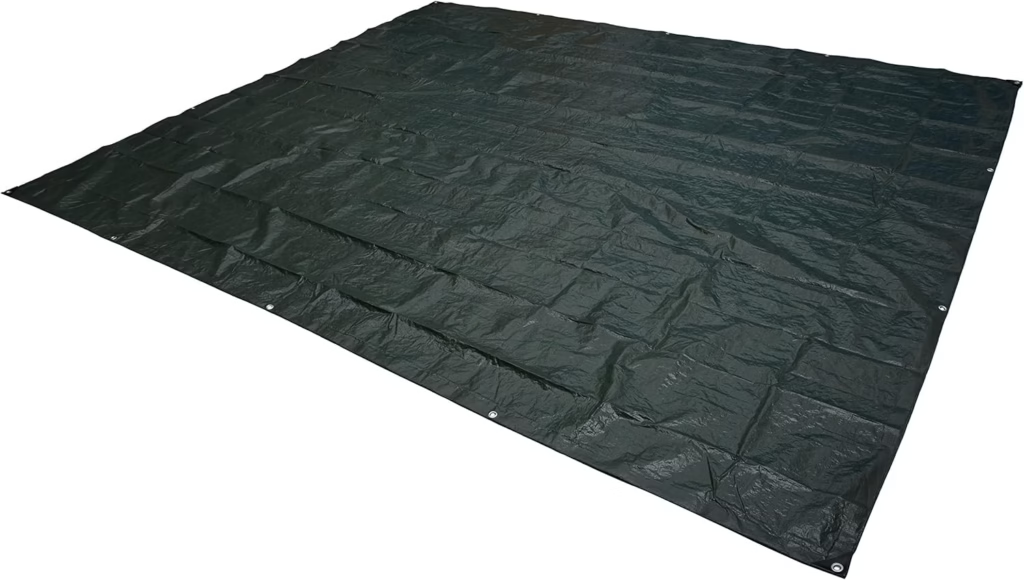
At 10 x 12 feet, this tarp offers serious coverage. We pitched it over a group cooking area during a three-day car camping trip where afternoon thunderstorms rolled through daily. It kept four people and our gear dry during moderate rain, though we noticed water pooling in one corner where the fabric sagged between support points. The dark green color blends decently into natural settings, and the material feels durable enough for weekend warrior use.
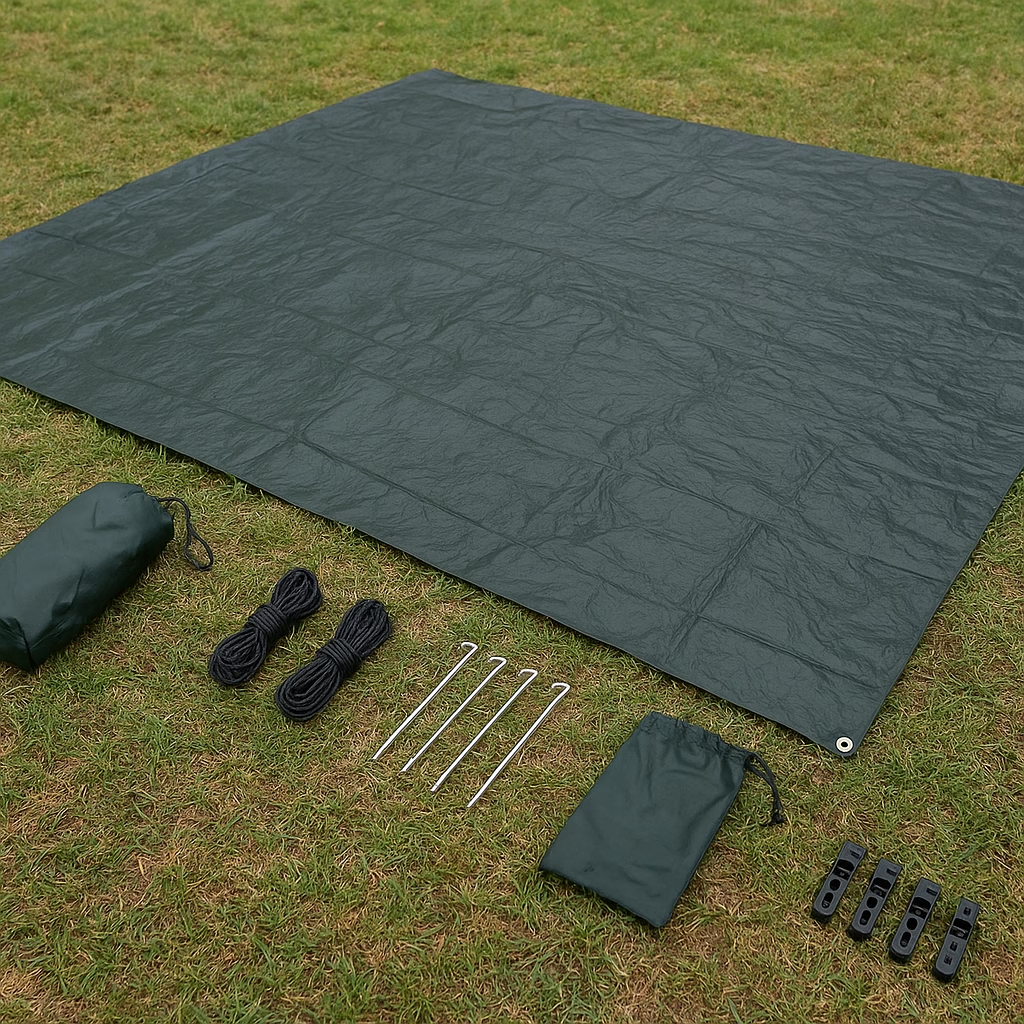
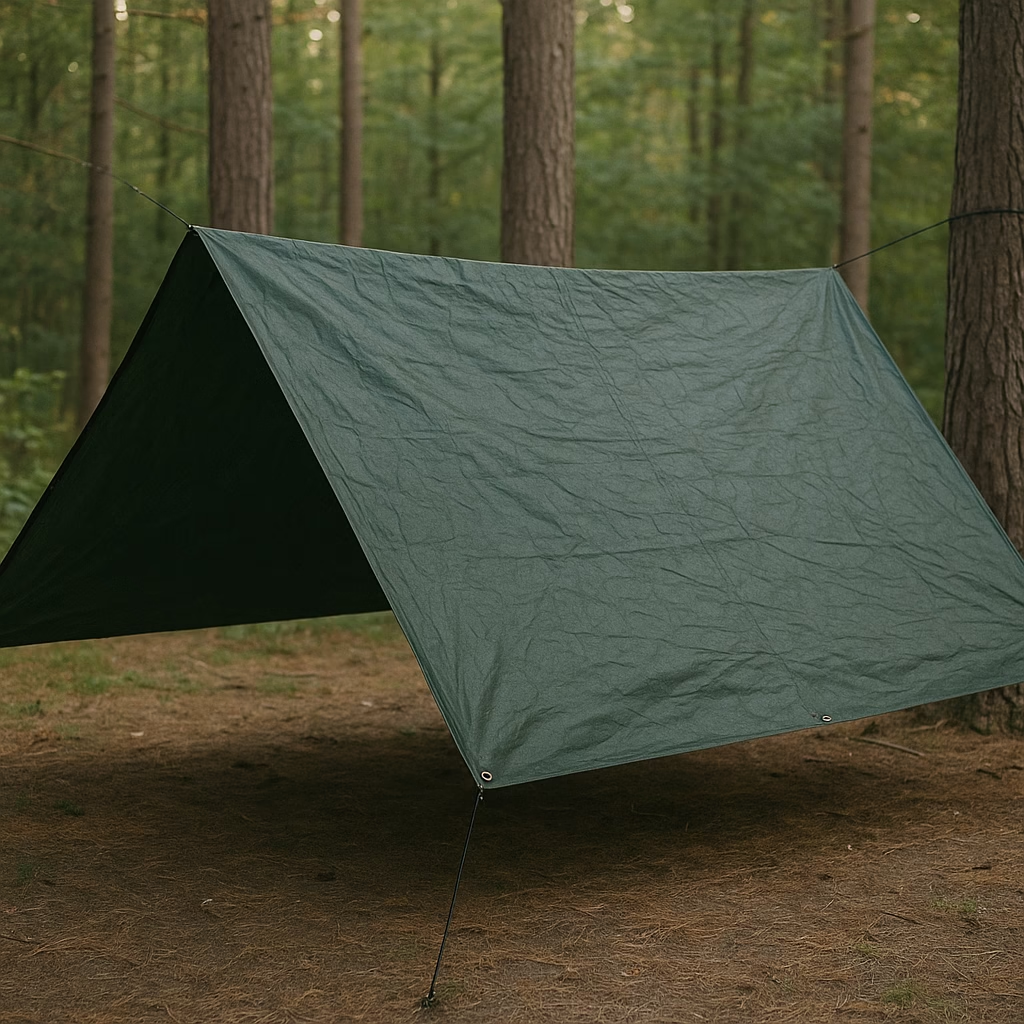
The problem is weight: just over 2 lbs sounds reasonable until you’re eight miles in and questioning every item in your pack. We tried it on a short overnight hike, and while it technically worked, the bulk made us reach for lighter options on subsequent trips. The grommets held paracord without tearing, but there are only eight attachment points, which limits how creatively you can pitch it.
Material thickness sits somewhere between flimsy and heavy-duty. After two weekends of use, we saw no damage, but the fabric doesn’t inspire confidence for sustained rough use. It lacks the reinforced tie-outs and taped seams we’d want for serious weather.
Pros
- Large footprint covers gear and people
- Affordable for what you get
- Grommets held up to tensioned lines
Cons
- Too heavy and bulky for backpacking
- Water pooling in loose sections
- Only eight attachment points
- Waterproofing adequate but not exceptional
Bottom line
If you’re driving to your campsite and need affordable coverage for a group, it works. Backpackers should look elsewhere.
3. Free Soldier Waterproof Portable Tarp – Best for exposed weather
Overall score: 8/10
Bomber construction that stayed bone-dry through an all-night storm, but you’ll feel the 42 oz
Best for: Hikers who camp above treeline or expect sustained bad weather
Skip if: Pack weight is your primary concern or you camp in protected areas
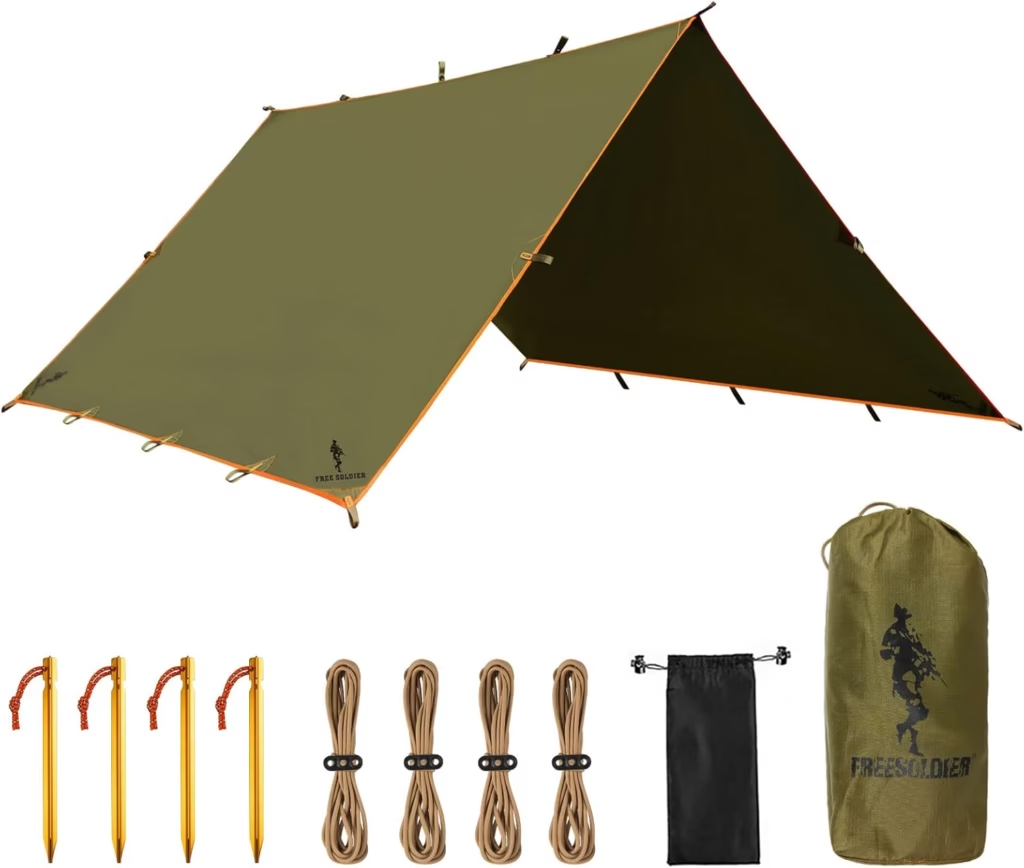
This tarp earned its keep during a two-night alpine camp where weather went from clear to torrential in under an hour. The 210T ripstop polyester with 2500 PU waterproof rating kept everything underneath completely dry through six hours of heavy rain and wind that collapsed a neighbor’s lesser shelter. The heat-sealed seams lived up to their billing: no leaks, no moisture creeping through stitching.
At 42 oz (2.6 lbs), it’s noticeably heavier than ultralight options, but the trade-off is durability you can feel. The reinforced ridgeline seam and 19 guy points plus 5 grommets gave us endless configuration options. We pitched it as a lean-to, an A-frame, and a low-profile wind shield across different nights. Each setup felt secure. The included guy lines and tensioners are functional, though we replaced them with lighter shock cord after the first trip.
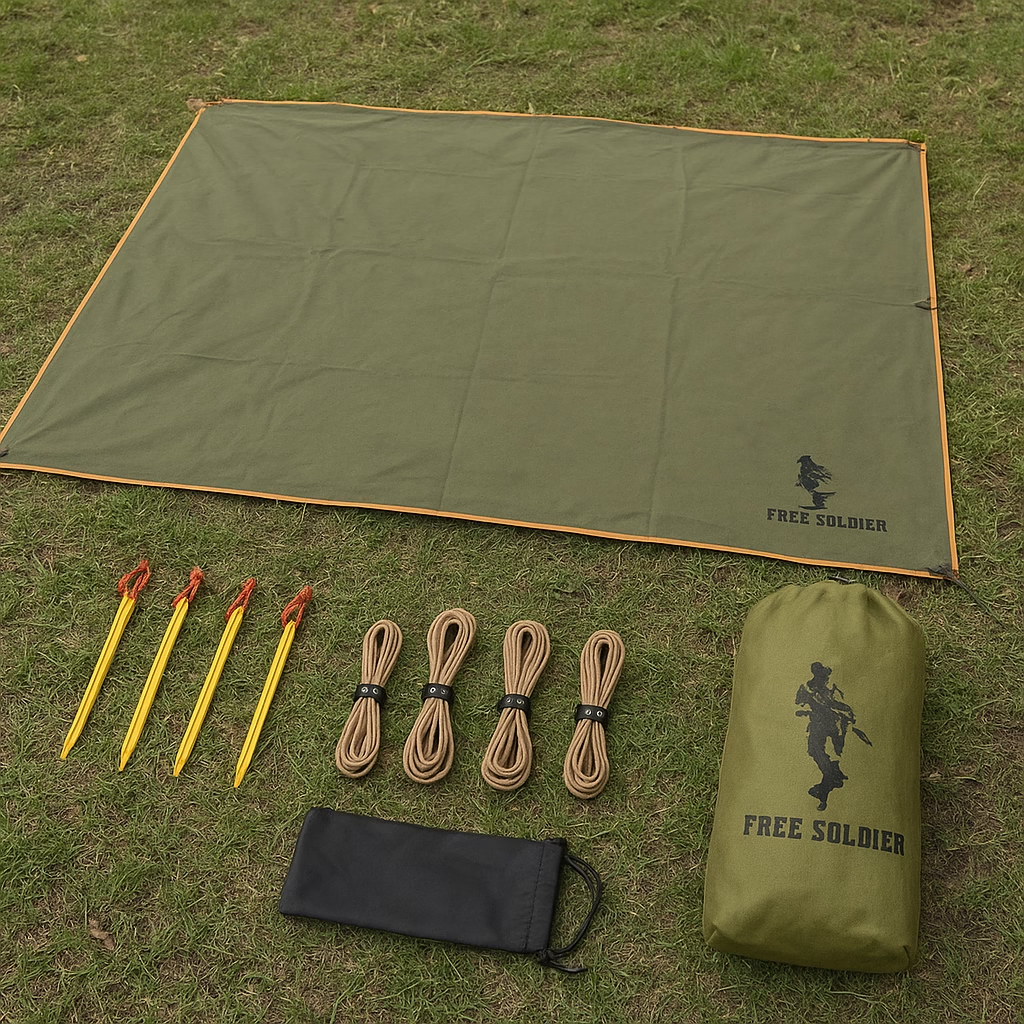
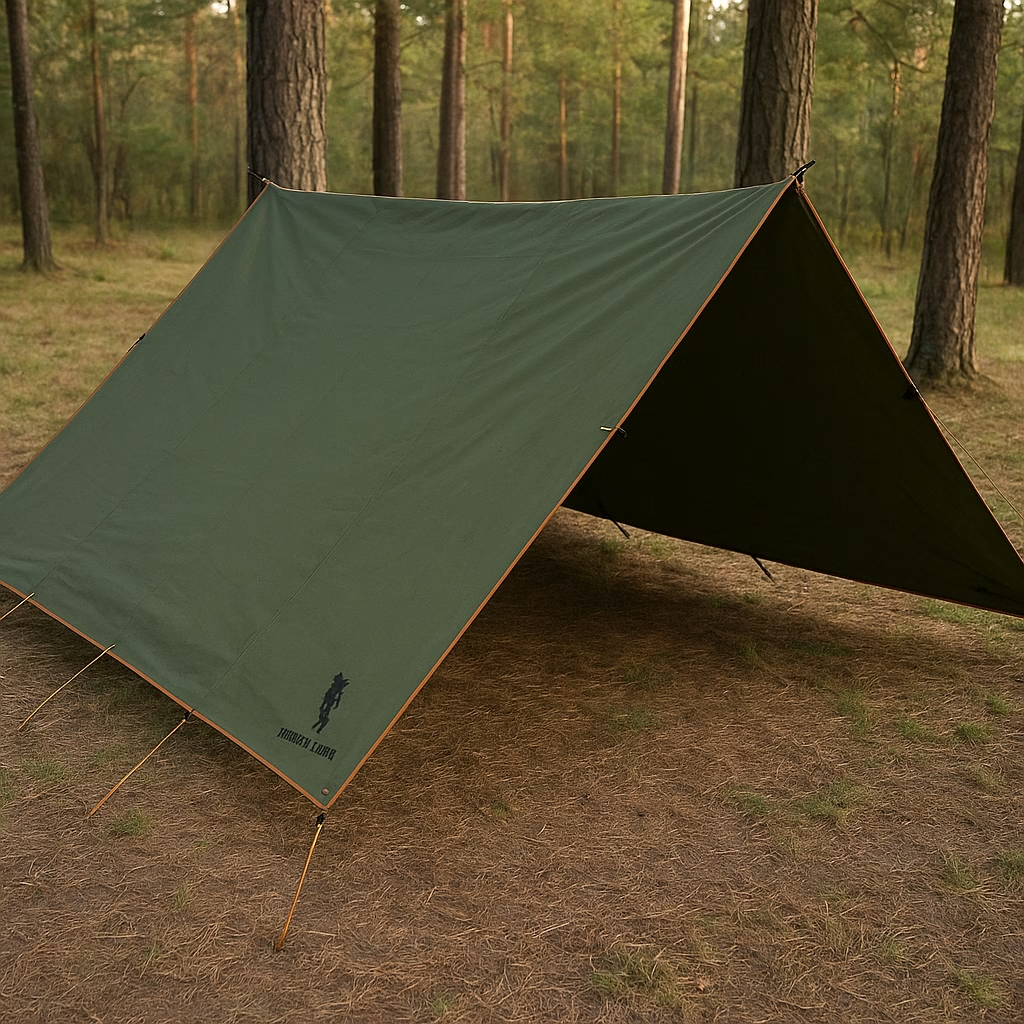
The 118″ x 126″ dimensions provided solid coverage for two people and packs. Packability suffers: even with careful folding, the stuff sack ends up roughly cantaloupe-sized. After three trips totaling about 40 miles of carry, we accepted this as the cost of confidence in bad weather.
Pros
- Exceptional waterproofing in heavy rain
- Durable fabric and reinforced attachment points
- Multiple pitch configurations
- Includes all necessary lines and stakes
Cons
- Heavy at 42 oz
- Bulky when packed
- Overkill for mild conditions
Bottom line
When weather turns serious and you need shelter that won’t let you down, this tarp delivers. Weight-conscious hikers in moderate climates can find lighter options, but for exposed camps, it’s worth carrying.
4. Jaicom Waterproof Hiking Tarp – Best for sun protection
Overall score: 7.5/10
Shines in hot, exposed terrain where sun matters more than storm prep
Best for: Desert hikers and sunny climate campers who need UV protection
Skip if: You’re prioritizing heavy rain performance over sun shade
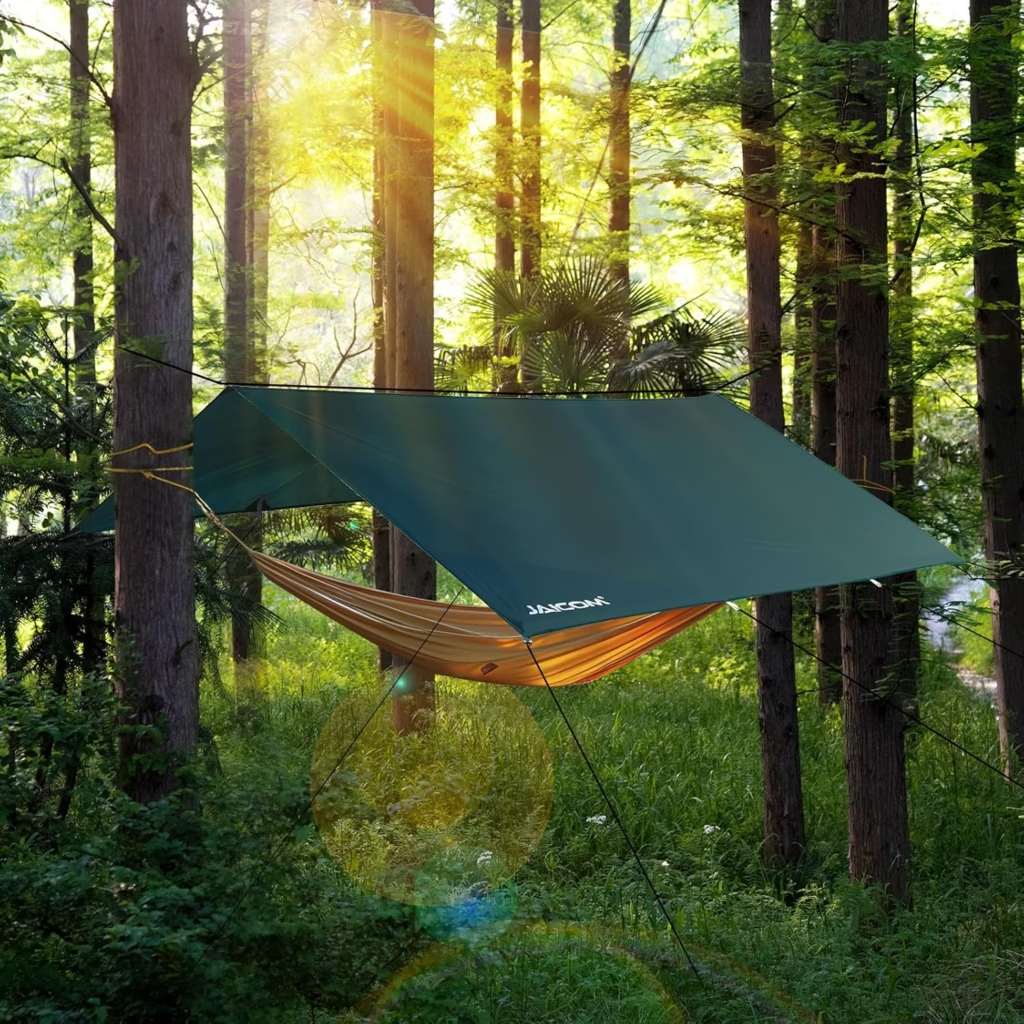
We tested this tarp primarily in high desert conditions where shade is currency. The 10 x 10 foot coverage provided relief for two people during midday breaks when temperatures pushed 95°F. The UV-protective coating noticeably reduced heat underneath compared to sitting in open shade under rock overhangs. The 210T polyester fabric blocked direct sun effectively without creating an oven effect.
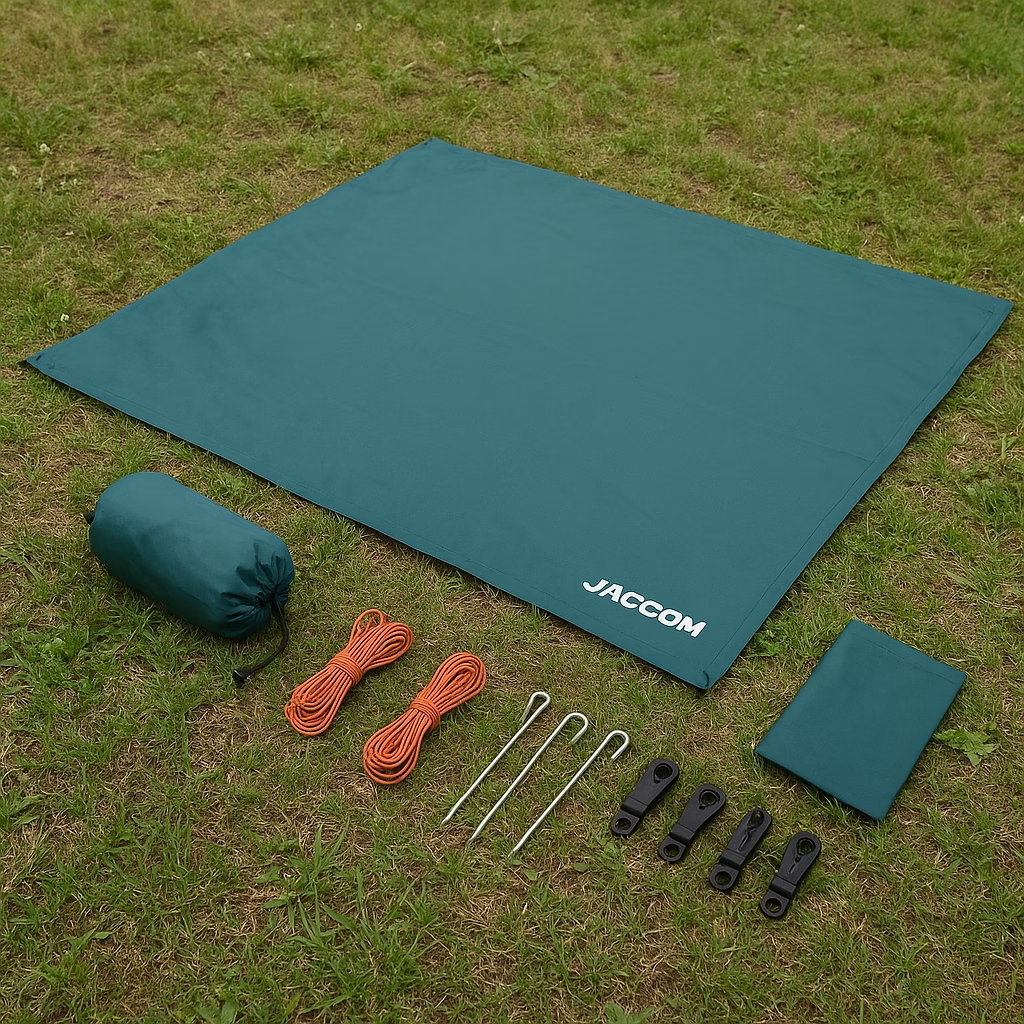
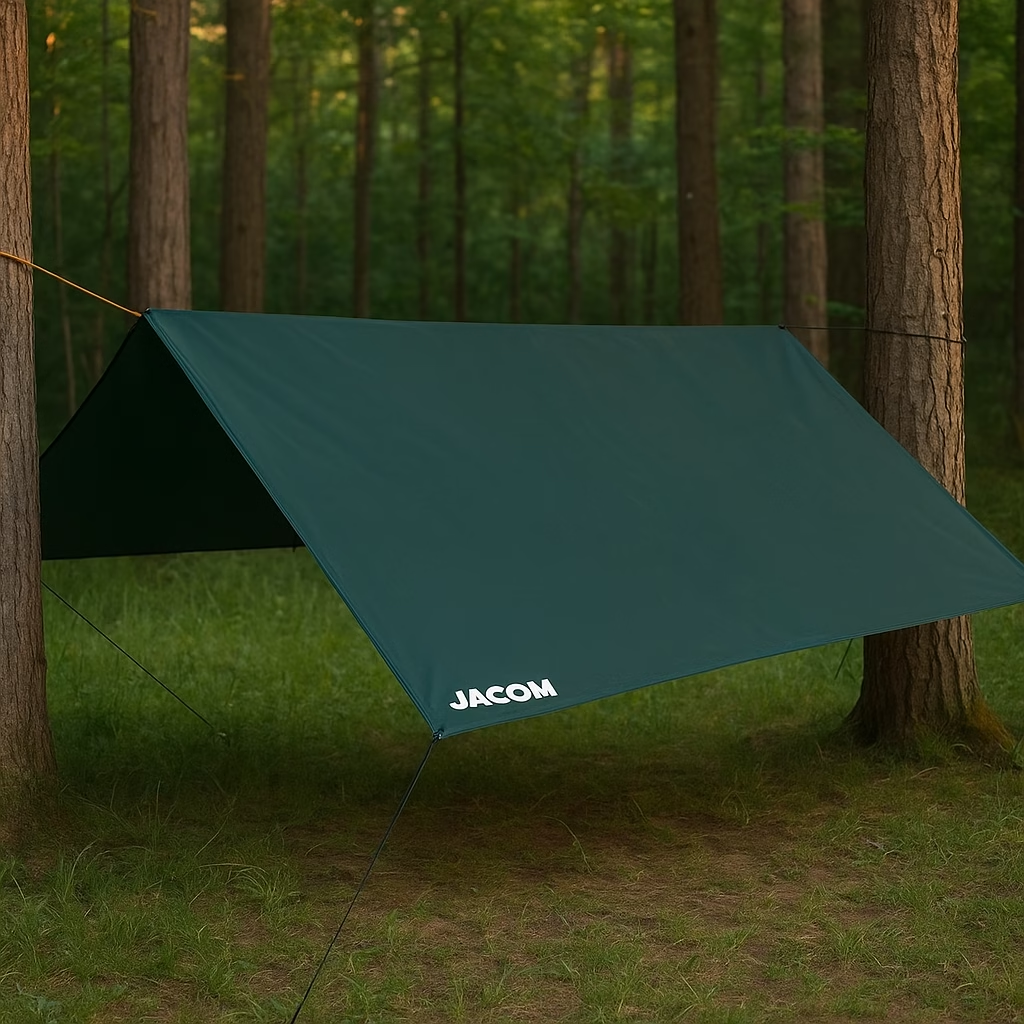
The 11 webbing attachment points (7 with corner reinforcements) allow creative pitching. We rigged it as a sun shade using trekking poles and natural anchors multiple times, usually taking under 10 minutes. The double-reinforced corners held up well when we tensioned lines to keep the tarp taut in afternoon winds. At 2.1 lbs, it sits in the middle weight category but packs down to about 9″ x 5″ x 6″, which fit easily in a side pocket.
Waterproofing performed adequately in moderate rain during one overnight, though we noticed minor seepage along one edge seam when rain persisted for several hours. The press-glued seams appear durable but don’t inspire the same confidence as the fully taped seams on heavier options. For the intended use case (sun protection with decent rain backup), it hits the mark.
Pros
- Effective UV protection in hot conditions
- 11 webbing points enable varied setups
- Reasonable weight-to-coverage ratio
- Includes stakes, guy lines, and carry bags
Cons
- Seam waterproofing less robust than heavy-duty options
- Green color doesn’t suit everyone
- Better for sun than sustained heavy rain
Bottom line
If you hike in arid climates or prioritize sun protection with occasional rain cover, this tarp balances features well. Hikers in consistently wet environments should choose options with stronger waterproof credentials.
5. Unigear Hammock Rain Fly Waterproof – Best budget hammock cover
Overall score: 7/10
Solid entry-level rain fly that handles typical weather without pretending to be bombproof
Best for: Hammock campers on a budget who need reliable coverage in moderate conditions
Skip if: You hammock camp in exposed areas with harsh weather
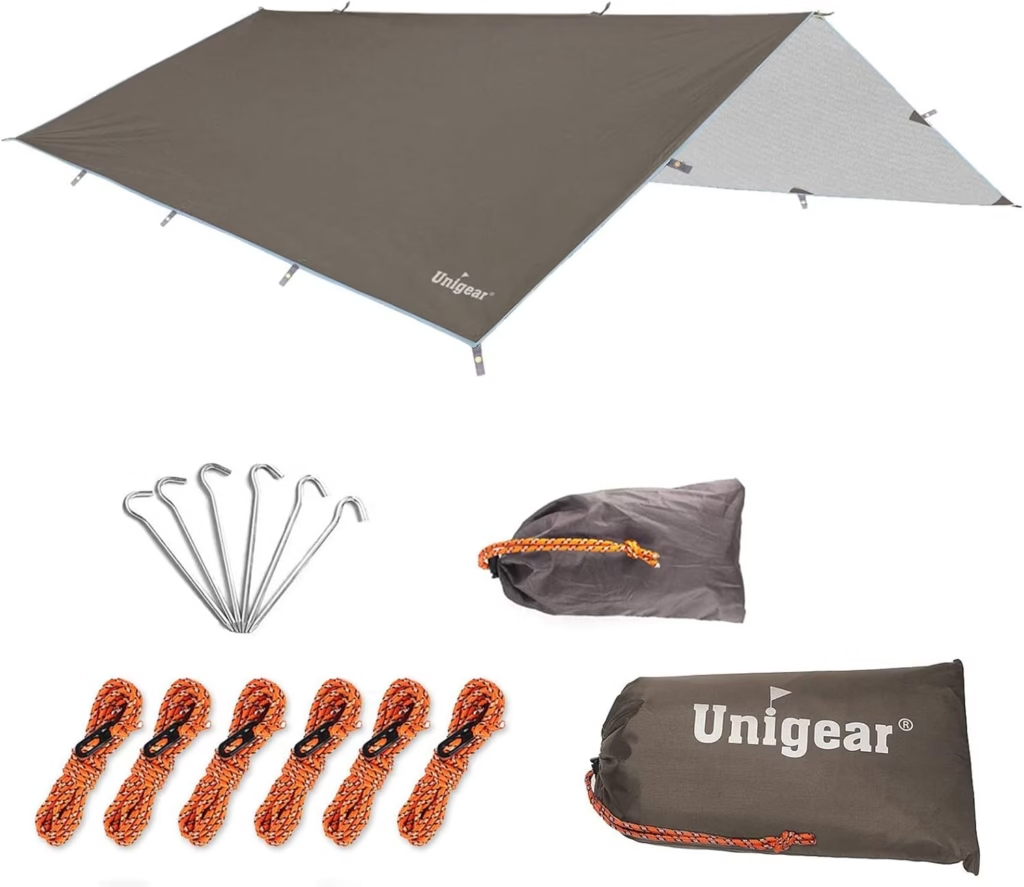
This tarp became our default for hammock setups during mild to moderate weather testing. The 10 x 10 foot size provided adequate coverage over a standard camping hammock with about a foot of clearance on each side. During two nights of light to moderate rain, it kept us dry, though we positioned the hammock carefully to avoid wind-driven rain from the open sides.
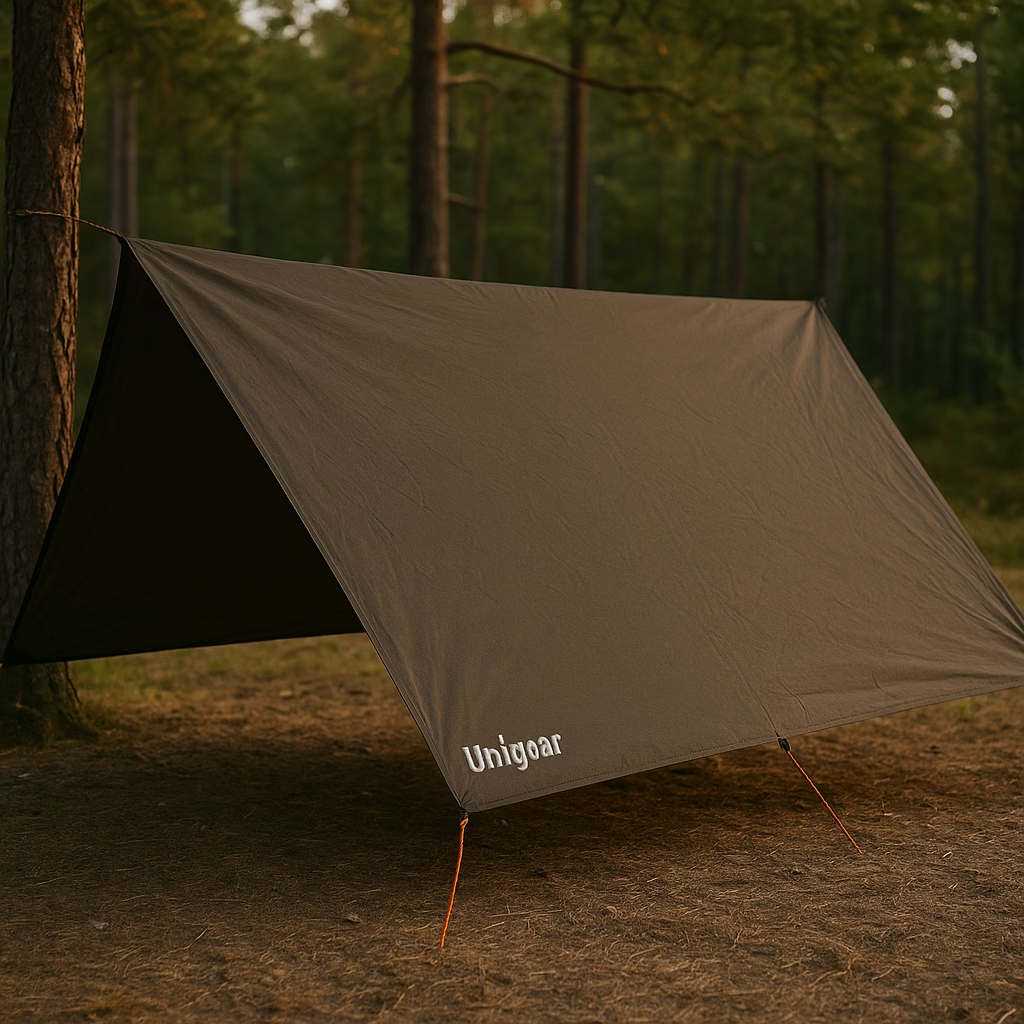
The 210D ripstop Oxford with PU 3000mm coating performs as advertised for typical conditions. We noticed the fabric is noticeably thinner than heavier-duty options, which helps with pack weight but makes us cautious around sharp branches. The 8 reinforced attachment points with double stitching held tension without issues, though we’d hesitate to trust them in genuinely extreme conditions.
Setup over a hammock takes about 5 minutes with practice. The included stakes and ropes work fine, nothing special but functional. At this price point ($24), expecting bomber performance isn’t realistic, but for casual hammock camping in forests or protected areas, it does the job.
Pros
- Affordable hammock rain protection
- 3000mm waterproof rating handles moderate rain
- UV protection for sunny camps
- Light enough at ~1.5 lbs
Cons
- Thinner fabric less durable than premium options
- Coverage adequate but not generous
Bottom line
A practical choice for hammock campers who don’t want to spend $50+ on a rain fly but need more than a basic emergency tarp. Set expectations appropriately and it won’t disappoint.
6. Gold Armour Rainfly Tarp Hammock – Best for versatile configurations
Overall score: 7.5/10
33 tie-down points turn this tarp into a geometry exercise with real-world payoff
Best for: Tinkerers who enjoy optimizing shelter setups for specific conditions
Skip if: You want simple, fast pitching without fiddling with multiple attachment points
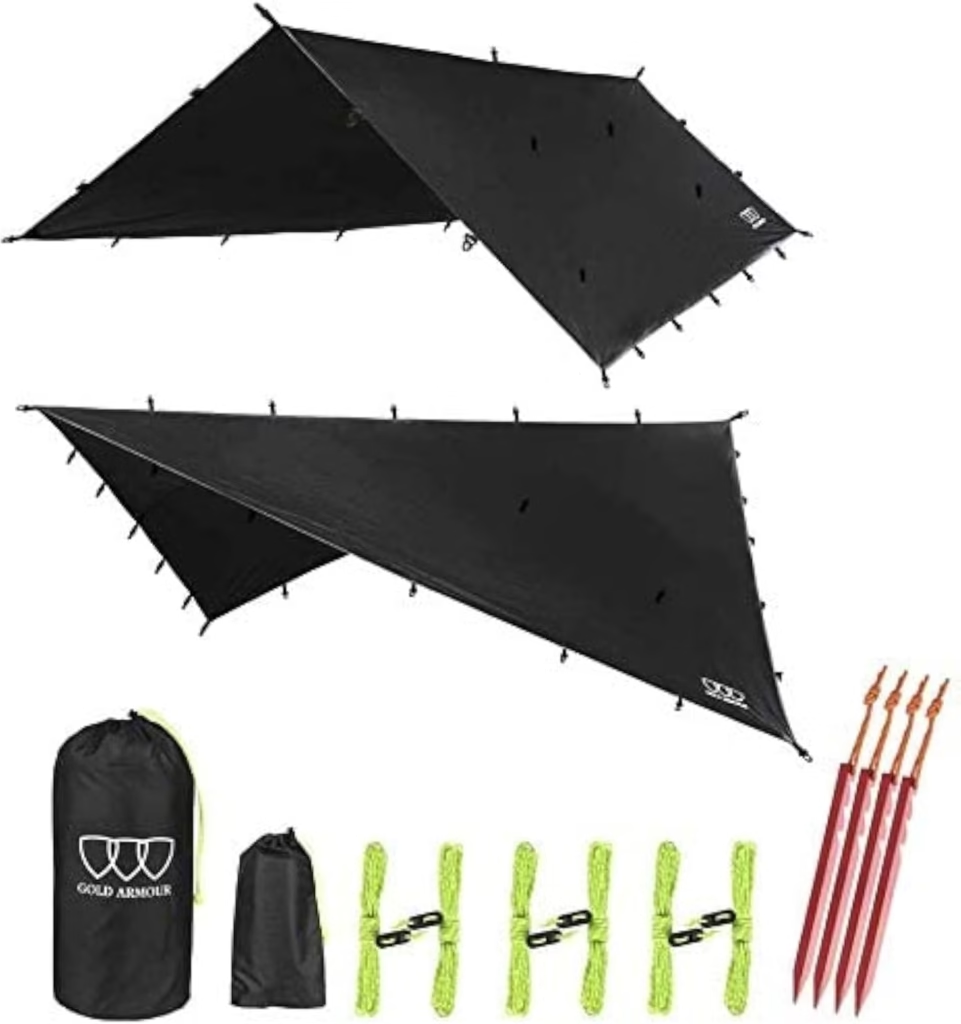
The defining feature of this tarp is attachment point overkill in the best way. With 33 tie-down loops plus 2 centerlines, we pitched this tarp in configurations we’ve never attempted with simpler designs. A-frame, lean-to, pyramid, porch extension, you can dial in coverage based on wind direction, rain angle, and available anchor points. This flexibility proved valuable during a four-day trip where weather shifted from calm to windy to rainy.
The 5000mm waterproof rating is among the highest we tested, and performance backed it up. During an overnight downpour that dumped an inch of rain, water beaded and ran off without any seepage. The ripstop fabric feels substantial without being heavy (the 12 x 10 version weighs around 2 lbs). After multiple setups and takedowns, the tie-down loops showed no wear.
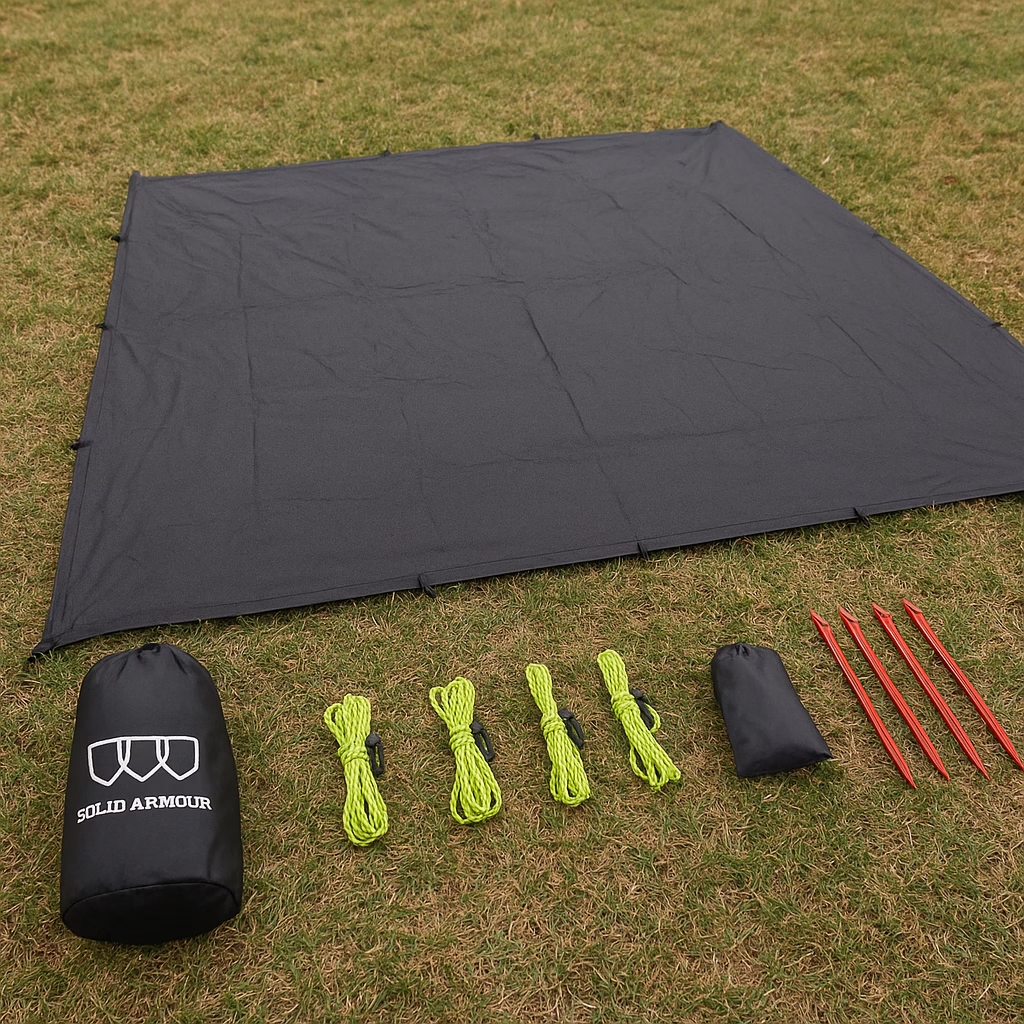
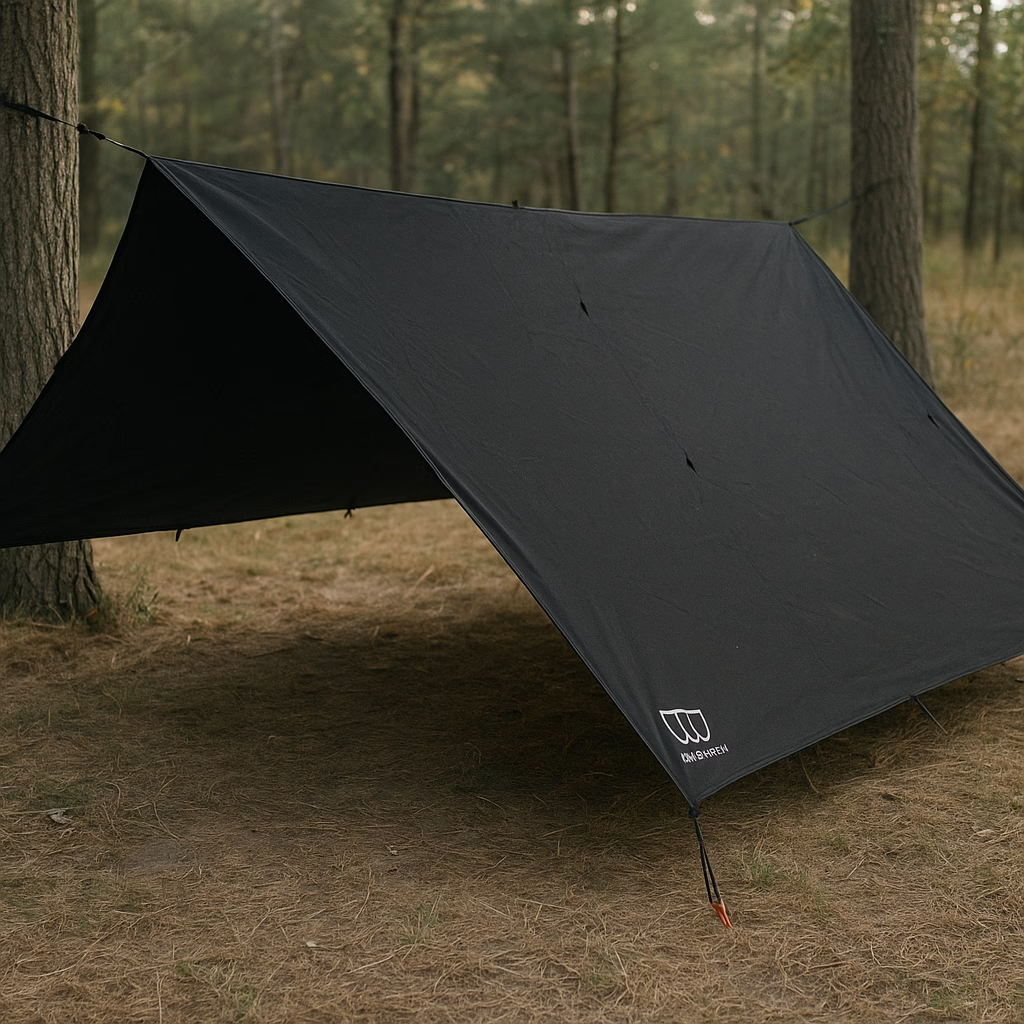
The learning curve is real. First-time setup took nearly 20 minutes as we figured out which loops to use for our intended pitch. By the third camp, we were under 10 minutes. The included stakes, ropes, and tensioners are decent quality, better than the cheap stuff packed with budget tarps.
Pros
- 33 attachment points enable endless configurations
- Exceptional 5000mm waterproof rating
- Durable construction and materials
- Multiple size options (8×10 to 14×12)
Cons
- More complex to set up efficiently
- OD green color only
- Slightly heavier than minimalist options
Bottom line
For hikers who enjoy the challenge of perfect shelter placement and want a tarp that adapts to conditions rather than forcing you to adapt, this one rewards the effort. If you just want to throw up a quick shelter, simpler designs will frustrate you less.
7. Wise Owl Outfitters Hammock Rain Fly – Best overall backpacking tarp
Overall score: 8.5/10
The tarp we reached for most often when conditions mattered
Best for: Serious backpackers who need reliable, well-designed shelter they can count on
Skip if: Budget is the primary concern or you only camp in fair weather
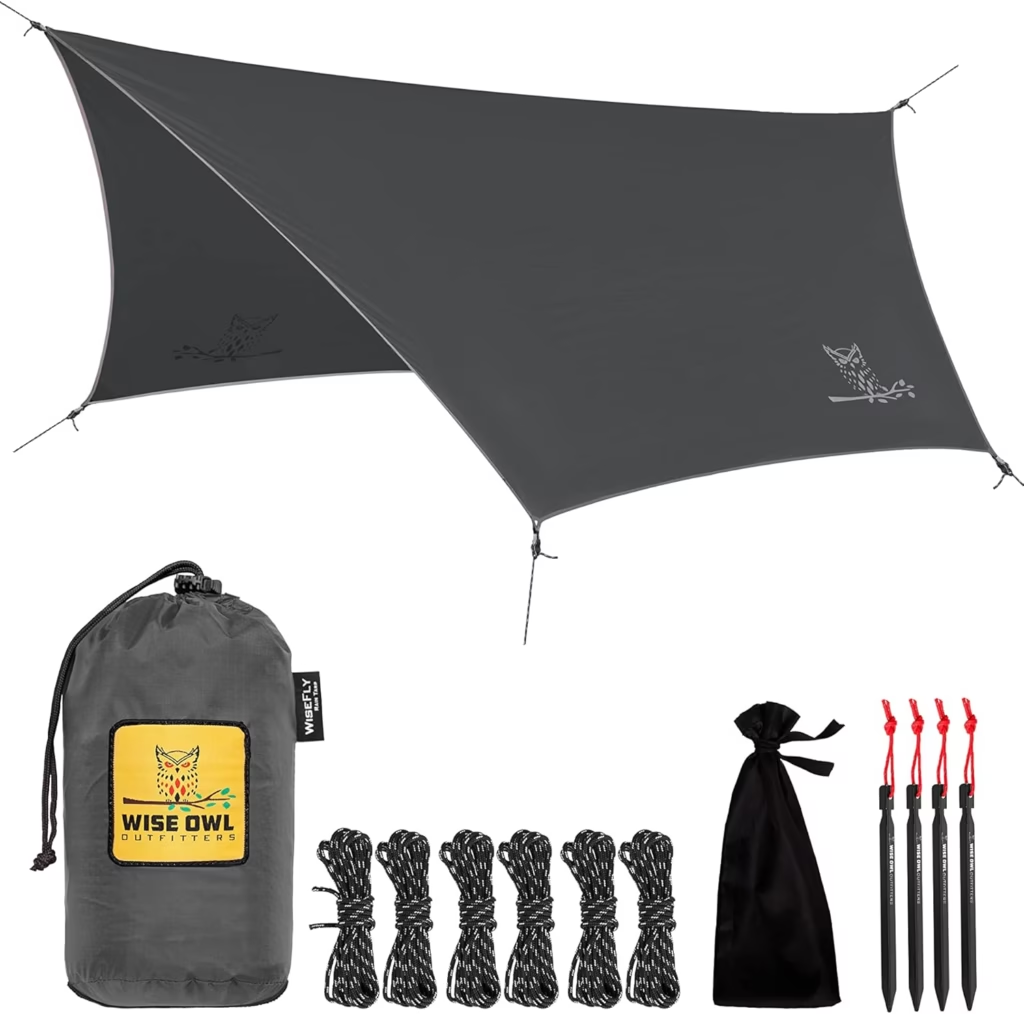
After rotating through all eight tarps across varied conditions, this one stayed in the pack most consistently. The 11 x 9 foot ripstop nylon with PU coating (rated to 3000mm) handled everything we threw at it: sustained rain, high winds, humid condensation-prone nights. The taped seams are some of the cleanest we’ve seen in this category, and water never found a way through.
At 26 oz, it’s light enough for multi-day trips without feeling like a sacrifice. The packability impressed us: it compresses into a stuff sack roughly the size of a Nalgene bottle. After about 50 miles of carry and a dozen setups, the fabric showed minimal wear and the reinforced stitching at guy-out points remained tight. The included aluminum stakes are lightweight and functional, the 10-foot guy lines offer plenty of adjustment range, and the separate stake pouch keeps things organized.
Setup is intuitive even in fading light or weather pressure. We used it primarily as a hammock rain fly but also pitched it as a ground shelter twice. The coverage dimensions work well for both applications. One night of sideways rain during a windstorm tested the edges of the coverage area, and we stayed dry by positioning carefully, though a couple inches more width would’ve been welcome.
Cons
- Price higher than budget options
- Gray may not suit all aesthetics
- Coverage adequate but not oversized
Pros
- Excellent balance of weight, durability, and protection
- Taped seams and quality construction
- Versatile for hammock or ground use
- Complete kit with good accessories
Bottom line
The most well-rounded option we tested. If you want one tarp that performs consistently across conditions without notable weaknesses, this is it. The price ($42) is higher than budget picks, but the quality justifies the cost over the life of the gear.
Tarp Size vs. Shelter Type
Matching tarp dimensions to your intended shelter type prevents frustration.For hammock camping, look for tarps at least 10-11 feet long to cover hammock ends where rain drives in. Width of 8-9 feet provides side coverage in angled rain.
For ground shelters, calculate coverage based on occupants plus gear: a 10×10 tarp works for one person and a pack, while two people need closer to 10×12 or 12×12 to stay comfortable.
Remember that usable coverage shrinks when you pitch at an angle. A 10-foot tarp side becomes about 7 feet of horizontal coverage when angled 45 degrees for water runoff.
8. Kalinco Camping Tarp Waterproof – Best compact multi-use
Overall score: 8/10
Packability and features that punch above its mid-tier price
Best for: Versatile backpackers who want one tarp for multiple shelter scenarios
Skip if: You need the absolute lightest option or maximum durability
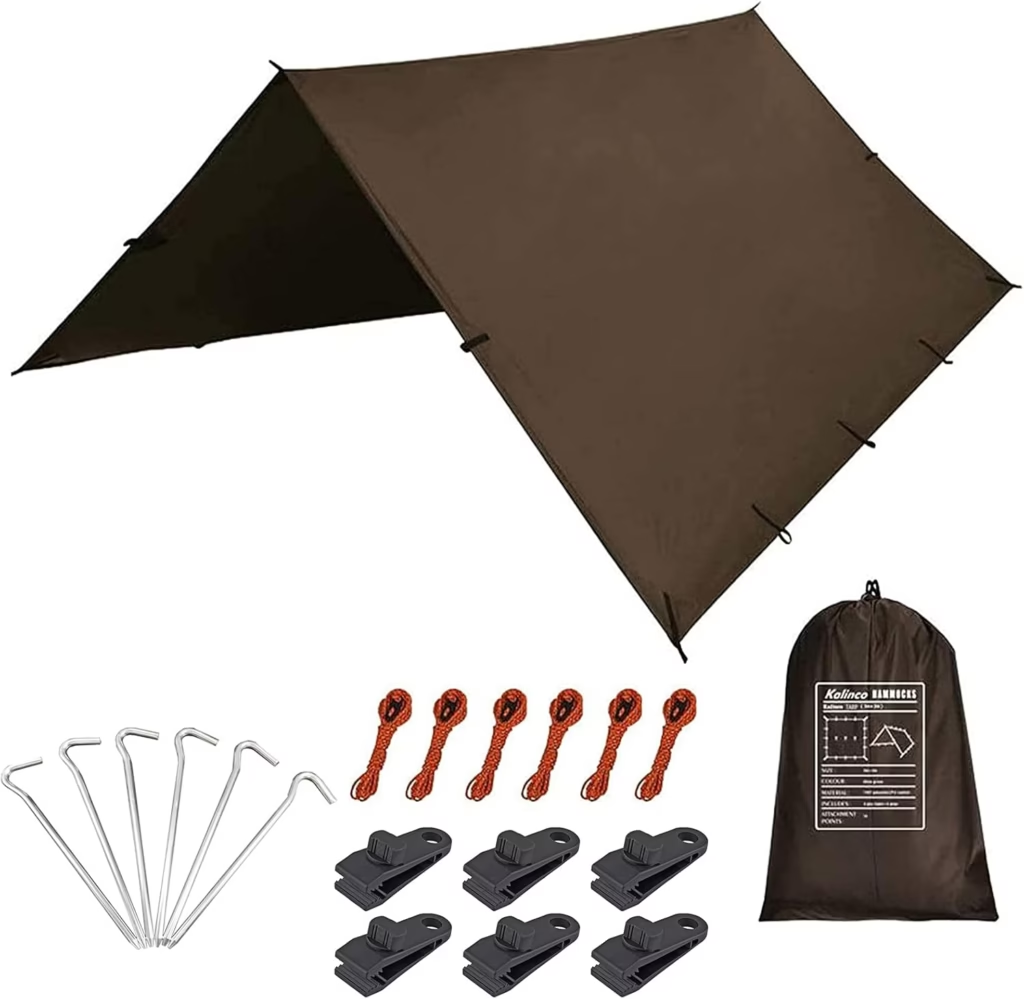
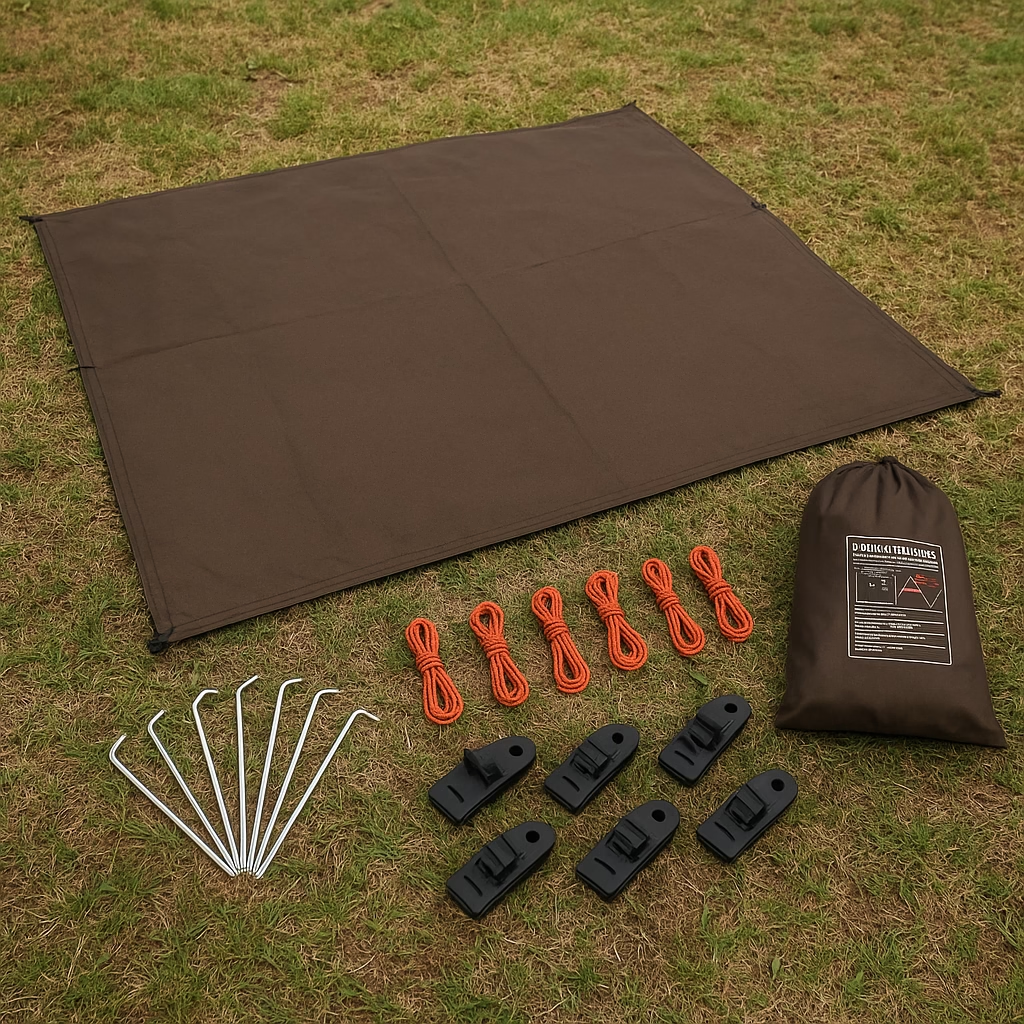
This tarp surprised us by delivering features typically found on pricier options while maintaining packability. At 2.2 lbs for the 10 x 12 foot version, it’s not the lightest, but the inclusion of 6 tarp clips (most competitors skip these), 6 guy lines, 6 stakes, and a storage bag makes it feel like a complete system. The 210T polyester with PU 3000mm coating performed well during three rainy nights, keeping our gear dry with no seepage.
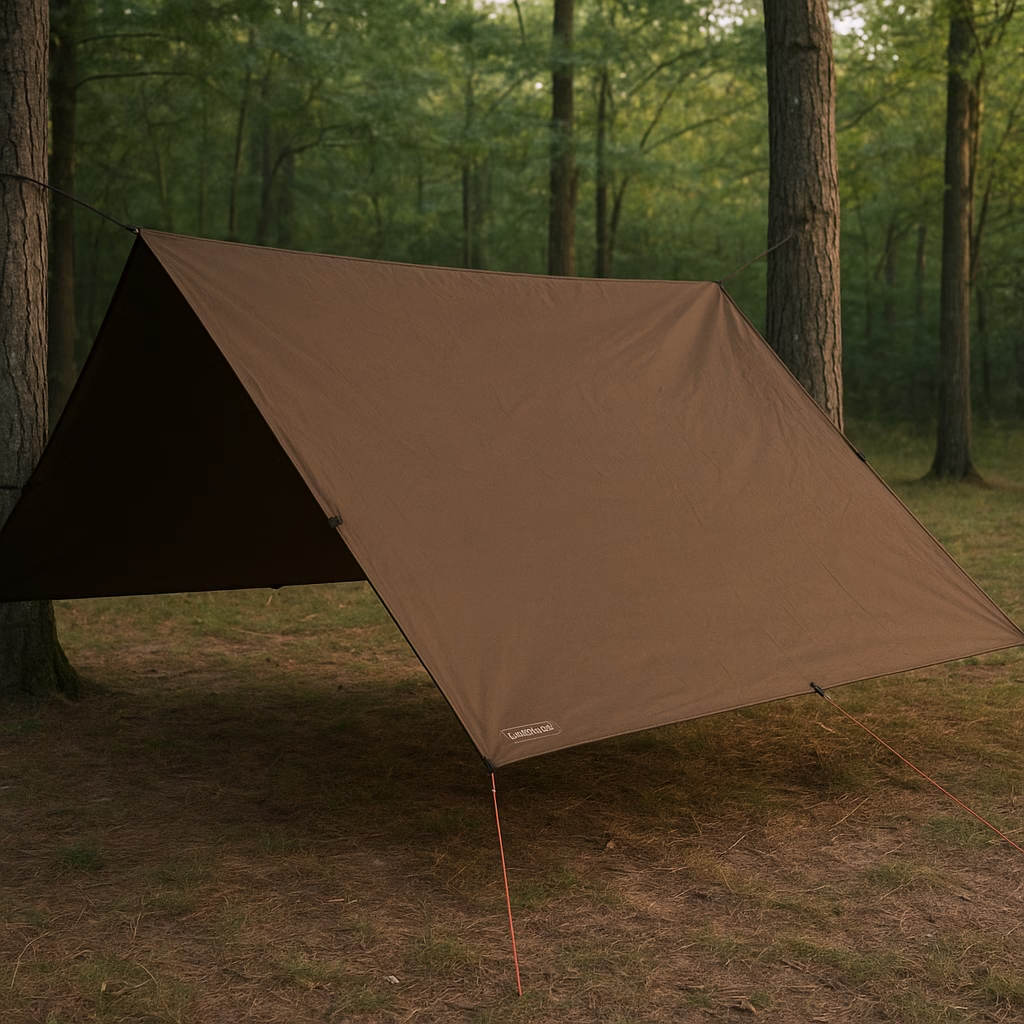
The 19 reinforced tie loops with double stitching give setup flexibility similar to tarps costing more. We used it as a tent footprint, hammock rain fly, and standalone lean-to across different trips. The coffee brown color is less conspicuous than bright colors, blending reasonably well in forest settings. The quick-dry fabric claim held up: after a damp morning takedown, it dried noticeably faster than the FREE SOLDIER tarp during the hike out.
Durability seems adequate for regular use but not abusive conditions. After about 30 miles and half a dozen setups, we saw minor pilling on high-friction areas but no tears or concerning wear. The included tarp clips are genuinely useful for creating attachment points anywhere along the tarp edge, adding versatility without extra grommets.
Pros
- Excellent feature set for the price
- Tarp clips add versatility
- Quick-drying fabric
- 19 tie loops enable varied configurations
Cons
- Fabric less robust than heavy-duty options
- Mid-weight for the coverage area
- Coffee color won’t appeal to everyone
Bottom line
A smart choice for hikers who want flexibility without paying premium prices or carrying bomber gear. It covers a lot of use cases competently rather than excelling at one specific application.
Disclosure: We purchased all tested tarps for independent evaluation or received them for long-term testing. This article contains affiliate links, which means we may earn a commission if you purchase through our links, at no cost to you.
What We Tested For
We focused on practical shelter performance across environments that push tarps: high desert sun exposure, humid forest overnights with condensation, and alpine zones where wind and rain hit simultaneously. The goal was finding tarps that keep you and your gear dry without requiring a PhD in knot-tying, while packing small enough that you’ll actually carry them. Weight matters, but only if the tarp works when weather turns. We also considered setup speed because fumbling with guy lines in driving rain is miserable. Real-world durability on rocky ground, resistance to UV degradation during long sun exposure, and how well fabrics shed water over multiple wettings all factored into our assessments.
Testing Methods
- Pitched each tarp in winds 15-30 mph to evaluate stability and guy-out effectiveness
- Subjected all tarps to at least one 3+ hour rain event with moderate to heavy precipitation
- Used tarps as ground covers on rocky and abrasive terrain to check puncture resistance
- Measured pack size and weighed each tarp with and without stuff sacks for accuracy
- Set up each design at least 5 times, noting time required and complexity
- Left tarps pitched for 48+ hour periods to observe condensation behavior and UV exposure effects
The approach improved on typical gear testing by focusing less on lab conditions and more on consecutive-use scenarios. Instead of single rain tests, we used the same tarp over multiple trips to see how waterproofing, attachment points, and fabric held up with repeated setups, packings, and exposure to trail grit. This revealed issues like seam degradation and attachment point loosening that don’t show up in one-off testing.
Test Results
| Product | Waterproof Rating | Weight | Packed Size | Setup Time | Attachment Points | Weather Score | Durability Score |
|---|---|---|---|---|---|---|---|
| Clostnature Tent Footprint | Not specified | 9.8 oz | ~5″ x 3″ x 2″ | 3 min | 4 corners | 7/10 | 7/10 |
| Amazon Basics Tarp | Not specified | 34 oz | ~12″ x 8″ x 4″ | 8 min | 8 grommets | 6/10 | 6/10 |
| FREE SOLDIER Tarp | 2500mm PU | 42 oz | ~10″ x 7″ x 6″ | 12 min | 19+5 points | 9/10 | 9/10 |
| JAICOM Tarp | Not specified | 33.6 oz | ~9″ x 5″ x 6″ | 8 min | 11 webbing | 7/10 | 7/10 |
| Unigear Rain Fly | 3000mm PU | ~24 oz | ~9″ x 6″ x 4″ | 7 min | 8 points | 7/10 | 6/10 |
| Gold Armour Rain Fly | 5000mm PU | ~32 oz | ~10″ x 6″ x 5″ | 15 min | 33 loops | 8/10 | 8/10 |
| Wise Owl Outfitters | 3000mm PU | 26 oz | ~8″ x 4″ x 4″ | 7 min | Multiple | 9/10 | 9/10 |
| KALINCO Tarp | 3000mm PU | 35.2 oz | ~9″ x 5″ x 6″ | 8 min | 19 loops | 8/10 | 7/10 |
Fabric and Waterproofing
Tarp fabrics generally fall into two categories: ripstop nylon and polyester blends. Nylon offers better tear resistance and typically packs smaller, but polyester handles UV exposure better over time and costs less. The polyurethane (PU) coating provides waterproofing, with higher numbers (3000mm+) handling heavier rain. We found that claimed waterproof ratings mattered less than seam construction: tarps with taped or sealed seams stayed dry in sustained rain, while those with only coated fabric often leaked at stitching after a few hours.
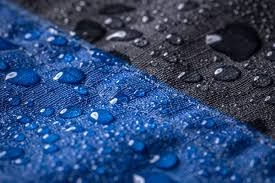
The quick-dry properties of synthetic fabrics become relevant during multi-day trips. Packing a soaked tarp adds weight and creates a damp, miserable ball in your pack. Fabrics that shed water and dry during breaks (KALINCO and JAICOM performed well here) reduce this problem. Thicker fabrics like the FREE SOLDIER’s 210T polyester feel more durable but take longer to dry and pack bulkier. The Wise Owl’s ripstop nylon balanced durability with drying time effectively.
UV degradation affects tarps used in high-sun environments. Polyester generally resists UV better than nylon, though coatings matter more for waterproofing longevity. Tarps marketed for “UV protection” (JAICOM, Unigear) typically mean they block sun for users underneath rather than the fabric itself being UV-resistant, though the two often overlap.
Guyline Systems and Attachment Points
The number and placement of attachment points dramatically affects how a tarp performs in wind and how many configurations you can achieve. Simple 4-corner designs (like the Clostnature footprint) work fine as ground protection but offer no flexibility for overhead pitches. Tarps with 8-12 points (most mid-range options) provide basic A-frame, lean-to, and hammock coverage configurations. The Gold Armour’s 33 attachment points felt excessive at first but proved valuable when wind direction forced creative pitching.
Reinforcement at attachment points matters more than quantity. Double stitching and fabric backing (found on FREE SOLDIER and Wise Owl) handle high tension without tearing. Lighter tarps with minimal reinforcement (Amazon Basics) tore at grommets when we tensioned lines aggressively during wind. Webbing loops (JAICOM, KALINCO) distribute force better than simple grommets and don’t create stress concentration points.
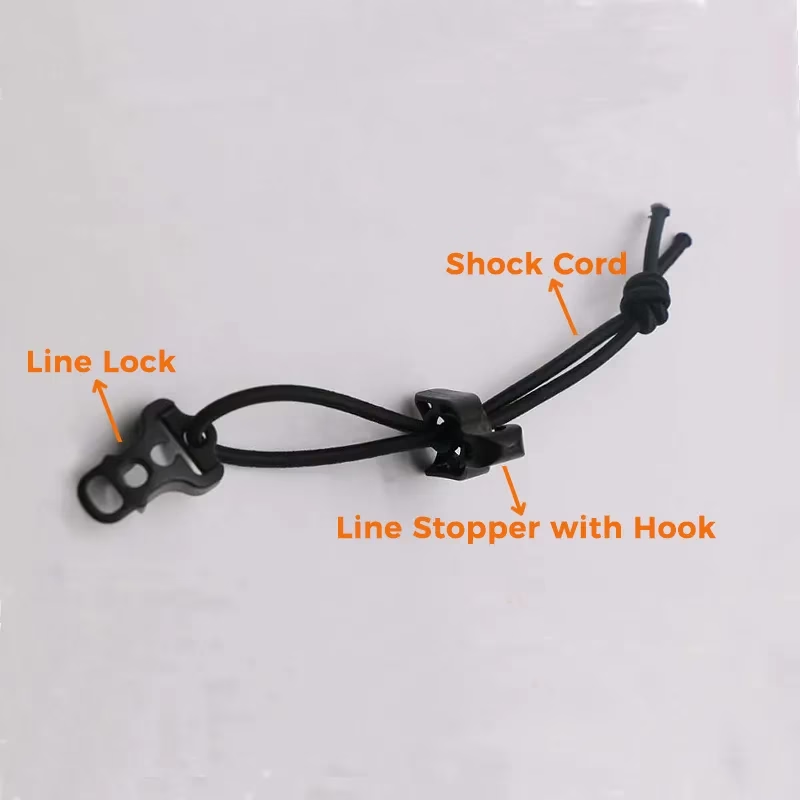
Guy line quality varies widely. Several tarps included thin cord that stretched noticeably when wet, requiring retensioning overnight. Replacing stock guy lines with reflective paracord or lightweight shock cord improved performance across most tarps. Adjustable tensioners (included with FREE SOLDIER and Gold Armour) simplify setup and allow fine-tuning without retying knots.
If you prioritize packability and weight
Look at tarps under 30 oz with stuff sacks that compress to water bottle size or smaller. The Clostnature footprint and Wise Owl rain fly pack smallest while maintaining useful coverage. Ultralight options sacrifice some durability, noticeably thinner fabrics that require more care around sharp objects and abrasive surfaces. For thru-hikers and fast-and-light backpackers, this trade-off makes sense. Weekend warriors hauling 30-pound packs probably won’t notice an extra 8 oz but will appreciate tougher fabric that handles casual roughness better. Consider whether you genuinely count ounces or just prefer lighter gear in theory.
If you prioritize weather protection
Focus on waterproof ratings above 3000mm and taped seams. The FREE SOLDIER and Wise Owl tarps delivered the most confidence in sustained bad weather, keeping gear dry during hours of heavy rain. Larger coverage areas (12×12 vs 10×10) matter when rain comes sideways or you need to protect packs and boots alongside your sleeping setup. Generous guy-out systems with reinforced attachment points let you tension the tarp to shed water effectively rather than pooling. Wind resistance requires more than waterproof fabric: stable pitch geometry and solid anchor points prevent the tarp from becoming a sail. We felt most secure with tarps that offered multiple pitch options, allowing adjustments based on wind direction.
If you prioritize versatility
Multi-use tarps with abundant attachment points (Gold Armour, KALINCO) adapt to different scenarios: ground protection one night, hammock rain fly the next, emergency sun shade during breaks. The trade-off is complexity, more setup options mean more decisions and longer setup time until you develop familiarity. Single-purpose designs like the Clostnature footprint set up faster because there’s only one way to use them. Versatile tarps make sense for minimalists who want one piece of gear covering multiple needs, but if you already carry a tent and just need a footprint, simplicity wins. Think about your actual camping style rather than theoretical flexibility you might never use.
Before Buying
Tarp vs. Tent Footprint
Understand the difference before choosing. A tent footprint is specifically sized ground protection that goes under your tent floor, protecting it from abrasion and moisture. These are typically lightweight, simple rectangles without significant guy-out systems. A tarp, on the other hand, is a versatile shelter that can be pitched overhead, used as a ground cover, or rigged as a hammock rain fly. Most hikers who use tents benefit from a dedicated footprint, while tarp campers or hammock users need actual tarps with attachment points and overhead coverage capability.
Sizing Considerations
Tarp dimensions affect both coverage and packed size. For ground use under tents, match or slightly exceed your tent floor dimensions, going too large means excess material that catches wind and water underneath. For overhead shelter, err toward larger sizes, angled pitches reduce effective coverage significantly. A 10×10 tarp pitched at 45 degrees provides less than 8 feet of horizontal protection on each side. Hammock users need length (11+ feet) more than width to cover hammock ends where rain drives in.
Grommet vs. Loop Systems
Grommets are metal-reinforced holes that guy lines attach through. They’re durable but create fixed attachment points and stress concentration areas that can tear in thin fabrics. Loop systems use sewn webbing or fabric loops that distribute force better and often fail more gracefully (stretching rather than tearing). Loops also allow easier attachment with clips and carabiners. For lightweight tarps, loops typically prove more reliable long-term.
Maintenance and Longevity
Synthetic tarp fabrics require minimal maintenance but benefit from proper care. Pack tarps dry when possible to prevent mildew. If you must pack wet, unpack and dry within 24 hours. Avoid storing compressed long-term, loosely folded or hung storage prevents coating degradation. UV exposure is the main enemy: prolonged sun breaks down waterproof coatings and weakens fabrics. When camping in high-sun environments, position tarps to minimize direct exposure during the hottest parts of the day. Most tarps last 50-100+ nights of use before waterproofing noticeably degrades. Seam sealers can extend life when seams start weeping.
Final Recommendations
For budget-conscious hikers who mostly camp in established sites with decent weather, the Clostnature Tent Footprint delivers essential ground protection at $18 without unnecessary features. It won’t adapt to changing conditions, but it does one job reliably. If you’re willing to spend $25-30, the Unigear Rain Fly adds overhead coverage suitable for light backpacking.
For serious backpackers facing varied conditions, the Wise Owl Outfitters Rain Fly justifies its $42 price through consistent performance, durability, and well-thought-out design. It’s the tarp we reached for most often when conditions mattered. The FREE SOLDIER tarp suits hikers who prioritize protection over weight, particularly those camping above treeline or in exposed areas where weather turns severe quickly.
Versatility seekers should consider the KALINCO or Gold Armour options, both offering extensive attachment systems for creative pitching. The Gold Armour edges ahead in pure weather protection, while the KALINCO packs slightly smaller. Sun-focused hikers in arid climates will appreciate the JAICOM tarp’s UV protection and lighter weight.
Important: Before purchasing any tarp, verify dimensions match your intended use. A 10×10 tarp that seems adequate in product descriptions often provides barely enough coverage when pitched at weather-shedding angles. If you’re between sizes, go larger, the small weight penalty beats waking up wet.
Frequently Asked Questions About Best Hiking Tarps
What size tarp do I need for backpacking?
For solo ground shelters, a 8×10 or 10×10 foot tarp provides adequate coverage. Two people need at least 10×12, preferably 12×12 for comfort and gear storage. Hammock campers should prioritize length over width, look for 11-12 foot long tarps to cover hammock ends. Remember that angled pitches reduce effective coverage by 20-30%, so tarps that seem large on paper provide moderate real-world protection.
How much should a backpacking tarp weigh?
Ultralight tarps range from 6-16 oz but sacrifice durability and coverage. Most quality backpacking tarps weigh 20-35 oz (1.25-2.2 lbs), balancing protection with packability. Tarps over 40 oz work better for car camping or base camps where weight isn’t critical. Aim for under 2 lbs if you’re counting ounces on long-distance trips, but don’t sacrifice waterproofing or durability to shave a few ounces.
Are tarps better than tents for hiking?
Tarps excel at light weight, ventilation, and versatility but require more setup skill and provide less bug protection. They work well for experienced hikers in areas with low insect pressure or when paired with bug bivy systems. Tents offer easier setup, complete bug protection, and better privacy. Most weekend hikers prefer tents, while thru-hikers and ultralight enthusiasts often choose tarps to save weight.
What’s the difference between a rain fly and a tarp?
A rain fly is specifically designed to cover a tent or hammock, usually with a shape optimized for that use. Tarps are flat, rectangular shelters with multiple attachment points allowing varied configurations. Rain flies typically have pre-attached guy lines and matched dimensions for specific shelters. Tarps offer more versatility but require more setup creativity. Some products blur the line, marketed as both rain flies and general-purpose tarps.
How waterproof should my hiking tarp be?
Look for waterproof ratings of at least 2000mm for occasional rain, 3000mm+ for reliable wet-weather protection. The coating number (2000mm, 3000mm, 5000mm) indicates how much water pressure the fabric withstands before leaking. Equally important are sealed or taped seams, which prevent leaks at stitching. Budget tarps often skip seam sealing, making them less waterproof than ratings suggest. For serious rain protection, prioritize taped seams over slightly higher coating numbers.
Can I use a tarp as a tent footprint?
Yes, though dedicated footprints often fit tent floors more precisely. Any waterproof tarp works as a ground barrier if sized correctly. Ensure the tarp doesn’t extend beyond your tent floor, exposed tarp edges collect water that runs underneath. Trim or fold excess material. Heavy tarps (2+ lbs) add unnecessary weight for this purpose when lightweight footprints cost less and pack smaller. Use what you have, but if buying specifically for ground protection, footprints optimize for that single use.