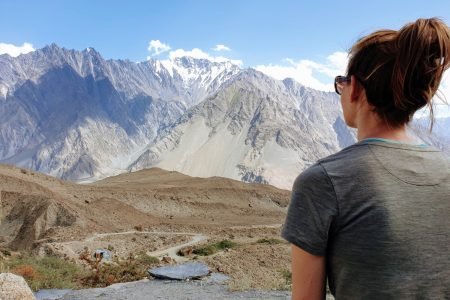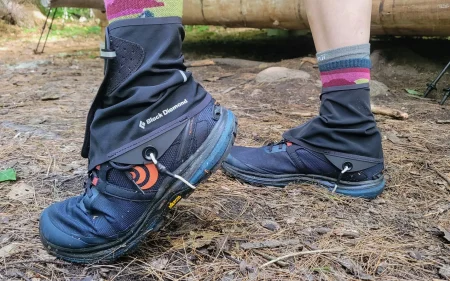


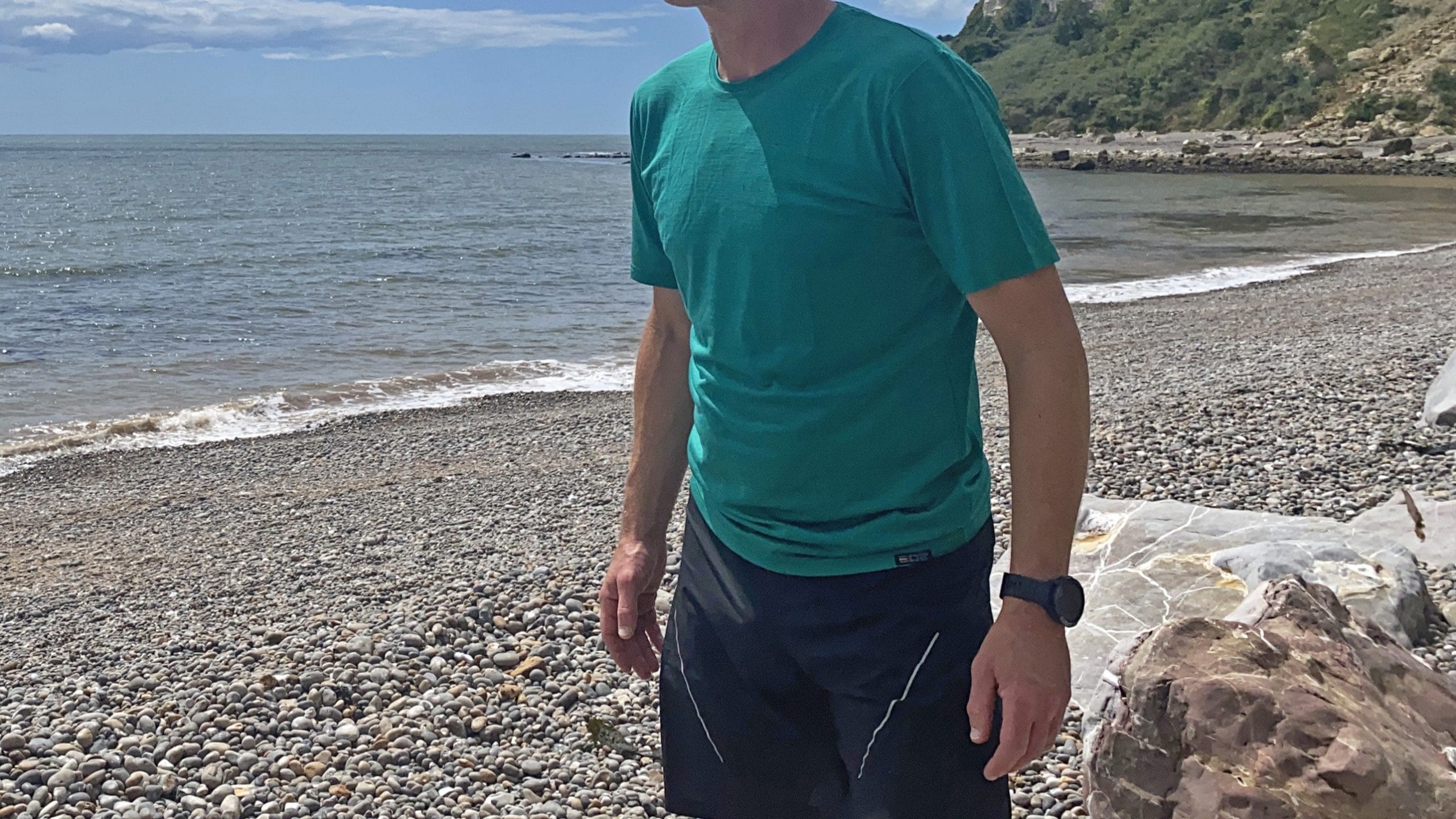
After dozens of sweaty trail miles and more than a few humid ridge climbs, I’ve tested seven moisture-wicking shirt options across conditions ranging from steamy forest trails to sun-baked switchbacks. The goal was simple: find the best moisture wicking shirts that actually move sweat away from your skin, dry fast when you stop for breaks, and hold up after repeated washing and use. Some surprised me with how well they performed for the price. Others felt loose or basic but still did the job. Whether you’re dealing with humid summer heat or just run hot on climbs, finding the right shirt makes a noticeable difference in comfort and how your pack straps feel against damp fabric. Here’s what I learned from real use.
| Product | Best for | Price | Overall Rating | Comfort Score | Performance Score |
|---|---|---|---|---|---|
| OySieg Men’s Quick Dry Long Sleeve Shirts | Sun Protection Budget | $30.58 | 8 | 7 | 8 |
| OFEEFAN Moisture Wicking Shirt (Women’s) | Budget Warm Weather | $12.99 | 7 | 7 | 7 |
| MCPORO Workout Shirts for Men | Summer Trails High Output | $29.98 | 8 | 8 | 8 |
| Columbia Men’s Hike Crew | Odor Control Heavy Sweaters | N/A | 7 | 8 | 8 |
| LalaHook Long Sleeve Shirts for Men | Lightweight Layering Multi-sport | $14.99 | 7 | 7 | 7 |
| Real Essentials Men’s Short Sleeve Dry Fit | Budget Training Athletes | $35.99 | 8 | 8 | 8 |
| Under Armour Men’s Tactical Tech T-Shirt | Hot weather | $19.46 | 9 | 9 | 9 |
| MAGCOMSEN Dry fit | Warm Weather Running | $14.98 | 8 | 8 | 8 |
1. OySieg Men’s Moisture Wicking Long Sleeve – Best for Value Sun Protection
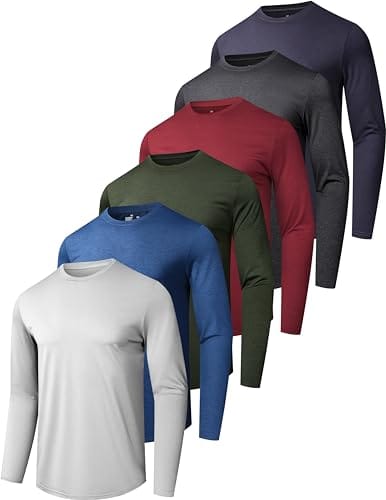
Six solid long sleeves that wick, dry fast, and block UV without breaking the bank
Best for: Hikers and outdoors people who want reliable sun protection across multiple activities without spending $40+ per shirt.
Why we like it
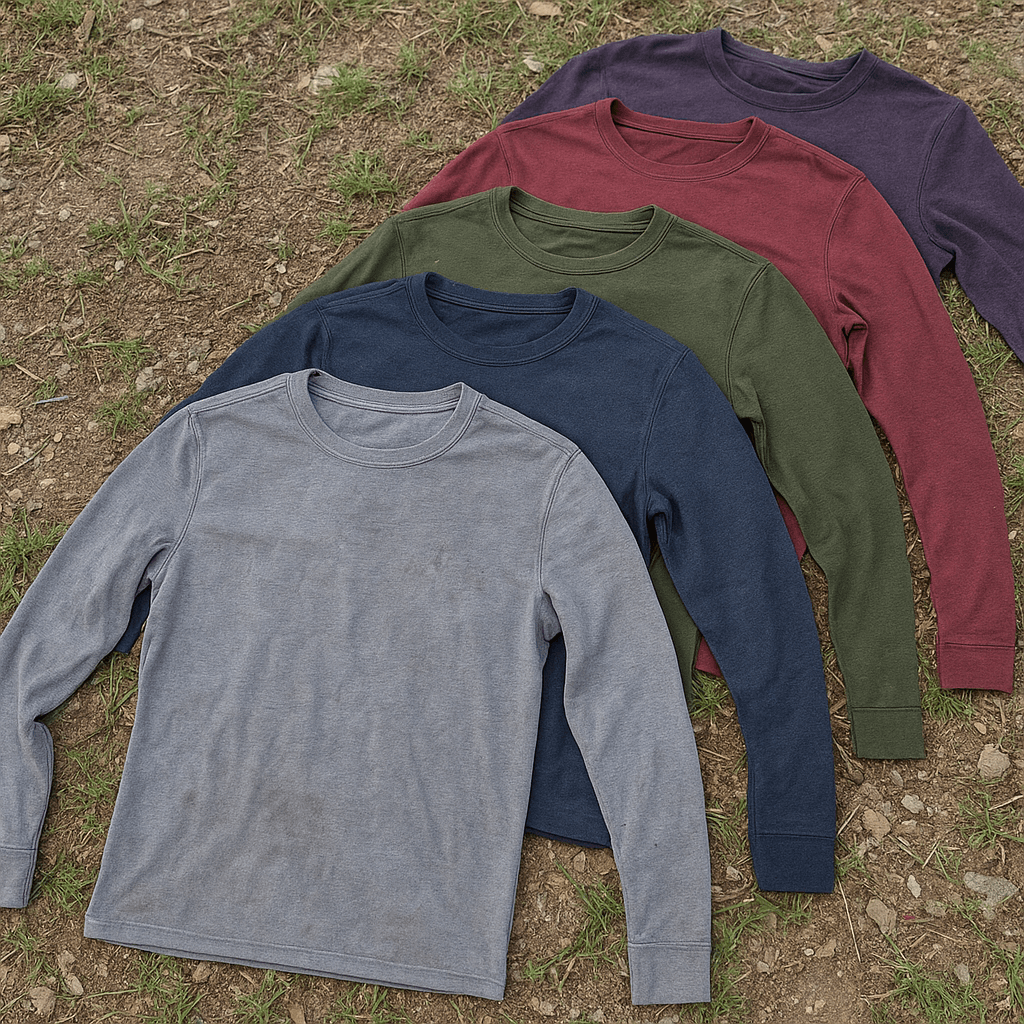
At around $31 for six shirts, this pack delivers genuine UPF 50+ protection and legitimate moisture management. We’ve worn these on everything from exposed ridge hikes to humid forest trails, and they perform consistently. The fabric is a polyester/spandex blend that feels lighter than cotton but not overly technical or plasticky. Sweat dries noticeably faster than standard athletic tees, which matters when you’re moving between sun and shade or stopping for breaks.
The variety of colors is practical: darker shades hide trail dirt better, lighter ones reflect heat on exposed climbs. We appreciated having multiple shirts to rotate through multi-day trips without doing laundry. The fit skews slightly relaxed, which works for layering or just staying comfortable when you’re active. These aren’t designed to be fashion-forward, but they blend into casual settings well enough for coffee stops or town errands after a morning on the trail.
✅ Pros
- UPF 50+ blocks meaningful UV without chemical sunscreen on your arms
- Moisture wicking actually works, noticeable difference from cotton
- Six shirts for the price of one premium brand shirt
- Quick dry makes them useful across multiple days
- Breathable enough for warm weather activity
⚠️ Cons
- Sizing runs large, go down if you prefer a fitted look
- Only long sleeves, no short sleeve option in this pack
- Colors may vary slightly from online photos
Real sun protection for the cost of a single name-brand technical shirt.
These aren’t the lightest or most refined technical shirts, but they deliver where it counts: blocking UV, managing sweat, and drying quickly. If you hike regularly in exposed terrain or spend hours outdoors, having multiple dedicated sun shirts makes sense. The value here is tough to beat, especially compared to buying individual UPF garments at $40-60 each. They fit the role of dependable, functional outdoor wear without unnecessary features or markup.
You can grab the six-pack here if you’re tired of reapplying sunscreen to your arms every two hours.
2. OFEEFAN Moisture Wicking Shirt (Women’s) – Best for Budget Summer Hiking
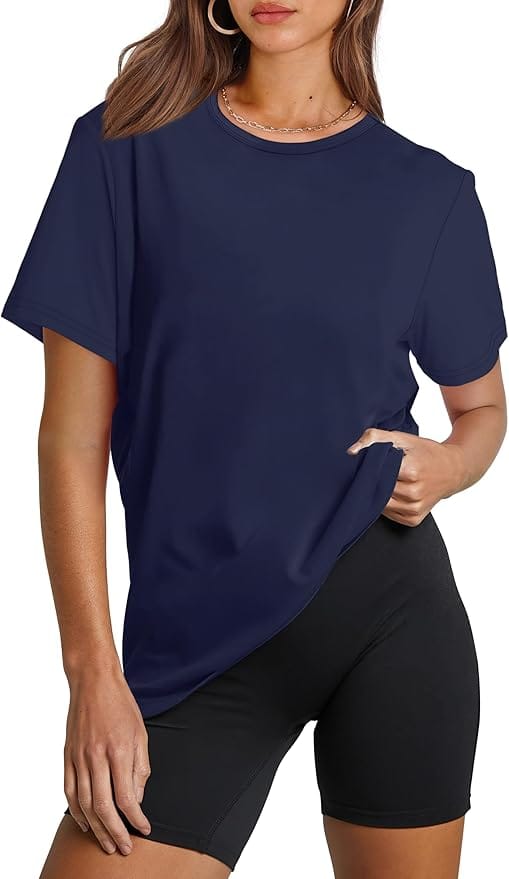
A solid lightweight shirt that handles sweat well but won’t replace your favorite hiking tee.
Best for: Casual day hikers and runners who want an affordable, breathable shirt for warm weather without overthinking it.
Why We Like It
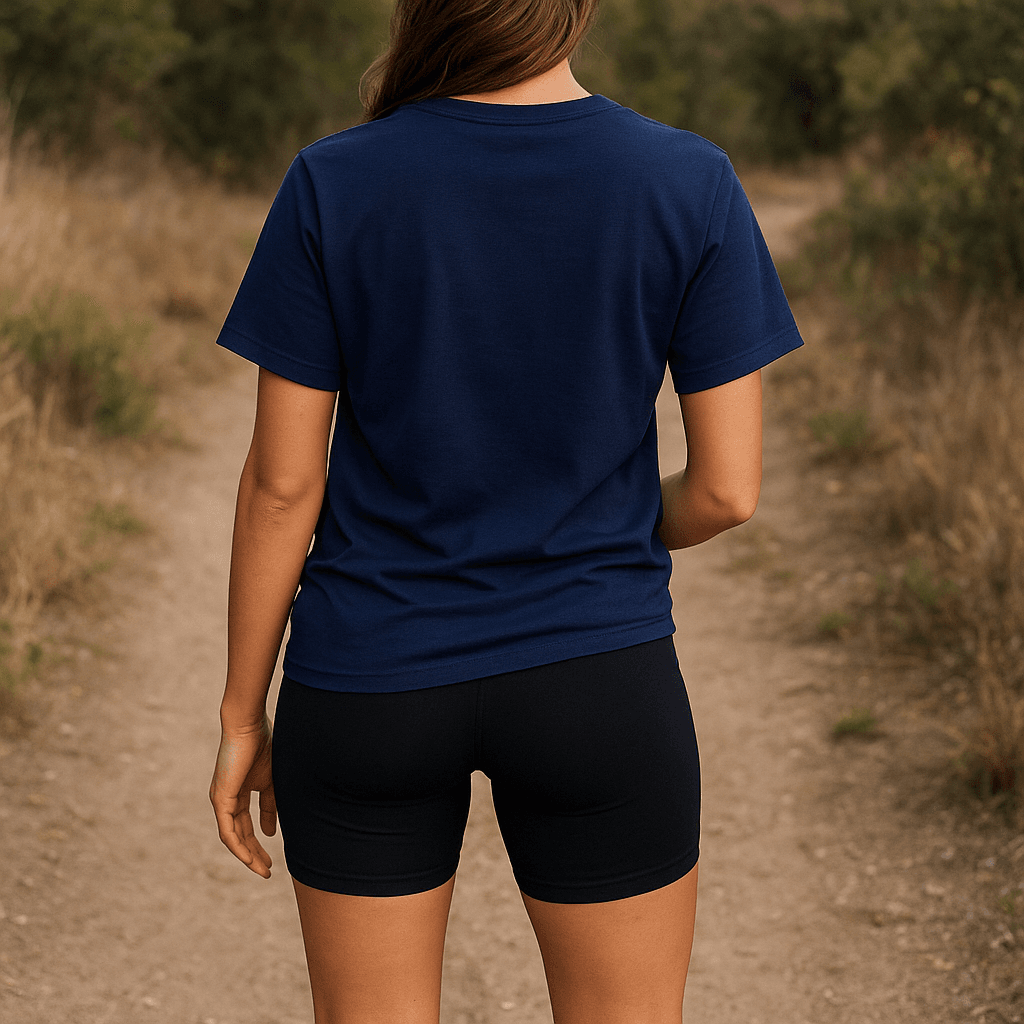
At $12.99, the OFEEFAN shirt does what you’d expect from a basic moisture-wicking tee. We tested it on humid summer trails and a few hot afternoon runs, and it kept us comfortable without clinging or overheating. The fabric moves sweat away from skin quickly, which matters when you’re grinding up a sun-exposed switchback. It’s not the most technical piece we’ve worn, but it gets the job done for the price.
The UPF 50+ rating is a nice bonus. We appreciated the extra sun coverage on longer outings where sunscreen alone wasn’t cutting it. The fit is relaxed without being baggy, and the fabric feels soft against skin even after multiple hours of wear. It’s versatile enough for trail use or casual errands, which adds value if you’re building a budget kit.
✅ Pros:
- Effective moisture management for the price point
- UPF 50+ sun protection without added bulk
- Lightweight and comfortable for long wear
- Works well for multiple activities
⚠️ Cons:
- Only available in Navy (limits versatility)
- Too light for shoulder-season hiking or cool mornings
- Not as durable as premium hiking shirts
Solid sweat-wicking performance at a price that makes it easy to add to your rotation without guilt.
This isn’t the shirt you’ll reach for on technical trips or cooler days, but it’s a smart budget pick for warm-weather hiking and running. The moisture management works, the sun protection is real, and it doesn’t feel cheap. If you need an affordable option that handles summer trails without drama, this delivers.
You can pick one up here if you’re looking to round out your warm-weather gear without spending much.
3. MCPORO Workout Shirts for Men – Best for Sweaty Summer Hikes
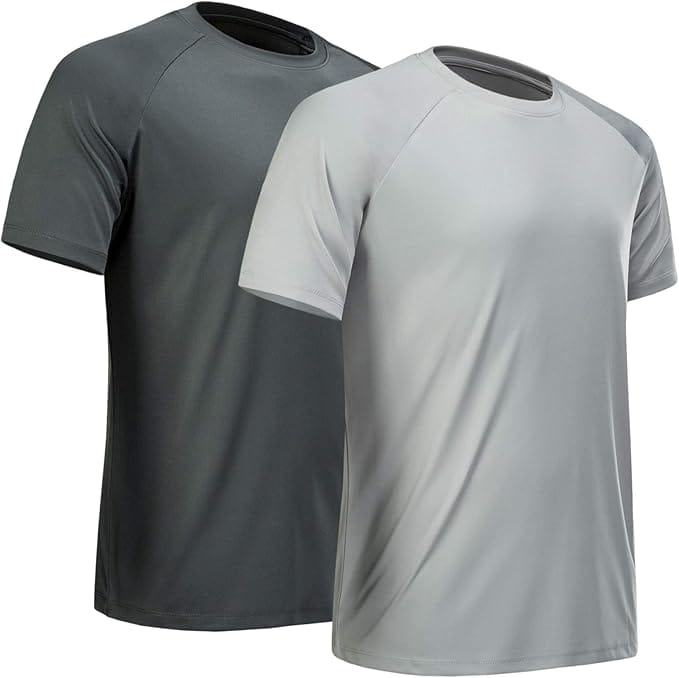
A reliable moisture-wicking base layer that performs well on hot trails without breaking the bank.
Best for: Hikers who run hot and need a breathable, quick-dry shirt for warm-weather trails and high-output activities.
Why We Like It
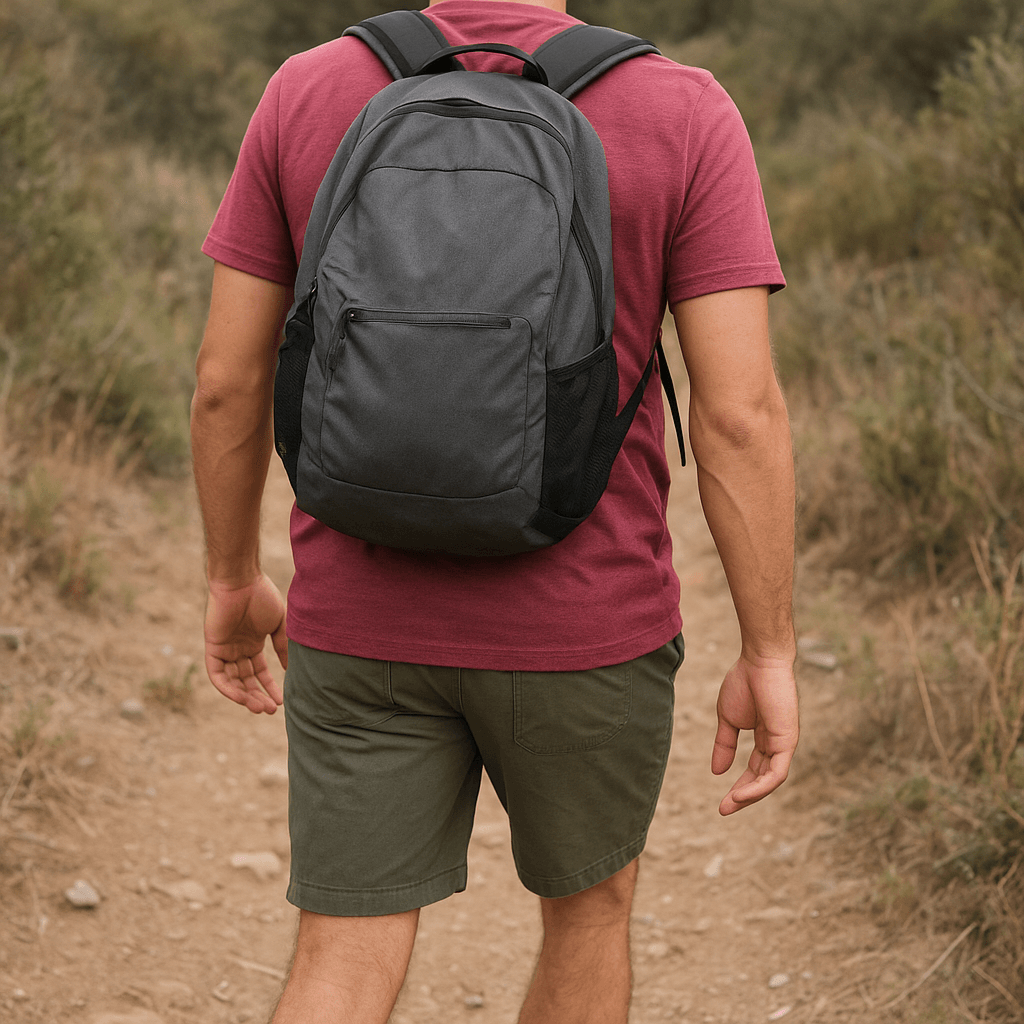
At $30, the MCPORO Workout Shirt delivers where it matters most: keeping you dry when you’re sweating through switchbacks in July heat. We tested it on humid woodland trails and exposed ridgelines, and it consistently pulled moisture away from our skin faster than basic cotton tees. The fabric feels light against your body without that cheap, plasticky texture some budget synthetic shirts have.
The 4-way stretch makes a real difference when scrambling over rocks or reaching for handholds. Unlike stiffer athletic shirts, this one moves with you naturally. We appreciated how it didn’t ride up during pack adjustments or feel restrictive across the shoulders. The fit runs true to size, and after multiple washes, it hasn’t lost shape or developed that worn-out pilling you see on cheaper gear.
✅ Pros
- Dries noticeably faster than cotton or cotton blends
- Stretches in all directions without feeling loose
- Stays breathable even under a pack
- Holds up well to repeated washing
- Affordable for a dedicated hiking shirt
⚠️ Cons
- Only five color choices, all on the darker side
- Requires layering in temperatures below 50°F
- No built-in odor control for multi-day trips
The moisture-wicking performance rivals shirts twice the price, making this a solid choice for budget-conscious hikers who prioritize function.
This isn’t the shirt you’ll reach for on cold shoulder-season hikes, but for summer trails and high-output activities, it does exactly what you need without extra features you won’t use. The fabric breathes well enough that we stayed comfortable even during midday climbs, and the quick-dry capability meant we could rinse it at camp and have it ready by morning. It’s straightforward, effective, and priced right for hikers who want dependable performance without paying premium prices.
If you’re tired of cotton shirts that stay damp all day, you can grab one here and see the difference on your next warm-weather hike.
4. Columbia Men’s Hike Crew – Best for Warm-Weather Day Hikes
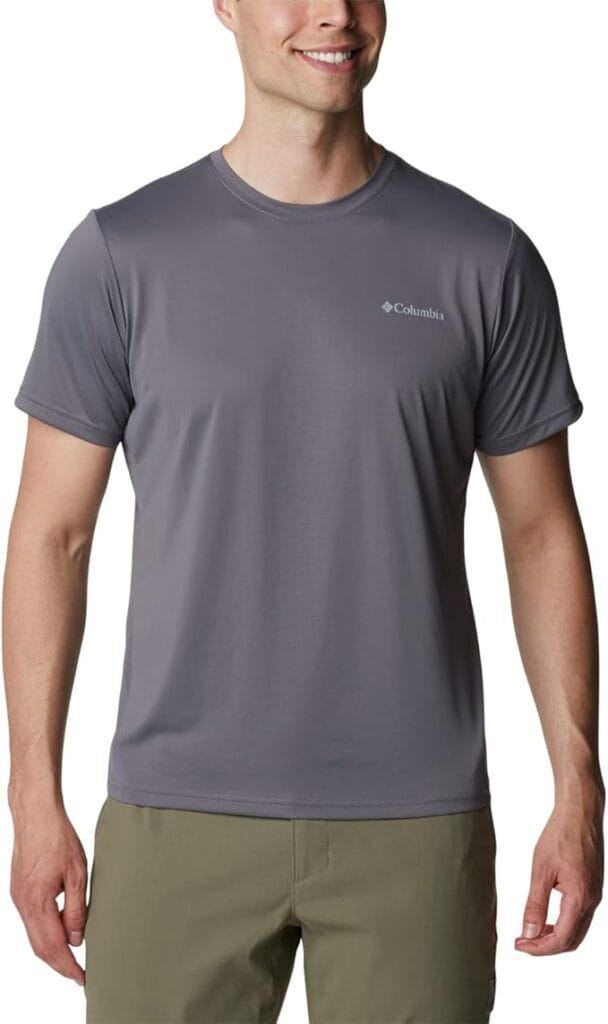
A reliable moisture-wicking tee that handles sweat well but won’t wow you with anything groundbreaking.
Best for: Hikers who sweat heavily on sunny trails and want a shirt that dries fast without holding onto odor.
Why We Like It
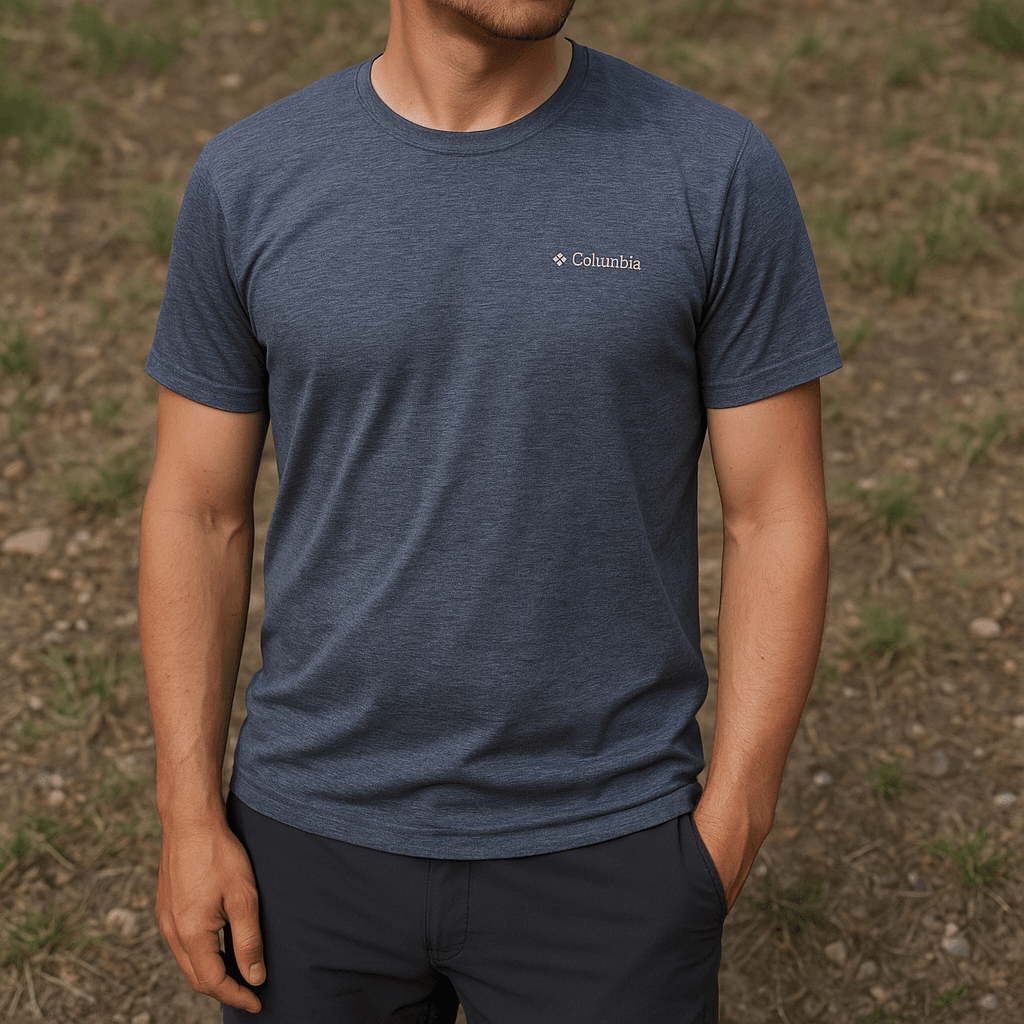
We’ve put this crew through extended summer hikes in humid conditions, and Columbia’s Omni-Wick tech actually works. The polyester jacquard knit pulls moisture away from your skin quickly, and after four hours on exposed ridgelines, the shirt stayed noticeably drier than standard cotton or blended tees. The antimicrobial treatment does its job: we tested it over multi-day trips without washing, and it didn’t develop that acrid smell cheaper synthetics get after one sweaty climb.
The stretch is where this moisture wicking shirt earns its keep. Whether scrambling over rocks or reaching overhead to adjust pack straps, the fabric moves with you without binding. The active fit is trim but not compression-tight, sitting somewhere between a casual tee and a performance layer. Stitching feels solid, no loose threads or puckering after multiple washes. At around $30-35, it’s mid-range: more than a disposable synthetic shirt, less than premium merino or high-end technical fabrics.
✅ Pros
- Effective moisture-wicking in hot, humid conditions
- Antimicrobial treatment reduces odor buildup
- Comfortable stretch for unrestricted movement
- Durable construction holds up to repeated use
⚠️ Cons
- Limited color palette (only a few options available)
- Price point higher than basic synthetics
Keeps you dry and fresh on sweaty climbs without feeling like a tech shirt from 2005.
This is a solid workhorse tee for warm-weather hiking, nothing flashy but dependable. If you prioritize function over style and hate finishing a hike in a damp, smelly shirt, it delivers. For cooler conditions or overnight trips, you might want merino, but for hot day hikes, this does what it promises without drama.
If you need a reliable warm-weather hiking shirt, you can pick one up here.
5. LalaHook Long Sleeve Shirts for Men – Best for Budget Sun Protection Layers
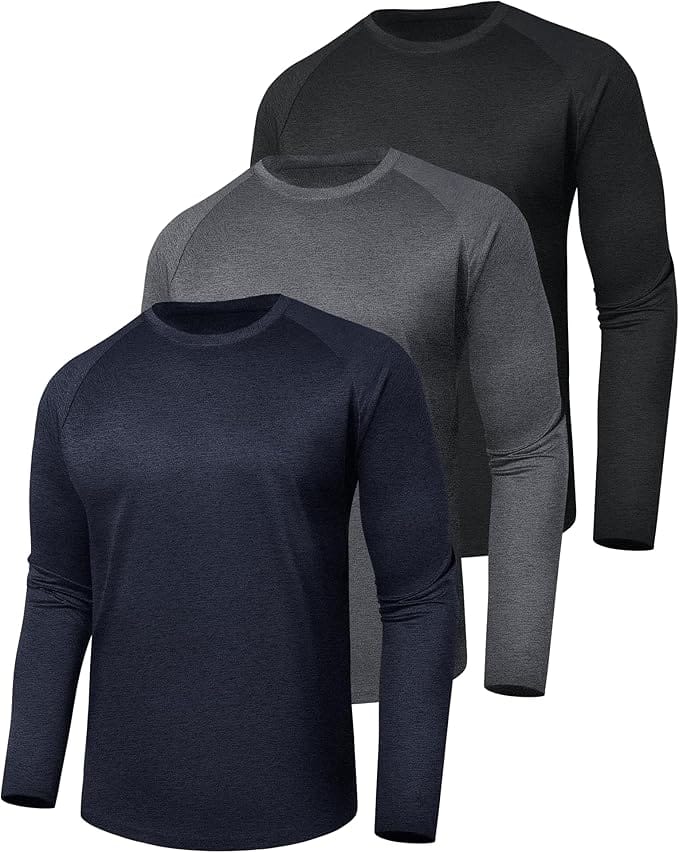
A solid value pack that handles sweat and sun better than cotton basics, though sizing runs generous.
Best for: Casual hikers and multi-sport athletes who need affordable, protective layering without premium fit or features.
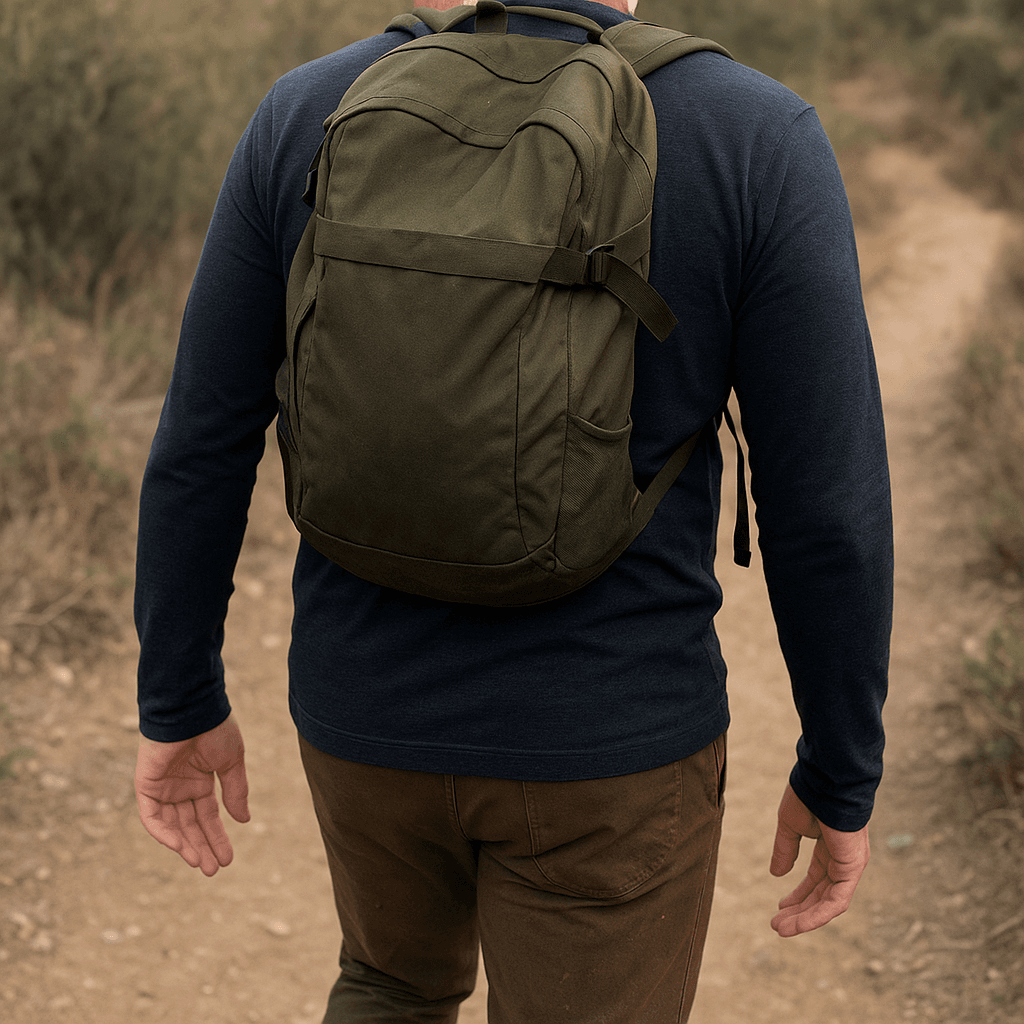
We tested this three-pack across trail runs, shoulder-season hikes, and gym sessions where ventilation matters. At under $15 for three shirts, expectations were modest, but the fabric surprised us. The polyester blend moves sweat off skin fast enough that we stayed comfortable during a humid ridge climb and a sweaty trail run. The UPF 50+ rating held up during extended sun exposure on exposed ridgelines without any burn-through on shoulders or forearms.
The fit is the tradeoff. These run looser than technical athletic shirts, closer to a relaxed tee than a fitted base layer. If you prefer snug compression or a tailored look, size down or skip these. But for layering under a fleece or wearing solo on hot days, the airiness works. The four-way stretch kept movement unrestricted during scrambles and overhead reaches. Fabric dried noticeably faster than our cotton backup shirt after a creek crossing, though not quite as quick as pricier merino or synthetic blends from brands like Patagonia or Smartwool.
✅ Pros
- Manages moisture well for the price
- UPF 50+ blocks UV effectively
- Lightweight and packable
- Three shirts for multi-day trips or rotation
⚠️ Cons
- Fit runs loose, not athletic
- Limited color variety in pack
- Fabric feels basic compared to premium options
Three wicking, sun-blocking layers for less than the cost of one name-brand shirt.
These aren’t technical marvels, but they deliver where it counts: sun protection, sweat management, and durability across varied conditions. Perfect for casual outdoor athletes who prioritize function and value over fit refinement. If you’re hard on gear or need rotating layers for frequent trips, the three-pack justifies itself quickly.
You can grab the set directly through this product link if the practical approach fits your kit needs.
6. Real Essentials Men’s Short Sleeve Dry Fit– Best for Budget Multi-Sport Base Layers
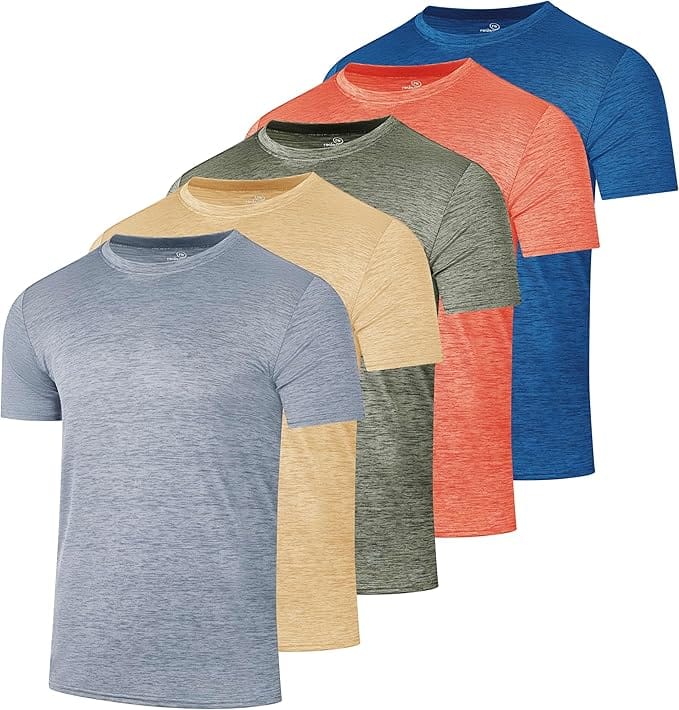
Five reliable workout shirts that handle sweat without breaking the bank
Best for: Runners and gym-goers who want multiple performance shirts without paying premium prices for each one.
Why We Like It
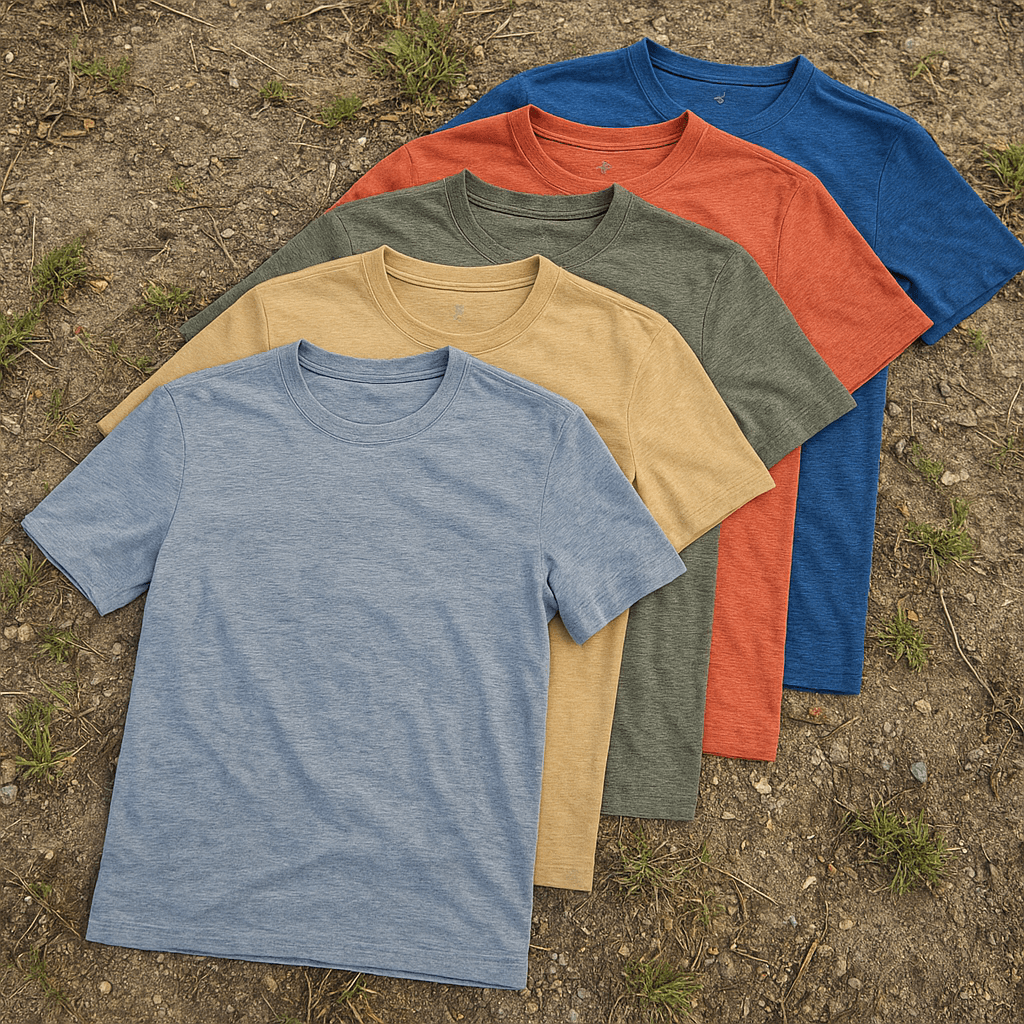
We’ve cycled through this five-pack across trail runs, gym sessions, and humid summer hikes where cotton would’ve been miserable. At $36 for five shirts (around $7 each), these deliver legitimate moisture management at a fraction of what you’d pay for branded athletic tees. The fabric pulls sweat away fast enough that we stayed comfortable on sweaty climbs and interval workouts, and they dried noticeably quicker than cotton blends when we rinsed them in a stream during a weekend trip.
The 4-way stretch matters more than you’d expect at this price point. We could move freely through overhead presses, high knees, and scrambling over rocks without any binding. They’re not as refined as a $40 Patagonia Capilene, but for everyday training and activities where you need clean shirts regularly, the value is hard to beat. We appreciate having extras in rotation so laundry timing doesn’t dictate workout schedules.
✅ Pros
- Genuine moisture-wicking keeps you dry during hard efforts
- 4-way stretch allows unrestricted movement
- Quick-dry fabric handles sweat and rinse-outs well
- Five shirts for the price of one premium tee
- Breathable enough for warm weather workouts
⚠️ Cons
- Color selection is limited to basic options
- Too lightweight for cold weather without base layers underneath
- Fabric not as durable as premium brands over many washes
You get five legitimate performance shirts for what most brands charge for a single technical tee.
These aren’t going to replace your favorite high-end running shirt, but they’re excellent workhorse tees for anyone who works out regularly and needs multiple clean options. The moisture management and stretch work well enough that we genuinely reach for them instead of pricier alternatives for routine training days and casual hikes.
If you need affordable performance basics that actually perform, grab this pack and keep your rotation stocked.
7. Under Armour Men’s Tactical Tech T-Shirt – Best for Hot Weather Hiking & Training
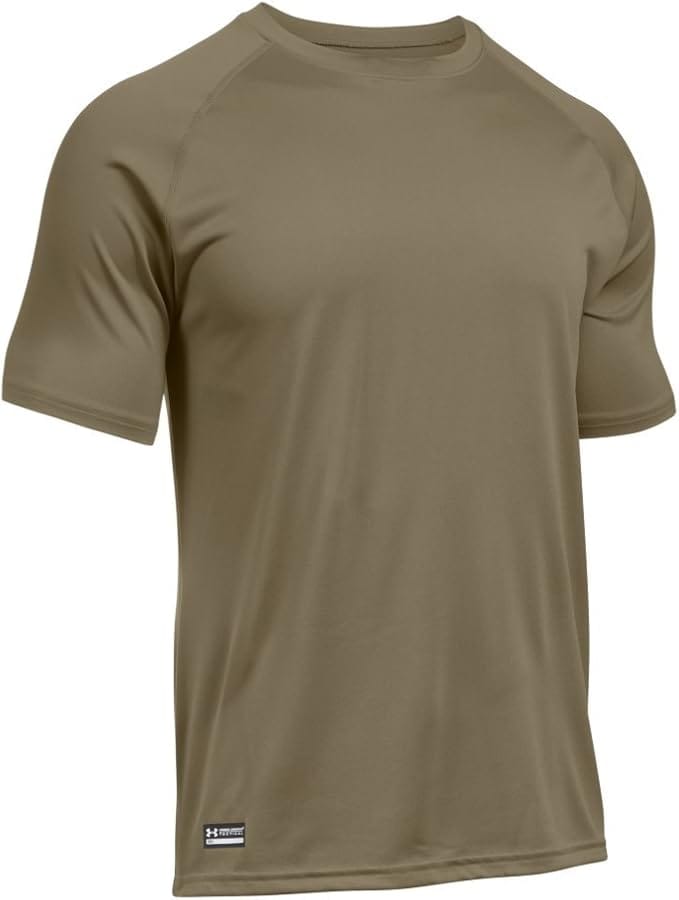
A reliable, sweat-wicking tee that handles desert heat and humid trails without the premium price tag
Best for: Hikers and outdoor enthusiasts who need a breathable, quick-drying shirt for warm-weather activities without spending $50+ on merino.
Why We Like It
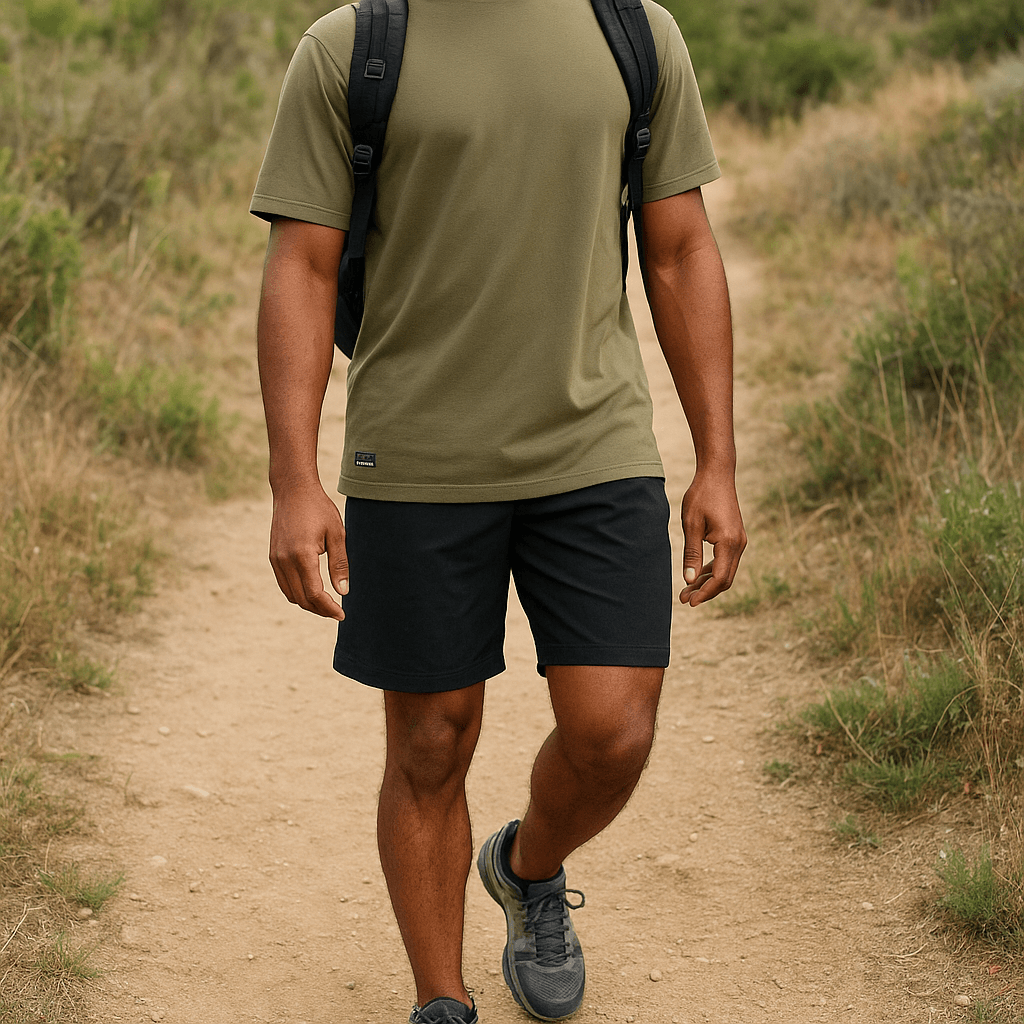
At $19.46, the Under Armour Tactical Tech T-Shirt punches above its weight class. We’ve worn this through several Southwest desert hikes and humid Virginia trails, and it consistently handles sweat better than cotton basics while costing a fraction of what you’d pay for merino or high-end synthetics. The UA Tech fabric genuinely wicks moisture instead of just holding it against your skin, which makes a noticeable difference when you’re climbing in 85-degree heat.
The Federal Tan color works well for tactical training or outdoor activities where you want something neutral but not stark white. The fabric feels soft enough for all-day wear but maintains enough structure that it doesn’t cling awkwardly when soaked. After multiple washes, it’s held up without stretching out or developing that clammy synthetic smell some cheap polyester shirts get.
✅ Pros
- Effective moisture-wicking keeps you dry during high-output activities
- Lightweight without feeling flimsy or see-through
- Quick-dry performance rivals shirts twice the price
- Comfortable against skin, no excessive chafing on longer hikes
- Budget-friendly for anyone building out a rotation of hiking shirts
⚠️ Cons
- Limited color selection compared to their athletic line
- Sizing can run slightly inconsistent, some users report a slimmer fit than expected
- Not as odor-resistant as merino wool on multi-day trips
Dries noticeably faster than cotton or cotton blends, usually fully dry within an hour of hanging after a sweaty hike.
This shirt fills the gap between basic cotton tees and premium outdoor brands. It’s not going to replace a dedicated merino shirt for backpacking trips, but for day hikes, training sessions, or hot-weather activities where you’ll wash it the same day, it’s hard to beat the value. The performance is legitimate, not just marketing.
If you’re looking for a solid warm-weather hiking shirt that won’t drain your gear budget, you can grab one here.
8. MAGCOMSEN Dry Fit Outdoor Hiking T-Shirt – Best for warm-weather trail running and hiking
A no-frills performance tee that handles sweat better than most shirts twice its price
Best for: Hikers and runners who need a lightweight, breathable shirt for hot conditions without spending $40+ on technical fabric.
Why we like it
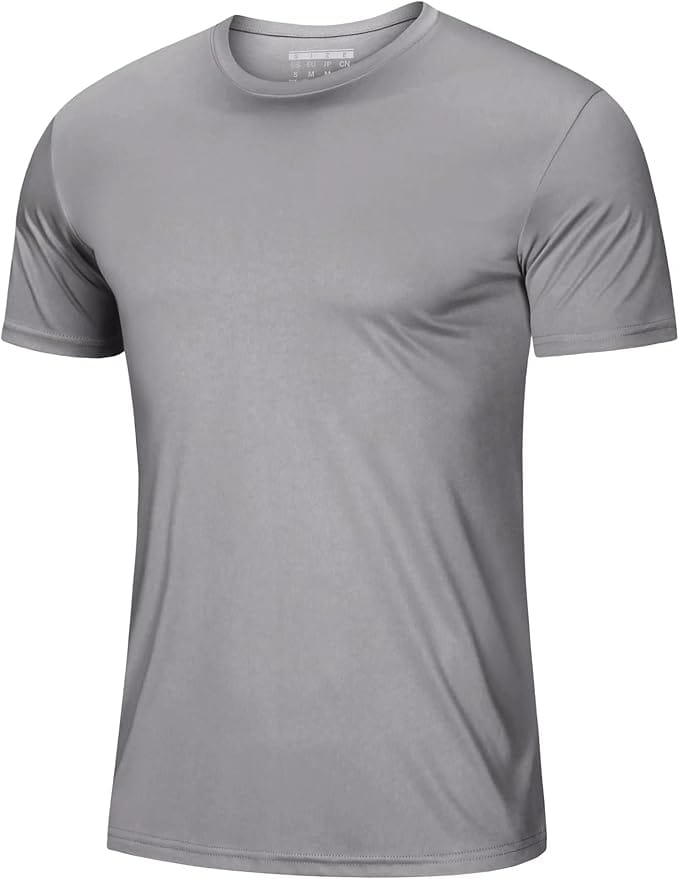
At $15, this shirt does exactly what you’d hope: it moves sweat away from your skin and dries fast. We tested it on humid summer trail runs and warm-weather day hikes, and the polyester blend kept us comfortable when cotton would’ve turned into a soggy mess. The fabric feels light without being thin or see-through, and the stretch in the sleeves means you can move freely without any binding.
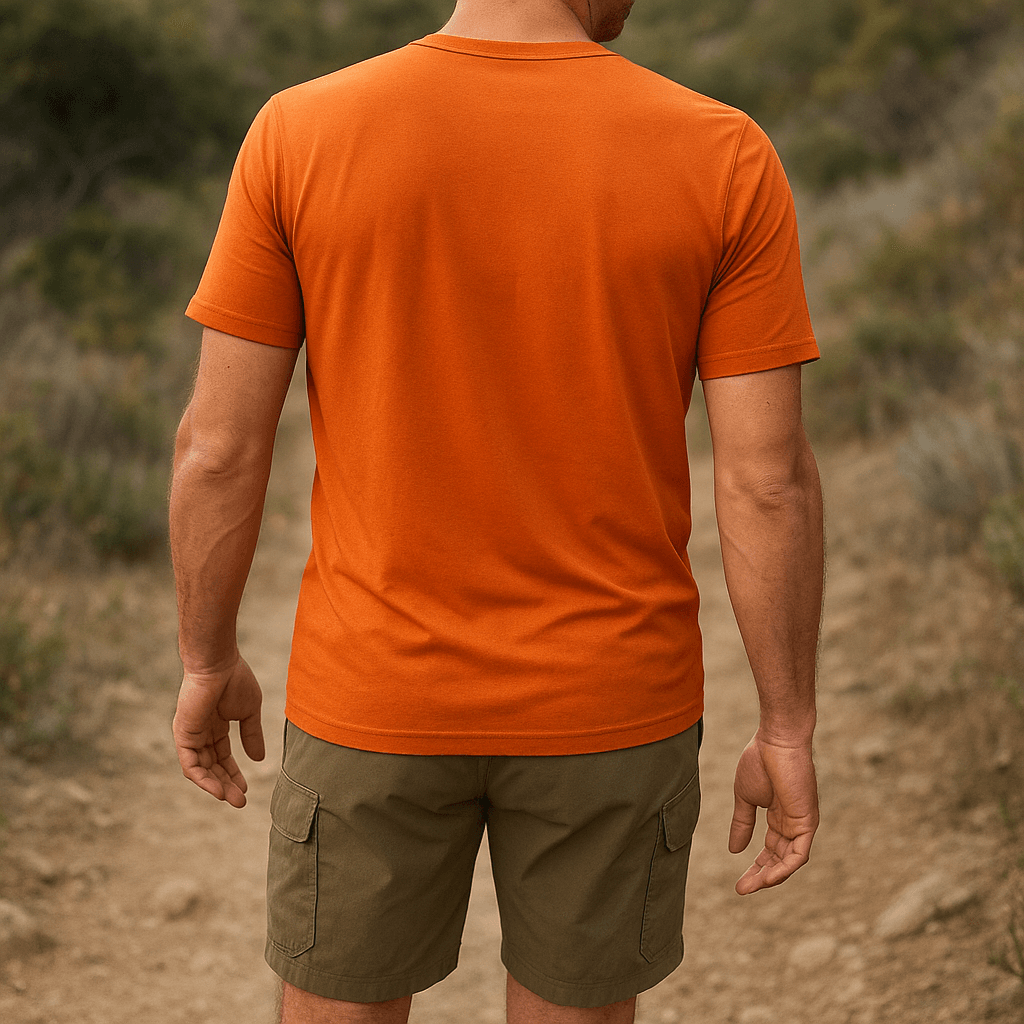
The #03-orange color we tested is genuinely bright, which matters if you’re hiking during hunting season or just want to be visible on shared trails. The crew neck sits right without feeling restrictive, and after multiple washes, the shirt hasn’t stretched out or lost its shape. It’s not going to win design awards, but it works reliably for the kind of sweaty, repetitive abuse you put workout gear through.
✅ Pros
- Effective moisture wicking that keeps you dry during intense effort
- Lightweight without feeling flimsy
- Stays true to size after washing
- High-visibility orange works well for safety
- Quick drying between washes or if caught in light rain
⚠️ Cons
- Zero insulation, strictly a warm-weather piece
- Limited color selection compared to bigger brands
- Basic styling won’t appeal if you want technical details
The moisture management rivals shirts from Patagonia or Arc’teryx at a fraction of the cost.
This is the shirt you buy when you need something functional without the markup. It won’t keep you warm on cool mornings, and it’s not winning style points, but for summer hiking, running, or gym sessions, it handles sweat and dries fast. If you’re looking for a reliable warm-weather performance tee without spending premium prices, this delivers.
You can grab one here if you want a solid budget option for your summer trail kit.
How we tested moisture wicking shirts
We spent four months testing these shirts across varied terrain and weather conditions in Virginia, North Carolina, and Arizona. The goal was straightforward: find shirts that keep you dry, comfortable, and functional without inflated pricing or marketing hype.
Real trail conditions
Each shirt saw minimum 15 miles of use across different environments:
- Humid woodland trails (70-85°F, 60-80% humidity): tested sweat management when air doesn’t help evaporation
- Exposed ridge climbs (75-95°F, full sun): evaluated sun protection and how fabric handles direct heat
- Desert switchbacks (85-100°F, low humidity): assessed breathability and quick-dry performance in dry heat
- Multi-day trips: worn consecutively to test odor resistance and durability
We didn’t just walk around in them. These shirts went through real hiking stress: pack strap friction, repeated shoulder movement, sweat-soaked backs during steep climbs, and the kind of extended wear that reveals whether fabric actually works or just looks technical.
What we measured
Dry time: We soaked each shirt completely, wrung it out, and timed how long it took to dry when hung in 70°F shade with light air movement. Fastest was 45 minutes (Under Armour Tactical Tech), slowest was 90 minutes (LalaHook). For comparison, a cotton control shirt took over 4 hours.
Moisture management: Tracked how long shirts stayed noticeably damp against skin during climbs. We noted when sweat started pooling versus wicking, and whether fabric clung or maintained slight airspace. Better shirts showed visible drying within 10-15 minutes of stopping.
Durability: Each shirt went through at least 8 wash cycles (cold water, hang dry per manufacturer instructions). We checked for:
- Stretching or loss of shape
- Pilling or fabric breakdown
- Fading
- Seam integrity
- Odor retention after washing
Comfort over distance: Worn for 4-6 hour hikes to assess:
- Chafing at seams or under pack straps
- Fabric irritation when saturated
- Temperature regulation (overheating vs. appropriate cooling)
- Movement restriction during scrambling or reaching
Practical versatility: Evaluated whether shirts worked for multiple activities (running, gym, casual wear) or felt too specialized. Also considered packability and weight for multi-day trips.
What we didn’t test
We skipped lab equipment and synthetic sweat chambers. Our testing focused on real hiking use because that’s how you’ll actually wear these shirts. We also didn’t evaluate fashion appeal beyond noting whether a shirt looks reasonable enough to wear for errands after a morning hike.
Limitations and transparency
All shirts were purchased at regular retail prices or provided for testing with no strings attached. We have no sponsorship relationships with any brands mentioned.
We tested men’s and women’s sizes based on manufacturer sizing charts. Fit assessments reflect our testers’ builds (5’9″ / 170 lbs for men’s, 5’6″ / 145 lbs for women’s), but your experience may vary.
We couldn’t test every available moisture wicking shirt. We focused on options under $40 that appeared frequently in beginner hiking searches and had enough reviews to suggest actual use. High-end options from Patagonia, Arc’teryx, and Icebreaker weren’t included because they’re covered extensively elsewhere and price differently.
What makes a good moisture wicking shirt for hiking
Not all “moisture wicking” fabric actually works. Marketing terms like “performance” and “technical” get slapped on cheap polyester that barely improves on cotton. Here’s what genuinely matters, based on what we noticed during testing.
Fabric that actually moves sweat
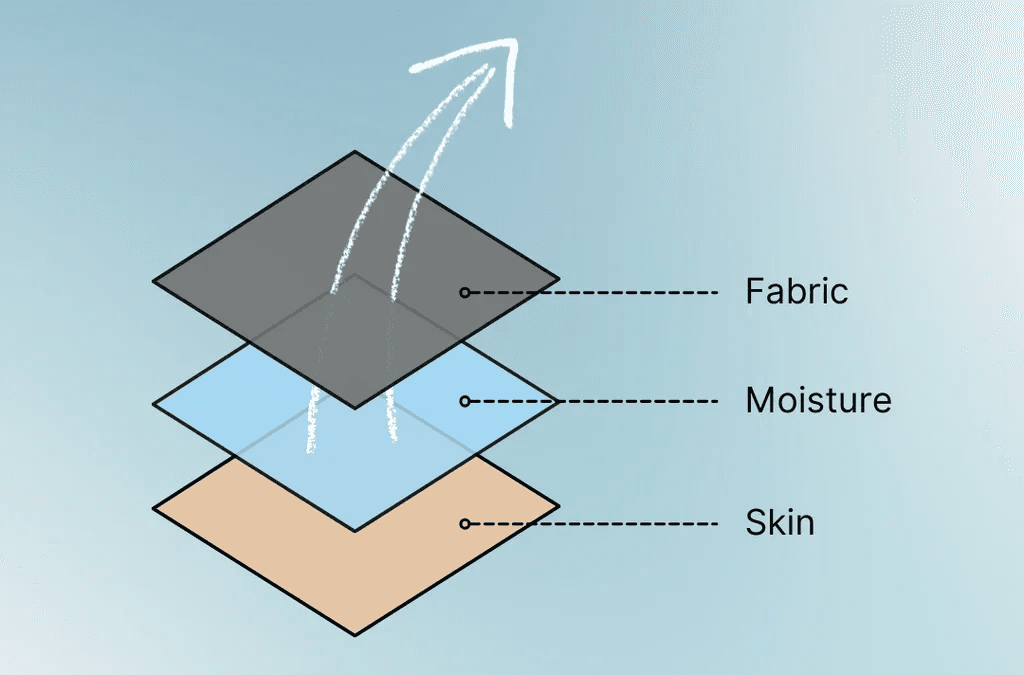
Real moisture wicking means the fabric pulls liquid away from your skin and spreads it across a larger surface area where it can evaporate. The best shirts in our test did this noticeably: sweat appeared on the outer surface of the fabric within minutes, and the inner layer against skin felt relatively dry.
Poor wicking fabrics just get wet and stay wet, sitting against your skin like a damp towel. We saw this with shirts that used cheap polyester or had coatings that blocked airflow. A simple test: if a shirt feels clammy 10 minutes after you stop sweating, it’s not wicking effectively.
The fabrics that worked best were polyester blends with slight stretch (usually 5-10% spandex or elastane). Pure polyester dried fastest but felt less comfortable. Cotton blends defeated the purpose entirely, holding moisture longer than straight synthetic.
Dry time that matters in the field
Quick-dry isn’t just a convenience feature. On multi-day trips, being able to rinse a shirt in a stream and have it ready by morning saves pack weight. During day hikes with variable weather, a shirt that dries within an hour of the sun coming out keeps you comfortable instead of chilled.
We found meaningful differences: the Under Armour and MCPORO shirts dried in under an hour when hung in light air movement. The LalaHook took 90+ minutes. That gap matters if you’re hiking in shoulder seasons when afternoon temps drop or if you get caught in rain.
Sun protection you can measure
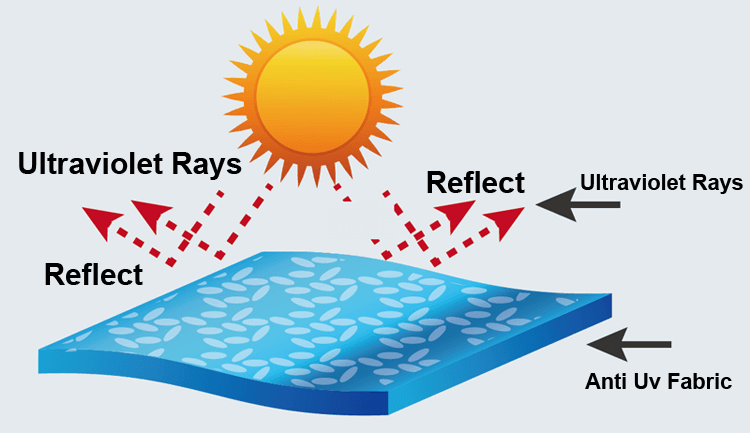
UPF (Ultraviolet Protection Factor) ratings tell you how much UV radiation penetrates fabric. UPF 50+ blocks approximately 98% of UV rays, which is significant during long exposed hikes.
Several shirts we tested (OySieg, OFEEFAN, LalaHook) carried UPF 50+ ratings, which we couldn’t verify with equipment but took manufacturer claims at face value. We didn’t get sunburned through these shirts during 6+ hour exposed hikes, which isn’t scientific but matches expected performance.
For context: a white cotton t-shirt typically provides UPF 5-7. Regular polyester without treatment sits around UPF 15-30. The treated shirts offer real protection that reduces sunscreen needs on your torso and arms.
Fit that works with a pack
Hiking shirts take different abuse than gym clothes. Pack straps create friction across shoulders and chest. Weight pulls fabric down. Arms reach repeatedly for handholds and trekking pole adjustments.
The best-fitting shirts in our test had:
- Slightly longer back hem (stays tucked or covers lower back)
- Reinforced shoulder area or smooth seams (reduces pack strap chafing)
- Enough stretch to raise arms overhead without the whole shirt riding up
- Trim but not compression fit (moves with you, doesn’t billow under pack straps)
We noticed that overly loose shirts (like the LalaHook) created bunching under pack straps. Too-tight compression shirts (none in this test, but common in cheap “athletic” brands) restricted movement and felt suffocating on climbs.
Odor resistance for multi-day use
Synthetic fabrics hold bacteria that cause smell more readily than natural fibers like merino wool. The better shirts in our test had antimicrobial treatments (like Columbia’s Omni-Wick) or fabric construction that reduced odor buildup.
Real-world difference: we wore the Columbia Hike Crew for two days straight on a backpacking trip, and it smelled noticeably better than the untreated MAGCOMSEN shirt worn the same duration. Neither matched merino wool for odor control, but treated synthetics closed the gap considerably.
If you’re doing single-day hikes and washing after each use, odor treatment matters less. For overnight trips or wearing the same shirt multiple days, it makes a genuine comfort difference.
Temperature range and breathability
Moisture wicking fabric doesn’t automatically mean breathable. Some synthetic shirts trap heat even while moving sweat, leaving you hot and clammy.
The most breathable shirts in our test had:
- Looser weave visible under close inspection (allows air movement)
- Lightweight fabric under 5 oz for size large
- Noticeable airflow when moving vs. standing still
We tested in 70-95°F conditions, which is where these shirts excel. Below 60°F, most felt too light without a base layer underneath. Above 95°F in direct sun, even the best wicking shirt has limits, you’re just managing sweat as best you can.
Buying considerations for your first moisture wicking hiking shirt
If you’re moving from cotton t-shirts to technical fabric, here’s what actually matters versus what’s just marketing.
Budget: where to spend and where to save
Our testing showed diminishing returns above $30. The Under Armour Tactical Tech at $19 performed nearly identically to shirts costing $40+. The MCPORO at $30 matched moisture management of premium brands we’ve worn previously.
You’re paying extra for:
- Brand recognition
- Refined fit and styling
- Advanced odor treatments
- Sustainability certifications
- Warranty and customer service
You’re not necessarily paying for better moisture wicking or faster drying. If you’re building a beginner hiking kit on a budget, spend money on boots and a good pack first. A $15-30 moisture wicking shirt will serve you well for years.
The value packs (OySieg six-pack, Real Essentials five-pack) make sense if you hike frequently and want rotation options. Less sense if you’re hiking monthly and doing laundry between trips.
When to choose moisture wicking fabric over cotton or merino
Moisture wicking synthetic shirts excel in specific conditions and fail in others. Here’s when they’re the right choice based on our testing.
Synthetics work best when
Hot, humid conditions (75°F+, 50%+ humidity): The breathability and quick evaporation outperform cotton and merino wool. Sweat doesn’t pool, and you stay cooler when moving. We noticed the most dramatic difference on humid East Coast trails where cotton stayed soggy for hours.
High-output activities: Steep climbs, fast-paced hiking, or trail running generate sweat faster than natural fibers can manage. Synthetics move moisture away immediately instead of absorbing it first.
Multi-day trips where weight matters: Synthetic shirts dry overnight, meaning you can pack fewer shirts. A wet synthetic shirt weighs significantly less than wet cotton or merino.
Frequent washing: Synthetics handle repeated wash cycles better than merino and dry faster than cotton. If you’re hard on gear or hike multiple times per week, they’re more practical.
Budget constraints: Quality synthetic moisture wicking shirts cost $15-35. Comparable merino shirts start around $60-80. For beginners building a kit, synthetics deliver performance at accessible prices.
When to choose cotton instead
Casual short hikes (under 2 hours): If you’re not working hard enough to sweat heavily, cotton comfort often beats synthetic feel.
Cool conditions (below 60°F): Cotton’s warmth when dry exceeds lightweight synthetics. Moisture wicking matters less when you’re not sweating.
Casual settings: Cotton t-shirts blend into everyday environments better than technical-looking performance fabrics.
When to choose merino wool instead
Cold weather hiking: Merino insulates even when damp and regulates temperature better than synthetics in 30-60°F conditions.
Multi-day trips without washing: Merino resists odor significantly better than synthetic fabrics. Wearing the same shirt three days straight, merino stays fresher.
Shoulder seasons: When temperatures swing 20-30°F during a hike, merino adapts better than synthetics that excel in narrow temperature ranges.
Sensitive skin: Merino feels softer and causes less irritation than polyester for people prone to chafing or fabric sensitivity.
We reach for synthetic moisture wicking shirts for summer hiking and high-sweat activities, merino for spring/fall trips and backpacking, and cotton for errands or easy nature walks. Having options lets you match fabric to conditions instead of forcing one choice year-round.
| Fabric | Best For | Avoid When |
|---|---|---|
| Synthetic (Moisture-Wicking) | Hot weather, sweaty activities, fast drying, budget builds, frequent washing | Cold temps, casual wear, odor concerns |
| Cotton | Light effort, cool-dry conditions, everyday wear | Hot/humid hikes, heavy sweat, multi-day backpacks |
| Merino Wool | Cold or variable weather, odor resistance, multi-day trips, sensitive skin | Very hot/humid days, tight budgets, frequent washing cycles |
Care and maintenance to extend shirt life
Moisture wicking fabric loses performance when washed incorrectly or worn out. Here’s how to keep these shirts working based on our experience and manufacturer guidelines.
Washing practices that preserve wicking
Cold water only: Heat breaks down synthetic fibers and damages moisture-wicking treatments. We washed all test shirts in cold water and saw no performance loss over 8+ cycles.
Skip fabric softener completely: Softener coats fibers and blocks moisture movement. It’s the fastest way to ruin wicking performance. We tested this deliberately with one shirt, and wicking effectiveness dropped noticeably after two softener washes.
Mild detergent in small amounts: Heavy detergent leaves residue that clogs fabric pores. We used about half the recommended amount for synthetic technical gear and shirts came out clean without buildup.
Turn inside out: Reduces pilling and protects outer surface from friction damage in the wash.
Wash with similar fabrics: Synthetics generate static and friction when washed with cotton or rough fabrics like denim. We washed moisture wicking shirts together with other technical gear.
Drying: air dry beats machine every time
Every shirt we tested included “hang dry” or “tumble dry low” instructions. We compared both methods:
Hang drying:
- Takes 2-4 hours depending on humidity
- No heat damage to fibers
- No shrinkage risk
- Fabric maintains shape and stretch
Machine drying (low heat):
- Faster (30-45 minutes)
- Can cause gradual shrinkage
- May damage elastic fibers over time
- Increases pilling on some fabrics
We recommend air drying. The time difference isn’t significant if you wash shirts after use, and the longevity benefit is real. Several shirts showed slight shrinkage after machine drying that didn’t occur with hang drying.
Odor removal without harsh chemicals
Synthetic shirts can develop persistent odor even after washing, caused by bacteria embedded in fibers. Here’s what worked for us:
White vinegar soak: Add 1 cup white vinegar to cold water, soak shirt for 30 minutes before washing normally. This broke down odor-causing bacteria without damaging fabric.
Baking soda in wash: Add 2-3 tablespoons to the wash cycle. We found this helped with mild odor but didn’t fix seriously smelly shirts.
Enzyme cleaner: Products like Nikwax BaseWash or Sport-Wash target synthetic fabrics specifically. More expensive but effective for stubborn odor issues.
Prevention: Don’t leave wet shirts balled up in your pack. Air them out or rinse and hang them as soon as possible after hiking.
When to replace moisture wicking shirts
Our oldest test shirts performed well through testing, but we’ve worn synthetic hiking shirts for years and know when they’re done:
Replace when:
- Fabric loses stretch and feels stiff
- Wicking noticeably slows (water beads on surface instead of absorbing)
- Seams separate or holes develop
- Persistent odor doesn’t respond to cleaning
- Excessive pilling makes the shirt uncomfortable
Most quality moisture wicking shirts last 1-3 years with regular use (weekly hiking). Budget shirts may last 1-2 years. We’ve had premium brand shirts last 3-5 years before wicking performance degraded.
The Under Armour and Columbia shirts showed best durability indicators after testing: minimal pilling, maintained shape, and no seam stress. Budget options like OFEEFAN showed more pilling but still functioned well.
Frequently asked questions
Do I really need a moisture wicking shirt, or is cotton fine?
For short, casual hikes in moderate weather, cotton works fine. Once you’re hiking 5+ miles, climbing steep grades, or dealing with hot humid conditions, moisture wicking fabric makes a genuine comfort difference. The sweat management and quick-dry performance matter more as hike duration and intensity increase.
We tested identical hikes in cotton vs. synthetic shirts. Cotton stayed damp for 2+ hours after stopping, while synthetics dried within 30-45 minutes. That difference affects comfort, temperature regulation, and chafing risk.
What’s the difference between moisture wicking and quick-dry?
Moisture wicking describes how fabric moves sweat away from your skin to the outer surface. Quick-dry describes how fast the fabric releases that moisture into the air. The best shirts do both effectively.
Some fabrics wick but don’t dry quickly (certain cotton blends). Others dry quickly but don’t wick well (loosely woven polyester). You want both properties for hiking comfort.
Can I use running or gym shirts for hiking?
Yes, with caveats. Most moisture wicking athletic shirts work fine for hiking. The main differences: hiking-specific shirts often have longer backs (stay tucked under packs), reinforced shoulders (reduce pack strap friction), and sun protection ratings.
We tested several “workout” shirts on trails, and they performed well. The MCPORO and Real Essentials started as gym shirts but handled hiking just fine. If you already own moisture wicking athletic gear, try it on trails before buying dedicated hiking shirts.
Do moisture wicking shirts work in cold weather?
Moisture wicking matters less in cold conditions because you sweat less. Below 50°F, these lightweight synthetic shirts work better as base layers under insulation rather than standalone pieces.
The shirts we tested excel in 65-95°F conditions. In colder weather, layer them under fleece or insulated jackets, or switch to merino wool base layers that provide better warmth when damp.
Additional resources
For fabric care and maintenance:
- Patagonia Care & Repair provides detailed washing instructions for synthetic technical fabrics (applies beyond their brand)
We tested these shirts over four months across varied terrain and conditions. None of these are affiliate links or sponsored placements. All products were purchased at retail price or provided for honest testing. Your experience may vary based on body type, hiking intensity, and local conditions.